
Imagine stepping into your dream garden, where every plant is perfectly placed and every pathway leads to a tranquil haven. Drawing a garden design might seem daunting, but the secret lies in turning your vision into reality with simple steps.
You don’t need to be a professional artist to create a stunning garden layout. In fact, all it takes is a bit of creativity and some practical tips to bring your outdoor paradise to life. This article is your guide to crafting that perfect garden design.
You’ll discover easy techniques to sketch your ideas, select the right plants, and plan a layout that suits your space and style. Whether you’re looking to revamp an existing garden or start from scratch, you’ll find the inspiration and guidance you need right here. Ready to transform your outdoor area into a personal oasis? Let’s dive in and unleash your inner garden designer!

Credit: www.instagram.com
Garden Design Basics
Creating a garden design requires patience and creativity. It’s about transforming your outdoor space into a personal haven. The basics of garden design begin with understanding the essentials. With the right tools and a clear vision, anyone can sketch their dream garden.
Essential Tools For Drawing
Gathering the right tools makes drawing easier. Start with a good quality sketchpad. It helps to have a smooth surface to draw on. Use a set of pencils with varying hardness. They allow you to create light and dark shades. A ruler is important for drawing straight lines. An eraser helps correct mistakes and refine details. Consider colored pencils or markers for adding color.
Understanding Space And Scale
Understanding space and scale is crucial in garden design. First, measure your garden area. Use these measurements to draw a scale plan. This helps visualize how plants and features fit. Keep paths wide enough for easy movement. Leave space for plants to grow. Consider the height of trees and shrubs. This prevents overcrowding as plants mature.
Identifying Garden Styles
Choosing a garden style sets the tone of your design. Decide if you prefer a formal or informal look. Formal gardens have straight lines and symmetry. Informal gardens have curves and a natural feel. Research different garden styles like Japanese, cottage, or Mediterranean. Each style has unique features and plants. Match the style to your personal taste and the local climate.

Credit: www.goodhousekeeping.com
Planning Your Garden Layout
Sketching a garden design involves visualizing space and organizing plants. Begin by drawing boundaries and key features. Consider sunlight, soil types, and plant sizes for optimal growth.
Planning a garden layout is an exciting task. It sets the stage for a beautiful and functional space. A well-thought-out garden design can bring joy and harmony to your outdoor area. Let’s dive into key aspects of planning your garden layout.Mapping Out Zones
Creating zones helps organize your garden. Start by sketching a rough outline. Identify different areas for activities. A seating area, vegetable patch, and flower beds might be some zones. Think about pathways connecting these zones. Ensure they are practical and easy to navigate. Use different textures and colors to define each zone. This enhances the visual appeal and functionality.Incorporating Features And Focal Points
Features and focal points add character to your garden. Consider adding a fountain, sculpture, or bench. These elements draw the eye and create interest. Choose a main focal point, like a large tree or pond. Arrange smaller features around it. This creates a balanced look. Ensure features complement your garden style. Use symmetry or asymmetry depending on your preference.Considering Sunlight And Shade
Sunlight and shade affect plant growth. Observe your garden throughout the day. Note areas with full sun, partial shade, and full shade. Choose plants suited to these conditions. Sun-loving plants thrive in bright areas. Shade-tolerant plants fit well under trees or near buildings. Consider seasonal changes in sunlight. This helps maintain a healthy garden year-round.Choosing Plants And Materials
Selecting the right plants and materials shapes your garden’s look. Choose plants suited for your climate and sunlight. Consider materials that complement your home’s style for paths and borders.
Creating a garden design involves more than just planting flowers. Choosing the right plants and materials sets the foundation for a stunning landscape. It requires a thoughtful approach to ensure the garden thrives and looks beautiful. This section will guide you through selecting plants, using hardscape elements, and balancing colors and textures.Selecting Plant Varieties
Choose plants that suit your climate and soil type. Research native species, as they often require less maintenance. Consider the sunlight in different garden areas. Some plants need full sun, while others thrive in shade. Think about the plant’s mature size to avoid overcrowding. Mix annuals for yearly change and perennials for lasting impact. Be mindful of water needs to ensure sustainability.Utilizing Hardscape Elements
Hardscape elements add structure and style to your garden. Paths, patios, and walls create defined areas and improve accessibility. Use stones, bricks, or pavers for durable and attractive surfaces. Consider adding benches or a pergola for relaxation spots. Water features like fountains or ponds bring tranquility. Choose materials that complement your home’s architecture.Balancing Colors And Textures
A balanced garden design uses a mix of colors and textures. Group plants with similar colors for a unified look. Add contrast with plants of different shades or textures. Use foliage with varied leaf shapes and sizes for visual interest. Flowering plants offer seasonal color bursts. Consider the garden’s year-round appearance, including winter hues.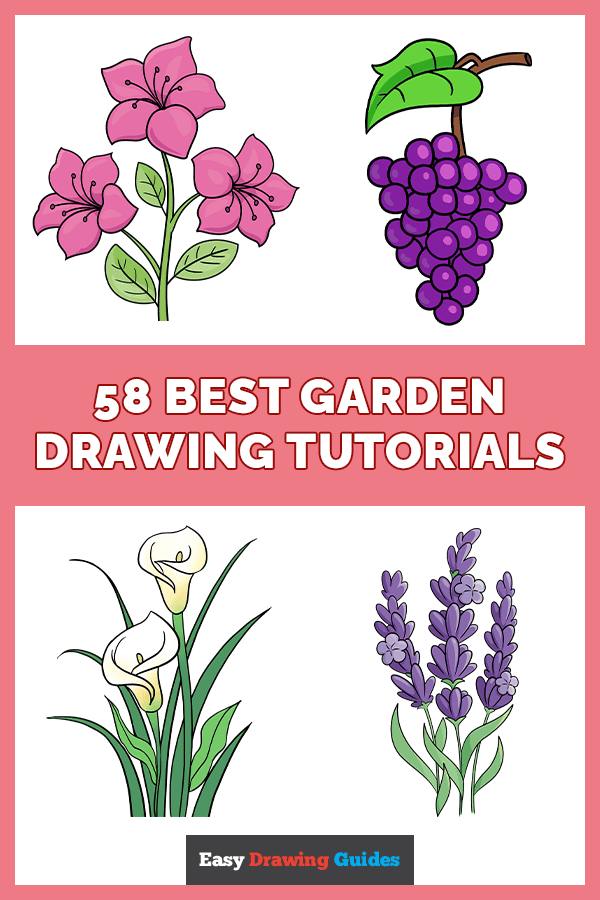
Credit: easydrawingguides.com
Sketching Techniques
Learn to draw a garden design by outlining basic shapes like squares and circles for paths and plots. Add details like plants, benches, and fountains to enhance the sketch. Use shading to give depth and texture.
Sketching Techniques Creating a garden design begins with sketching. It helps visualize ideas and plan effectively. Whether using traditional methods or digital tools, mastering sketching techniques is essential for a successful garden layout.Freehand Drawing Tips
Freehand drawing offers flexibility and creativity. Start with a simple outline of your garden space. Use light pencil strokes to avoid mistakes. Focus on natural shapes, like curves for pathways or round flower beds. Don’t worry about perfection. Aim for a clear representation of your vision. Practice regularly to improve your skills.Using Graph Paper For Precision
Graph paper ensures accuracy in garden designs. It helps keep proportions correct. Start by drawing the garden outline on the grid. Each square represents a specific measurement, like one foot or meter. This method is ideal for detailed plans. It helps in visualizing the space accurately. Use it for intricate designs or large areas.Digital Tools For Garden Design
Digital tools offer modern solutions for garden design. Software and apps provide templates and easy edits. They allow 3D visualizations of your garden. These tools save time and offer precise measurements. Beginners find them user-friendly. Experiment with colors, textures, and plant placements virtually. Digital tools can bring your garden ideas to life.Refining Your Design
Refining your garden design involves sketching an outline of the area. Visualize plant placement and pathways. Use colors to highlight different zones and features.
Refining your garden design is an exciting phase where your initial ideas take shape and become more concrete. This stage is all about perfecting the details to ensure your garden serves its purpose beautifully throughout the year. You might be wondering how to make those final tweaks that transform a good design into a great one. Let’s delve into three critical aspects that will help you refine your garden design.Seeking Feedback And Adjustments
After sketching out your initial garden design, share it with friends, family, or even gardening communities online. Their fresh perspectives might reveal blind spots or spark new ideas. Remember, it’s not just about positive feedback. Constructive criticism can be invaluable in highlighting areas for improvement. Consider hosting a small gathering in your current garden space. Observe how guests interact with the area and note any suggestions they might have. Their insights can lead to practical adjustments you hadn’t considered.Incorporating Seasonal Changes
Your garden should look stunning in every season. Research which plants thrive in each season and how their colors and textures will change. You might opt for evergreen plants for winter interest or vibrant flowers for summer. This ensures your garden remains lively and engaging year-round. Think about how sunlight varies across seasons and adjust your design accordingly. Perhaps certain plants need repositioning to optimize sunlight exposure.Preparing For Implementation
Once you’re satisfied with your refined design, it’s time to plan the execution. Create a list of necessary materials and tools to ensure a smooth process. Budgeting is crucial here; it’s easy to get carried away with plant choices. Stick to your budget to avoid any financial strain. Have you thought about the timeline? Set realistic deadlines for each phase of the garden creation. This keeps the project moving and prevents stagnation.Frequently Asked Questions
How Do I Start Garden Design Planning?
Begin with a site survey to understand your space. Assess sunlight, soil, and drainage conditions. Sketch your ideas, considering plant selection and layout. Incorporate hardscaping elements like paths and patios. Use garden design software for detailed plans. Finally, review and adjust your design before implementation.
What Tools Are Needed For Garden Design?
You need a measuring tape, graph paper, and pencil for sketching. Use a ruler for precise lines. Garden design software helps with complex plans. A camera captures site images for reference. Consider using colored pencils to visualize plant placement and color schemes effectively.
How Do I Choose Plants For My Garden?
Consider your climate, soil type, and sunlight exposure. Choose native plants for easy maintenance. Select a mix of perennials and annuals for year-round interest. Factor in colors and textures for aesthetic appeal. Consult a local nursery for expert recommendations tailored to your area.
What Are Common Garden Design Mistakes?
Ignoring site conditions can lead to poor plant growth. Overcrowding plants restricts airflow and sunlight. Neglecting hardscape elements affects functionality. Failing to plan for seasonal changes can reduce appeal. Regular maintenance is crucial for a thriving garden. Avoid these mistakes for a successful design.
Conclusion
Creating a garden design can be a rewarding experience. Start by sketching ideas on paper. Think about plants, paths, and seating areas. Visualize colors and shapes that bring joy. Consider sunlight, shade, and water needs. Keep your design simple and practical.
Use easy-to-find materials for your garden. Don’t forget to add personal touches. A small sculpture or a birdbath can enhance the space. Enjoy the process and the beauty you create. Remember, gardens are living art. They grow, change, and adapt.
Your garden is a reflection of your creativity and care.







