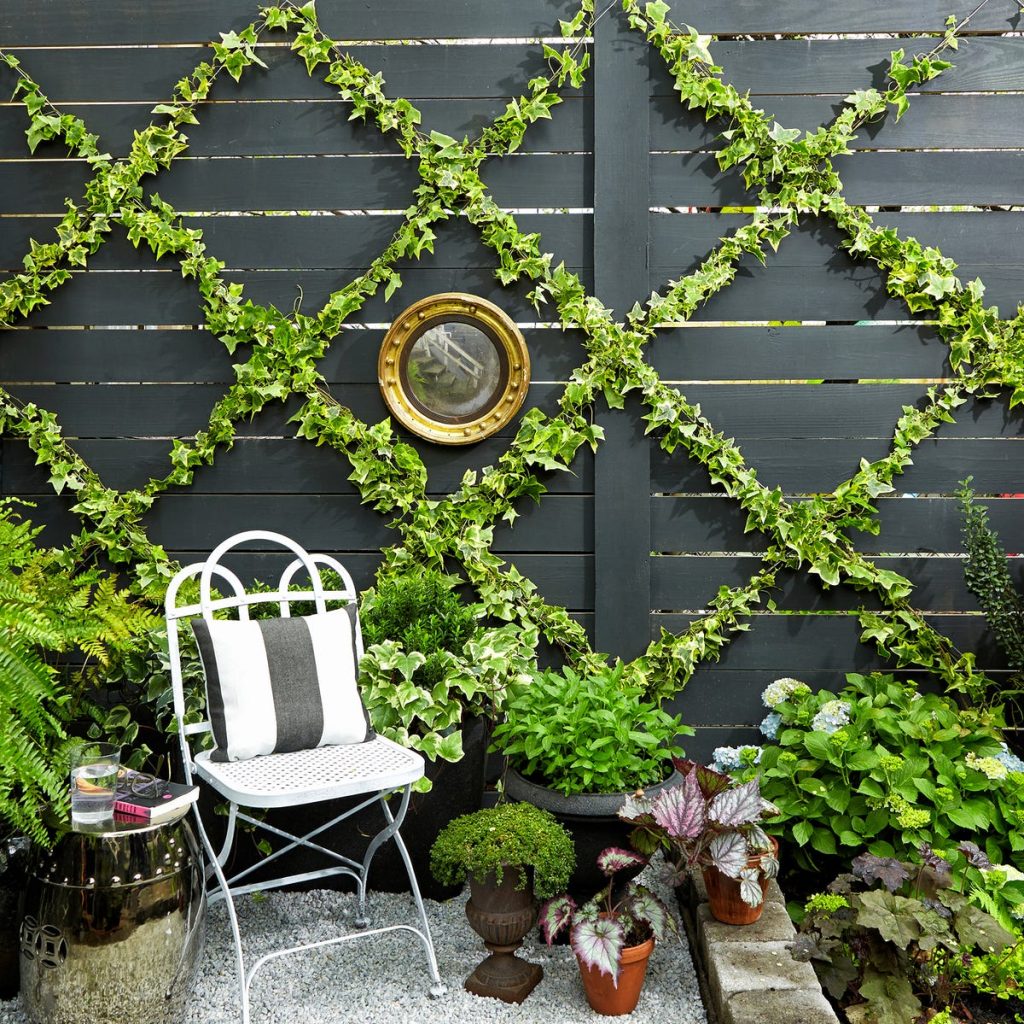
Imagine stepping into your backyard and being greeted by a lush garden, one that you’ve designed with your own two hands. The sight, the scents, the serenity—it’s all yours.
Designing your own garden might seem like a daunting task, but it doesn’t have to be. You have the power to transform your outdoor space into a personal oasis, and it starts with a few simple steps. Whether you have a sprawling lawn or a cozy patio, your dream garden is within reach.
Ready to discover how to bring your vision to life and create a garden that reflects your unique style? Let’s delve into the practical tips and creative ideas that will guide you in crafting a garden you’ll love.
Planning Your Garden Layout
Designing your own garden begins with visualizing your space. Consider sunlight, plant types, and your lifestyle needs. Sketch a layout to organize plants, pathways, and features effectively.
Planning your garden layout is essential for a beautiful and functional space. Consider the size, sunlight, and style to create a harmonious garden. This preparation helps you avoid common mistakes and enjoy your outdoor area more. Let’s explore some key factors to ensure your garden is well-planned and tailored to your needs.Assessing Available Space
Start by measuring your garden area. Use a tape measure for accuracy. Note any obstacles like trees or structures. Create a simple sketch of the garden’s shape. Consider paths for easy access. Think about the size of plants and how they fit in the space. Leave room for future growth and changes.Considering Sunlight And Shade
Observe the sun’s path during the day. Identify areas with full sun, partial sun, and shade. Different plants need different light levels. Choose plants based on the amount of sunlight they receive. Consider how shadows change with seasons. Use taller plants to create shade where needed.Choosing Garden Style
Decide the overall look you desire. Options include formal, informal, or themed gardens. Formal gardens feature symmetry and order. Informal gardens offer a natural and relaxed feel. Themed gardens focus on specific plants or colors. Match your garden style with your home’s architecture. Use decorative elements to enhance the design.Selecting The Right Plants
Designing your own garden can be an exciting journey, but selecting the right plants is crucial for its success. The right plants not only enhance the beauty of your space but also ensure sustainability and ease of maintenance. By understanding your climate, choosing native species, and balancing aesthetics with functionality, you can create a thriving garden that meets all your needs.
Understanding Climate Zones
Your garden’s location plays a major role in plant selection. Climate zones determine which plants will thrive in your area. Have you ever planted something beautiful only to watch it wither away? Understanding your climate zone can prevent this heartbreak.
Begin by checking the USDA Plant Hardiness Zone Map. Knowing your zone helps you choose plants that can withstand your region’s temperature extremes.
Local gardening centers and online resources often provide zone-specific plant recommendations. Armed with this knowledge, you’ll make informed choices that enhance your garden’s vitality.
Choosing Native Plants
Native plants are a gardener’s best friend. They are adapted to your local environment, requiring less water and maintenance. Imagine a garden that thrives with minimal effort; native plants make this possible.
Research plants indigenous to your area. These plants support local wildlife, creating a harmonious ecosystem. Your garden will not only look stunning but also contribute to the local biodiversity.
Visit local botanical gardens or consult with local gardening groups for inspiration and advice. They often showcase native species that flourish in your region.
Balancing Aesthetics And Functionality
While beauty is important, a garden should also serve a practical purpose. Consider what you want from your space. Do you need a peaceful retreat, a playground for children, or a vegetable patch?
- Mix textures and colors for visual appeal.
- Incorporate edible plants for a functional yet beautiful garden.
- Use plants that attract pollinators to support your flowers and vegetables.
Think about the layout and how different plants will complement each other. The right balance can transform your garden into a space that is both beautiful and useful.
By carefully selecting plants that suit your climate, embrace native options, and balance aesthetics with functionality, you set the stage for a garden that thrives and delights.
Creating Focal Points
Creating focal points in garden design draws the eye. Use elements like colorful flowers or unique sculptures to create interest. Arrange these features strategically to guide visitors through the space, enhancing visual appeal and depth.
Creating focal points in your garden can transform an ordinary space into a captivating oasis that draws the eye and stirs the soul. These elements serve as the heart of your garden, offering visual interest and a sense of structure. By thoughtfully selecting and placing focal points, you can guide visitors through your garden and highlight its most beautiful features.Incorporating Water Features
Water features can add a serene and calming effect to any garden. A small pond, a trickling fountain, or even a birdbath can serve as a stunning focal point. They not only draw attention but also attract wildlife, adding life and movement to your garden. Consider the soothing sound of water as you choose your feature. A gentle stream can mask urban noise, creating a peaceful retreat in your backyard. Ensure the water feature is proportionate to your space, avoiding an overwhelming presence.Adding Sculptures And Artwork
Sculptures and artwork bring personality and a touch of sophistication to your garden. Whether it’s a modern metal sculpture or a rustic stone statue, these pieces can express your unique style. They create a sense of wonder and invite exploration. Place sculptures strategically to catch the eye from different angles. Think about how sunlight will play on the artwork, enhancing its presence at various times of day. Rotate pieces occasionally to keep the garden dynamic and fresh.Using Color To Draw Attention
Color is a powerful tool in garden design that can naturally guide the eye to focal points. Brightly colored flowers or foliage can create stunning visual contrasts. Planting in clusters can amplify their impact, making them stand out against the greenery. Consider seasonal changes when planning your color scheme. Choose plants that will provide bursts of color throughout the year, ensuring your garden always has something to offer. Ask yourself, what mood do I want to set with these colors? Let your garden be a reflection of your personal taste and the ambiance you wish to create.
Credit: www.youtube.com
Optimizing Garden Maintenance
Designing your own garden involves careful planning and creativity. Consider plant types, sunlight, and available space to create a harmonious layout. Regular maintenance keeps your garden vibrant and healthy, enhancing your outdoor space’s beauty.
Optimizing garden maintenance ensures a flourishing, vibrant outdoor space. It reduces workload and enhances your garden’s health. By focusing on sustainable practices, efficient watering, and seasonal care, you can simplify your gardening efforts. Let’s explore these strategies.Implementing Sustainable Practices
Sustainable gardening benefits the environment and your garden. Use natural compost to enrich the soil. This reduces the need for chemical fertilizers. Plant native species that require less water and care. They adapt better to local conditions. Mulching can conserve moisture and suppress weeds. It creates a healthier, low-maintenance garden.Efficient Watering Techniques
Efficient watering saves water and supports plant health. Water deeply but less often to encourage deep root growth. Early morning is the best time for watering. This reduces evaporation and fungal diseases. Drip irrigation systems can provide precise watering. This minimizes water waste and ensures plants get what they need.Seasonal Care Routines
Seasonal care keeps your garden thriving all year. In spring, focus on planting and soil preparation. Summer requires regular watering and pest management. Fall is the time for pruning and planting perennials. In winter, protect plants from frost and clean up debris. Each season has unique tasks that ensure your garden’s success.Enhancing Garden Accessibility
Designing your own garden can enhance accessibility for everyone. Consider wide paths and raised beds for easy access. Use sensory plants to create a welcoming and inclusive space.
Enhancing accessibility in your garden is not just about functionality—it’s about creating a welcoming space that invites everyone to enjoy its beauty. Whether you have family members with mobility challenges or want to ensure everyone feels comfortable, designing with accessibility in mind can transform your garden into a more inclusive haven. Imagine the joy of having a garden where everyone feels at ease and inspired to explore!Designing Pathways And Walkways
Designing pathways that are both practical and attractive is crucial for accessibility. Consider using wide, smooth surfaces that can accommodate wheelchairs, strollers, or anyone needing stable footing. Materials like brick, concrete, or compacted gravel can offer both durability and aesthetic appeal. Think about the layout. Curving paths can add intrigue, but ensure they are not too steep or narrow, which might pose challenges. Adding gentle slopes instead of steps can be a game-changer for accessibility.Incorporating Seating Areas
Seating areas provide rest stops and social spaces, enhancing the overall experience of your garden. Strategically place benches or chairs along pathways or near key features like a pond or flower bed. This not only offers a place to relax but also encourages interaction and enjoyment. Choose seating that is comfortable and accessible. Consider chairs with armrests and backs for extra support. Think about the materials—weather-resistant options ensure your seating areas remain inviting year-round.Ensuring Safety And Comfort
Safety is paramount in any garden design. Ensure pathways are well-lit to prevent accidents during evening strolls. Solar-powered lights are an eco-friendly option that can create a magical atmosphere. Consider non-slip surfaces for pathways and steps. This is especially important in areas prone to rain or dew, where surfaces can become slick. Regularly maintain these areas to prevent hazards like loose stones or overgrown plants. Enhancing garden accessibility isn’t just about meeting basic needs—it’s about enriching the experience for everyone. How will you make your garden a more inclusive and welcoming space?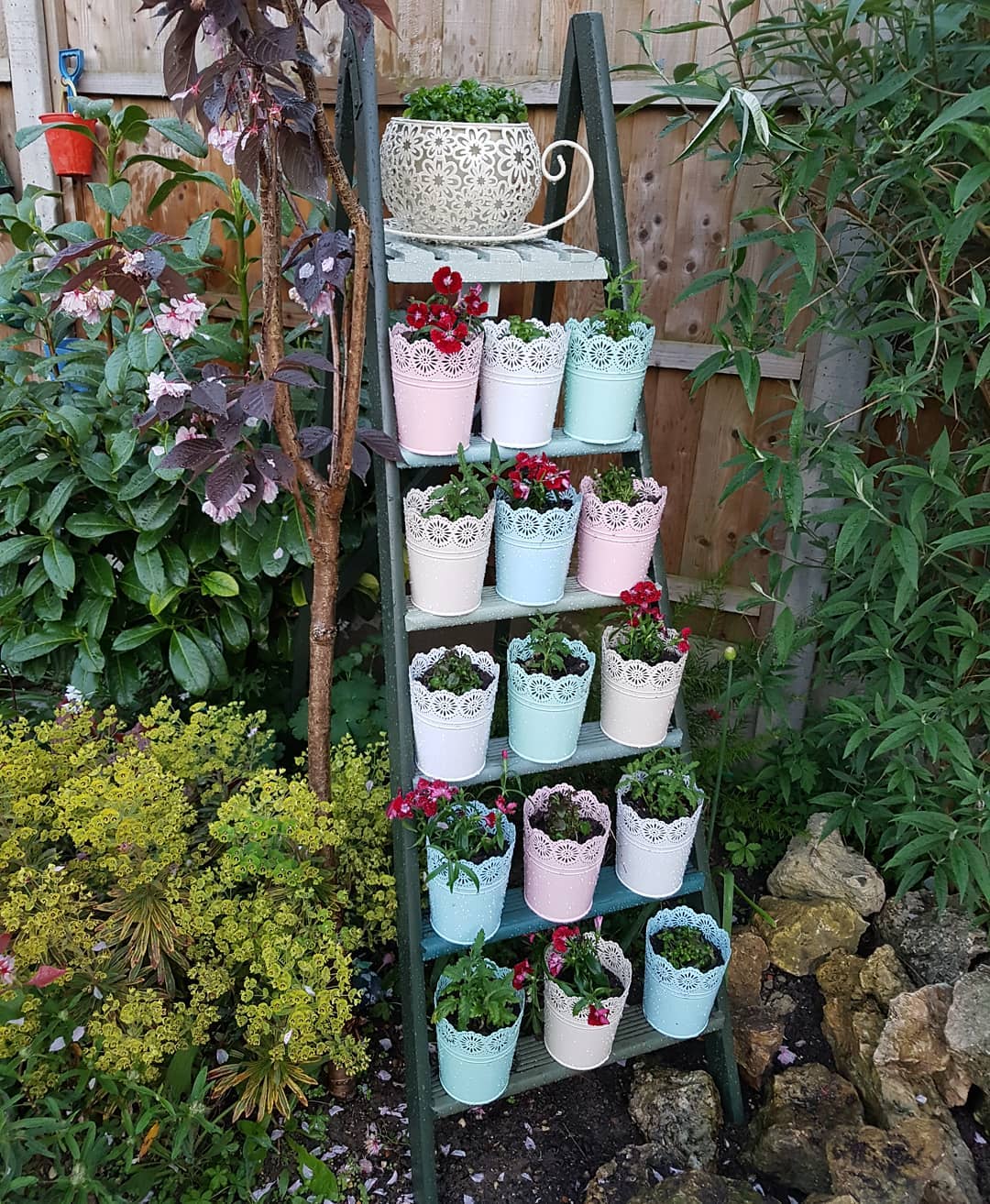
Credit: www.extraspace.com
Incorporating Edibles And Herbs
Designing a garden with edibles and herbs creates a practical and beautiful space. Mix vegetables with herbs for diverse colors and scents. Choose easy-to-grow plants like basil and tomatoes for a flourishing garden.
Incorporating edibles and herbs into your garden adds flavor and beauty. Fresh herbs and vegetables can transform any meal. They also offer delightful aromas and vibrant colors. Designing a garden with these in mind can be rewarding and satisfying.Selecting Edible Plants
Choosing the right plants is crucial for success. Think about what you and your family enjoy eating. Consider the climate and soil conditions. Some plants need more sunlight, while others thrive in shade. Begin with easy-to-grow options like tomatoes, lettuce, and peppers. These plants often provide a good yield.Designing Herb Gardens
Herbs are a wonderful addition to any garden. They are usually low-maintenance and versatile. You can plant them in pots or directly in the soil. Choose a sunny spot for herbs like basil and rosemary. For shade-loving herbs, try mint or parsley. Arrange herbs by height for a visually pleasing garden.Companion Planting Strategies
Companion planting helps plants thrive together. Some plants benefit when grown next to each other. For example, tomatoes and basil grow well together. They can improve each other’s flavor. Avoid planting some plants together. For instance, cabbage and strawberries do not mix well. Research plant pairings for best results.Utilizing Vertical Spaces
Maximize garden space by using vertical areas for plants. Install wall-mounted planters or trellises for climbing vines. Hang pots or use shelves to create a lush, layered look.
Utilizing vertical spaces in garden design adds dimension and creativity. These spaces offer new opportunities for growing plants, especially in smaller areas. Vertical gardening can transform a plain wall into a lush green area. It also maximizes limited space effectively.Designing Green Walls
Green walls, or living walls, are perfect for adding greenery. They are made by attaching plants to vertical structures. Choose plants that thrive in your climate. Many use succulents or ferns for their adaptability. Green walls can be built indoors or outdoors. They provide insulation and improve air quality.Vertical Planters And Trellises
Vertical planters are ideal for small gardens. They allow plants to grow upwards, saving ground space. You can find them in various materials like wood or metal. Trellises support climbing plants such as vines or tomatoes. They add height and visual interest to your garden.Maximizing Small Spaces
Small spaces benefit greatly from vertical gardening. It optimizes every inch of available area. Use shelves or hanging pots to expand planting options. This approach is perfect for urban gardens or balconies. It creates a lush environment without needing much ground space. Vertical gardening turns limited areas into plant havens.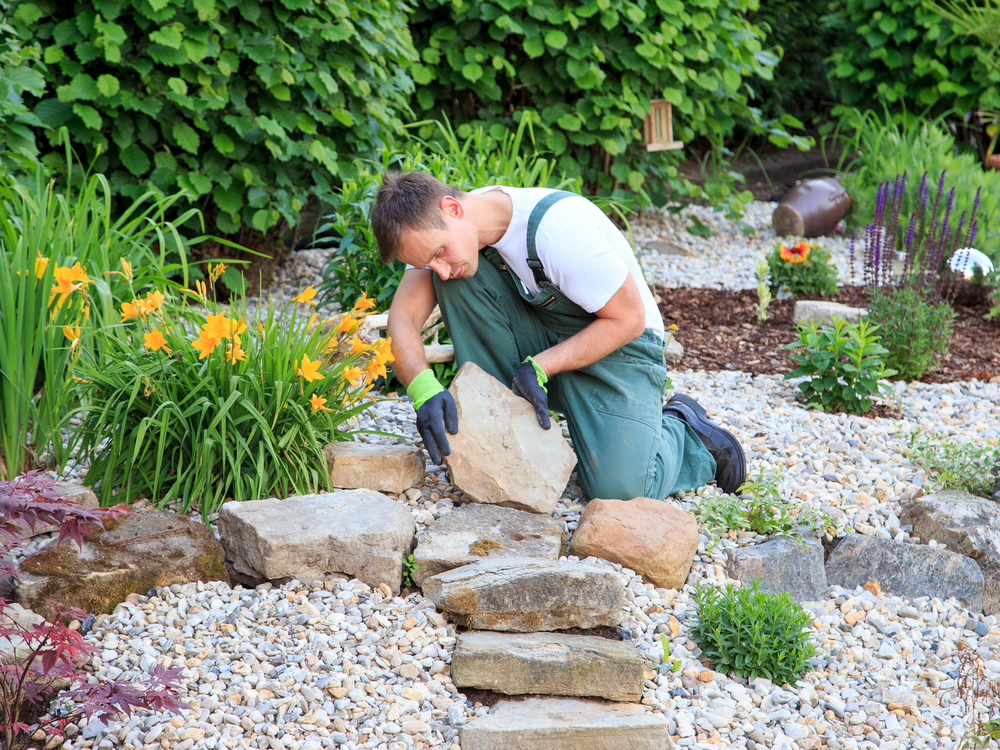
Credit: www.extraspace.com
Frequently Asked Questions
What Tools Are Needed For Garden Design?
To design your garden, you’ll need basic tools like a shovel, rake, and gloves. Consider using design software for planning. Sketching tools can help visualize your ideas. Don’t forget measuring tapes and markers for accuracy. Proper tools ensure efficiency and precision in your garden design.
How Do I Choose Plants For My Garden?
Choose plants based on your climate, soil type, and sunlight availability. Consider their growth habits and maintenance needs. Pick a variety that complements your garden style. Native plants often thrive better and require less care. Research and plan to create a balanced and sustainable garden.
What Are The Steps To Design A Garden Layout?
Start by assessing your space and setting goals. Sketch a rough layout, considering paths and focal points. Choose plants and materials that fit your vision. Plan for irrigation and drainage. Adjust your layout as needed for functionality and aesthetics. A well-thought-out layout enhances your garden’s appeal.
How Can I Make My Garden Eco-friendly?
Use native plants that require minimal water and care. Implement composting to enrich soil naturally. Choose organic fertilizers and pest control methods. Incorporate rainwater harvesting systems. Design with biodiversity in mind to support local wildlife. Eco-friendly gardens are sustainable and beneficial for the environment.
Conclusion
Creating your own garden brings joy and peace. Start with a clear plan. Choose plants that fit your climate. Add paths or seating areas for relaxation. Use colors to create a lively atmosphere. Regular care keeps your garden thriving. Enjoy watching your plants grow.
Invite friends to share your beautiful space. Gardening is a rewarding hobby. It connects you with nature. Your garden can become a peaceful retreat. Feel proud of your work. Remember, every garden is unique. Make it your own special place.
Happy gardening!







