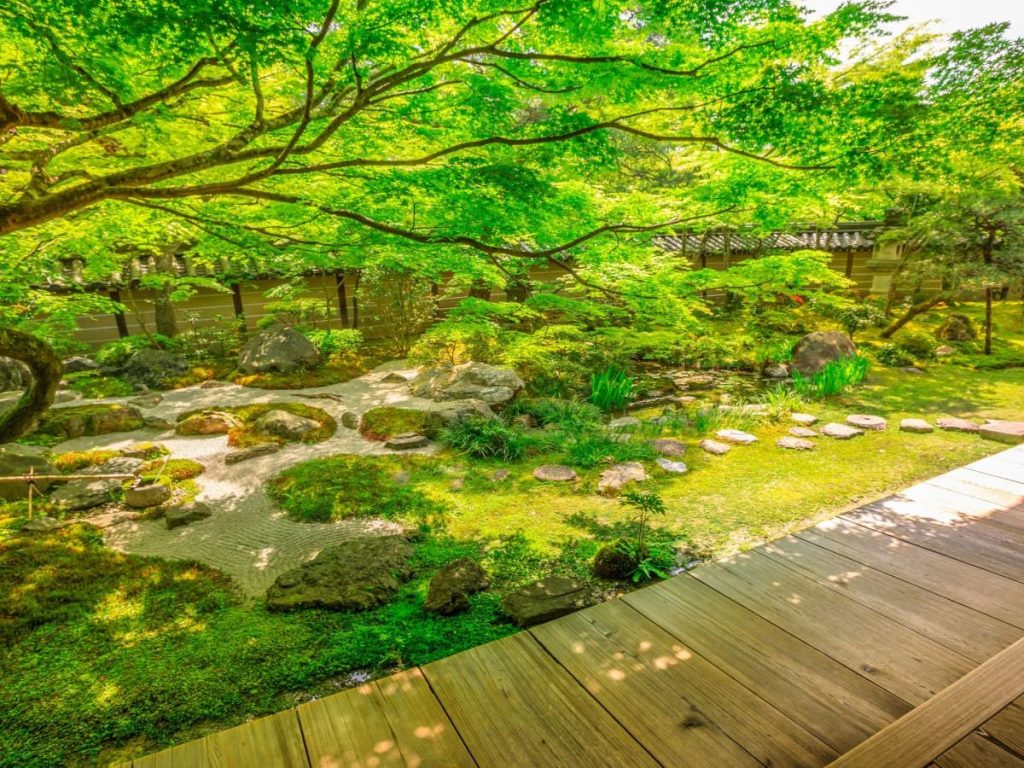
Do you dream of a serene escape right in your backyard? Imagine stepping into a space that instantly brings calmness, beauty, and peace to your life.
Designing a Japanese garden can be your pathway to creating such a tranquil haven. These gardens are not just about plants and stones; they are an art form that balances nature and design, offering a timeless retreat from the hustle of everyday life.
But how do you design one that truly captures this essence? Let’s explore the essentials that will transform your space into an enchanting Japanese oasis. Whether you have a sprawling yard or a compact area, this guide will show you how to infuse harmony and grace into your garden, making it a sanctuary you’ll love to visit every day. Are you ready to bring a piece of Japan into your home?
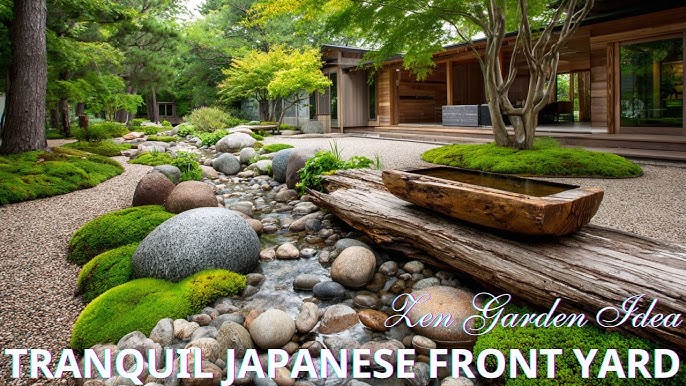
Credit: www.youtube.com
Japanese Garden Principles
Designing a Japanese garden involves embracing simplicity and balance. Focus on natural elements like rocks, water, and plants. Arrange these elements thoughtfully to evoke tranquility and harmony.
Creating a Japanese garden is about embracing a philosophy that values harmony and tranquility. Japanese gardens are not just about aesthetic beauty; they reflect a deep connection with nature. The principles guiding their design are rooted in simplicity, balance, and the mindful arrangement of elements. As you embark on designing your own Japanese garden, understanding these principles is essential to capturing its serene essence.Understanding Simplicity
Simplicity is at the heart of Japanese garden design. It’s about finding beauty in minimalism. A garden should feel open and uncluttered, allowing each element to stand out. You don’t need many objects to make a space beautiful; sometimes less really is more. Consider how each piece interacts with the others, creating a cohesive and peaceful environment.Embracing Naturalness
A Japanese garden should reflect the natural world. This means using materials that feel organic and arranging them in a way that mimics nature. Rocks should seem like they’ve always been there. Plants should be chosen for their ability to thrive naturally in the space. Imagine how the garden will change through the seasons, and select plants that offer year-round interest.Creating Balance
Balance is crucial in Japanese gardens. It’s not just about symmetry but a harmonious arrangement of elements. Think about how each part of the garden can balance the others. If you have a large stone, it might be balanced by a cluster of smaller plants. This subtle equilibrium creates a sense of peace and stability.Using Water Features
Water is a common element in Japanese gardens, symbolizing renewal and calm. Whether it’s a small pond or a simple fountain, the sound and sight of water can enhance the tranquil atmosphere. Consider how the water interacts with other elements—does it reflect the sky, or perhaps a beautiful tree? Water features should feel like a natural part of the garden, not an add-on.Incorporating Pathways
Pathways guide visitors through the garden, inviting exploration and contemplation. They should be subtle yet inviting, leading you to different focal points. Think about the materials used—stone paths can feel sturdy and enduring, while gravel paths offer a softer, more rustic feel. The journey through the garden is as important as the destination. Do you find yourself drawn to the calm and simplicity of a Japanese garden? Understanding these principles can help you create a space that not only looks beautiful but feels like a sanctuary. As you design, let each decision reflect the harmony and balance that are central to Japanese garden philosophy.Choosing The Right Location
Selecting an ideal spot is crucial for a Japanese garden. Ensure it has ample sunlight and is sheltered from strong winds. This setting helps plants and features thrive while creating a serene atmosphere.
Designing a Japanese garden is a journey of creating a serene and harmonious space that echoes nature’s tranquility. One of the most critical aspects of this design process is choosing the right location. The location you select will significantly influence the garden’s ambiance, functionality, and overall aesthetic.Consider The Natural Surroundings
Look around your property. The best location for a Japanese garden often complements the natural landscape. Does your yard have a slope? That could be perfect for a cascading water feature. Is there a quiet corner already shaded by trees? This could serve as an ideal spot for a Zen meditation area.Think About Accessibility
Your garden should be easily accessible, encouraging you to spend time in it. You might want to place it where you can view it from your living room or kitchen. This way, even when you’re indoors, you can enjoy the calming scenery.Evaluate Sunlight And Shade
Observe how sunlight moves across your potential garden area throughout the day. Japanese gardens often use plants that thrive in partial shade. Ensure there’s a balance between sun and shade, which will help in choosing the right plants and features like stone lanterns or bamboo.Assess Drainage And Soil Quality
Good drainage is essential to prevent waterlogging, which can damage plants and features. Test the soil quality; if it’s too sandy or clay-heavy, you might need to amend it for better plant growth. Proper drainage and healthy soil lay the foundation for a flourishing garden.Plan For Privacy
A Japanese garden should be a private retreat. Think about how you can create privacy if your garden is visible to neighbors or from the street. Using bamboo fencing or tall shrubs can create a peaceful enclave where you feel secluded.Align With Your Intentions
What do you want to achieve with your garden? Is it a place for reflection, hosting tea ceremonies, or simply enjoying nature? Your intentions will guide the layout and features you include, ensuring the garden serves your desired purpose. Choosing the right location is more than just picking a spot. It’s about harmonizing your garden with your lifestyle and surroundings. Have you found the perfect spot yet?Essential Elements
Essential Elements Create harmony by blending rocks, water features, and plants. Choose simple pathways and add traditional lanterns. Include a Zen area for meditation.
Designing a Japanese garden requires understanding its essential elements. These elements create harmony and reflect nature’s beauty. They combine to form a tranquil space, invoking peace and contemplation.Water Features
Water symbolizes life and calmness. A pond or stream can create soothing sounds. Koi fish add color and movement to the water. A bamboo fountain offers gentle splashes that enhance serenity.Stone And Gravel
Stones represent strength and stability. Gravel paths guide visitors through the garden. Large rocks can symbolize mountains. Arrange them thoughtfully for balance and aesthetics.Plant Selection
Plants must reflect seasonal changes. Cherry blossoms and maples offer vibrant colors. Evergreens provide year-round greenery. Moss adds softness and texture to stone surfaces.Structures And Ornaments
Structures should blend with nature. Wooden bridges and gates add elegance. Lanterns illuminate paths and create ambiance. A tea house provides a quiet retreat for meditation. These elements together create a garden that embodies tranquility.Creating Harmony And Balance
Designing a Japanese garden involves creating harmony with nature. Use rocks, water, and plants to form balance. Focus on simplicity and tranquility to enhance the serene atmosphere.
Creating Harmony and Balance in a Japanese garden is an art form that requires a thoughtful approach. The key is to blend nature with design to create a serene and peaceful environment. This process can be both therapeutic and rewarding, as it allows you to engage with nature on a deeper level.Understanding Yin And Yang
Yin and Yang are fundamental concepts in Japanese garden design. They represent the balance between opposites, such as light and dark or soft and hard elements. Consider how these forces can be reflected in your garden. Use stones and water to create contrasts and harmony. Is there a way to balance the lush greenery with the starkness of rock formations?Choosing Plants Wisely
The choice of plants is crucial in maintaining harmony. Look for plants that complement each other in color, texture, and height. Opt for evergreens like pine or bamboo for structure and seasonal flowers like cherry blossoms for color. How do these choices influence the garden’s atmosphere throughout the year?Placement Of Water Features
Water features add tranquility and movement to a garden. A small pond or a gently flowing stream can be a focal point. Ensure water elements are placed to enhance the overall balance. Could a pond be placed to reflect the surrounding trees and sky, creating a mirror-like effect?Incorporating Stone Elements
Stones are symbolic in Japanese gardens, representing permanence and strength. Use them to create pathways or focal points. Arrange stones in groups to mimic natural formations. How can the placement of stones direct the flow of energy within your garden?Utilizing Space Effectively
Space is an important consideration in creating balance. Avoid overcrowding; instead, use open spaces to provide a sense of calm and expansiveness. Think about how each element interacts within the space. Are there areas in your garden that feel cluttered and detract from the sense of peace?Creating A Sense Of Enclosure
Japanese gardens often include elements that create a sense of enclosure, such as fences or hedges. These define the space and contribute to the garden’s tranquility. Consider how enclosures can be used to frame views or create intimate spaces. What feelings are evoked when stepping into a secluded area of your garden? Creating harmony and balance in a Japanese garden is a journey of reflection and creativity. Each choice you make shapes the atmosphere, encouraging peace and contemplation. As you design your garden, ask yourself: does each element contribute to a harmonious whole?Incorporating Zen Philosophy
Designing a Japanese garden involves embracing Zen principles to create a harmonious space. Focus on simplicity and balance, using elements like rocks, water, and plants to inspire tranquility. Incorporate paths and seating areas for reflection and meditation, fostering a peaceful environment.
Incorporating Zen philosophy into your Japanese garden design is not just about aesthetics; it’s about creating a space that fosters mindfulness and tranquility. A Zen garden, often called a “karesansui,” invites you to explore the concept of simplicity and peacefulness. The subtle beauty of a Zen garden lies in its ability to transform a mere outdoor space into a sanctuary for reflection and meditation.Understanding The Principles Of Zen
Zen philosophy emphasizes simplicity, tranquility, and harmony. When designing your garden, think about how each element contributes to a sense of calm. Consider the balance between open space and natural elements. This balance can help create a tranquil environment that encourages meditation and introspection.Selecting Natural Elements
Choose elements like rocks, sand, and water to mimic natural landscapes. Rocks can symbolize mountains or islands, while sand or gravel can represent water. Arrange these elements thoughtfully to create a natural flow, allowing your mind to wander peacefully as you observe their placement.Creating Pathways And Borders
Pathways guide you through the garden, offering a journey of discovery. Use stepping stones or gravel paths to lead the way. Borders made from bamboo or low hedges can define spaces while maintaining an open feel. Each step should be intentional, inviting you to slow down and appreciate the present moment.Embracing Minimalism
Less is more when designing a Zen garden. Focus on simplicity by reducing clutter and unnecessary details. Select a few key features that resonate with you and let them shine. This approach not only enhances the garden’s beauty but also encourages a clear and focused mind.Incorporating Water Features
Consider adding a small water feature for a sense of tranquility. The gentle sound of water can soothe the mind and enhance the garden’s peaceful atmosphere. Whether it’s a simple bamboo water spout or a small pond, water features can bring a sense of balance and serenity to your space.Choosing Plants For Tranquility
Opt for plants that evoke calmness and simplicity. Moss, ferns, and small shrubs are excellent choices. These plants require minimal maintenance and blend seamlessly into the landscape. Their subtle presence can enhance the overall sense of peace and balance in your garden.Reflecting On Personal Experiences
Think about moments in nature that have brought you peace. Use these memories to inspire your garden design. Perhaps a quiet walk in the woods or a serene beach sunset has left an impression on you. Incorporate elements that remind you of these experiences, allowing your garden to become a personal retreat. Crafting a Zen garden is a deeply personal journey. How will you create a space that reflects your inner peace?
Credit: www.youtube.com
Seasonal Considerations
Consider the changing seasons to design a Japanese garden. Select plants that bloom at different times. Create year-round beauty and interest with seasonal elements like colorful leaves or winter textures.
Seasonal considerations are vital when designing a Japanese garden. The essence of a Japanese garden lies in its ability to reflect the natural cycle of life. Each season brings unique changes that can transform the garden’s appearance and mood.Understanding Seasonal Changes
Japan’s distinct seasons offer a diverse palette of colors and textures. Spring brings cherry blossoms, while summer is lush with greenery. Autumn adds vibrant reds and oranges, and winter offers serene, snow-covered landscapes. Plan your garden to highlight these natural shifts. Imagine strolling through your garden, witnessing each season’s unique beauty. Isn’t it magical to have a garden that changes its outfit four times a year?Choosing Seasonal Plants
Select plants that showcase the best of each season. In spring, cherry and plum blossoms create a breathtaking scene. Summer could feature azaleas and irises, providing vivid colors. Autumn might include maples and ginkgos, while winter can be enhanced with evergreens and camellias. A well-chosen plant palette ensures your garden remains captivating year-round. Consider how the plants will interact visually and spatially.Adapting Garden Maintenance
Each season demands different maintenance routines. In spring, focus on pruning and planting. Summer requires regular watering and weeding. Autumn is the time for leaf collection and soil preparation, while winter involves protecting delicate plants from frost. Adjust your maintenance schedule to meet these seasonal demands. This proactive approach keeps your garden thriving and visually appealing throughout the year.Integrating Seasonal Elements
Consider adding features that complement the seasons. A stone lantern could provide a warm glow during winter nights. A small stream or pond can reflect the spring blossoms. Autumn might be enhanced by a wooden bridge, highlighting the rich foliage. Seasonal elements add depth and interest to your garden. They invite you to engage with your garden in new ways as the year progresses. Doesn’t the idea of a garden that transforms with each season inspire you? Designing a Japanese garden with seasonal considerations in mind ensures a dynamic and ever-evolving space. It’s not just about creating a beautiful garden; it’s about crafting a living, breathing entity that interacts with the natural world.Maintaining Your Garden
Designing a Japanese garden involves simplicity, balance, and harmony with nature. Incorporate elements like rocks, water features, and native plants to create a serene atmosphere. Focus on minimalist design, using clean lines and subtle colors to reflect tranquility and elegance.
Maintaining your Japanese garden is both an art and a discipline. The tranquil beauty you create requires thoughtful care to keep it thriving and harmonious. Imagine the sense of peace as you tend to each element, ensuring your garden remains a serene escape.Regular Pruning And Trimming
Regular pruning is crucial to maintaining the aesthetic of your Japanese garden. Trim shrubs and trees to preserve their shape and encourage healthy growth. Pay close attention to the natural curves and lines, as they contribute to the overall harmony.Watering Techniques
Proper watering techniques are essential in keeping your plants healthy. Water deeply but less frequently to encourage deep root growth. Consider using a watering can to gently hydrate delicate plants without disturbing the soil.Weed Control
Weeds can disrupt the tranquility and balance of your garden. Regularly check for weeds and remove them promptly. Mulch can be a helpful ally, suppressing weeds while maintaining soil moisture.Soil Health
Healthy soil is the foundation of any thriving garden. Test your soil annually to understand its nutrient needs. Add organic matter like compost to enrich the soil, ensuring your plants have the nourishment they need.Seasonal Adjustments
Each season brings changes that require attention in your garden. In spring, focus on planting and mulching. During autumn, prepare for winter by protecting delicate plants and adjusting watering schedules.Pest Management
Pests can be a challenge, but they can be managed with care. Use natural pest control methods like introducing beneficial insects. Regularly inspect plants for signs of pests and address issues promptly.Personal Reflection
Maintaining your garden can be a meditative practice. Embrace the moments of quiet as you tend to each detail. How does the act of caring for your garden reflect on your own journey towards balance and peace?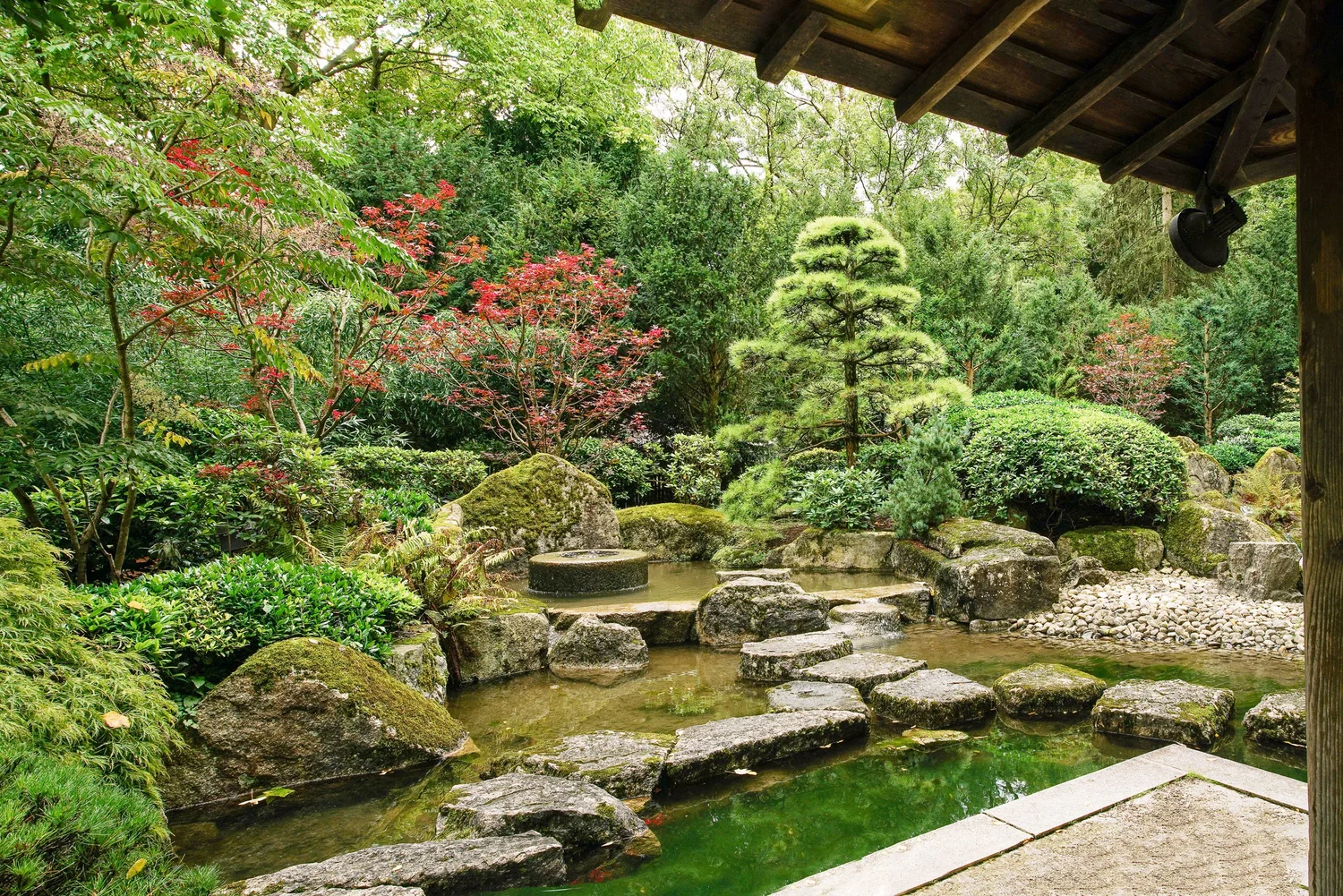
Credit: thegrassgirl.com
Common Mistakes To Avoid
Ignoring balance can ruin the serene feel of a Japanese garden. Avoid clutter to maintain simplicity and elegance. Keep diverse plant heights and textures in mind to ensure a harmonious design.
Designing a Japanese garden can be a rewarding experience. It requires attention to detail and respect for tradition. Yet, many beginners make common mistakes. These errors can impact the garden’s harmony and beauty. Understanding these pitfalls helps create a serene and authentic space.Improper Use Of Space
Japanese gardens thrive on simplicity and balance. Overcrowding with too many elements disrupts harmony. Each feature should have room to breathe. Carefully plan spacing for trees, stones, and water features. This ensures a tranquil flow and visual appeal.Ignoring Seasonal Changes
A Japanese garden should change with the seasons. Many people overlook this aspect. Choose plants that offer beauty year-round. Cherry blossoms in spring, fiery maples in fall. This provides a dynamic and engaging garden experience.Using Inappropriate Plants
Select plants native to Japan or similar climates. Avoid tropical or exotic species. These can clash with the traditional look. Research suitable plants like azaleas, moss, and bamboo. This maintains the garden’s authentic character.Neglecting Maintenance
A Japanese garden requires regular care. Neglect leads to overgrown plants and unkempt spaces. Regular pruning and cleaning maintain its pristine look. Commit time to keep everything in perfect order.Forgetting The Importance Of Water
Water symbolizes serenity and movement in Japanese gardens. Many forget to incorporate it effectively. Use ponds, streams, or simple basins. Ensure water features blend naturally with other elements.Disregarding Path Design
Paths guide visitors and create a journey through the garden. Improper path design can confuse or disrupt flow. Use materials like gravel or stepping stones. Ensure paths are clear and complement the garden’s layout.Frequently Asked Questions
What Are Key Elements Of A Japanese Garden?
A Japanese garden incorporates elements like water, rocks, plants, and ornaments. These elements create harmony and balance. Water symbolizes renewal, while rocks provide structure. Plants, like bonsai and bamboo, add authenticity. Ornaments, such as lanterns, enhance the aesthetic.
How Do I Choose Plants For My Garden?
Select plants that thrive in your climate and suit the garden’s theme. Japanese maples, azaleas, and mosses are popular choices. Consider seasonal changes for year-round beauty. Choose plants with varying textures and colors to maintain interest.
What Is The Role Of Water In Japanese Gardens?
Water is a vital element symbolizing tranquility and life. It can be in the form of ponds, streams, or waterfalls. The sound of flowing water enhances the serene atmosphere. It also reflects the natural surroundings, adding depth and beauty.
How Do Rocks Contribute To Japanese Garden Design?
Rocks provide structure and symbolize strength and endurance. They represent mountains and islands in the garden’s landscape. Use rocks of different sizes for a natural look. Arrange them thoughtfully to create focal points and pathways.
Conclusion
Creating a Japanese garden offers peace and beauty. Each element has significance. Rocks symbolize permanence, while water represents life. Plants bring color and seasons to the space. Paths guide the journey through tranquility. Balance and harmony are key in design.
Simplicity enhances the garden’s calm nature. Remember to consider scale and proportion. Small changes can make a big impact. Japanese gardens provide a serene escape from daily life. Embrace the art of mindful gardening. Enjoy the meditative journey of design.