When it comes to gardening, planting seeds at the right depth is crucial. You’ve probably wondered if you’re doing it correctly.
Getting it wrong can lead to weak plants or no growth at all. But don’t worry—you’re not alone. Many gardeners face this challenge. Imagine turning your garden into a thriving oasis with lush plants. By knowing how deep to plant your seeds, you can achieve this transformation.
This article will guide you through simple steps that will make a big difference. You’ll learn expert tips that are easy to follow, ensuring your garden flourishes. Ready to unlock the secrets to successful planting? Keep reading to discover how you can master the art of seed planting and create the garden of your dreams.
Importance Of Planting Depth
Planting depth affects seed germination and growth. It is crucial for healthy plants. If seeds are too deep, they may not sprout. If too shallow, they can dry out or blow away.
Each plant species has its ideal depth. This ensures the seeds get enough moisture and warmth. By understanding this, gardeners can improve their success rate.
Understanding Seed Size And Depth
Seed size often determines planting depth. Larger seeds usually go deeper. Smaller seeds need a shallow planting. This allows them to access light and moisture.
For example, beans are larger and need more depth. Lettuce seeds are tiny and should be near the surface.
Soil Type And Its Impact
Soil type influences planting depth. Sandy soils drain quickly and may need deeper planting. Clay soils retain water, so shallow planting is better. Adjust depth based on soil type for best results.
Weather Conditions And Adjustments
Weather plays a role in planting depth. In cooler climates, plant seeds slightly deeper. This protects them from cold air. In warmer regions, shallow planting helps prevent overheating.
Tools To Measure Planting Depth
Using tools helps ensure correct depth. A small ruler or stick can guide you. Mark the desired depth on the tool. This helps achieve consistency in planting.
Common Mistakes And How To Avoid Them
Avoid common mistakes by knowing your seeds. Don’t plant all seeds the same depth. Research individual seed needs. This prevents weak growth and poor yields.
Factors Influencing Depth
Soil type, seed size, and climate are key factors in deciding seed planting depth. Larger seeds generally need deeper planting, while smaller seeds thrive closer to the surface. Understanding these factors ensures successful germination and healthy plant growth.
Planting seeds at the correct depth is crucial for successful germination and growth. The depth at which you plant seeds can significantly influence how well they sprout and thrive. Several factors affect this, including seed size, soil composition, and climate conditions. Understanding these elements can make the difference between a flourishing garden and a disappointing yield. Let’s dive into these factors to ensure you plant your seeds at just the right depth.Seed Size And Type
Seed size is one of the most straightforward indicators of how deep to plant. Larger seeds, like beans and peas, generally need to be planted deeper because they have more energy to push through the soil. Smaller seeds, such as lettuce or carrots, should be planted closer to the surface. Consider the seed packet instructions as a starting point. They’re tailored for each seed type and provide a reliable planting depth. Have you ever noticed how some seeds come with specific instructions? It’s not just for show; it’s based on what works best for that particular seed.Soil Composition
The type of soil in your garden plays a significant role in determining seed depth. Sandy soils are lighter and allow seeds to be planted deeper, as they can easily break through the surface. In contrast, clay-heavy soils may require shallower planting because they’re denser and harder to penetrate. If your soil is compacted, consider amending it with organic matter to improve its texture. This can make it easier for seedlings to emerge and establish roots. Think of your soil as a partner in your gardening journey; the better it is, the better your plants will grow.Climate And Weather Conditions
Climate and weather can also dictate planting depth. In warmer climates, seeds may need to be planted deeper to protect them from the intense sun and heat. Conversely, in cooler climates, shallower planting helps seeds take advantage of the sun’s warmth more quickly. Be mindful of rain patterns as well. In areas prone to heavy rainfall, deeper planting can prevent seeds from washing away. Have you ever planted seeds only to find them scattered after a storm? Adjusting your planting depth according to the weather can help avoid this issue. By understanding these factors, you can make informed decisions that enhance your garden’s success. Are you ready to dig in and start planting with confidence?General Guidelines For Common Seeds
Plant seeds two to three times deeper than their size for optimal growth. This general rule ensures proper soil coverage and germination. Larger seeds need more depth, while smaller seeds require less.
Planting seeds in your garden is like setting the stage for a flourishing performance. The depth at which you plant seeds can significantly affect their growth. It’s essential to follow guidelines tailored to the type of seeds you’re planting. Whether you’re nurturing vegetables, flowers, or herbs, understanding the right planting depth is crucial for healthy development. Are you ready to give your seeds the best start?Vegetables
Vegetable seeds often require precise planting depths to ensure optimal growth. Generally, larger seeds like peas and beans should be planted about 1 inch deep. Smaller seeds such as lettuce or carrots need to be closer to the surface, about a quarter-inch deep. Do you remember the first time you planted tomatoes? That excitement of watching them sprout stems from planting the seeds just right, about half an inch deep. If you plant too deep, they may struggle to break through the soil. Too shallow, and they risk drying out.Flowers
When planting flower seeds, variety is abundant, and so are the guidelines. Typically, small seeds like petunias and poppies should barely be covered with soil, often no more than an eighth of an inch deep. Larger flower seeds such as sunflowers need a bit more room, around 1 inch deep. Imagine your garden bursting with color, all because you mastered the art of planting depths. If you’re unsure, a good rule of thumb is to plant seeds at a depth two to three times their diameter. Would you like your garden to radiate with vibrant blooms?Herbs
Herbs are a delightful addition to any garden, offering both beauty and flavor. Basil, for instance, should be planted about a quarter-inch deep, while cilantro can thrive at half an inch. Mint, with its larger seeds, prefers a depth of about 1 inch. Consider the satisfaction of plucking fresh herbs for your meals. By ensuring the correct planting depth, you maximize their potential. Have you thought about how much more flavorful your dishes could be with herbs grown from your garden? Using these guidelines, you can cultivate a garden that is not only productive but also a joy to behold. Dive into the world of gardening with confidence, knowing that the right depth can make all the difference. What’s your next planting project going to be?Tools For Measuring Planting Depth
Determining the right seed planting depth is crucial for healthy growth. Tools like rulers or planting guides help ensure seeds are placed at the correct depth, promoting strong root development and successful germination. Proper depth varies by seed type, so consult instructions for each plant variety.
Planting seeds at the right depth is crucial for a healthy garden. Using the proper tools can ensure precise planting, leading to better growth. Tools for measuring depth help avoid common planting mistakes. This guide explores tools that make planting easier and more accurate.Ruler Or Tape Measure
A simple ruler can measure planting depth accurately. Tape measures are flexible, making them ideal for uneven ground. Both tools are easy to use and readily available.Planting Dibbler
A dibbler makes holes to a specific depth. It is especially useful for small seeds. Marked dibblers show exact planting depths for convenience.Garden Trowel
Trowels come with depth markers on the blade. These markers help gauge how deep to plant seeds. They are great for larger seeds and bulbs.Seed Depth Guide
Charts or guides list recommended depths for different seeds. They are helpful for gardeners planting various seed types. Keep one handy for reference.Wooden Dowels
Dowels can be customized with depth markings. They are simple and inexpensive. Use them to plant seeds evenly across the garden. Using the right tools simplifies the planting process. It ensures seeds are planted correctly, promoting healthy growth.Adjusting Depth For Different Seasons
Plant seeds at varying depths to match seasonal conditions. Cooler months require deeper planting for insulation. In warmer seasons, shallow planting encourages quicker germination. Adjusting depth ensures optimal growth year-round.
Adjusting the depth of seed planting is crucial for a successful garden. Seasons play a significant role in determining how deep to plant seeds. Each season brings unique soil conditions and temperature changes. Understanding these factors helps in adjusting planting depth effectively.Spring Planting Considerations
Spring soils are often cold and wet. Shallow planting is essential to prevent seed rot. A depth of 1 to 2 inches is usually sufficient. This allows seeds to access warmth and moisture quickly.Summer Planting Adjustments
Summer soils are warmer and drier. Seeds can be planted slightly deeper. A depth of 2 to 3 inches helps retain moisture. This is vital for successful germination and growth.Fall Planting Techniques
Fall planting requires careful attention to soil conditions. Soil is cooler, so a moderate depth is best. Planting seeds 1 to 2 inches deep is recommended. This helps protect seeds from early frost.Winter Sowing Strategies
Winter sowing involves planting in containers. Seeds should be planted at a depth of 1 inch. Containers protect seeds from harsh weather. This method prepares seeds for early spring growth.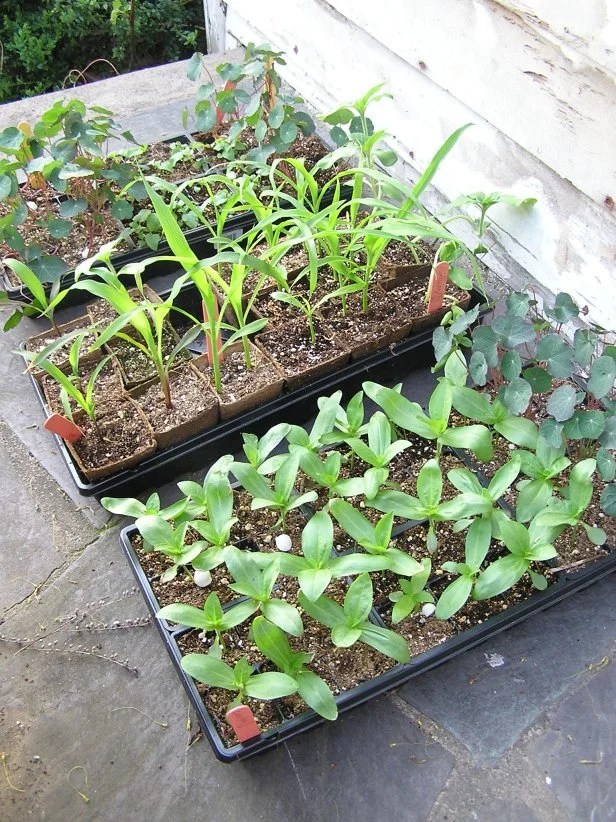
Credit: www.hgtv.com
Consequences Of Incorrect Depth
Planting seeds too deep can lead to poor growth or no germination. Too shallow planting exposes seeds to pests and weather. Adjust planting depth for each seed type to ensure healthy plants.
Planting seeds at the right depth is crucial for their growth and development. The depth at which you plant can significantly impact the seed’s ability to germinate and thrive. Plant them too deep or too shallow, and you might face issues that hinder your gardening success. Let’s explore what happens when you don’t get the planting depth just right.Too Deep
Planting seeds too deep can suffocate them. They may struggle to reach the surface due to a lack of sunlight and oxygen. Imagine trying to push through layers of heavy blankets—it’s exhausting! Seeds planted too deep are also at a higher risk of rotting. Moisture can accumulate and drown the seed before it even has a chance to sprout. Consider how frustrating it would be to wait eagerly, only to find that nothing emerges. Have you ever wondered why some seeds never germinate? The culprit might be the planting depth. If you consistently notice poor germination, it’s worth checking if your seeds are buried too deep.Too Shallow
On the flip side, planting seeds too shallow can expose them to harsh weather. Seeds may dry out faster and struggle to maintain the moisture necessary for germination. This can be especially problematic in hot, sunny climates. Shallow planting also leaves seeds vulnerable to being washed away by rain or blown away by the wind. Have you ever noticed missing seeds after a storm? The depth might be the reason. Additionally, shallow planting can lead to weak root systems. Without enough soil to anchor them, plants may become unstable and prone to tipping over. Ensuring the right depth can help your plants stand tall and strong. In gardening, small adjustments can make a big difference. By paying attention to how deep you plant your seeds, you can avoid these pitfalls and enjoy a more successful garden. What will you change in your planting approach next season?Expert Tips For Successful Planting
Proper seed depth is crucial for healthy growth. Most seeds thrive when planted two to three times their size deep. This ensures adequate moisture and prevents seeds from drying out.
Planting seeds at the right depth is crucial for garden success. It influences germination, growth, and plant health. Follow these expert tips to ensure your seeds thrive.Understand Seed Size
Seed size dictates planting depth. Larger seeds go deeper. Smaller seeds stay near the surface. This helps seeds access the right nutrients and moisture.Read Seed Packets
Seed packets provide vital information. Check them for recommended planting depths. Trust this guidance for best results.Consider Soil Type
Soil type affects planting depth. Sandy soils might need deeper planting. Clay soils may require shallower planting. Adjust accordingly.Maintain Moisture Levels
Moisture is key for seed germination. Plant at a depth where soil stays moist but not waterlogged. This balance encourages healthy growth.Use A Planting Tool
Use tools like a dibber for accurate depth. These ensure consistent planting. Consistency aids in uniform growth.Avoid Planting Too Deep
Deep planting hinders seedling emergence. It can cause weak or delayed growth. Keep an eye on recommended depths.Factor In Environmental Conditions
Temperature and weather affect planting. Warmer conditions may require shallower planting. Cooler climates might need deeper planting. Adjust based on climate.:max_bytes(150000):strip_icc()/planting-wrong-depth-GettyImages-119705362-95c5c58abf564d24a9ba90bc9c9cc4f4.jpg)
Credit: www.realsimple.com

Credit: thelafayettemom.com
Frequently Asked Questions
How Deep Should Seeds Be Planted?
The depth varies by seed size and type. Small seeds need shallow planting, around 1/8 inch. Larger seeds can be planted deeper, about 1 inch. Check seed packet instructions for specifics. Proper depth ensures good germination and growth.
Does Seed Planting Depth Affect Germination?
Yes, incorrect depth affects germination. Planting too deep restricts sprouting. Too shallow may expose seeds to elements. Follow depth guidelines for successful germination. Proper depth aids in moisture retention, essential for seed growth.
Can Planting Depth Vary By Soil Type?
Yes, soil type influences planting depth. Sandy soil requires deeper planting to maintain moisture. Heavy clay needs shallower planting for easier sprouting. Adjust depth based on soil conditions for optimal seed growth.
What Tools Help Measure Planting Depth?
Use a ruler or planting dibber for accurate depth measurement. Some seed packets include depth guides. Consistent depth ensures better germination rates. Proper tools ensure seeds are planted at ideal depth.
Conclusion
Planting seeds at the right depth is crucial for growth. Shallow planting leads to weak roots. Deep planting might prevent sprouting. Different seeds need different depths. Check the seed packet for instructions. Use a ruler for accuracy. Water gently after planting.
Keep the soil moist but not soggy. Watch for sprouting signs in days or weeks. Proper planting boosts healthy garden development. Enjoy nurturing your plants as they grow. Gardening is a rewarding experience. Celebrate each small success. Happy gardening!







