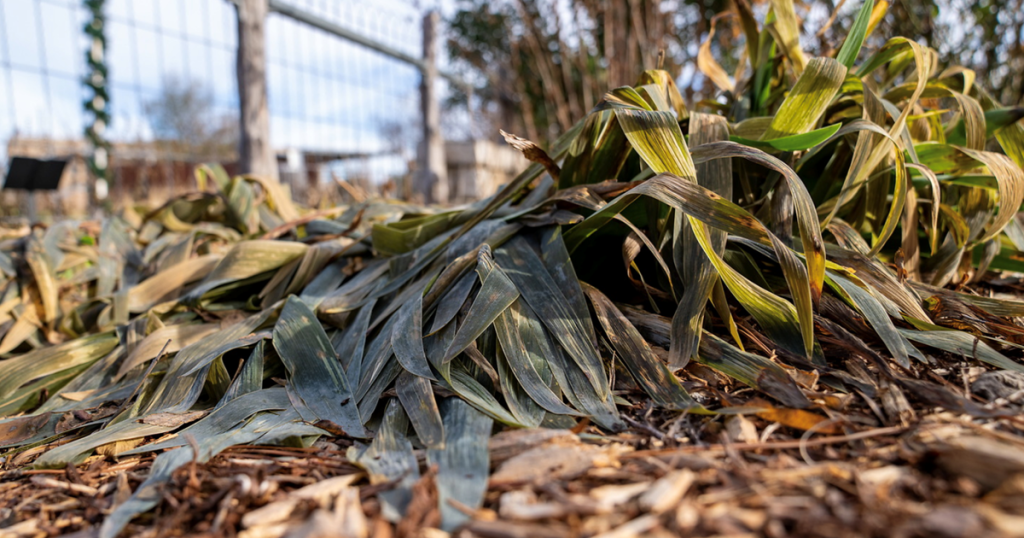
Have you ever wondered why your garden looks less vibrant during the cold months? Cold weather can have surprising effects on plants, and understanding these changes can help you protect your garden.
As winter approaches, you might notice your plants struggling or even dying. But don’t worry—there are simple steps you can take to safeguard your green space. Imagine walking through your garden, seeing every plant thriving despite the chill in the air.
That’s possible if you know how cold weather impacts your plants and what you can do about it. We’ll explore the hidden challenges your garden faces during colder months and share tips to keep your plants healthy and happy. Curious about why some plants survive the winter while others don’t? Or how you can prepare your garden for the frost ahead? Read on to discover essential insights that could transform your garden into a winter wonderland, ensuring your plants continue to bring joy even when the temperature drops.
Impact Of Cold Weather On Plant Physiology
Cold weather brings significant changes to the physiology of garden plants. These changes can impact growth, survival, and overall health. Understanding these effects can help gardeners protect their plants during winter months.
Temperature Stress
Plants experience stress when temperatures drop suddenly. Cold weather can slow down the metabolic processes. This hinders growth and nutrient uptake. Leaves may turn brown or wilt under severe stress. This response is a defense mechanism to conserve energy.
Frost Damage
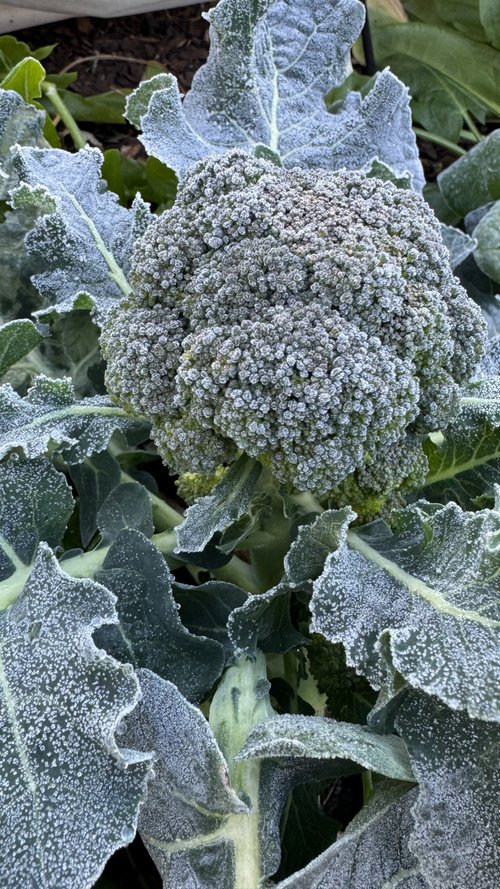
Frost can cause serious harm to plants. Ice crystals form on leaves and stems. These crystals rupture cell walls, leading to tissue damage. Frost damage often results in blackened or mushy leaves. Sensitive plants are the most vulnerable to this kind of damage.
Dormancy Induction
Cold weather can trigger dormancy in plants. This is a natural survival strategy. During dormancy, plants conserve energy by slowing growth. Leaves may drop, and growth halts temporarily. Dormancy protects plants from freezing temperatures.
Credit: www.tennesseekitchengardens.com
Types Of Cold Weather Injuries
Frost, freezing temperatures, and cold winds can damage or kill garden plants. Leaves may wilt or turn brown. Delicate roots can freeze, preventing water uptake.
Cold weather can be surprisingly harsh on plants in your garden. As temperatures drop, different types of injuries can occur, each affecting plant health in unique ways. Understanding these injuries can help you protect your plants and ensure they thrive even in the coldest months.Frost Heaving
Frost heaving is a common issue during cold spells. It happens when soil freezes and thaws, causing it to expand and contract. This movement can push plant roots out of the ground, exposing them to freezing temperatures. To prevent frost heaving, apply a layer of mulch around your plants. Mulch acts as an insulator, maintaining a more consistent soil temperature. You might notice that your garden seems more stable and less disturbed when you’ve added this protective layer.Chilling Injury
Chilling injury occurs when plants are exposed to temperatures above freezing but still cold enough to cause damage. It often affects tropical or subtropical plants that aren’t accustomed to cooler climates. You might see signs like wilting, discoloration, or even stunted growth. Covering your plants with a fabric or using a frost cloth can help mitigate chilling injuries. By doing this, you’re essentially creating a small microenvironment that shields them from the chill. Have you noticed your plants looking healthier after taking these precautions?Winter Burn
Winter burn is another frequent cold weather injury, especially for evergreen plants. It results from a combination of cold temperatures and dry winds, which cause the plant to lose moisture faster than it can be absorbed. This leads to browning or scorched-looking leaves. To combat winter burn, ensure your plants are well-watered before the ground freezes. Consider using an anti-desiccant spray to further protect your evergreens. Have you ever thought about how hydration can be just as crucial in winter as in summer? By knowing these types of cold weather injuries, you can take proactive steps to protect your garden. Which of these injuries have you encountered in your garden, and how did you deal with them?Choosing Cold-hardy Plants
Cold weather can damage plants by causing frostbite or freezing. Choosing cold-hardy plants ensures survival through harsh winters. Consider plants adapted to your region’s climate.
Choosing the right cold-hardy plants for your garden can be a game-changer when winter rolls in. Not only do these plants withstand chilly temperatures, but they also add beauty and resilience to your outdoor space. Choosing wisely can save you from the heartache of losing your beloved greens to frostbite. But how do you make the best choice for your garden’s chilly season?Perennials Vs. Annuals
When planning for cold weather, understanding the difference between perennials and annuals is crucial. Perennials are the sturdy warriors of the plant world; they survive the winter and return every year. Think of plants like lavender and coneflowers—they might look frail in winter, but they bounce back stronger with a little care. Annuals, on the other hand, complete their lifecycle in one season. While they offer vibrant colors and variety, they generally can’t withstand cold temperatures. If you’re set on annuals, consider using them as seasonal accents that can be easily replaced.Native Plants
Choosing native plants for your garden is like selecting a team of local champions. These plants are naturally adapted to your region’s climate, making them more resilient to cold weather. Native plants require less maintenance and are often more resistant to pests and diseases. Imagine the ease of letting Mother Nature do the hard work for you. Native plants are the ultimate allies in creating a low-effort, high-reward garden that can survive even the harshest winters.Cold-hardiness Zones
Do you know your garden’s cold-hardiness zone? It’s a critical piece of information that can guide your plant choices. These zones, defined by the USDA, help you understand the average minimum winter temperature in your area. Once you know your zone, you can select plants specifically rated for that climate. For instance, if you live in Zone 5, you’ll want plants that can endure temperatures as low as -20°F. This knowledge can be the difference between a thriving garden and one that struggles to survive. Why not take a moment to explore your cold-hardiness zone and discover the best plants for your garden? With this insight, you’ll be prepared to face winter with confidence and creativity.
Credit: www.hgtv.com
Garden Preparations For Cold Weather
Cold weather can freeze plant roots and damage foliage, leading to stunted growth. Frost can also harm tender leaves, causing them to wilt or die. Proper garden preparations help shield plants from harsh temperatures, ensuring their survival through winter.
Preparing your garden for cold weather is crucial to protect plants. As temperatures drop, plants can suffer from frost and chilling winds. Taking steps to shield them ensures their survival during the cold months. Several techniques can help maintain a healthy garden despite the chilly conditions.Mulching Techniques
Mulching is a simple yet effective way to insulate plant roots. It helps retain moisture and provides warmth. Use organic materials like straw, wood chips, or leaves. Spread mulch evenly around the base of plants. A thick layer, about 2 to 3 inches, works best. Mulching also prevents soil erosion and weed growth.Windbreaks And Barriers
Cold winds can damage plants by stripping away moisture. Creating windbreaks can shield them from harsh gusts. Use fences, hedges, or fabric barriers as protection. Position windbreaks strategically, considering wind direction. This helps reduce wind impact and protects delicate plants.Watering Strategies
Watering is vital for plant health, even in winter. Ensure soil is moist before frost arrives. Moist soil retains heat better than dry soil. Water plants early in the day. This allows time for absorption before temperatures drop. Avoid overwatering, which can lead to root rot. Proper watering helps plants endure cold weather challenges.Protective Measures For Plants
Protecting your garden plants from the harsh bite of cold weather is crucial for their survival and continued growth. The chill can be a formidable opponent, but with the right measures, you can shield your plants effectively. Let’s explore some practical ways to safeguard your green friends during the frosty months.
Row Covers And Cloches
Row covers and cloches act like cozy blankets for your plants, providing them with warmth and protection against the cold. These coverings trap heat from the soil, creating a mini greenhouse effect. You can easily find them in garden stores or make DIY versions using materials like old plastic bottles or sheets.
Imagine the satisfaction of seeing your plants thriving under their protective shields, unfazed by the biting cold. Have you tried using row covers or cloches before? They are an inexpensive way to extend the growing season and keep your plants safe from frost.
Insulating Blankets
Insulating blankets are a lifesaver for delicate plants facing freezing temperatures. These specially designed fabrics are thicker than row covers, providing superior frost protection. They are ideal for covering larger areas or even wrapping around tree trunks.
One winter, I used insulating blankets for my roses, and they emerged in spring as if winter had never happened. Such blankets can be your garden’s best friend when temperatures plummet. Consider adding them to your cold-weather arsenal.
Anti-desiccant Sprays
Anti-desiccant sprays work wonders in preventing water loss from plants during dry, cold spells. They form a protective coating on leaves, reducing moisture evaporation. This is particularly useful for evergreens that continue to transpire during winter.
Have you noticed your evergreens looking dull and dry in the winter? An anti-desiccant spray could make a significant difference. It’s a simple solution that helps keep your plants healthy and vibrant through the cold season.
Are your plants ready to face the winter chill? With these protective measures, you can ensure they remain healthy and robust, no matter how low the temperature drops.
Monitoring Weather Conditions
Cold weather can stress plants, causing wilting or even death. Frost may damage leaves and affect growth. Proper monitoring helps protect your garden from temperature extremes.
Monitoring weather conditions is crucial for a healthy garden. Cold weather impacts plants significantly, and staying informed helps mitigate damage. By keeping a close eye on weather forecasts, you can better protect your plants from the harsh effects of cold weather.Local Weather Reports
Local weather reports offer valuable information about upcoming conditions. Tune in to your local news or check online resources. These reports provide updates on temperature changes and potential frost. Understanding the local climate helps you prepare your garden for cold spells.Frost Alerts
Frost alerts are essential for gardeners. They warn you about sudden temperature drops. Subscribe to weather alert services or apps. These alerts give you time to cover your plants or move them indoors. Protecting plants from frost ensures their survival and growth.Temperature Tracking Tools
Temperature tracking tools are useful for garden care. Install a simple outdoor thermometer in your garden. Some advanced tools offer digital tracking and historical data. This information helps you understand temperature patterns. By monitoring these patterns, you can make informed decisions for plant care.Recovery Strategies For Cold-damaged Plants
Cold weather can harm garden plants by causing frost damage, wilting, or discoloration. Recovery strategies include pruning damaged parts and using mulch to protect roots.
Cold weather can leave your garden looking lifeless and weary. The good news is that many plants can bounce back with the right recovery strategies. If you’ve ever walked through your garden after a frost, you know the disheartening sight of drooping leaves and blackened stems. But don’t lose hope! With a little care and attention, your plants can regain their vigor. Let’s look at some practical steps you can take to nurse your cold-damaged plants back to health.Pruning Dead Material
First things first, it’s crucial to remove any dead or damaged plant parts. This doesn’t just improve the plant’s appearance; it prevents diseases from spreading. Use clean, sharp pruning tools to cut away the dead material. Avoid pruning too soon. Wait until the plant shows signs of new growth in spring. This ensures you’re not cutting away live tissue. Remember, patience is key when dealing with cold damage.Soil And Fertilizer Adjustments
After a cold snap, your soil might need a little boost. Check its condition—if it’s compacted, loosen it with a fork to improve air circulation. This helps the roots breathe and absorb nutrients effectively. Consider adding a balanced, slow-release fertilizer to help your plants recover. Pay attention to the nutrient needs of each plant, as they might vary. Always follow the instructions on the fertilizer package to avoid overfeeding.Gradual Exposure To Sunlight
Cold-damaged plants are often sensitive to sudden changes in light. Gradual exposure to sunlight can help them adjust without stress. Start by placing them in a shaded area and slowly move them to brighter spots over a week or two. Observe how your plants respond to the increased light. If leaves start to scorch, pull back a bit and give them more time to acclimate. This careful adjustment can make all the difference in reviving your garden’s vibrancy.Long-term Garden Planning
Cold weather can halt plant growth by freezing water in their cells, causing damage. It may also lead to nutrient deficiency, impacting the overall health of garden plants. Preparing for colder months ensures plants thrive year-round.
Long-term garden planning is crucial for maintaining a thriving garden, especially when faced with the challenges of cold weather. A strategic plan not only ensures the health and survival of your plants but also maximizes the potential of your garden space. By considering factors such as plant selection, protection measures, and climate adaptation, you can create a resilient garden that flourishes year-round.Seasonal Plant Rotation
Seasonal plant rotation is a smart strategy to keep your garden productive throughout the year. By switching crops according to the seasons, you allow the soil to recover and reduce pest infestations. Rotating plants like leafy greens in winter and root vegetables in summer can lead to a balanced and healthy garden ecosystem. You might find it rewarding to experiment with different plant varieties each season. This not only enhances biodiversity but also helps in discovering which plants thrive best in your climate conditions. Have you considered trying new winter crops like kale or Brussels sprouts?Developing Microclimates
Creating microclimates within your garden can significantly improve plant resilience against cold weather. You can achieve this by using structures like walls, hedges, or even large rocks to block wind and retain heat. These elements provide a warmer environment for your plants, extending the growing season. Planting in raised beds or using cloches can also create favorable conditions for your plants. Do you have a sunny spot near a south-facing wall? It could be an ideal location for developing a microclimate and nurturing more delicate plants during chilly months.Investing In Greenhouses
A greenhouse is a valuable investment for any gardener aiming to protect their plants from harsh weather. It provides a controlled environment where you can grow plants regardless of outside temperatures. Imagine the satisfaction of harvesting fresh tomatoes even in the midst of winter. Choose a greenhouse size that fits your space and gardening goals. You could start with a small, portable greenhouse if you’re new to the concept. As you gain experience, you might decide to upgrade to a larger structure, allowing for a greater variety of plants and extended growing seasons.
Credit: www.hgtv.com
Frequently Asked Questions
How Does Frost Affect Garden Plants?
Frost can damage plant cells, leading to wilting and death. It disrupts water uptake, causing dehydration. Sensitive plants may suffer more, while hardy species are less affected. Protecting plants with covers or mulch can minimize frost damage, ensuring garden health during cold weather.
Can Cold Weather Stunt Plant Growth?
Cold weather slows down plant metabolism, reducing growth rates significantly. It affects nutrient absorption and photosynthesis, leading to stunted growth. Some plants enter dormancy to survive harsh conditions. Choosing cold-resistant plants can help maintain growth in lower temperatures.
What Are Signs Of Cold Damage In Plants?
Signs of cold damage include wilted leaves, blackened stems, and slowed growth. Discoloration or spots on leaves may appear. Some plants might drop leaves or flowers. Regularly checking plants for these symptoms helps prevent further damage and ensures timely intervention.
How Can I Protect Plants From Cold?
To protect plants, use mulch, row covers, or blankets to retain warmth. Watering before cold nights helps insulate roots. Moving potted plants indoors or into sheltered areas can also prevent cold damage. Regular monitoring and quick action maintain plant health through cold spells.
Conclusion
Cold weather poses real challenges for garden plants. Frost can damage leaves. Soil can freeze, affecting roots. Plants might not grow well. Some may not survive. You must take steps to protect them. Consider using mulch or covers. Choose cold-resistant plants.
Check your garden often. Keep an eye on the weather forecast. Understand your plant’s needs. With care, plants can thrive despite cold. Your garden can still be beautiful. Cold weather doesn’t have to mean disaster. With these strategies, your garden stays healthy and vibrant.
Enjoy your green space all year round.







