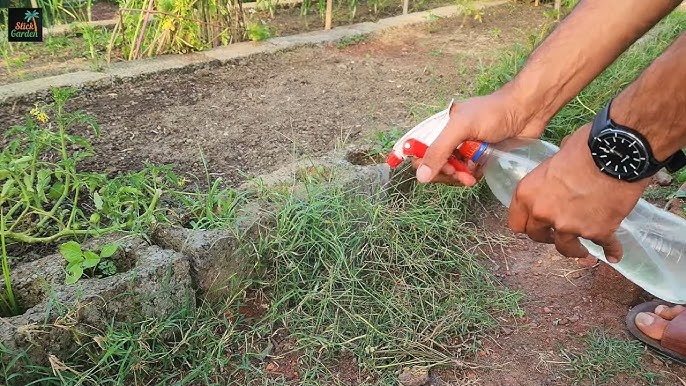
Have you ever looked at your garden and wondered if there’s a natural, inexpensive way to tackle those persistent weeds? You might have heard that vinegar is a miracle solution.
But does it really kill plants in the garden? Imagine the ease of using something as simple as vinegar to keep your garden flourishing. Before you reach for that bottle, let’s dive into the truth. Understanding how vinegar interacts with plants could be the key to a greener, healthier garden.
As you explore this article, you’ll discover whether vinegar is your garden’s friend or foe, ensuring that every decision you make helps your plants thrive. Don’t miss out on uncovering this valuable insight—it could transform your gardening routine!

Credit: m.facebook.com
Vinegar Composition
Vinegar can harm plants due to its acetic acid content. This acid disrupts growth by altering soil pH. While effective against weeds, it may damage desirable plants in the garden.
Vinegar, a common household item, has a simple yet powerful composition. It’s primarily made of acetic acid and water. This combination makes vinegar effective for various uses, including as a weed killer. Understanding its composition helps explain its impact on plants.Acetic Acid Content
Vinegar’s main component is acetic acid. It usually contains 5% acetic acid. This acid is what gives vinegar its strong smell and sour taste. Higher concentrations are available, but they are not for household use. Acetic acid affects plants by breaking down cell membranes. This can lead to plant dehydration and death.Ph Level
Vinegar is acidic, with a pH level around 2.5. This acidity can disrupt the soil’s pH balance. When applied to plants, it affects their ability to take in nutrients. Acidic conditions can harm most garden plants, especially if used in large amounts.Water Content
Vinegar is mostly water, making it easy to apply as a spray. The water helps the acetic acid spread over the plant surfaces. This ensures the acid reaches all parts of the plant. The water content also helps dilute the acetic acid, making it less harmful to desirable plants nearby.Natural Additives
Some vinegars include natural additives like apple juice or herbs. These can slightly alter vinegar’s effects. Such additions may provide nutrients or different acids. Yet, the primary effect on plants remains the same due to acetic acid. It’s important to check labels if using vinegar in the garden. There are several types of vinegar, each with different uses. White vinegar is most common for gardening. It is affordable and readily available. Apple cider vinegar and rice vinegar are other types. They have different compositions but still contain acetic acid. These variations may offer slight differences in plant effects.
Credit: www.express.co.uk
Mechanism Of Action
Vinegar is often used in gardens as a natural herbicide. Its effectiveness relies on its strong acidity. This acidity impacts plant cells, leading to their demise. Understanding how vinegar works can help gardeners make informed decisions.
Acidity Effects
The acidity in vinegar disrupts the plant’s pH balance. This imbalance affects plant growth negatively. Most plants prefer a neutral or slightly acidic pH. Vinegar’s high acidity can lower the soil’s pH. This makes it inhospitable for many plants. It can also affect beneficial soil organisms.
Impact On Plant Cells
Vinegar’s acid directly damages plant cells. The acetic acid in vinegar dissolves cell membranes. This leads to cell dehydration and death. Leaves and stems are particularly vulnerable. Once the cell structure breaks down, plants cannot recover. This process is quick and visible within hours.
Types Of Vinegar
Vinegar comes in various types like apple cider, white, and balsamic. Its acetic acid can harm plants by altering soil pH, potentially killing weeds in the garden. Careful application is needed to avoid damaging desired plants.
Vinegar is a versatile household item that can be used for various purposes, including gardening. Understanding the types of vinegar available can help you decide which one might be best for your garden. Each type has unique characteristics that can affect its effectiveness in killing plants. Let’s explore the different types of vinegar you might encounter.White Vinegar
White vinegar is the most common type found in households. With about 5% acetic acid content, it can be effective in killing weeds. You might notice its impact on smaller, more delicate plants, but it may not be strong enough for tougher weeds. Have you ever tried using white vinegar in your garden? It’s a simple, accessible option for many gardeners.Apple Cider Vinegar
Apple cider vinegar is known for its slightly higher acetic acid content compared to white vinegar. It also contains beneficial minerals and enzymes. While it’s popular for its health benefits, its acidity can be harsh on plants. If you’ve ever wondered whether the natural properties of apple cider vinegar make it a better choice, consider its impact on both weeds and soil health.Horticultural Vinegar
Horticultural vinegar is a more potent version, with acetic acid concentrations ranging from 20% to 30%. This type is specifically designed for agricultural use and can tackle stubborn weeds effectively. However, it requires caution due to its high acidity. Have you thought about the potential risks and benefits of using horticultural vinegar in your garden? Its strength can be both a blessing and a curse, depending on your gardening needs.:max_bytes(150000):strip_icc()/GettyImages-484016511-93a60ccd79fb4320bc3539bc3487ec3a.jpg)
Credit: www.marthastewart.com
Impact On Different Plant Types
Vinegar is popular for its acidic properties. Gardeners often wonder about its effects on plants. Understanding vinegar’s impact on different plant types helps avoid unwanted damage.
Annuals Vs Perennials
Annuals are sensitive to vinegar. It can quickly damage their tender roots and stems. Perennials are hardier and might resist vinegar’s effects better. Yet, repeated exposure can weaken even the toughest perennials. Use caution when applying vinegar near these plants.
Effect On Weeds
Vinegar is effective against weeds. It disrupts their cell membranes, causing them to wilt. This makes vinegar an attractive option for weed control. Be careful, though. Vinegar does not discriminate between weeds and desired plants.
Impact On Edible Plants
Edible plants require special care. Vinegar can harm their delicate structures. It might affect the growth and yield of fruits and vegetables. Avoid using vinegar near edible plants to ensure healthy produce.
Environmental Considerations
Vinegar can kill plants by disrupting their cell membranes. It’s an effective natural weed killer in gardens. However, it may also harm desirable plants if not used carefully.
Using vinegar in your garden can be an effective way to eliminate weeds, but it’s essential to consider its impact on the environment. While vinegar is natural and biodegradable, its use can have unintended consequences. Before you reach for that bottle, it’s crucial to understand how vinegar affects various aspects of your garden ecosystem.Soil Health
Vinegar can alter the pH level of your soil, making it more acidic. This change can affect the nutrients available to your plants. If used frequently, it may lead to nutrient deficiencies, affecting the growth and health of your garden plants. A simple pH test can help you monitor changes in your soil after using vinegar. It’s important to maintain a balanced pH to ensure healthy plant growth. Are you willing to risk your soil’s health for a quick weed fix?Impact On Beneficial Insects
Beneficial insects, like bees and ladybugs, play a crucial role in pollination and pest control. Vinegar, while targeting weeds, can also harm these helpful insects. Your garden’s ecosystem relies on these insects to thrive. Consider the potential impact on your garden’s biodiversity before using vinegar. You wouldn’t want to disrupt the delicate balance that keeps your garden flourishing. Is there a way to control weeds without risking your garden’s natural allies?Application Techniques
Vinegar can effectively kill unwanted plants in gardens. Directly spray vinegar on the leaves for quick results. Repeat the application if needed, ensuring careful targeting to protect desired plants.
Applying vinegar in your garden can be an effective way to manage unwanted plants, but it requires the right techniques to be successful. Understanding how to apply vinegar correctly can make all the difference between a flourishing garden and one that’s struggling. Let’s explore some methods of application and key precautions you should consider.Direct Application
Direct application involves pouring or spraying undiluted vinegar directly onto the unwanted plants. This method is particularly effective for small, isolated areas where precision is key. When I first tried this, I was amazed at how quickly the weeds started to wither. Use a spray bottle for targeted application, ensuring you avoid your precious plants. Check the weather before you spray—rain can dilute the effect, making the vinegar less effective.Dilution Methods
Not all plants require full-strength vinegar, and sometimes a diluted mixture is more appropriate. By mixing vinegar with water, you can lessen its impact, making it suitable for broader applications. A common ratio is one part vinegar to one part water. Test this mixture on a small section of your garden to gauge its effect. This approach is great for larger areas where precision is less critical.Safety Precautions
While vinegar is natural, it’s still acidic and can harm beneficial plants if not used carefully. Safety should always come first in your gardening endeavors. Wear gloves and protective eyewear when handling vinegar to prevent irritation. Ensure pets and children are away from the treated areas until the vinegar has dried. Consider the surrounding plant life—vinegar doesn’t discriminate and will affect any plant it contacts. Are you using vinegar responsibly in your garden? It’s a powerful tool, but like any tool, it requires careful handling. By tailoring your application technique and taking safety precautions, you can harness its benefits while protecting your garden’s delicate ecosystem.Alternative Natural Herbicides
Vinegar serves as an effective natural herbicide in gardens. It can kill weeds by drying them out. Care is needed to avoid harming desired plants, as vinegar’s acidity can damage any foliage it contacts.
Gardening enthusiasts often seek alternative methods to manage unwanted plants without resorting to harsh chemicals. Natural herbicides can be an effective and eco-friendly solution. They not only protect your garden’s ecosystem but also ensure that your fruits and vegetables remain safe for consumption. Let’s explore some alternative natural herbicides you can easily use in your garden.Salt Solutions
Salt can be a powerful ally in your fight against weeds. When applied to unwanted plants, it dehydrates them, effectively killing them. Mix salt with water to create a solution, and apply it directly to the leaves of the weeds. Be cautious, though—salt can affect soil quality and harm desired plants if overused. Always target weeds specifically and avoid soaking the surrounding soil.Boiling Water
This is perhaps the simplest method of all. Boiling water can effectively kill weeds by cooking them on the spot. It’s a quick fix for weeds growing in cracks of sidewalks or driveways. Pour the boiling water directly onto the weeds, ensuring you cover the entire plant. This method is best suited for areas where you don’t have other plants you want to protect. Boiling water can also kill beneficial organisms in the soil, so use it judiciously.Essential Oils
Certain essential oils, such as clove or peppermint oil, have natural herbicidal properties. They can disrupt the growth of weeds while leaving your garden smelling fresh. To make a natural herbicide spray, mix a few drops of essential oil with water and a small amount of dish soap. Spray this mixture directly onto the weeds. The oils work by breaking down the plant’s cell walls, making it an effective and fragrant solution. However, test the spray on a small area first to ensure it doesn’t affect your other plants. These methods offer practical and environment-friendly ways to manage your garden. Which one will you try first?Myth Vs Fact: Expert Opinions
Vinegar is a common household item. Many people believe it can kill plants in the garden. But is this true? To find out, we look at expert opinions. We separate myths from facts.
Scientific Studies
Scientific studies explore vinegar’s effects on plants. Researchers find that vinegar can harm plants. It is acidic, which can damage plant cells. High concentrations of vinegar can kill small weeds. But it may not affect larger plants. Studies show vinegar is not selective. It harms all plants it touches.
Gardener Testimonials
Gardeners share their experiences with vinegar. Some use vinegar to control weeds. They find it effective on young, small weeds. But they warn it can harm wanted plants too. Other gardeners say vinegar only works temporarily. Weeds may return after rain. Personal stories vary, but many agree vinegar is not a magic solution.
Frequently Asked Questions
Can Vinegar Harm Garden Plants?
Vinegar can harm garden plants due to its acidic nature. It may cause leaf damage, stunted growth, and even kill some plants. While it can be effective for weed control, use it cautiously around desired plants to prevent unintended harm.
Is Vinegar An Effective Weed Killer?
Yes, vinegar is an effective weed killer, especially on young weeds. Its acetic acid content can dry out weeds and inhibit growth. It works best on annual weeds and in sunny conditions. However, repeated applications might be necessary for persistent weeds.
How Does Vinegar Affect Plant Soil?
Vinegar can lower soil pH, making it more acidic. This alteration can affect nutrient availability and harm plants that prefer neutral or alkaline conditions. Use vinegar sparingly and monitor soil pH to avoid disrupting the soil ecosystem.
Can Vinegar Kill Garden Pests?
Vinegar can repel some garden pests but won’t kill them. Its strong scent deters ants, spiders, and other insects. However, it’s not a substitute for comprehensive pest control methods. For effective pest management, consider using other organic or chemical solutions.
Conclusion
Vinegar can kill some garden plants. It works as a natural herbicide. Use it carefully to avoid harming wanted plants. Spot-treat weeds with precision. Diluted vinegar may cause less damage. Always test on a small area first. Consider the type of plant before applying.
Remember, vinegar is non-selective. It can harm both weeds and garden plants. Organic gardeners often prefer natural methods. Vinegar offers an alternative to chemical herbicides. Evaluate your garden needs. Choose the right solution for your plants. Happy gardening!







