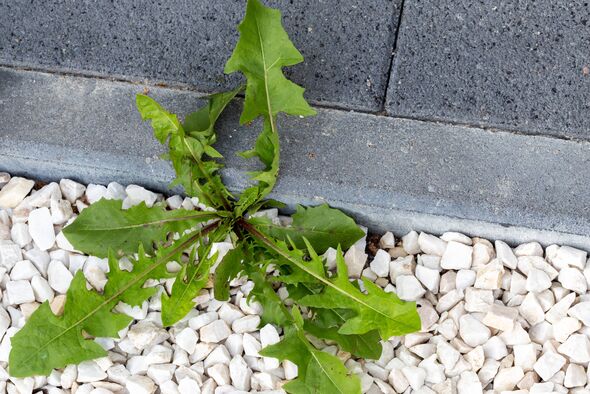
Have you ever noticed your garden looking a little worse for wear after a rainy season or a winter snowfall? You might be surprised to learn that salt could be the culprit.
It’s easy to overlook, but the salt used on icy roads can seep into your garden soil, potentially harming your beloved plants. You invest time, effort, and love into your garden, and the last thing you want is to see it struggle.
Understanding how salt impacts your plants might be the key to reviving your garden’s health. Read on to discover how salt might be silently affecting your greenery and learn simple solutions to protect your plants, ensuring they thrive for seasons to come.
Credit: www.backyardboss.net
Salt’s Impact On Plant Health
Excessive salt in the garden can harm plants, leading to wilting and stunted growth. Salt disrupts water absorption, causing dehydration. Reducing salt exposure is crucial for plant health and vitality.
Salt’s impact on plant health can be quite damaging. High salt levels in soil can affect plant growth and vitality. Understanding how salt affects plants can help gardeners maintain healthy gardens.How Salt Affects Plant Roots
Salt in the soil can harm plant roots. It draws water away from the roots, causing dehydration. Roots struggle to absorb nutrients, leading to stunted growth.Impact On Plant Leaves
Salt can cause leaf burn. This results in brown, scorched edges on leaves. Photosynthesis reduces, and the plant’s energy levels drop.Salt’s Effect On Soil Structure
Salt alters soil structure. It compacts the soil, reducing air and water movement. Plants find it hard to thrive in compacted soil.Signs Of Salt Damage In Plants
Look for wilting, yellowing leaves, and slowed growth. These are common signs of salt damage. If noticed, assess soil salt levels immediately.Managing Salt Levels In Gardens
Use mulch to reduce salt buildup. Mulch helps maintain soil moisture and prevents salt from reaching roots. Regularly test soil to monitor salt content.Mechanism Of Salt Damage
Salt damages plants by disrupting water absorption, leading to dehydration. It affects soil structure, reducing root growth and nutrient uptake. High salt concentration can ultimately kill garden plants, making careful use essential.
Understanding the mechanism of salt damage in plants is crucial for any gardener looking to maintain a thriving garden. Salt, particularly in excess, can wreak havoc on plants, but how exactly does it do so? This section will explore the two main ways salt causes harm: osmotic stress and ion toxicity.Osmotic Stress
Salt in soil can lead to osmotic stress, which affects a plant’s ability to absorb water. When salt levels are high, water tends to move from areas of low salt concentration (inside the plant) to areas of high concentration (the soil). This process, known as osmosis, can cause plants to dehydrate even when the soil appears moist. Imagine trying to drink water through a straw with a hole in it. Despite your efforts, you get little to no water. Plants face a similar struggle with osmotic stress, which can lead to wilting and stunted growth. Have you ever wondered why some plants look droopy despite adequate watering? Osmotic stress might be the culprit.Ion Toxicity
Ion toxicity occurs when plants absorb an excessive amount of salt ions, such as sodium and chloride. These ions can disrupt nutrient uptake, leading to deficiencies in essential elements like potassium and calcium. This imbalance can cause leaf burn, yellowing, and eventually, plant death. Think of ion toxicity as a traffic jam in a city’s main artery. The excess ions block the path of necessary nutrients, halting their journey to vital parts of the plant. To tackle this, consider testing your soil’s salt levels regularly. Wouldn’t it be better to catch the issue early before it turns into a full-blown crisis? By understanding these mechanisms, you can take proactive steps to shield your garden from salt damage. After all, a thriving garden starts with informed and mindful care.Factors Influencing Salt Sensitivity
Salt is often seen as a villain in the garden, capable of wreaking havoc on your precious plants. Yet, its impact isn’t uniform across all plant species or environments. Several factors influence how sensitive your plants are to salt, and understanding these can help you manage salt levels effectively. Let’s dive into some key factors that determine a plant’s salt sensitivity.
Plant Species Variability
Not all plants react to salt the same way. Some are naturally tolerant, while others are highly sensitive. Take succulents, for instance; they thrive in salty conditions due to their thick, water-retentive leaves. On the other hand, delicate plants like ferns may suffer greatly even with minimal exposure.
Consider the diversity in your garden. Are you growing plants that are naturally suited to salty soils? Knowing your plant species can help you decide whether you need to worry about salt affecting their growth.
Soil Type And Composition
The type of soil in your garden plays a crucial role. Sandy soils drain quickly, reducing salt buildup, whereas clay soils hold onto water—and salt—much longer. This can make clay soils challenging if salt levels rise.
If your garden soil is heavy and clay-like, you might need to amend it with organic matter or sand to improve drainage and reduce salt retention. Is your soil working for or against your plants?
Environmental Conditions
Environmental conditions such as rainfall, temperature, and humidity also affect salt sensitivity. In areas with frequent rainfall, salt is naturally washed away, minimizing its impact. Conversely, dry conditions can exacerbate salt problems.
Think about your local climate. Is it helping you manage salt levels naturally? If not, you might need to implement strategies like mulching or irrigation to control salt buildup. How can you use environmental conditions to your advantage?

Credit: m.facebook.com
Symptoms Of Salt Stress
Salt stress can severely impact garden plants, causing wilting, yellowing leaves, and stunted growth. Excessive salt disrupts the plant’s ability to absorb water, leading to dehydration and eventual decline.
Excess salt in the garden doesn’t just affect the soil; it can cause visible stress to your plants. Identifying symptoms early can save your garden from irreversible damage. Curious about how salt stress manifests in plants? Let’s dive into some tell-tale signs.Leaf Discoloration
One of the first signs you might notice is leaf discoloration. Leaves may turn yellow or brown, losing their vibrant green color. Have you ever seen crispy leaf edges? That’s often salt at work. This occurs because salt disrupts the plant’s ability to absorb essential nutrients.Stunted Growth
Salt stress can also lead to stunted growth. Your plants may appear smaller and less robust than usual. You might notice fewer flowers or fruits, which can be disheartening if you were expecting a bountiful harvest. This happens because excess salt inhibits root growth, limiting access to water and nutrients.Wilting And Leaf Drop
Wilting is another common symptom, even if the soil seems adequately moist. This occurs because salt draws water away from the plant’s roots, mimicking drought conditions. Have you ever noticed leaves dropping suddenly? Salt stress might be the culprit, causing your plant to shed leaves prematurely to conserve water. Understanding these symptoms can be your first step in combating salt stress. Have you seen any of these signs in your garden? Taking early action can revive your plants and restore your garden’s health.Methods To Mitigate Salt Damage
Leaching involves watering plants deeply to flush out excess salt from the soil. Adding organic matter improves soil structure, helping plants resist salt damage. Mulching creates a protective barrier, reducing salt contact with plant roots and conserving moisture.
Excessive salt can wreak havoc in your garden, turning your lush greenery into a barren landscape. But don’t worry—there are practical ways to mitigate salt damage and keep your plants thriving. Whether you’re dealing with saline soil or the aftermath of using too much salt as a weed killer, these strategies can help. Here are some tried-and-true methods that gardeners swear by.Soil Amendment Techniques
Improving soil quality can help minimize salt damage. Add organic matter like compost or well-rotted manure to your soil. This improves drainage and allows excess salts to be flushed away more easily. Another effective technique is gypsum application. Gypsum can displace sodium ions, allowing them to be washed away, and thus reducing soil salinity. Always test your soil first to see what amendments it needs. Mulching is another great option. A thick layer of mulch can act as a barrier, preventing salt from being absorbed into the soil. It also retains moisture, further diluting any salt presence.Watering Practices
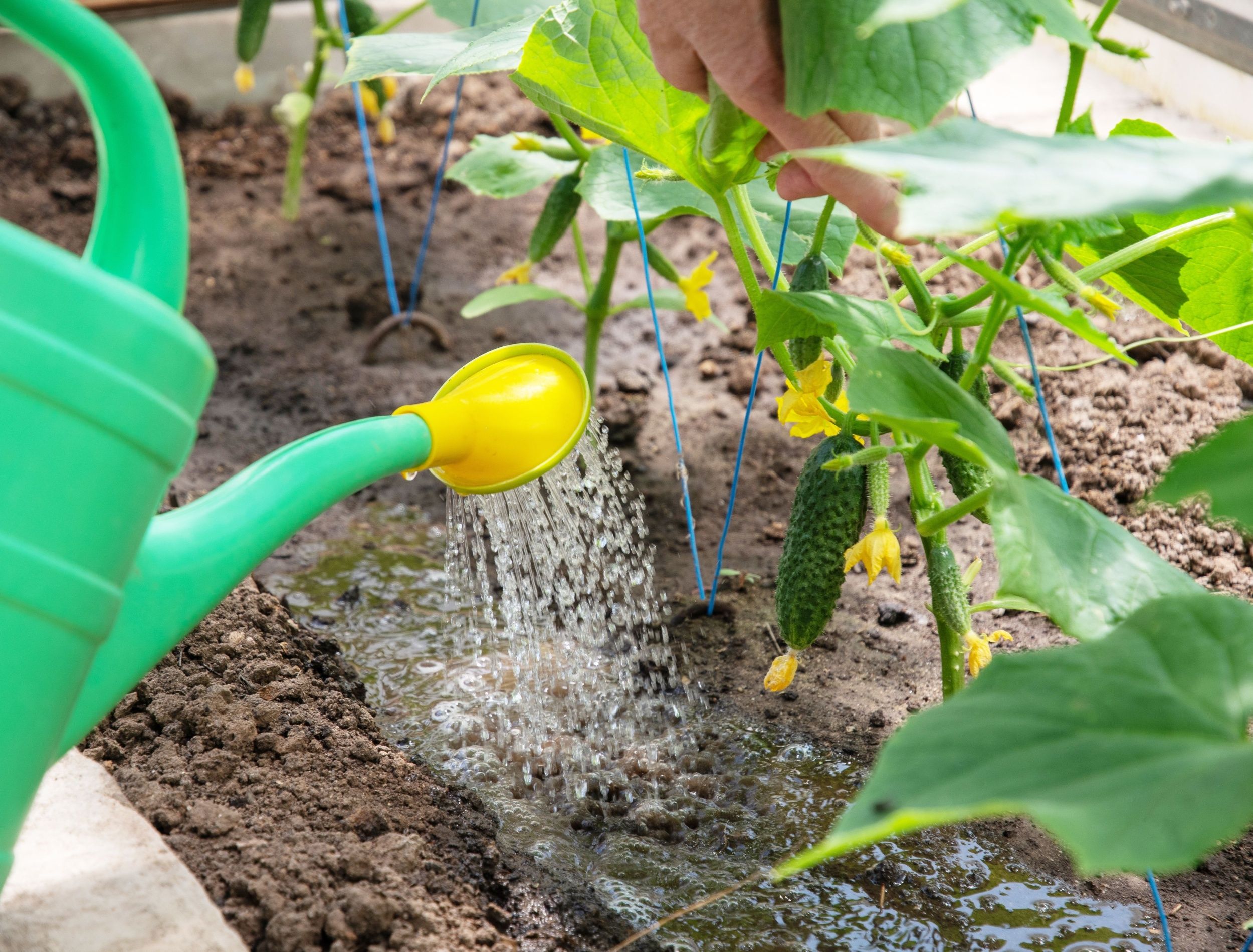
How you water your plants can make a big difference in managing salt damage. Opt for deep watering sessions rather than frequent, shallow ones. This method helps leach salts beyond the root zone. Rainwater is preferable to tap water, as it contains fewer salts. Consider setting up a rain barrel to collect water for your plants. Timing also matters. Water in the early morning or late afternoon when evaporation rates are lower. This ensures more water penetrates the soil, flushing away salts.Use Of Salt-tolerant Plants
Choosing the right plants can save you a lot of trouble. Consider integrating salt-tolerant plants into your garden. Species like juniper, daylily, and ornamental grasses are known for their resilience in salty conditions. Mix these hardy varieties with your more sensitive plants to create a balanced, salt-tolerant garden. You’ll find that these plants not only survive but often thrive in conditions that would damage less hardy varieties. Have you ever considered how the right plant choices can transform your garden’s resilience? Salt-tolerant plants might just be the answer you’ve been looking for. By employing these methods, you can enjoy a vibrant garden even in less-than-ideal conditions. Implementing these strategies is easier than you might think and can lead to a healthier, more resilient garden.Alternatives To Salt For Weed Control
Salt can harm garden plants while controlling weeds. Consider natural alternatives like vinegar, boiling water, or mulch. These methods protect your plants and effectively manage unwanted growth without causing damage.
When trying to keep your garden weed-free, salt might seem like a quick fix. However, it can harm your plants and soil. So, what other options do you have for weed control? There are several eco-friendly and effective alternatives to salt that can help you maintain a healthy garden without harming your plants. Let’s explore some practical and natural methods that ensure your garden thrives.Natural Herbicides
Natural herbicides can be a great alternative to salt. Ingredients like vinegar, lemon juice, and essential oils are effective in controlling weeds. A simple mixture of vinegar and water sprayed directly on weeds can do wonders. These natural solutions are safe for the environment and your beloved plants. They work by dehydrating the weeds, making them easy to remove. Are you ready to give your garden a chemical-free makeover?Mulching
Mulching is a fantastic way to suppress weeds while nourishing your soil. By covering your garden beds with organic materials like straw, wood chips, or grass clippings, you create a barrier that prevents weeds from sprouting. Moreover, mulching retains moisture, keeps the soil temperature stable, and adds nutrients as it breaks down. Imagine having fewer weeds and healthier soil without any extra effort. Isn’t it time you tried mulching in your garden?Manual Weed Removal
Sometimes, the best solution is the simplest one: roll up your sleeves and manually pull those weeds out. While it might seem tedious, manual weed removal allows you to target specific problem areas without harming nearby plants. Use tools like a hoe or a hand weeder for more efficiency. Plus, it’s a great way to get some fresh air and exercise. Have you ever noticed how satisfying it feels to clear out those pesky weeds by hand?Case Studies And Research Findings
Salt’s impact on garden plants has been widely studied. Research shows salt can hinder plant growth, causing dehydration and nutrient imbalance. Case studies reveal that excess salt leads to wilted leaves and poor soil health, affecting overall plant vitality.
In the quest to understand the impact of salt on plants, researchers have conducted numerous studies. These investigations shed light on how salt affects plant growth and survival. By examining various case studies, we gain insights into the practical implications of using salt in gardens.Field Study: Effects Of Salt On Tomato Plants
A study examined salt’s impact on tomato plants in a controlled field setting. Researchers applied different salt concentrations to soil. Results showed high salt levels reduced plant height and fruit yield. Tomatoes exposed to salt had stunted growth and fewer fruits.Laboratory Experiment: Salt Tolerance In Various Plant Species
In a lab experiment, scientists tested several plant species for salt tolerance. They observed that some species exhibited resilience to moderate salt levels. Others, however, showed signs of stress and growth decline. This research helped identify salt-tolerant plant varieties.Greenhouse Study: Long-term Salt Exposure
A greenhouse study explored the effects of long-term salt exposure on plants. Researchers found that prolonged salt presence led to leaf discoloration. Additionally, plant roots became damaged, affecting nutrient uptake. This study highlighted the dangers of sustained salt exposure.Case Analysis: Salt As A Natural Herbicide
Some gardeners use salt as a natural herbicide. A case analysis investigated its effectiveness and risks. It was found that while salt can kill weeds, it also harms beneficial plants. Overuse can lead to soil degradation and reduced garden productivity.Impact Assessment: Salt On Soil Microorganisms
An assessment focused on salt’s impact on soil microorganisms. Microbes play a crucial role in soil health and plant growth. Researchers discovered that salt disrupts microbial activity, affecting soil fertility. This finding underscores the need for careful salt usage. These case studies and research findings provide valuable insights for gardeners. Understanding salt’s effects aids in making informed decisions about garden management.
Credit: www.express.co.uk
Frequently Asked Questions
Does Salt Affect Plant Growth?
Yes, salt can hinder plant growth by dehydrating them. It disrupts water absorption, causing leaves to wilt and roots to die. High salt concentrations can lead to nutrient imbalances, affecting the overall health and development of plants.
Can Salt Kill Garden Plants?
Salt can kill garden plants by drawing moisture from their roots. It creates an unfavorable environment for plant survival. Excessive salt accumulation can lead to plant dehydration and nutrient deficiency, resulting in their eventual demise.
How Does Salt Damage Plant Roots?
Salt damages plant roots by restricting water uptake. It creates osmotic stress, pulling water away from the roots, leading to dehydration. This disrupts nutrient absorption, causing root cells to die, ultimately affecting the plant’s health and growth.
Is Saltwater Harmful To Plants?
Yes, saltwater is harmful to plants. It contains high salt levels that can damage roots and leaves. Prolonged exposure can lead to dehydration, nutrient imbalances, and ultimately plant death, making saltwater unsuitable for most garden plants.
Conclusion
Salt can harm garden plants. Too much salt damages roots and soil. It disrupts water absorption. This makes plants weak and unhealthy. If you notice plant issues, check for salt exposure. Use salt alternatives to safeguard your garden’s health. Keep soil balanced.
Healthy soil supports thriving plants. Remember, a little care goes a long way. Protect your plants by managing salt levels. Enjoy a flourishing garden with mindful practices. Your garden will thank you with beautiful blooms and lush greenery. Happy gardening!







