Are you worried about weeds or pests invading your garden and thinking of using bleach as a quick fix? You’re not alone.
Many gardeners consider bleach because it’s a common household item and seems like a simple solution. But, have you ever stopped to wonder what bleach might do to your beloved plants? Will it just target the unwanted intruders or could it harm the entire garden ecosystem you’ve worked so hard to nurture?
We’ll uncover the truth about bleach and its effects on your garden. Stick with us to discover if this strong chemical is really the friend or foe of your green sanctuary. Your garden’s health depends on it!
Bleach And Its Composition
Bleach contains sodium hypochlorite, which can damage garden plants. It disrupts their growth and affects soil health. Use caution to avoid harming your garden’s ecosystem.
Bleach is a common household item known for its powerful cleaning abilities, but have you ever wondered what’s inside that bottle? Understanding bleach and its composition can provide insights into whether it can harm the plants in your garden. Let’s dive into the chemical properties and common uses of bleach to see how they might impact your green space.Chemical Properties
Bleach is typically made from sodium hypochlorite, a chemical compound that is highly effective in breaking down organic matter. It has strong oxidizing properties, which means it can disrupt cellular structures, including those found in plants. This is why bleach is often used in cleaning products and disinfectants—it’s incredibly potent against germs and bacteria.Common Uses
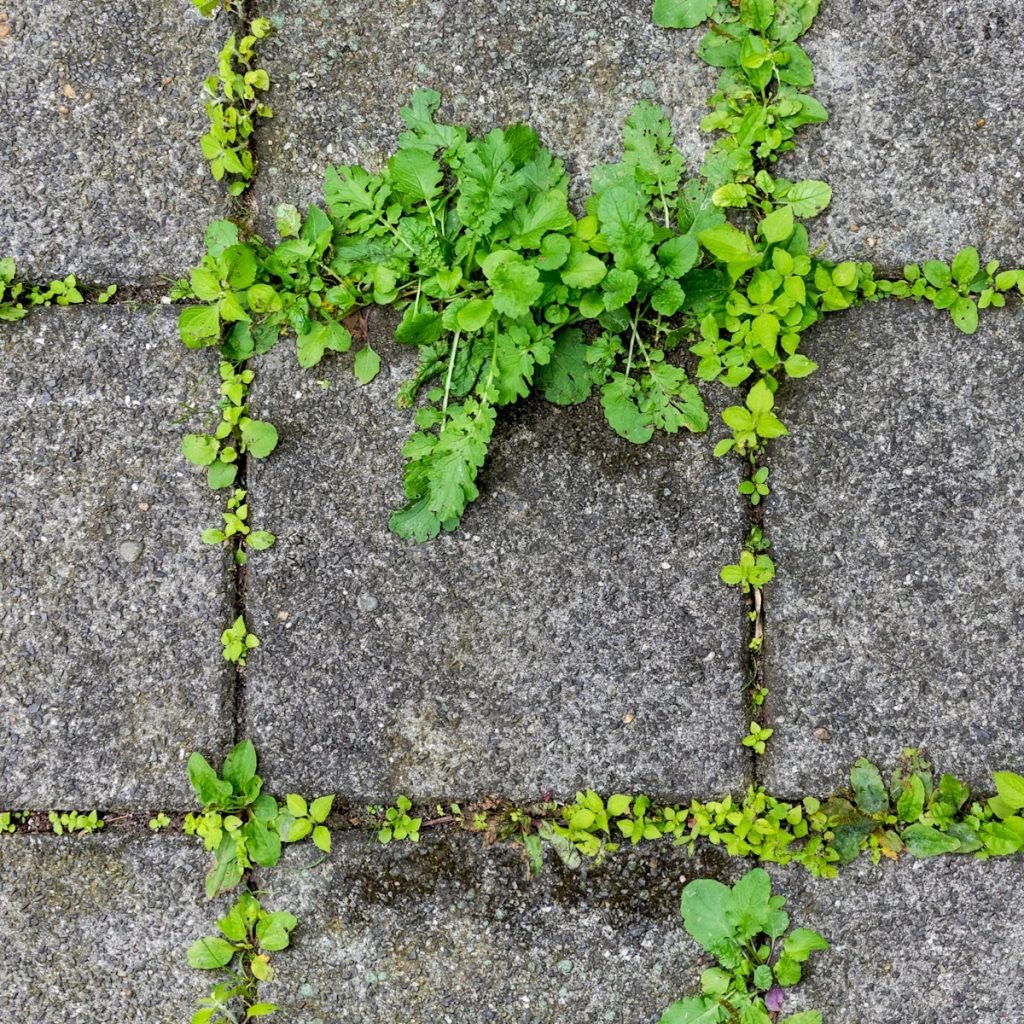
In many households, bleach is a go-to solution for whitening clothes, cleaning surfaces, and disinfecting areas prone to germs. Some people even use it as a weed killer, thanks to its ability to break down plant tissues quickly. However, using bleach in your garden can be risky. It doesn’t differentiate between weeds and your beloved plants, potentially causing more harm than good. Before you reach for that bottle, consider whether the temporary benefits outweigh the long-term effects on your garden’s health. Have you ever thought about the impact on soil fertility or the surrounding ecosystem?Effects Of Bleach On Plants
Bleach is a common household cleaner. People often wonder about its effects on garden plants. Understanding these effects is important for garden health. Let’s explore how bleach impacts plants.
Impact On Plant Cells
Bleach damages plant cells. It breaks down cell walls. This causes cells to die. Without healthy cells, plants cannot survive. Bleach also affects chlorophyll. Chlorophyll is vital for photosynthesis. Without it, plants cannot make food.
Soil Contamination
Bleach seeps into the soil. It alters soil pH levels. This makes the soil less suitable for plants. Bleach can kill beneficial soil microbes. These microbes help plants grow. Contaminated soil may struggle to support plant life.
Environmental Implications
Bleach is often used for cleaning and disinfecting. It might seem like a quick fix for garden weeds. But pouring bleach in gardens can have serious environmental impacts. It affects ecosystems and water quality. Understanding these consequences can guide better choices for garden care.
Effects On Local Ecosystems
Bleach spills can harm local wildlife. It affects insects, birds, and small mammals. The chemical components disrupt natural habitats. Soil quality declines, impacting plant and animal life. Microorganisms essential for soil health can die. This reduces soil fertility, harming plant growth. Biodiversity decreases as a result.
Water Runoff Concerns
Bleach can enter waterways through runoff. This poses a threat to aquatic life. Fish and plants in water bodies face chemical exposure. It disrupts their natural habitat and growth. Water quality for human use also declines. Bleach can contaminate drinking water sources. This leads to potential health risks for communities.
Credit: www.greenmatters.com
Alternatives To Bleach For Garden Care
Bleach is not ideal for garden care. It harms plants and soil. Instead, choose safer alternatives that promote healthy growth. Explore natural methods for maintaining your garden.
Natural Weed Control Methods
Weeds compete with plants for nutrients and water. Removing them is essential. Try these natural methods:
- Boiling Water:Pour boiling water directly on weeds. It kills them instantly.
- Vinegar Spray:Use vinegar as a natural herbicide. Spray it on leaves to dry them out.
- Mulching:Cover soil with mulch. It prevents sunlight from reaching weeds.
- Hand Pulling:Pull weeds by hand. It is effective for small areas.
Safe Cleaning Solutions
Gardens need cleaning without harming the plants. Use these safe solutions:
- Baking Soda:Mix baking soda with water. Use it to clean garden tools.
- Lemon Juice:Lemon juice mixed with water cleans pots and surfaces.
- Castile Soap:A few drops in water clean leaves and garden furniture.
- Essential Oils:Oils like tea tree and peppermint deter pests.
Precautions When Using Bleach
Bleach can be a useful cleaning agent in the garden. But it poses risks to plants. Before using bleach, take necessary precautions. This ensures the safety of your garden and personal well-being. Understanding the correct methods and safety tips is crucial.
Protective Measures
Always wear gloves when handling bleach. This prevents skin irritation. Use protective eyewear to shield your eyes. Bleach fumes can be harmful, so work in well-ventilated areas. Wearing a mask can also help reduce inhalation risks.
Proper Application Techniques
Use a diluted bleach solution for garden tasks. A common ratio is one part bleach to nine parts water. Avoid pouring bleach directly onto the soil. This could damage plant roots. Apply bleach only to targeted areas, like paths or tools.
- Test a small area before full application.
- Avoid contact with plants and foliage.
- Rinse the area thoroughly with water after use.
Using bleach with care protects your garden. Follow these guidelines for a safe gardening experience.

Credit: www.greenmatters.com
Case Studies And Research Findings
When considering the use of bleach in your garden, understanding its effects is crucial. While bleach is known for its disinfecting properties, many gardeners wonder if it can be safely used without harming plants. Case studies and research findings shed light on this topic, offering insights into both controlled environments and real-world experiences. Let’s explore the evidence and stories from those who have tried to use bleach in their gardens.
Scientific Studies
Research conducted in controlled settings has provided a clear perspective on bleach’s impact on plant health. Various studies have shown that bleach can indeed be harmful to plants, causing damage to leaves and roots.
One study focused on the effects of sodium hypochlorite, the active ingredient in bleach, on plant tissue. The findings revealed significant cellular damage, leading to impaired growth and vitality.
Another experiment tested different concentrations of bleach on common garden plants. Results indicated that even diluted bleach solutions could cause leaf discoloration and stunted growth.
It’s important to note that while bleach can eliminate pathogens, it doesn’t differentiate between harmful and beneficial organisms, which might disrupt the soil’s balance.
Real-world Examples
Gardeners around the world have shared their experiences with using bleach in their gardens. Some have used it successfully to combat fungus and mold, but often with unintended consequences.
A gardener from Texas reported using bleach to clean garden tools, inadvertently spilling it on nearby plants. The affected plants showed signs of wilting and leaf burn within days.
Conversely, a community gardening project in Seattle experimented with diluted bleach sprays to control pests. While initially effective, they noticed a decline in plant health over the season, prompting them to seek alternative solutions.
These stories highlight the need for caution and underscore the importance of understanding the potential risks before using bleach in your garden. Have you ever tried using bleach in your garden, and what were your results?

Credit: uk.news.yahoo.com
Frequently Asked Questions
Can Bleach Harm Garden Plants?
Yes, bleach can harm garden plants. It contains chemicals that can damage plant tissues. Bleach can disrupt soil health, affecting plant growth. It is not recommended for regular use in gardens.
Is Bleach Safe For Garden Soil?
Bleach is not safe for garden soil. It can kill beneficial microorganisms essential for soil health. Bleach may also alter soil pH, leading to adverse effects on plants.
Can Diluted Bleach Be Used On Plants?
Diluted bleach can still harm plants. Even in small amounts, it can cause damage to leaves and roots. Always avoid using bleach on plants to ensure their safety.
How Does Bleach Affect Plant Growth?
Bleach negatively affects plant growth by damaging cells and tissues. It disrupts the photosynthesis process, leading to stunted growth. Bleach should not be used near plants.
Conclusion
Bleach impacts plants negatively. It disrupts growth and harms soil health. Use bleach carefully to avoid damaging your garden. Consider alternatives. Vinegar or boiling water can kill weeds. Choose eco-friendly methods to protect plant life. Enhancing garden health ensures thriving plants.
Think before using bleach near plants. Your garden deserves gentle care. Protect your plants from harsh chemicals. Preserve the beauty of your garden. Keep it lush and vibrant. Healthy plants depend on safe practices. Prioritize natural solutions for a flourishing garden.