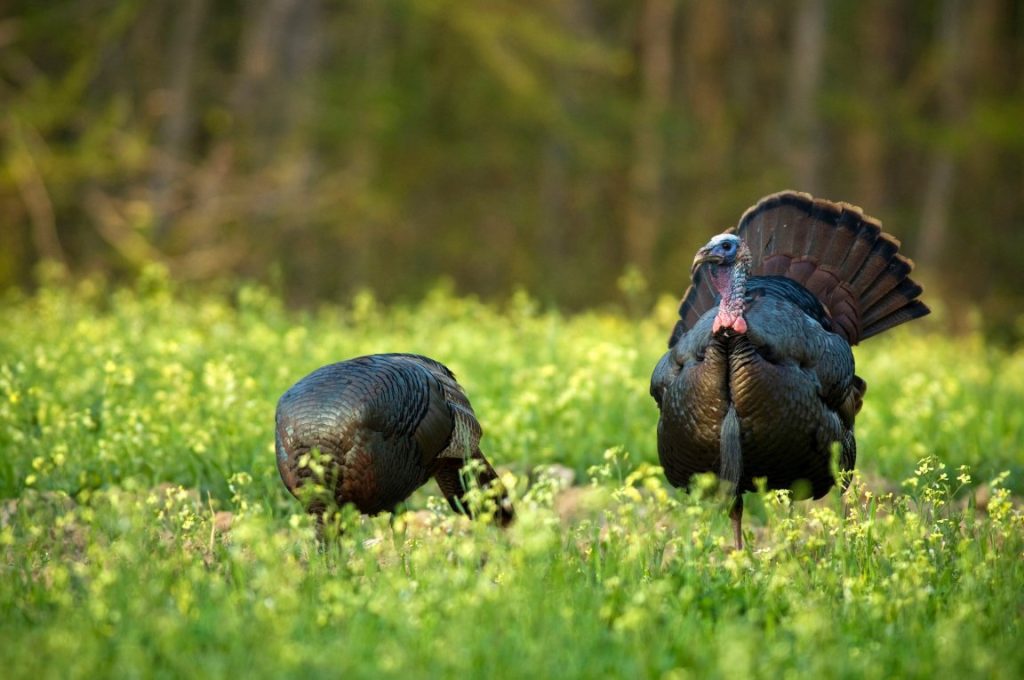
You’ve spent hours cultivating your garden, nurturing every plant with care, and now you’re wondering if turkeys might be your unexpected visitors. Imagine waking up to find your vibrant garden has become a buffet for these curious birds.
You might ask yourself, do turkeys really eat garden plants, and if so, how can you protect your beloved greens? This article is here to uncover the truth about turkeys and your garden. You’ll learn why these birds might be attracted to your plants, what signs to look for, and discover effective strategies to safeguard your hard work.
Keep reading to ensure your garden remains a flourishing paradise, free from unexpected guests.

Credit: chiotsrun.com
Turkey Behavior In Gardens
Have you ever watched a turkey strutting confidently through your garden, eyeing your plants with interest? Turkeys are known for their curious nature and tend to explore areas where they might find food. Their behavior in gardens can be both fascinating and frustrating for gardeners. Understanding what attracts them to your garden can help you protect your precious plants.
Common Garden Plants Targeted
Turkeys have a penchant for certain garden plants, often nibbling on tender leaves and fruits. They are particularly fond of leafy greens like lettuce and spinach. You might also find them pecking at tomatoes, berries, and even small seedlings, causing significant damage if left unchecked.
Do you have a flower garden? Beware, as turkeys might target your marigolds and pansies as well. Their varied diet means that no plant is entirely safe from their curiosity.
Reasons For Eating Plants
Why do turkeys munch on your garden plants? The answer lies in their natural foraging instincts. Gardens offer a convenient and diverse buffet of food options that mimic their natural diet.
Turkeys are opportunistic feeders, eating whatever is readily available. During times of food scarcity, your garden can become an attractive food source.
Have you considered that your garden might be a source of hydration too? Juicy plants and fruits provide the moisture they need, especially during dry spells.
Understanding turkey behavior in gardens can be your first step toward a harmonious coexistence. What measures will you take to protect your garden while respecting these fascinating creatures?
Identifying Turkey Damage
Turkeys can be a surprising garden visitor, often leaving behind distinct signs of their presence. Recognizing turkey damage in your garden can help in addressing the issue effectively. These birds are attracted to various plants, causing noticeable harm. Understanding the signs of turkey activity can help differentiate their damage from other pests.
Signs Of Turkey Activity
Turkeys are large birds and leave distinctive marks in the garden. Look for areas where plants are trampled. Turkeys have heavy bodies that can squash delicate plants. Scratching is another clear sign. They often scratch the ground in search of food. This leaves shallow depressions in the soil. Check for feathers scattered around. Turkeys frequently drop feathers while moving through gardens.
Distinguishing From Other Pests
Identifying turkey damage involves differentiating it from other garden pests. Deer often leave behind hoof prints and tend to nibble plants. In contrast, turkeys scratch and trample. Rabbits and small rodents chew plants close to the ground. Turkeys usually damage plants by stepping on them. Insects leave holes in leaves and stems. Turkeys rarely cause this type of damage. Observing these differences helps in pinpointing turkeys as the culprits.
Preventing Turkey Intrusions
Turkeys are a common sight in many gardens, often causing distress for gardeners. These birds can wreak havoc on garden plants, eating leaves, seeds, and even fruits. Preventing turkey intrusions is essential to keep your garden safe and thriving. Let’s explore effective ways to deter these feathered invaders and protect your plants.
Physical Barriers
Fencing is an effective method to keep turkeys out. Use a sturdy fence around the garden’s perimeter. A height of 4 to 6 feet is usually sufficient. Choose materials like wire mesh for durability. Make sure the fence is tightly secured to the ground. Turkeys can squeeze under loose barriers.
Netting is another option to protect specific plants. Cover vulnerable plants with bird netting. This creates a protective shield against turkeys. Ensure the netting is properly anchored to prevent access.
Scare Tactics
Scare tactics can be a fun and effective deterrent. Install motion-activated sprinklers in your garden. The sudden burst of water startles turkeys, making them flee. These devices are easy to set up and eco-friendly.
Try using visual deterrents such as reflective objects. Hang CDs or shiny tape around the garden. The light reflections confuse and scare turkeys away. Wind chimes can also add an auditory element to your defenses.
Change scare tactics frequently to maintain effectiveness. Turkeys can adapt if they become familiar with the deterrents. By rotating methods, you keep them on their toes and out of your garden.
Credit: www.facebook.com
Natural Deterrents
Turkeys in your garden can be a challenge. They love munching on plants. But, there are ways to keep them away without harm. Natural deterrents can protect your garden. They are safe and eco-friendly. Here are some effective strategies.
Planting Repellent Species
Certain plants can deter turkeys naturally. These species have strong smells or tastes. They are not appealing to turkeys. Consider planting lavender or mint. Rosemary and sage work well too. These plants can confuse turkeys’ senses. They might look elsewhere for food. Arrange them around your garden’s border. This creates a natural barrier.
Using Scent-based Solutions
Scent-based solutions can also be effective. Strong odors can repel turkeys. You can make these at home. Use items like garlic or chili powder. Mix them with water. Spray the mixture around your plants. This scent can deter turkeys. It makes them think the area is unsafe. Repeat this after rain or watering. Consistent application is key.
Community Strategies
Turkeys often roam gardens and may nibble on plants. They enjoy munching on vegetables, flowers, and seeds. Protecting your garden with fences or nets can help keep these curious birds at bay.
Community strategies can play a vital role in protecting gardens from turkeys. By working together, neighborhoods can create effective solutions. These efforts can safeguard both plants and community harmony. Residents can share ideas, resources, and experiences. This collective approach can lead to a turkey-free garden environment.Collaborative Neighborhood Efforts
Neighbors can join forces to address the turkey problem. Organizing a community meeting can be a good start. Residents can discuss concerns and brainstorm solutions. Creating a shared action plan can unify the effort. Regular communication keeps everyone informed and engaged. Together, neighbors can implement preventive measures.Sharing Resources
Pooling resources can enhance garden protection strategies. Neighbors can share tools like bird netting or fencing. Sharing costs for deterrents can reduce individual expenses. Residents can also exchange plants less attractive to turkeys. This collaboration can save time and money. It also fosters a sense of community unity.Legal And Ethical Considerations
Turkeys in gardens may munch on plants, raising concerns about legal and ethical wildlife management. Consideration of local regulations and animal welfare is crucial. Balancing ecosystem health with property rights ensures fair treatment of turkeys while protecting gardens.
When turkeys start foraging in your garden, you might find yourself torn between protecting your plants and respecting wildlife. It’s essential to consider both legal and ethical aspects when deciding how to handle these feathered intruders. Understanding the laws and humane ways to deter turkeys can help you maintain harmony between your garden and the local ecosystem.Wildlife Protection Laws
In many regions, turkeys are protected by wildlife conservation laws. These laws are designed to preserve natural habitats and ensure the survival of species. Before taking action, check local regulations to ensure you’re compliant. These laws often prohibit harmful methods of control. Instead, they encourage coexistence and non-lethal deterrence. You wouldn’t want to face a hefty fine or penalty for unknowingly breaking the law.Humane Deterrence Methods
Deterring turkeys doesn’t have to involve drastic measures. Simple and humane methods can be surprisingly effective. For instance, installing motion-activated sprinklers can startle them away without causing harm. You might also try reflective objects like old CDs or aluminum foil strips. These can disorient turkeys, as the flashing light and movement discourage them from lingering. Growing plants that turkeys dislike is another smart strategy. Consider adding fragrant herbs or prickly plants as a natural barrier. By understanding their preferences, you can design a garden that turkeys are less likely to invade. Have you found innovative ways to keep turkeys at bay? Share your experiences and inspire others in the comments!Long-term Solutions
Long-term solutions can help protect your garden from turkeys. These methods ensure your plants stay safe for years. Let’s explore ways to keep turkeys out of your garden.
Sustainable Gardening Practices
Use native plants that turkeys don’t like. These plants need less water and care. They also attract fewer pests. Planting them creates a balance in your garden. It keeps turkeys away naturally.
Mulching is another good practice. It helps with water retention and soil health. Turkeys dislike digging through mulch. This makes your garden less appealing to them. Choose organic mulch for best results.
Habitat Modification
Modify your garden layout to deter turkeys. Create barriers with plants turkeys avoid. This discourages them from entering. Use low fences around vulnerable plants. These small changes make a big difference.
Consider adding reflective objects like CDs or aluminum foil. Turkeys dislike shiny things. These objects can scare them away. Place them strategically in the garden. This keeps turkeys at bay without harm.

Credit: wildturkeylab.com
Frequently Asked Questions
Do Turkeys Eat Garden Vegetables?
Yes, turkeys can eat garden vegetables. They are omnivorous and enjoy a variety of plants. Vegetables like lettuce, tomatoes, and peas may attract them. Protect your garden by using barriers or repellents to deter turkeys.
Are Turkeys Harmful To Gardens?
Turkeys can be harmful to gardens, as they may eat plants and damage them. They scratch the ground, disrupting soil and uprooting seedlings. Implementing deterrents like fencing or netting can help protect your garden from turkey damage.
How To Stop Turkeys From Eating Plants?
To stop turkeys from eating plants, use physical barriers like fences or nets. Scare tactics like noise or motion-activated devices can deter them. Planting deterrent species or using repellents can also help keep turkeys away from your garden.
Do Turkeys Prefer Certain Garden Plants?
Turkeys may prefer certain garden plants, like leafy greens, fruits, and seeds. They enjoy tender vegetables and fruit, which can attract them. Protect vulnerable plants by using barriers or choosing less attractive plant varieties for your garden.
Conclusion
Turkeys can nibble on garden plants. It’s important to protect your garden. Use fences or netting to keep them out. Plant herbs like rosemary to deter them. Turkeys prefer open spaces with easy access. They avoid dense or prickly plants.
Observe their patterns and adjust accordingly. This helps in maintaining your garden’s health. Stay informed about turkey behaviors. With these tips, your garden should thrive. Enjoy a beautiful and lush garden space. Keep your plants safe and flourishing. Happy gardening!







