You step into your garden, expecting to see flourishing plants and vibrant blooms. Instead, you find holes in leaves and trails of slime.
You’ve probably wondered, “Do snails eat garden plants? ” If you’re nodding your head, you’re not alone. Many gardeners face this mystery, and it can be frustrating. You work hard to cultivate your garden, but snails seem to have other plans.
Their nocturnal feasting can turn your thriving oasis into a battleground. But fear not, because understanding their habits and preferences can help you protect your plants. Dive into this article to discover what snails really eat, how they affect your garden, and most importantly, what you can do about it. Your garden’s future might just depend on it!
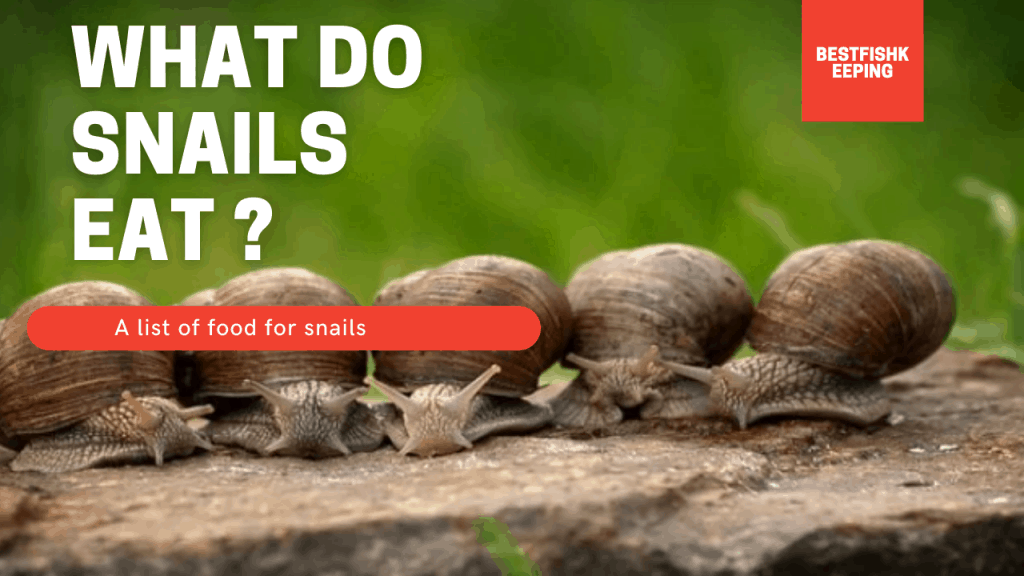
Credit: bestfishkeeping7.medium.com
Snail Diet Basics
Snails often munch on garden plants, causing damage to leaves and stems. They prefer tender greens, especially young seedlings. Understanding their diet helps gardeners protect plants effectively.
Snails are fascinating creatures with diverse diets, which can include your garden plants. Understanding their dietary habits helps gardeners manage snail populations effectively. Snails feed on a variety of organic matter, including plants, fungi, and algae. Their diet can significantly impact garden health.Understanding Snail Eating Habits
Snails are not picky eaters. They consume a range of plants, preferring tender leaves and stems. Young plants are most vulnerable. Snails also enjoy decaying matter, which provides nutrients. Their eating habits change based on availability.What Attracts Snails To Gardens?
Moist environments attract snails. Gardens with damp soil and shade are ideal for them. They are drawn to leafy greens and flowers. Snails prefer environments that offer shelter and abundant food sources.Common Plants Snails Love To Eat
Snails often target lettuce, cabbage, and spinach. They also enjoy hostas and marigolds. These plants provide the soft, juicy leaves that snails favor. Gardeners notice damage on these plants when snails are present.How To Identify Snail Damage
Snail damage appears as irregular holes in leaves. You may see slime trails on plants. This indicates snail activity. Damaged plants often show signs of stress. Leaves may turn yellow or wilt due to snail feeding. Understanding the basics of snail diets can help in managing them effectively. Gardens can thrive without snail interference.Common Garden Plants Affected
Snails often feast on tender garden plants, targeting lettuce, spinach, and strawberries. Their appetite can lead to noticeable damage, leaving gardeners frustrated. Certain flowers like marigolds and petunias are also vulnerable to snail munching.
When you spot those tiny trails glistening in the morning light, it’s a telltale sign that snails have been foraging in your garden overnight. These slow-moving critters are notorious for their appetite, often leaving gardeners frustrated as they munch away at beloved plants. Understanding which plants are commonly affected can help you safeguard your green sanctuary.Tomatoes
Tomatoes seem to be a favorite target for snails, particularly the tender young plants. They love to nibble on the leaves and stems, often causing significant damage before you even notice. Have you ever found your tomato plants looking bare overnight?Lettuce
Lettuce is often a magnet for snails. The soft leaves are easy for them to chew, making it an easy meal. If you’re growing lettuce, be prepared to find holes and ragged edges on your leaves.Hostas
Hostas, with their broad leaves, are a gourmet meal for snails. They love hiding under the foliage during the day and come out at night to feast. It’s heartbreaking to find your hostas shredded after a snail attack.Strawberries
If you notice small bites taken out of your strawberries, snails might be the culprits. They are attracted to the sweet, juicy fruits, often leaving them scarred and inedible. Have you ever tasted a strawberry with a tiny hole, only to realize it’s been sampled by a snail?Marigolds
Marigolds are not just beautiful; they can also be a tasty snack for snails. Although they are often used as a natural deterrent for other pests, snails don’t seem to mind munching on them. This can be quite surprising for many gardeners.Cucumbers
Cucumber plants can suffer from snail damage, particularly the leaves. Snails find them appealing, and you might notice your cucumber leaves looking skeletal, with much of the leaf tissue gone. To protect your garden, consider using physical barriers or natural deterrents. Have you tried surrounding your plants with crushed eggshells or diatomaceous earth? These can make it difficult for snails to crawl over to your plants. Understanding their patterns can help you outsmart them and preserve your garden’s beauty.Signs Of Snail Damage
Snails can be a gardener’s nightmare. They munch on your beloved plants, leaving telltale signs of their feast. Spotting snail damage early can save your garden. Recognizing these signs helps in taking timely action.
Chewed Leaves
Snails leave irregular holes on leaves. These holes have smooth edges. This is a clear sign of snail activity. Examine the leaves closely. Snails often hide beneath them during the day.
Silvery Trails
Snails leave a shiny trail as they move. This trail glistens in the sunlight. It appears on soil, leaves, and garden paths. This is a sure sign of snail presence. These trails help trace their path.
Damaged Seedlings
Young plants are favorites for snails. Seedlings often get eaten completely. Leaves and stems may vanish overnight. Watch out for disappearing sprouts. It indicates a snail attack.
Nibbling On Fruits
Snails enjoy ripe fruits. They nibble on strawberries and tomatoes. The damage is visible as small bites. Look for signs on lower-hanging fruits. They are easy targets for snails.

Credit: uk.style.yahoo.com
Natural Habitats Of Snails
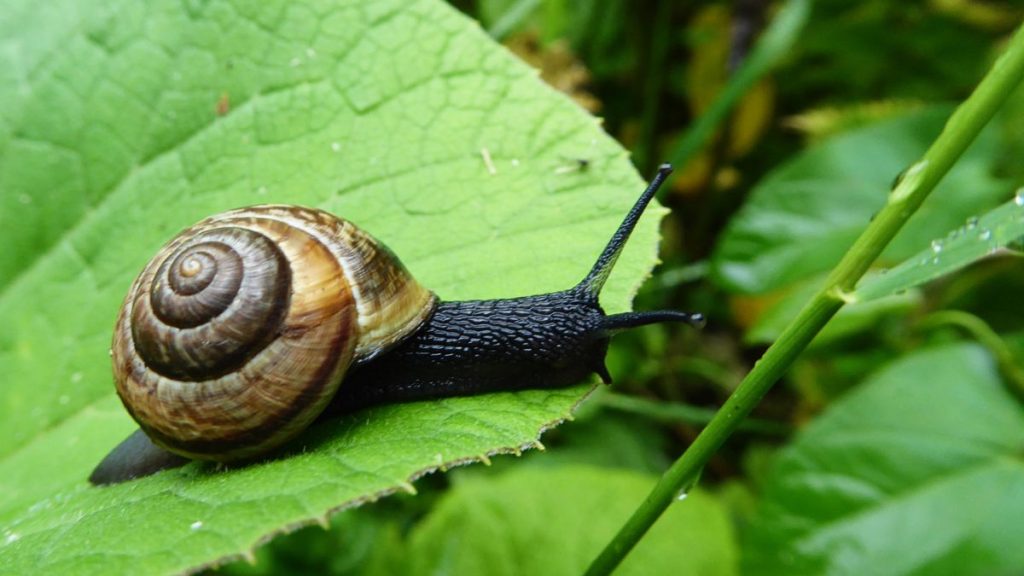
Snails often find their way into gardens, munching on tender plants. They thrive in moist, shaded areas. These soft-bodied creatures can cause significant damage to leaves and stems, making them a common concern for gardeners.
Snails are fascinating creatures known for their slow pace and unique spiral shells. They thrive in a variety of natural habitats, each offering a different environment that influences their behavior and diet. Understanding where snails naturally reside can help you manage their presence in your garden.Understanding Snail Habitats
Snails are adaptable and can be found in various environments. They are commonly seen in damp areas like forests, gardens, and even urban parks. Their preference for moisture means you’ll often find them hiding under leaves, rocks, and logs where humidity is high. These natural settings provide them with shelter and food, making them ideal for snail habitation.Why Moisture Is Key
Moisture plays a crucial role in a snail’s habitat. It keeps their skin hydrated and aids in their mobility. This is why rainy seasons often lead to a surge in snail activity. If your garden has a lot of shaded, damp spots, it might be a prime location for snails to thrive. Consider how this aspect of their habitat could impact your plant life.Snails And Soil Type
Have you noticed snails in your garden soil? Snails are attracted to certain soil types that retain moisture well. Clay and loamy soils are particularly appealing to them. These soils offer not only the hydration they need but also a rich source of organic material to munch on. Could changing your soil composition help manage snail populations?Can You Create A Snail-free Zone?
Thinking of ways to make your garden less inviting to snails? One method is to reduce moisture levels by improving drainage. Another is to alter the soil type by mixing in sand or gravel, which won’t retain water as much. These changes can make your garden less attractive to snails, safeguarding your plants from their munching habits. Understanding the natural habitats of snails is not just about knowing where they live but also about using that knowledge to protect your garden plants effectively.Factors Influencing Snail Feeding
Snails often munch on garden plants, especially those with tender, juicy leaves. Their food choices depend on plant type, availability, and environmental conditions. Recognizing these factors can help manage snail damage effectively.
Understanding the factors that influence snail feeding can help you protect your garden plants effectively. Snails are notorious for munching away at your lush greenery, but not all plants are equally appealing to them. By knowing what attracts these slimy critters, you can strategize to keep your garden safe.Plant Type And Condition
Certain plants are more appetizing to snails. They often prefer tender, young leaves and flowers. For example, lettuce, hostas, and marigolds are known favorites. If your garden is full of these plants, it might be a snail buffet. However, even hardy plants can become targets if they’re weakened or diseased. Healthy plants often have natural defenses against pests. Ensuring your plants are robust might deter snail damage.Moisture Levels
Snails thrive in damp environments. They prefer feeding during wet conditions. After a rain shower, you might notice more snail activity in your garden. If your garden has areas that retain moisture, those spots could become snail hotspots. Consider improving drainage or reducing excessive watering to make your garden less inviting to snails.Time Of Day
Snails are mostly nocturnal. They feed at night or during the early morning when it’s cooler and more humid. Observing your garden at these times might reveal the true extent of snail activity. You could conduct a night patrol to catch them in action. Armed with a flashlight, you might spot snails and take immediate action to protect your plants.Natural Predators
The presence of natural predators can influence snail feeding patterns. Birds, frogs, and beetles can help control snail populations. Encouraging these predators in your garden can be a natural way to keep snail numbers in check. Planting shrubs or installing bird baths might attract helpful wildlife.Garden Maintenance
A cluttered garden with plenty of hiding spots can invite more snails. Regular maintenance, like clearing debris and trimming overgrown plants, can reduce snail shelters. By keeping your garden tidy, you can minimize the areas where snails hide during the day. This simple step might make a big difference in your snail problem. Understanding these factors not only helps in preventing snail damage but also enhances your gardening skills. What measures are you taking to shield your garden from these persistent pests?Preventing Snail Infestations
Snails often munch on tender garden plants, causing significant damage. Protecting your garden involves regular monitoring and natural deterrents. Encourage snail predators like birds and frogs to keep populations in check.
Preventing snail infestations in your garden can protect your plants. Snails can quickly become a gardener’s nightmare. They munch on leaves, stems, and even roots. Implementing effective strategies can help keep your garden healthy and thriving.Barriers And Deterrents
Create barriers to keep snails away from plants. Use copper tape around pots and garden beds. Snails dislike crawling over copper due to a mild electric charge. Crushed eggshells or coffee grounds can also deter them. These materials create rough surfaces that snails avoid. Planting certain herbs can help as well. Lavender, rosemary, and mint are natural snail deterrents. These aromatic plants repel snails with their strong scent. Surrounding your garden with these herbs adds beauty and protection.Natural Predators
Encourage natural predators in your garden. Birds, frogs, and beetles feast on snails. Attract these creatures by creating a welcoming environment. Install birdhouses and birdbaths to lure birds. Provide damp, shaded areas for frogs to thrive. Incorporate plants that attract beetles. Marigolds and yarrow can draw these helpful insects. By supporting natural predators, you create a balanced ecosystem. This reduces snail populations without harsh chemicals.Eco-friendly Snail Control Methods
Snails munch on garden plants, causing damage to leaves and stems. Eco-friendly methods help control them without chemicals. Use barriers like crushed eggshells or copper tape to deter snails naturally.
Keeping your garden free from snails doesn’t have to involve harmful chemicals. Eco-friendly methods are not only safer for the environment but also for you and your plants. By using nature-based solutions, you can manage snail populations effectively without disrupting the delicate balance of your garden ecosystem.Use Natural Predators
Encourage animals that naturally prey on snails. Birds, frogs, and certain types of beetles can be your allies. Create a welcoming environment by adding bird baths or small ponds to attract these helpful creatures.Handpicking
It might not sound glamorous, but handpicking snails can be surprisingly effective. Head out in the early morning or late evening when snails are most active. Consider it a mindful moment in your garden routine.Barriers And Traps
Physical barriers like copper tape can deter snails due to its unpleasant reaction with their slime. Beer traps are another option, luring snails with the scent of yeast. Place a shallow dish of beer in your garden and let it work its magic.Plant Companion Plants
Certain plants naturally repel snails, acting as a botanical barrier. Planting garlic, sage, or mint around your vulnerable plants can help keep snails at bay. Experiment with different combinations to see what works best for your garden.Maintain Garden Hygiene
Keep your garden tidy by removing debris and excess leaves where snails might hide. Regularly check under pots and stones. A cleaner garden provides fewer hiding spots for these pesky mollusks.Encourage Healthy Soil
Healthy soil can support stronger plants, making them less susceptible to snail damage. Use organic compost to enrich your soil. The better your plants can grow, the less appealing they’ll be to snails. What methods have you tried in your garden? It’s fascinating how small changes can make a big impact. Engaging with nature provides a deeper understanding of your garden’s unique needs.Balancing Garden Ecology
Balancing garden ecology involves understanding snail behavior. These creatures feast on tender leaves and young plants. Their presence can lead to damaged foliage, yet they play a role in the ecosystem, aiding in decomposition.
Balancing garden ecology is essential in creating a harmonious environment for your plants to flourish. When snails munch on your garden plants, it can feel like a battle. Yet, understanding their role in the ecosystem can help you maintain balance without losing your prized blooms. Snails, though often seen as pests, contribute to the nutrient cycle by breaking down organic matter. This decomposition process enriches the soil, making it healthier for plant growth.Understanding The Snail’s Role
Snails play a crucial part in the garden ecosystem. They help decompose dead plants and contribute to nutrient cycling. While they might nibble on your lettuce, they are also working to improve soil health. Consider their presence as a sign of a thriving ecosystem.Natural Predators
Nature has its way of balancing things out. Birds, beetles, and even frogs are natural predators of snails. Encouraging these creatures in your garden can help control snail populations. Plant shrubs and install small water features to attract these helpful allies.Companion Planting
Certain plants can deter snails, acting as natural repellents. Garlic, marigolds, and rosemary are excellent choices to keep snails at bay. By strategically placing these around your vulnerable plants, you create a natural barrier. This method adds beauty and fragrance to your garden while protecting your plants.Creating A Snail-friendly Zone
Designating a small area of your garden as a snail-friendly zone can divert them from your prized plants. Fill this zone with their favorite snacks and they might leave the rest of your garden alone. Sometimes, giving a little space can go a long way in preserving balance.Using Barriers And Traps
While maintaining ecological balance, it’s okay to use barriers and traps to keep snails in check. Copper tape or crushed eggshells around plant bases can deter them effectively. Set up simple traps using beer or yeast to control their numbers without harming the ecosystem. Balancing garden ecology requires understanding and patience. By learning the role snails play and employing these practical strategies, you can enjoy a thriving garden that’s both beautiful and balanced. What strategies do you think will work best in your garden?Myths About Snails And Plants
When it comes to snails in the garden, there’s a lot of misinformation floating around. Many gardeners swear by certain beliefs, only to find themselves puzzled when their plants continue to suffer. Let’s debunk some common myths about snails and plants. Understanding the truth can help you manage your garden more effectively and protect your precious plants.
Myth 1: Snails Eat All Types Of Plants
Not all plants are on a snail’s menu. While they love munching on leafy greens and tender stems, certain plants like lavender and rosemary are often left untouched. If you’re struggling with snail problems, consider adding these resistant varieties to your garden.
Myth 2: Snails Are Active Only At Night
It’s a common belief that snails only come out under the cover of darkness. However, these creatures can be active during the day, especially in moist and cool conditions. Keep an eye out for them even when the sun is up.
Myth 3: Beer Traps Are The Best Solution
While beer traps can lure snails, they might not be the ultimate solution. They can attract more snails to your garden, turning a small problem into a bigger one. Experiment with other methods like copper tape or natural predators to find what truly works for you.
Myth 4: Snails Have No Benefits
Believe it or not, snails do contribute positively to the ecosystem. They help break down organic matter, enriching the soil. Instead of seeing them as mere pests, consider their role in maintaining a healthy garden ecosystem.
Understanding these myths is crucial. Which of these misconceptions surprised you the most? Let us know how you plan to tackle snail issues in your garden!

Credit: uk.style.yahoo.com
Frequently Asked Questions
Do Snails Harm Garden Plants?
Yes, snails can harm garden plants by eating their leaves and stems. They often leave holes and damage, affecting plant health.
What Plants Do Snails Prefer?
Snails prefer leafy greens, hostas, and young seedlings. They are particularly attracted to tender and soft plant parts.
How Can I Protect Plants From Snails?
You can protect plants using barriers like copper tape or eggshells. Additionally, remove hiding spots and use organic snail repellents.
Do Snails Eat Flowers?
Yes, snails eat flowers, especially those with soft petals. They can damage blooms, impacting the plant’s overall appearance.
Conclusion
Snails can be a real nuisance in gardens. They munch on leaves and flowers. Their damage is often visible and frustrating for gardeners. Control methods are necessary to protect plants. Consider natural options like barriers or traps. Regular checks help spot snail activity early.
Encouraging birds and other natural predators can keep snail populations low. A healthy garden balance deters snails effectively. With some effort, gardens can thrive without snail damage. Keep an eye out and take action when needed. Happy gardening!