
Picture this: you’ve spent weeks nurturing your tomato plants. You eagerly anticipate the juicy fruits of your labor, only to find them mysteriously nibbled away.
As you survey your garden, you might wonder, “Could rabbits be the culprits? ” If you’ve ever pondered this question, you’re not alone. Gardeners everywhere face the challenge of protecting their prized plants from curious critters. You want to ensure your hard work pays off, and understanding the habits of these furry visitors is key.
You’ll discover whether rabbits truly have a taste for your tomato plants and learn effective ways to safeguard your garden. By the end, you’ll be armed with practical tips to keep your tomatoes thriving and your garden bunny-free. Let’s dive into the intriguing world of garden dynamics and find out what role rabbits play in it.
Rabbits’ Diet Preferences
Rabbits may nibble on tomato plants in gardens. Their diet includes various vegetables, making tomato plants a tempting snack. Gardeners might need to protect their tomato plants from these curious eaters.
Rabbits are charming, fluffy creatures often seen hopping in gardens. Yet, their diet can sometimes be a mystery for gardeners. Understanding what rabbits enjoy eating helps protect your garden plants. Rabbits have specific preferences and sometimes, tomato plants catch their interest.What Do Rabbits Typically Eat?
Rabbits are herbivores. They mainly feast on grass, leaves, and shoots. In gardens, they nibble on various vegetables and fruits. Carrots, lettuce, and broccoli are favorites. They also eat flowers and bark, especially in winter when food is scarce.Do Rabbits Like Tomato Plants?
Tomato plants can attract rabbits. Though not a primary choice, the leaves can tempt them. Rabbits might nibble on the stems and leaves, causing damage. They rarely eat the tomatoes themselves unless desperate.Why Tomato Plants Attract Rabbits
Tomato plants have a distinct smell that can lure rabbits. The tender leaves are easy for them to chew. Young tomato plants are especially vulnerable to rabbit attacks.Protecting Your Garden From Rabbits
Safeguard your garden to keep rabbits away. Use fencing around your garden beds. A wire mesh with small openings works best. Plant strong-scented herbs like rosemary and thyme as a natural deterrent. These measures help maintain your garden’s health. Understanding rabbits’ diet preferences aids in better garden management. Recognizing what attracts rabbits can prevent potential garden damage.
Credit: www.yahoo.com
Tomato Plants As Rabbit Food
Rabbits nibble on tomato plants, often attracted by the lush leaves. These garden visitors prefer tender shoots, posing a threat to your tomato harvest. Protecting plants with barriers can deter these curious nibblers effectively.
Tomato plants are a surprising delight for rabbits, transforming your garden into an all-you-can-eat buffet. While you may think of tomatoes as primarily human fare, these juicy fruits also appeal to our long-eared friends. Understanding why rabbits are drawn to tomato plants can help you protect your garden while appreciating the natural interaction between wildlife and vegetation.Why Do Rabbits Love Tomato Plants?
Rabbits are attracted to the tender leaves and stems of tomato plants. They find the soft texture easy to nibble on, offering them a tasty snack. Additionally, the moisture content in tomato leaves helps keep rabbits hydrated, especially in warmer months.Recognizing Rabbit Damage On Tomato Plants
Identifying rabbit damage can be a bit tricky. Look for clean cuts on stems and leaves, often close to the ground. These cuts are typically sharp and precise, unlike the ragged edges left by other pests. If you notice your tomato plants mysteriously trimmed, it might be the work of a furry visitor.Protecting Your Tomato Plants
Creating barriers is a practical approach. Consider installing a fence around your garden—make sure it’s at least two feet high and buried a few inches into the ground to prevent digging. Use mesh wire to cover individual plants for added protection.Alternative Food Sources For Rabbits
Encouraging rabbits to snack elsewhere can be effective. Planting a small patch of clover or wildflowers can divert their attention from your tomatoes. These plants are easier for rabbits to access and provide a satisfying alternative.Balancing Wildlife And Gardening
Balancing the needs of wildlife and your gardening goals can be challenging but rewarding. Sometimes, sharing your garden with local wildlife creates a richer ecosystem. Could you find a way to coexist with rabbits without sacrificing your tomatoes? By understanding the allure of tomato plants to rabbits, you can take steps to safeguard your garden while fostering a healthy environment for all creatures. As you cultivate your garden, remember the delicate dance between nature and nurture.Signs Of Rabbit Damage
Rabbits can nibble on tomato plants, leaving telltale signs. Chewed leaves, stems, and missing fruit indicate their presence. These garden visitors often leave smooth cuts, unlike jagged ones made by insects.
Spotting rabbit damage in your garden can be a bit of a detective game. If you suspect these fluffy critters are munching on your tomato plants, there are tell-tale signs you can look for. You’ll need to pay attention to certain clues, so grab your gardening gloves and get ready to investigate.Chewed Leaves And Stems
Rabbits often leave a distinct mark on leaves and stems. Look for clean, angled cuts, almost as if someone used scissors. These cuts are typically low to the ground since rabbits don’t climb. If your tomato plants show this kind of damage, you’ve likely got a bunny visitor.Missing Or Nibbled Fruits
Rabbits aren’t just interested in leaves; they love the fruits too. Check your tomatoes for signs of bites or missing fruits altogether. You might find half-eaten tomatoes lying around or completely vanished ones, pointing towards hungry rabbits.Tracks And Droppings
Rabbits leave more than just plant damage behind; they leave tracks and droppings. Look for small, round pellets scattered around your plants. Also, examine the soil for tracks, which are often small with a distinctive pattern.Flattened Paths In Grass
Rabbits have a habit of creating paths in grass or dirt as they move around. If you notice flattened areas leading to your garden, it’s a clear indicator that rabbits are frequent visitors. These paths often become visible after frequent use.Garden Borders Breached
Check your garden borders for signs of entry. Rabbits can squeeze through small gaps and leave fur or gnaw marks on fences or gates. If you find any breaches, it might be time to reinforce your garden defenses. Are there any other signs you have noticed? Recognizing these clues can help you protect your beloved tomato plants from further rabbit raids.Protecting Your Garden
Rabbits are adorable creatures, but they can turn into pesky intruders in your garden, especially if you’re nurturing tomato plants. If you’ve noticed nibbling damage on your prized tomatoes, it might be time to consider some strategies to safeguard your garden. Protecting your garden from these furry invaders doesn’t have to be a daunting task. With the right tools and techniques, you can enjoy a thriving tomato patch without sharing it with rabbits.
Fencing Solutions
A sturdy fence can be your first line of defense against rabbits. Choose materials like wire mesh that rabbits can’t chew through. Ensure the fence is at least three feet high and buried a few inches into the ground to prevent burrowing.
Have you ever tried using chicken wire? It’s affordable and effective. You can even add a layer of netting on top for extra protection. This barrier might look simple, but it can keep your tomatoes safe from curious nibblers.
Natural Deterrents
Rabbits are sensitive to certain smells. Consider using natural deterrents like garlic or hot pepper sprays around your tomato plants. These can be homemade and are environmentally friendly.
Have you ever noticed how rabbits avoid certain plants? Marigolds and lavender can act as deterrents when planted nearby. Their strong scent might just convince rabbits to hop elsewhere.
Companion Planting
Companion planting is a clever way to protect your garden. Certain plants can naturally repel rabbits while promoting the growth of your tomatoes. Try interspersing plants like basil or onions among your tomato plants.
Have you ever considered that some plants might attract beneficial insects that deter rabbits? This method not only protects your tomatoes but also enhances your garden’s ecosystem.
By implementing these strategies, you can reclaim your garden and enjoy those juicy tomatoes without unexpected bites. Have you tried any of these methods? Share your experiences and let’s keep those rabbits at bay!
Alternatives To Keep Rabbits Away
Rabbits often nibble on tomato plants, causing damage in gardens. Installing rabbit-proof fences or using natural repellents can help deter them effectively. Planting rabbit-resistant flowers nearby also offers a protective barrier for your tomato plants.
Keeping rabbits away from your tomato plants can be a challenge, but it isn’t impossible. With a little creativity and effort, you can safeguard your garden from these furry intruders. Let’s explore some practical alternatives to protect your tomato plants and keep those pesky rabbits at bay.Decoy Plants
Planting decoy plants is a clever way to divert rabbits’ attention. Consider growing plants that rabbits find even more enticing than tomatoes. Rabbits are known to prefer plants like lettuce, clover, or dandelions. By planting these around the perimeter of your garden, you can create a tempting buffet that keeps them away from your prized tomato plants. This approach not only protects your tomatoes but also adds variety to your garden. Have you ever thought about how decoy plants can enhance your garden’s ecosystem while also serving as a natural deterrent?Physical Barriers
Physical barriers are one of the most effective ways to protect your tomato plants. A simple and affordable option is to use chicken wire fencing around your garden. Ensure the fence is at least two feet high and buried a few inches into the ground to prevent rabbits from burrowing underneath. You might also consider using garden netting or hardware cloth for added protection. How would it feel to finally enjoy a rabbit-free garden, knowing your tomatoes are safe behind a sturdy fence? Using physical barriers can sometimes feel like an extra step, but the peace of mind it provides is worth the effort. Plus, you’ll likely save more tomatoes in the long run, making it a worthwhile investment. By implementing these strategies, you can create a garden environment that’s less appealing to rabbits and more secure for your tomatoes. What other creative solutions have you discovered to keep rabbits away from your garden?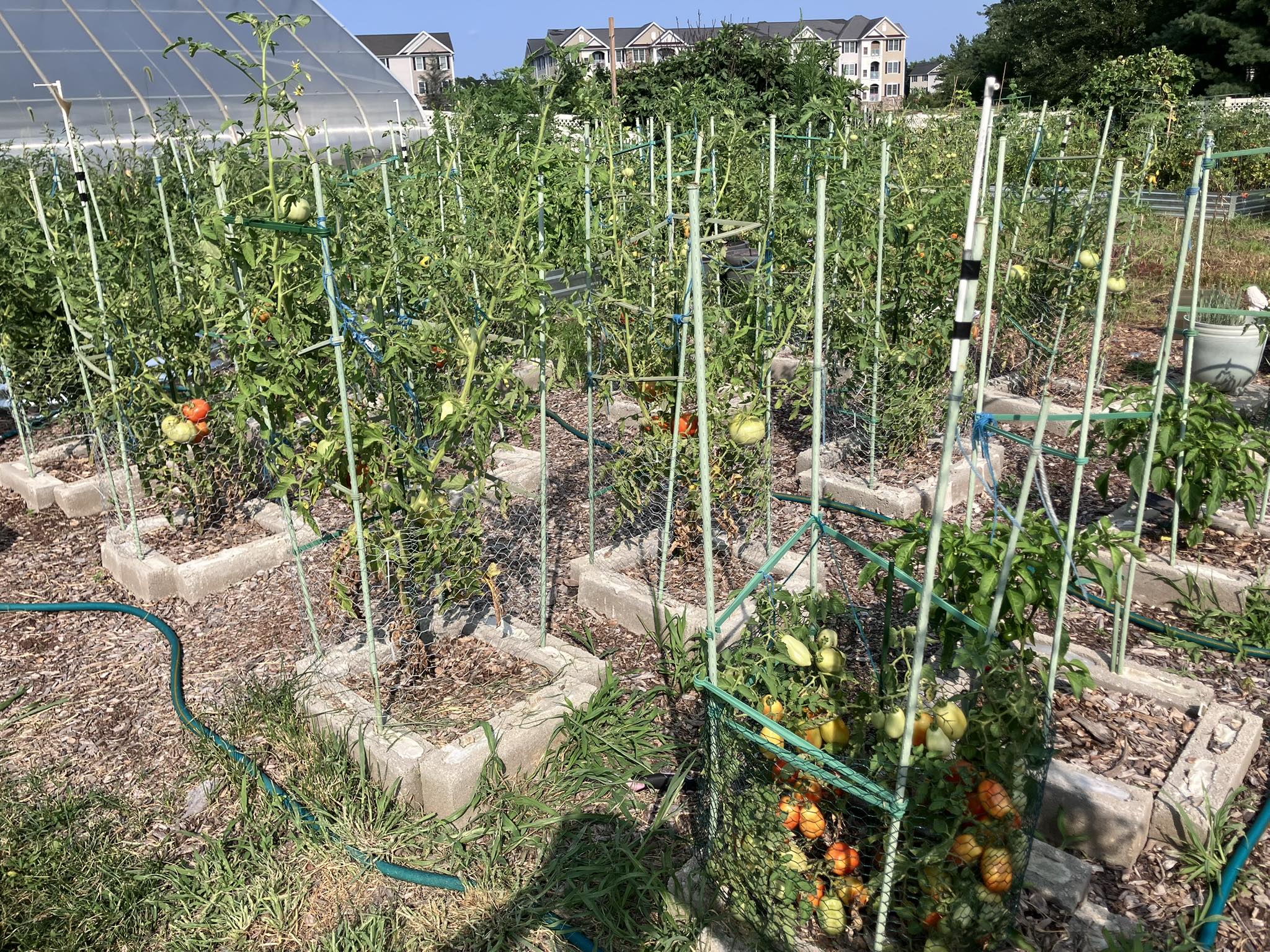
Credit: www.facebook.com
When Rabbits Are Beneficial
Rabbits can help keep gardens tidy by nibbling on weeds. Yet, they might munch on tomato plants too. Their presence is both beneficial and challenging for gardeners.
Rabbits often have a bad reputation among gardeners, especially when it comes to devouring tomato plants. However, there are times when these furry creatures can actually be beneficial to your garden. Understanding how rabbits can contribute positively might change the way you view these little plant nibblers.Natural Fertilizers
Rabbit droppings are excellent for your garden. They are rich in nitrogen and phosphorus, vital nutrients for plant growth. Unlike other animal manures, rabbit droppings can be added directly to the soil without composting first. By allowing rabbits to roam in designated areas, you can naturally fertilize your garden. This can enhance soil quality and promote healthier plants. It’s an effortless way to recycle waste into something productive.Weed Control
Rabbits can help manage unwanted plant growth. They have a penchant for munching on weeds and grasses. By strategically allowing rabbits to graze, you can keep weed populations in check. This natural form of weed control reduces the need for chemical herbicides. It’s an eco-friendly solution that supports sustainable gardening practices.Attracting Other Wildlife
Rabbits can draw other beneficial wildlife to your garden. Birds of prey, for instance, may frequent your garden more if rabbits are around. These birds can help control pests like rodents and insects. A balanced ecosystem in your garden can lead to healthier plants. Creating a habitat that supports diverse wildlife can enhance your garden’s resilience.Educational Opportunities
Having rabbits in your garden can be a learning experience. They provide a chance to observe wildlife behavior and interactions. This can be especially rewarding for children and those new to gardening. Understanding the habits of rabbits can also make you a more mindful gardener. It encourages you to think about how different species interact within your garden ecosystem. Have you ever considered how rabbits might be more than just garden pests? Embracing their presence could lead to unexpected benefits. Are you ready to give rabbits a chance in your garden?
Credit: www.yahoo.com
Frequently Asked Questions
Do Rabbits Eat Tomato Plants?
Yes, rabbits do eat tomato plants. They are attracted to the leaves and stems. While tomatoes themselves are not their first choice, they may nibble on them if other food sources are scarce. Protect your garden with barriers to prevent rabbit damage.
Are Tomato Plants Safe For Rabbits?
Tomato plants are not safe for rabbits. The leaves and stems contain solanine, which is toxic to them. If rabbits consume large quantities, they might experience digestive issues. Always ensure rabbits have safe, alternative food sources available to prevent them from nibbling on harmful plants.
How Can I Stop Rabbits From Eating My Tomato Plants?
To stop rabbits, use physical barriers like fences around your garden. Consider using rabbit repellents or planting rabbit-resistant plants nearby. Regularly check for any gaps in barriers. Maintaining a clean garden environment can also deter rabbits from visiting your plants.
Do Rabbits Prefer Tomato Plants Over Other Vegetables?
Rabbits generally prefer leafy greens over tomato plants. However, if food is scarce, they may nibble on tomatoes. Providing alternative, rabbit-friendly plants can help divert their attention. Ensure your garden is well-protected to keep rabbits away from all your vegetables.
Conclusion
Rabbits can nibble on tomato plants in your garden. They find young plants tasty. Protect your plants using simple barriers or natural repellents. Check your garden regularly for signs of rabbit activity. Use fencing to keep rabbits away from the plants.
You can also grow plants that rabbits dislike nearby. This helps in deterring them. Remember, rabbits are not picky eaters. They might try other vegetables too. Keeping your garden secure ensures a healthy harvest. Enjoy gardening without worrying about rabbits munching on your plants.
Stay vigilant and enjoy your lush, thriving garden.







