
Imagine stepping into your garden, only to find the leaves of your precious plants riddled with holes. Frustrating, right?
You might wonder what’s causing this damage. Could it be those grasshoppers you spotted hopping around? If you’re nodding your head, you’re not alone. Many gardeners face the same dilemma: do grasshoppers eat garden plants? In this post, we’ll explore the truth behind these notorious nibblers and uncover the secrets to safeguarding your green haven.
Whether you’re a seasoned gardener or just starting out, understanding the habits of grasshoppers could be your first step towards protecting your plants. So, if you’re eager to find out how to keep your garden thriving and free from unwanted guests, keep reading. Your plants will thank you!
Grasshoppers And Their Diet
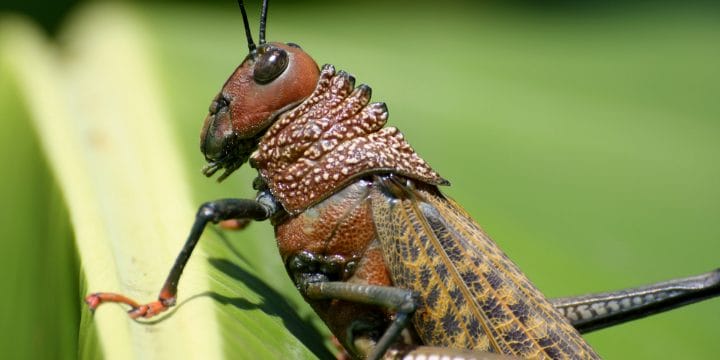
Grasshoppers are fascinating insects with diverse diets. Their eating habits can impact gardens significantly. Understanding their diet helps in managing their presence.
Common Food Sources
Grasshoppers enjoy a wide range of plants. They feed on grasses, leaves, and flowers. Their preferred meals are often found in gardens.
Besides garden plants, they consume crops like wheat, corn, and barley. Their diet varies with availability. In dry seasons, they may turn to trees and shrubs.
Impact On Garden Plants
Grasshoppers can cause considerable damage to gardens. They chew on leaves, leaving holes and jagged edges. This feeding can stunt plant growth.
Severe infestations may defoliate plants entirely. Young seedlings are particularly vulnerable. Grasshoppers can quickly destroy tender shoots.
Damage severity depends on grasshopper population size. Larger populations can devastate gardens rapidly.

Credit: gazette.com
Identifying Grasshopper Damage
Grasshoppers can be a menace to garden plants, munching leaves and stems. Look for jagged leaf edges and missing foliage. Their damage often appears in irregular patterns, which can lead to weakened plants and reduced growth.
Identifying grasshopper damage in your garden is crucial for maintaining healthy plants. These little invaders can cause significant harm, and recognizing the signs early can save your garden from devastation. As someone who once battled a grasshopper infestation, I can attest to the importance of vigilance. One summer, I noticed my thriving vegetable patch was slowly turning into a sad, chewed mess. Understanding the damage caused by grasshoppers helped me take effective action.Signs Of Infestation
Grasshoppers leave distinct marks on your plants. Look for jagged holes in leaves or stems, often starting at the edges. This is a telltale sign of their presence. You might also notice that entire leaves seem to vanish overnight. They have a voracious appetite, and if you’re not careful, they can strip a plant bare. Watch for grasshoppers themselves, especially during the hotter months. They tend to be more active in warm weather, so spotting them hopping around can confirm your suspicions.Affected Plant Types
Grasshoppers aren’t picky eaters. They can attack a wide variety of plants in your garden. Vegetables like lettuce, cabbage, and beans are particularly vulnerable. Fruit trees can also be at risk. The tender leaves of young fruit trees are an attractive target for hungry grasshoppers. Even ornamental plants aren’t safe. Flowers and shrubs can suffer from their relentless munching. Keep an eye on these if you notice damage elsewhere in your garden. Is there a particular plant that seems to attract grasshoppers more than others in your garden? Recognizing which plants are affected can help you focus your protective efforts more effectively.Natural Control Methods
Dealing with grasshoppers munching away at your garden plants can feel like an uphill battle. Instead of reaching for chemical pesticides, consider natural control methods to keep these hungry critters at bay. Not only are these methods safer for your garden’s ecosystem, but they also support biodiversity.
Encouraging Predators
One effective way to manage grasshopper populations is by attracting their natural predators to your garden. Birds, frogs, and spiders can significantly reduce grasshopper numbers. Planting shrubs and trees can provide birds with a safe haven, while a small water feature may attract frogs.
Have you ever noticed an increase in bird activity after setting up a birdbath? These feathered friends love to snack on grasshoppers. By creating a welcoming environment, you’re inviting nature’s pest control team to work for you.
Using Traps
Traps can be a practical solution for catching grasshoppers without the need for chemicals. Simple DIY traps can be made using jars filled with a mixture of water and molasses. Place these traps around your garden, and the sweet scent will lure grasshoppers in, trapping them.
Have you ever tried using molasses traps? They not only capture grasshoppers but also provide an interesting conversation starter for visitors admiring your garden. Consider experimenting with different trap placements to see which spots yield the best results.
Why not take a moment to observe how these natural methods work in your garden? You might be surprised at how effective they can be in maintaining a thriving, pest-free space.
Chemical Solutions
Grasshoppers can be a nuisance in gardens, often munching on plants and leaves. They thrive in warm weather and can damage vegetable patches, flower beds, and shrubs. Managing their presence helps maintain garden health and beauty.
Grasshoppers can become a gardener’s nightmare, devouring plants rapidly. Chemical solutions offer a way to manage these pests effectively. While natural methods are popular, chemicals sometimes become necessary. They help control grasshopper populations quickly and efficiently.Safe Pesticides
Choosing the right pesticide is crucial for plant safety. Opt for products labeled safe for garden use. Organic pesticides are a good choice. They contain natural ingredients and pose less risk. Look for neem oil or insecticidal soap. These disrupt the life cycle of grasshoppers without harming plants. Always read labels carefully. Follow the instructions to protect your garden and its ecosystem.Application Tips
Proper application of pesticides ensures effectiveness. Apply during early morning or late evening. This avoids high temperatures that can reduce effectiveness. Use a fine mist to cover plant leaves evenly. Focus on the underside of leaves where grasshoppers hide. Repeat the application if rain occurs soon after spraying. Consistent application can help control the problem. Always wear gloves and protective clothing. This ensures your safety while handling chemicals.Preventive Gardening Practices
Grasshoppers often target garden plants, leading to significant damage. Implementing preventive gardening practices can help protect your plants. Regular monitoring and natural pest control methods keep these insects at bay.
Preventive gardening practices can save your beloved garden plants from the voracious appetite of grasshoppers. By adopting smart strategies, you can create a garden environment that deters these pesky insects. Let’s explore practical methods to protect your plants effectively.Crop Rotation
Changing the location of your crops each season can disrupt the life cycle of grasshoppers. They tend to lay eggs in soil where they previously thrived. By rotating your crops, you make it harder for them to find food and reproduce. Consider planting resistant varieties in areas where grasshoppers were prevalent last year. This not only confuses the pests but also gives your plants a better chance to grow without damage. Have you tried observing which crops attract fewer grasshoppers in your garden?Barrier Techniques
Physical barriers can be a game changer in keeping grasshoppers away from your plants. Using row covers or fine mesh nets can protect your crops without affecting their growth. These barriers create a physical shield that grasshoppers cannot penetrate. You might also try surrounding your garden with tall grass or other non-crop plants. This can serve as a distraction, luring grasshoppers away from your main crops. Have you noticed how some simple adjustments can make a big difference in pest control? By using these preventive techniques, you not only safeguard your plants but also promote a healthier and more sustainable garden ecosystem. Give them a try and observe how your garden thrives.
Credit: www.facebook.com
Community Approaches
Grasshoppers can be a menace to your garden plants, munching away at leaves and stems with gusto. But what if your community could rally together to tackle this issue? Community approaches can transform the way we handle garden pests, offering a collective strength and wisdom that individual efforts often lack. Together, we can explore collaborative efforts and educational programs that empower you to protect your precious greens.
Collaborative Efforts
Imagine teaming up with your neighbors to combat grasshopper infestations. Pooling resources and knowledge can make a huge difference. Community gardens can serve as a hub for sharing strategies and tools. You might find someone with extra netting or a method they’ve perfected over years of gardening.
Consider organizing regular meet-ups to discuss pest control techniques. These gatherings can foster a sense of camaraderie and purpose. Sharing success stories can motivate everyone to keep their gardens thriving despite grasshopper threats.
Educational Programs
Would you attend a workshop to learn how to protect your garden from grasshoppers? Educational programs offer invaluable insights into pest management. Local gardening clubs or extension services might host sessions that teach practical, hands-on techniques.
These programs can also introduce you to eco-friendly solutions. Learning about natural predators or organic repellents can be a game-changer. Wouldn’t it be great to have a garden that’s not only pest-free but also chemical-free?
Such initiatives can help create a community that is not just reactive but proactive. With the right knowledge, you can anticipate grasshopper invasions and prepare accordingly, ensuring your garden remains lush and vibrant.
Credit: littlesproutslearning.co
Frequently Asked Questions
Do Grasshoppers Damage Garden Plants?
Yes, grasshoppers can significantly damage garden plants by feeding on leaves, stems, and flowers. Their eating habits can lead to defoliation and stunted plant growth, affecting the overall health and productivity of your garden. Managing their population is crucial for protecting your plants.
What Plants Are Most Affected By Grasshoppers?
Grasshoppers often target leafy vegetables, flowers, and young plants. They are particularly attracted to lettuce, beans, corn, and tomatoes. Keeping these plants protected can help reduce grasshopper damage. Regular monitoring is essential to identify their presence early and implement control measures.
How Do I Prevent Grasshoppers In My Garden?
You can prevent grasshoppers by using physical barriers like row covers and nets. Introducing natural predators, such as birds and beneficial insects, can help control their population. Keeping the garden clean and removing debris reduces potential hiding spots. Regular inspections are vital for early detection.
Are Grasshoppers Harmful To All Plants?
Grasshoppers are not equally harmful to all plants. They prefer leafy vegetables and soft-stemmed plants. Woody plants and mature trees are less affected. However, during high infestations, they may consume nearly any plant material available. Vigilance is necessary to safeguard vulnerable plants.
Conclusion
Grasshoppers can indeed munch on garden plants. Their appetite for leaves is notable. Protecting your plants is crucial. Simple barriers like nets can deter them. Regular garden checks help catch them early. Introducing natural predators can control their numbers. Consider companion planting as a strategy.
Some plants repel grasshoppers naturally. Keep your garden healthy and diverse. A healthy ecosystem balances pests and plants. Encourage beneficial insects to thrive. With these steps, safeguard your garden effectively. Enjoy a flourishing garden with fewer pests. Happy gardening!







