
Have you ever wandered into your garden, only to find mysterious holes in your plants and wondered who the culprit might be? If you’ve spotted earwigs scuttling around, you might be quick to point fingers at these peculiar little insects.
But do earwigs really eat garden plants, or are they simply misunderstood garden visitors? Understanding the true nature of earwigs and their habits could be the key to saving your beloved plants. We’ll dive deep into the world of earwigs, unraveling their secrets and revealing whether they’re friends or foes in your garden.
Stick around, because what you learn could change the way you see these critters forever, and might just give you the upper hand in maintaining a thriving, healthy garden.
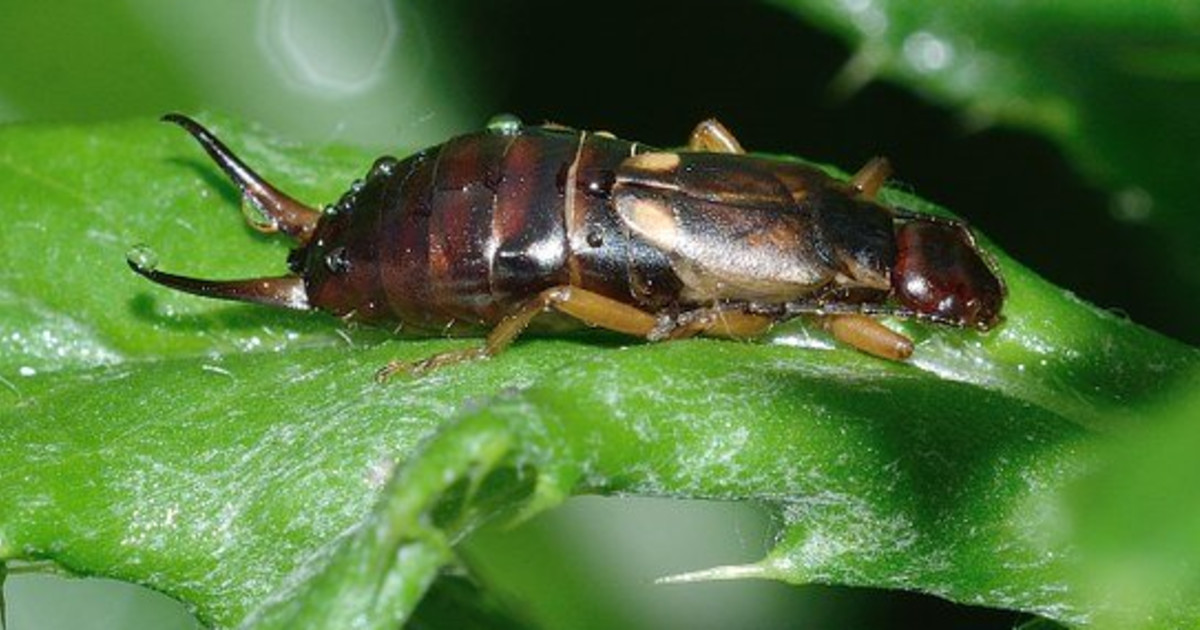
Credit: dengarden.com
Earwig Behavior
Earwigs sometimes nibble on garden plants, but they are not major threats. They prefer decaying vegetation and insects. Keeping gardens tidy can help manage them.
Earwigs have a reputation that might make you cringe, especially if you find them lurking in your garden. These small, pincered insects are often misunderstood. Understanding their behavior can help you determine whether they’re friends or foes in your garden ecosystem.Diet Preferences
Earwigs are omnivorous, meaning they have a varied diet. They enjoy nibbling on a range of organic materials, from decaying matter to live plants. While they occasionally snack on garden plants, they’re more inclined to feast on decomposing vegetation and insects. This can be beneficial, as they often help control aphid populations. You might spot them munching on tender leaves or flowers if other food sources are scarce. However, their appetite for garden plants isn’t as voracious as some other garden pests. Are earwigs really the culprits behind your chewed-up plants, or could something else be at play?Habitat And Lifestyle
Earwigs thrive in dark, damp environments. They often hide under mulch, stones, or garden debris during the day and become active at night. Their nocturnal lifestyle means they can go unnoticed in your garden, quietly maintaining their presence without disrupting your plants. Their preference for damp areas means that well-watered gardens can be a haven for earwigs. If your garden has ample mulch or decaying organic matter, you’re likely to find earwigs making themselves at home. Have you noticed any changes in your garden when the weather turns dry? Reducing moisture might help manage their population without disrupting their beneficial activities.Impact On Garden Plants
Earwigs are small insects that find solace in garden spaces. Their impact on plants can be both subtle and significant. Gardeners often wonder if these creatures are friends or foes. Understanding their effect on plants is crucial for maintaining a healthy garden.
Commonly Affected Plants
Earwigs have a taste for certain plants. They particularly like young seedlings and soft fruits. Lettuce, celery, and strawberries often attract them. They also enjoy munching on dahlias and marigolds. These plants are more susceptible to earwig damage.
Signs Of Earwig Damage
Recognizing earwig damage is vital for plant care. Look for jagged holes in leaves. These holes are usually irregular in shape. Examine the damage on the edges of leaves. Earwigs also chew on flowers and fruits. Check for missing petals or damaged fruits. The damage often occurs during the night.
Misconceptions About Earwigs
Earwigs often get a bad rap in the gardening world. Many gardeners fret over these little creatures, fearing they’ll wreak havoc on their beloved plants. But are earwigs really the villains they’re made out to be? Let’s debunk some common misconceptions and understand their true role in the ecosystem.
Understanding Their Role
Earwigs are often misunderstood. While they might nibble on your plants occasionally, their primary diet consists of decaying organic matter and small insects. This means they actually contribute to the health of your garden by helping to break down dead material and controlling pest populations.
Think of earwigs as nature’s cleanup crew. They play a crucial part in maintaining the ecological balance. Without them, you’d likely see an increase in pests like aphids and mites that can cause real damage to your plants.
Beneficial Aspects
Surprisingly, earwigs can be your allies. They are natural predators of aphids, snails, and other garden pests. By keeping these pests in check, earwigs can help improve the overall health of your garden.
Have you noticed fewer aphids on your roses this season? You might just have earwigs to thank for that! Encouraging earwigs in your garden can lead to fewer pest-related issues, reducing the need for chemical interventions.
So, before you rush to eradicate earwigs, ask yourself: Are these insects really harming my garden, or could they be helping it? Embracing earwigs could be a step towards a healthier, more balanced garden ecosystem.
Managing Earwig Populations
Earwigs often munch on garden plants, but they mostly prefer decaying matter. These pests can damage young seedlings and soft fruits. Controlling moisture and removing debris helps manage their population effectively.
Managing earwig populations in your garden can be quite a task. These nocturnal creatures, often seen scuttling away when you lift a plant pot, have a mixed reputation. While they can help control pests like aphids, they might also nibble on your tender seedlings and plant leaves. So, how do you strike a balance between letting them be and keeping your greens safe?Natural Control Methods
Harness the power of nature to maintain earwig numbers without chemicals. One effective way is to attract natural predators, such as birds, into your garden. Installing bird feeders and birdbaths can invite these winged helpers to take care of the earwigs for you. You can also create traps using common household items. Roll up damp newspapers or cardboard tubes and place them around your garden in the evening. Earwigs will crawl in overnight, seeking shelter, and you can dispose of them in the morning. Try introducing diatomaceous earth around the base of your plants. This natural powder is harmless to humans and pets but can deter earwigs by dehydrating them.Chemical Solutions
If natural methods don’t suffice, you might consider chemical options as a last resort. Always choose eco-friendly pesticides that won’t harm beneficial insects or the environment. Check for products specifically labeled for earwig control and follow the application instructions carefully. Remember, timing is crucial when applying pesticides. Spraying in the early evening when earwigs are most active can increase effectiveness. However, refrain from overuse to avoid disrupting the garden’s ecological balance. Consider using insecticidal soaps or oils for a gentler chemical approach. These can target earwigs directly without leaving harmful residues on your plants. Always test a small area first to ensure your plants tolerate the treatment. By thoughtfully managing earwig populations, you can enjoy a thriving garden without compromising its health. How have you managed to balance pest control in your garden? Share your experiences and tips!Promoting Plant Health
Exploring whether earwigs eat garden plants is essential for promoting plant health. While they can nibble on leaves, earwigs often target decaying matter, not healthy plants. Understanding their role can help balance your garden ecosystem.
Promoting plant health is essential for a thriving garden. Earwigs might nibble on plants, but they usually target decaying matter. Healthy plants can often withstand minor earwig damage. Encouraging robust plant growth is key.Preventive Measures
Start by keeping your garden clean. Remove debris and fallen leaves. This reduces earwig hiding spots. Water in the morning, not at night. Damp gardens attract earwigs. Use mulch sparingly. Too much mulch creates a moist environment. Plant companions can help. Grow garlic or mint near vulnerable plants. Earwigs dislike their scent. Check plants regularly for damage. Early detection prevents major problems.Integrated Pest Management
Combine different strategies for best results. Use natural predators like birds. They feed on earwigs. Consider setting up birdhouses to attract them. Introduce beneficial insects like ground beetles. They also eat earwigs. Traps are useful. Place rolled-up newspapers at dusk. Collect them in the morning. Dispose of the trapped earwigs. Create barriers using diatomaceous earth. It deters earwigs without harming plants. Monitor and adapt your approach. Each garden is unique. Adjust methods based on results.
Credit: www.littleyellowwheelbarrow.com
Credit: www.idahostatesman.com
Frequently Asked Questions
Do Earwigs Harm Garden Plants?
Earwigs can occasionally harm garden plants, but they are generally not significant pests. They mostly feed on decaying matter and insects. However, in large numbers, they might nibble on seedlings, flowers, or fruits. Maintaining a balanced garden ecosystem helps keep their population in check.
What Plants Do Earwigs Eat?
Earwigs may eat seedlings, soft fruits, and tender leaves. They are particularly attracted to plants like lettuce, strawberries, and dahlias. Despite this, they prefer decaying organic matter over healthy plants. Ensuring a clean garden can help minimize their impact on your plants.
How To Prevent Earwig Damage?
To prevent earwig damage, maintain garden cleanliness and remove debris. Use natural barriers like diatomaceous earth or sticky traps. Encouraging natural predators, such as birds, can also help control earwig populations. Regular monitoring ensures early detection and management of any potential issues.
Are Earwigs Beneficial For Gardens?
Yes, earwigs can be beneficial for gardens. They help control aphid populations and decompose organic matter. This promotes soil health and reduces the need for chemical interventions. However, it’s essential to monitor their numbers to prevent them from becoming pests.
Conclusion
Earwigs can munch on garden plants. They enjoy nibbling on seedlings and leaves. But their impact is usually minor. Most plants survive their visits. You can manage earwigs easily. Remove debris where they hide. Use traps to catch them. Check plants regularly for signs.
Natural predators like birds help control them too. Gardeners can relax. Earwigs are not a major threat. Their presence is part of a balanced ecosystem. Enjoy your garden. Keep it healthy. Watch for changes. Your plants will thrive. Stay informed.
Protect your garden. Happy gardening!







