
Are you worried about the creepy crawlies that might be munching on your beloved garden plants? If you’ve ever spotted a cockroach scuttling around your garden, you might be wondering if these pests are the culprits behind the damage to your greenery.
Understanding what these critters eat can help you protect your plants and maintain a thriving garden. In this post, we’ll unravel the mystery of whether cockroaches feast on your garden plants and provide you with some surprising insights. Keep reading to discover the truth and learn how to safeguard your garden from unwanted visitors.
Your flourishing garden is just a few tips away!

Credit: www.facebook.com
Cockroach Diet Basics
Cockroaches are often seen as unwanted guests in homes. But what do they eat? Understanding their diet can help manage their presence in gardens. These insects are not picky eaters. They consume a variety of organic materials. Their diet includes anything from food scraps to decaying matter. This wide range makes them adaptable and resilient.
What Do Cockroaches Typically Eat?
Cockroaches eat both plant and animal matter. In urban settings, they feast on leftovers and crumbs. In the wild, they prefer decaying leaves, wood, and fungi. This makes gardens an ideal habitat. The fallen leaves and organic waste attract them.
Do Cockroaches Prefer Plants?
Cockroaches do not usually eat healthy plants. They are scavengers. They prefer decaying or dead plant materials. This means they might not pose a direct threat to healthy plants. But their presence can indicate other issues. It may signal the presence of decaying material in the garden.
How Does Their Diet Affect Gardens?
While cockroaches prefer decaying matter, they can be problematic. They can spread diseases and attract other pests. Their activity might disturb plant roots. This can impact plant growth indirectly. Keeping gardens clean reduces the chance of cockroach infestations.
Cockroaches In The Garden
Curious about cockroaches nibbling on garden plants? These pests rarely feast on healthy leaves or stems. Instead, they prefer decaying matter, aiding decomposition. While their presence may seem alarming, they generally don’t harm live plants significantly.
Cockroaches in the garden might seem like a nightmare for any gardening enthusiast. You may have spotted these unwelcome guests scurrying through your garden beds or hiding under leaves. But, are they really feasting on your precious plants? Let’s dig deeper into the role cockroaches play in the garden ecosystem.Understanding Cockroach Behavior
Cockroaches are not particularly interested in eating your garden plants. They are more attracted to decaying organic matter. This means they might actually help break down dead leaves and other debris. While they might nibble on plants occasionally, it’s not their main food source. In fact, their presence can sometimes indicate healthy soil full of organic matter.Beneficial Or Harmful?
It’s easy to label cockroaches as harmful due to their reputation. However, in the garden, they often contribute positively by aiding in decomposition. By breaking down organic material, they help in enriching the soil. This process can ultimately benefit plant growth.Should You Be Concerned?
You might wonder if you should worry about having cockroaches in your garden. The answer depends on their population size and whether they’re causing noticeable damage. A few cockroaches might not be a big issue, but a large infestation could indicate other problems. It might suggest that there’s an abundance of decaying matter or moisture in your garden.Managing Cockroach Populations
If you decide to manage the cockroach population, start with simple changes. Remove excess debris and ensure proper drainage to reduce their hiding spots. Consider natural predators like birds or beneficial insects that might help control their numbers. Using chemical pesticides should be a last resort due to their impact on the ecosystem. Have you ever noticed cockroaches in your garden? What steps did you take to address them? Understanding their role can help you decide on the best course of action.Impact On Garden Plants
Cockroaches might seem unlikely garden pests, yet their presence can affect plants. Understanding their impact helps protect your garden’s health and beauty. These resilient insects can disturb the growth cycle of garden plants. They can damage leaves and roots, disrupting nutrient absorption. This interference can lead to stunted growth or even plant death.
Signs Of Cockroach Activity
Identifying cockroach activity early is crucial. Look for damaged leaves with small holes or ragged edges. Cockroaches may leave droppings on leaves, stems, or soil. These appear as small, dark specks. You might spot cockroaches hiding under leaf litter or in dark, moist areas. They are active mostly at night, making them harder to detect during the day.
Types Of Plants Affected
Some plants are more prone to cockroach damage than others. Soft-leaved vegetables and herbs are often targeted. Lettuce, spinach, and basil are common victims. Cockroaches also favor plants with abundant foliage. Larger plants like tomatoes and peppers may suffer as well. They can nibble on tender shoots and leaves, affecting plant vitality.
Cockroach Behavior And Preferences
Curious about cockroaches in the garden? These pests rarely eat live plants. They prefer decaying matter and food scraps. Garden plants are usually safe from their appetite.
Cockroaches are often associated with dirty environments, but their behavior is quite fascinating. These resilient insects can survive in various conditions and have diverse dietary preferences. Understanding their behavior can help gardeners protect their plants and manage cockroach populations effectively.What Cockroaches Typically Eat
Cockroaches are not picky eaters. They consume a wide range of food sources. Their diet includes decaying organic matter, starches, sweets, and meats. In households, they are attracted to crumbs and leftovers. In gardens, cockroaches may nibble on fallen fruits and decomposing leaves. They prefer easy-to-access food sources.Environmental Factors Influencing Diet
The environment plays a crucial role in what cockroaches eat. Availability of food and water influences their choices. In humid areas, they thrive and have more food options. Dry conditions push them to seek moisture-rich foods. Seasonal changes also affect their diet, as some plants become more appealing during certain times. Understanding these factors can help gardeners anticipate and manage cockroach activity in their gardens.Preventing Cockroach Infestation
Cockroaches sometimes munch on garden plants, causing damage. Keeping gardens tidy and removing debris can deter them. Regularly inspecting plants helps identify early signs of infestation.
Preventing cockroach infestation in your garden is essential for plant health. Cockroaches can damage leaves and roots, impacting growth. Implementing effective measures keeps these pests away. Here are some practical tips.Garden Maintenance Tips
Regular cleaning helps deter cockroaches. Remove fallen leaves and debris. These provide shelter for pests. Maintain clean soil by removing old plant matter. This reduces hiding spots. Trim plants to enhance air circulation. Good airflow discourages cockroaches. Inspect plants for signs of pests regularly. Early detection allows for quick action.Natural Repellents And Solutions
Use diatomaceous earth as a natural repellent. Sprinkle it around plant bases. It is safe for pets and humans. Consider planting mint or garlic. Their scent repels cockroaches naturally. Neem oil is another effective solution. Spray it on leaves to deter insects. Create a solution with water and soap. Spray it on plants to suffocate pests. Use essential oils like lavender or eucalyptus. Their strong scent keeps cockroaches at bay.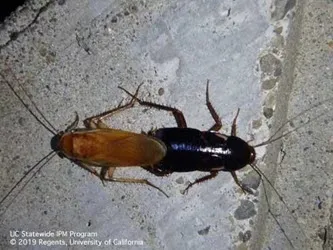
Credit: ucanr.edu
Myths And Facts
Many gardeners worry about cockroaches eating their plants. While cockroaches prefer decaying matter, they rarely harm healthy plants. Understanding their diet can help protect your garden effectively.
When it comes to garden pests, cockroaches might not be the first critter that comes to mind. However, there are numerous myths surrounding their impact on your precious plants. Understanding the truth can help you better protect your garden and keep it thriving. Let’s dive into some common myths and facts about cockroaches and your garden plants.Myth: Cockroaches Devour Healthy Plants
Many believe that cockroaches feast on healthy plants, leaving your garden in ruins. However, cockroaches are not particularly interested in your thriving greenery. They are scavengers by nature, more inclined to consume decaying matter than fresh, living plants.Fact: Cockroaches Prefer Decaying Matter
Cockroaches are nature’s cleanup crew. Their diet mainly consists of rotting plant material, dead insects, and other organic waste. This can actually be beneficial for your garden, as they help break down and recycle nutrients back into the soil.Myth: Cockroaches Are Harmful To All Gardens
It’s easy to assume that any pest in the garden is detrimental. Yet, cockroaches might not be as harmful as you think. They are more interested in the organic debris rather than your blooming flowers and vegetables.Fact: Cockroaches Can Help Maintain Soil Health
By feeding on decaying matter, cockroaches contribute to a healthier soil ecosystem. Their presence can aid in the decomposition process, enhancing soil fertility and structure. This can lead to more robust plant growth over time.Myth: All Cockroaches Are The Same
There are thousands of cockroach species across the globe. Not all of them interact with your garden in the same way. Some might never even venture into your outdoor space, preferring indoor environments instead.Fact: Only A Few Species Are Garden Visitors
Of the many cockroach species, only a handful might find their way into your garden. These species are typically more adapted to outdoor life and are not likely to cause significant harm to your plants. Understanding which species you’re dealing with can help you decide the best course of action. Have you ever noticed cockroaches scuttling around your garden? Consider what might be attracting them. It could be a sign of excess organic debris that needs clearing. Embracing these truths can shift your perspective and help you make informed decisions about pest management. Wouldn’t you rather have a garden where every creature plays its part in maintaining balance?
Credit: www.facebook.com
Frequently Asked Questions
Do Cockroaches Harm Garden Plants?
Cockroaches do not typically harm garden plants directly. They are primarily scavengers, feeding on decaying organic matter. However, they can indirectly affect plants by spreading disease through contaminated surfaces or soil. Keeping gardens clean and free of debris can help minimize cockroach presence and protect plants.
Can Cockroaches Be Beneficial To Gardens?
Yes, cockroaches can be beneficial to gardens. They help break down organic matter, contributing to soil fertility. By decomposing dead plant material, they aid in nutrient cycling. However, their presence should be monitored to ensure they don’t become pests or spread disease.
How To Prevent Cockroaches In Gardens?
Preventing cockroaches involves keeping gardens clean and dry. Remove debris, fallen leaves, and excess mulch where cockroaches might hide. Seal entry points to homes and use natural repellents like diatomaceous earth. Regular maintenance reduces cockroach attraction and helps maintain a healthy garden environment.
Are Cockroaches Attracted To Specific Plants?
Cockroaches are not attracted to specific plants. They prefer environments with moisture and decaying organic matter. Gardens with poor drainage or excessive mulch may attract cockroaches. Maintaining a well-organized garden with minimal debris reduces their attraction and helps keep them away.
Conclusion
Cockroaches rarely pose threats to garden plants. They prefer decaying matter and leftovers. Most plants remain safe from their appetite. Focusing on prevention helps maintain a healthy garden. Seal cracks and remove debris to deter cockroaches. Use natural repellents for added protection.
Regular garden maintenance keeps pests away. Beneficial insects also aid in plant protection. Awareness and action ensure garden plants flourish. Enjoy a thriving garden free from cockroach trouble. Your plants deserve care and attention. Stay informed and proactive for a healthy garden environment.







