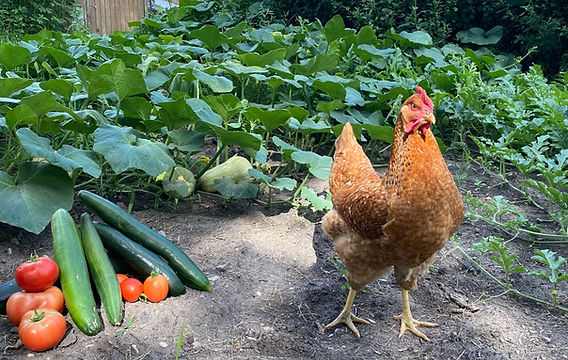
Have you ever glanced out your window, only to find your beloved garden looking like an all-you-can-eat buffet for chickens? If you’re nodding along, you’re not alone.
Chickens are curious creatures, and their appetites can lead them straight to your garden plants. But do chickens really pose a threat to your garden? The answer isn’t as simple as a yes or no. We’ll uncover the truth about chickens and their relationship with your garden plants.
You’ll learn why chickens are drawn to certain plants, which ones they might devour, and how you can protect your garden without compromising your chicken’s happiness. Curious to find out how you can keep both your garden lush and your chickens content? Keep reading, and discover the balance between a thriving garden and a satisfied flock.

Credit: grubblyfarms.com
Chickens’ Natural Diet
Understanding the natural diet of chickens can help you manage their interaction with your garden plants effectively. Chickens are omnivorous creatures, enjoying a diverse range of foods. Their diet is not just limited to standard chicken feed, but also includes various natural elements they forage for themselves.
Typical Foods For Chickens
Chickens are quite versatile in their eating habits. They will peck at grains, seeds, insects, and even small rodents. These creatures are excellent at finding hidden treasures in the soil, making them natural pest controllers.
Beyond the basics, chickens love indulging in vegetables and fruits. While this might sound beneficial, it can lead to them nibbling on your garden plants if they’re within reach. A balanced approach can prevent unwanted garden damage.
Garden Plants Vs. Chicken Feed
Considering the lush variety of garden plants, it’s no surprise that chickens might be drawn to them. However, these plants don’t always provide the complete nutrition that chicken feed does. While chickens might enjoy a snack from your garden, relying solely on garden plants can leave them lacking essential nutrients.
Chicken feed is specially formulated to meet their dietary requirements. It ensures they get the right balance of proteins, vitamins, and minerals. If your chickens are munching on your plants, think about whether they might be seeking variety or missing something in their diet.
So, how can you strike a balance between keeping your chickens happy and your garden intact? Perhaps providing a safe, designated foraging area might be the answer. Could this be the secret to harmonious coexistence?
Impact On Garden Plants
Chickens roaming freely in gardens can have a significant impact. They scratch the soil, looking for food, and may disturb garden plants. Their pecking can damage leaves and stems, affecting plant health and growth. Understanding which plants are at risk can help protect your garden.
Common Plants Affected
Chickens often target soft and leafy vegetables. Lettuce, spinach, and kale are popular choices. They also enjoy pecking at fruit plants. Strawberries and tomatoes are frequently affected. Ornamental plants like marigolds and petunias may attract attention. Chickens prefer tender and juicy parts of plants.
Why Chickens Target Certain Plants
Chickens are attracted to plants for several reasons. Tender leaves are easier for them to eat. The moisture in young plants appeals to them. Bright colors can also catch their eye. Chickens are naturally curious and explore by pecking. They are drawn to plants that offer easy access to nutrients.
Benefits Of Chickens In Gardens
Chickens can help control pests in gardens, but they might nibble on tender plants. Their scratching aerates soil, promoting healthy growth.
Benefits of Chickens in Gardens Chickens can greatly benefit your garden. They offer natural solutions for common gardening challenges. Their presence can lead to healthier plants and soil. Let’s explore some key benefits.Natural Pest Control
Chickens love eating insects. They feast on bugs that harm your plants. Beetles, grasshoppers, and grubs are favorites. This reduces the need for chemical pesticides. Your garden stays organic and healthy. Chickens patrol the garden, pecking at pests. This keeps plant damage to a minimum. It’s a win-win for gardeners and chickens.Soil Fertility Enhancement
Chickens scratch the soil as they move. This action aerates and loosens the ground. It helps nutrients reach plant roots. Chicken droppings are rich in nitrogen. This acts as a natural fertilizer. Your soil becomes more fertile. The garden thrives with better plant growth. Chickens add valuable organic matter. This improves soil structure over time.
Credit: www.tiktok.com
Managing Chickens In The Garden
Chickens in the garden can nibble on plants, which might damage your beloved greens. Protecting your plants with barriers or designated chicken areas helps. Keep an eye on their pecking habits to maintain a balance between happy chickens and a thriving garden.
Managing chickens in the garden can be delightful. They bring life and energy to any garden space. Chickens help control pests and provide nutrient-rich manure. But their pecking can harm delicate plants. To enjoy the benefits of chickens while protecting your plants, follow a few simple strategies.Protecting Vulnerable Plants
Certain plants need extra protection from chickens. Use barriers like wire mesh or plant cages. These physical barriers deter chickens from pecking at plants. Place stones around plant bases to shield roots. Elevated garden beds can also keep plants safe. Chickens can’t reach high spots easily.Creating Chicken-friendly Zones
Designate specific areas for chickens to roam. This keeps them away from sensitive plants. Set up sand or dirt baths for their enjoyment. Provide shaded spots for rest. Scatter food scraps in their zone. This keeps them busy and content. A happy chicken is less likely to wander into forbidden areas. By managing your garden with these strategies, you can enjoy the best of both worlds. Chickens and plants can coexist harmoniously.Alternative Feeding Options
Chickens pecking at your garden plants can be frustrating. Offering alternative feeding options can keep them satisfied and away from your greens. These options not only ensure their health but also help maintain your garden’s beauty.
Supplementing With Kitchen Scraps
Kitchen scraps are a great way to feed chickens. They love vegetables, fruits, and grains. These scraps provide essential nutrients. Avoid giving them moldy or rotten food. Also, stay clear of onions and citrus fruits. These can upset their stomachs. Collect the scraps in a separate bin. Feed them fresh to your chickens daily.
Commercial Feed Solutions
Commercial feeds are specially formulated for chickens. They offer balanced nutrition. Purchase feeds based on your chickens’ age and needs. Layer feed is suitable for egg-laying hens. Starter feed is ideal for young chicks. Always follow the feeding instructions on the package. Clean the feeding area regularly to prevent disease. Keep the feed dry and stored in a cool place.
Surprising Chicken Behaviors
Chickens often surprise us with their curious behaviors. Their actions in the garden reveal much about their nature. From their eating habits to their social interactions, chickens display a range of unexpected behaviors. These traits can change how we view them as garden companions.
Unexpected Dietary Habits
Chickens enjoy a varied diet, not just seeds and grains. They peck at insects, worms, and even small reptiles. Surprisingly, they also nibble on garden plants. Leafy greens attract them the most. Tender shoots and flowers also catch their attention. This can sometimes lead to damage in your garden. Chickens may eat young plants and vegetables. They often prefer softer plants, leaving tougher ones alone.
Social Dynamics In Foraging
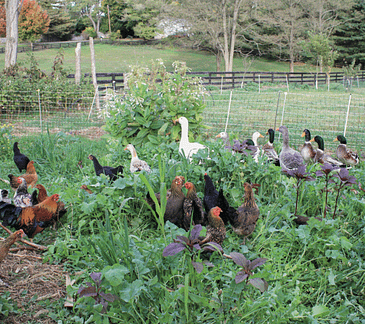
Chickens forage in groups, following a social order. The dominant chicken often leads the way. They communicate with each other using clucks and calls. This helps them find food and stay safe. Chickens also watch and learn from each other. If one finds a tasty plant, others quickly follow. This behavior can lead to a rapid clearing of certain plants.
Credit: www.chelseagreen.com
Frequently Asked Questions
Do Chickens Damage Garden Plants?
Chickens can indeed damage garden plants, especially if they scratch the soil. They may uproot seedlings and eat tender greens. However, with proper management and barriers, you can minimize their impact and even benefit from their pest control.
What Garden Plants Do Chickens Eat?
Chickens often eat leafy greens, herbs, and young seedlings. They are particularly fond of lettuce, spinach, and basil. To protect these plants, consider using chicken wire or planting in raised beds.
How Can I Protect Plants From Chickens?
To protect plants, use fencing or chicken wire around your garden. Raised garden beds can also deter chickens. Additionally, providing alternative areas for foraging can help keep them away from your plants.
Are There Plants Chickens Won’t Eat?
Chickens generally avoid plants with strong scents or spiky leaves. Examples include lavender, rosemary, and thorny bushes. Planting these can help deter chickens from more vulnerable garden areas.
Conclusion
Chickens can munch on garden plants. They love tender leaves and sprouts. Keeping them away from plants requires smart planning. Use fences or plant barriers for protection. Chickens enjoy scratching soil too. This can harm garden beds. Provide them with their own patch to dig.
Keep an eye on your garden regularly. Adjust strategies if needed. Balance their needs and garden health. With careful management, both can thrive. Happy chickens make happy gardens. Enjoy the beauty of nature and your feathered friends together.