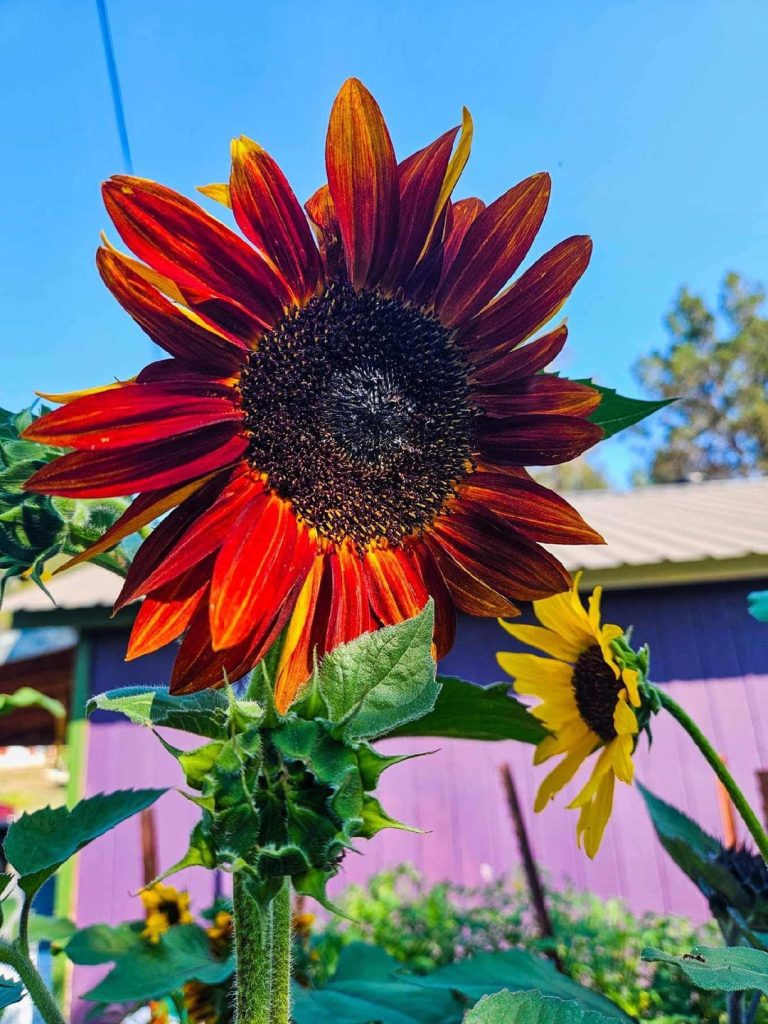
Imagine stepping into your vegetable garden, where vibrant sunflowers greet you with their sunny faces, adding a burst of color to the lush greens and earthy browns. You might wonder, “Can I really plant sunflowers in my vegetable garden?”
The answer is a resounding yes, and doing so might offer unexpected benefits. Sunflowers are not just beautiful; they can enhance your garden’s health and productivity. Their towering presence can attract beneficial insects, deter pests, and even improve soil quality.
Intrigued? As you explore the advantages of integrating sunflowers into your vegetable garden, you’ll discover how this simple addition can transform your gardening experience. Whether you’re looking to boost your garden’s aesthetics or improve its ecosystem, finding out how these vibrant blooms can seamlessly fit into your gardening plans is a must-read. So, let’s dive deeper and unravel the surprising ways sunflowers can be the perfect partner for your veggies.
Benefits Of Planting Sunflowers In A Vegetable Garden
Planting sunflowers in a vegetable garden offers natural pest control and attracts beneficial pollinators. Their tall stalks provide shade, helping cool soil and retain moisture. Sunflowers also enhance garden beauty with their vibrant blooms.
Planting sunflowers in your vegetable garden can offer more than just their sunny disposition. These vibrant flowers bring a host of benefits that can enhance the health and productivity of your garden. From attracting helpful pollinators to providing natural pest control, sunflowers are a gardener’s friend. Let’s delve into why you might want to make room for these cheerful giants in your vegetable patch.Attracting Pollinators
Sunflowers are natural magnets for pollinators like bees and butterflies. Their large, open blooms provide easy access to nectar. This increased pollinator activity can lead to better yields in your vegetable plants. Imagine watching a flurry of butterflies fluttering around your garden, aiding in pollination as they go. It’s a win-win for you and your garden.Natural Pest Control
Sunflowers can act as a natural pest deterrent. They attract beneficial insects, such as ladybugs and lacewings, which feed on common garden pests like aphids. By planting sunflowers, you might find fewer pests attacking your vegetable plants. This can reduce the need for chemical pesticides, making your garden more eco-friendly.Improving Soil Health
Sunflowers have deep roots that can break up compact soil. This helps improve soil structure and drainage, benefiting the plants around them. Their roots also bring nutrients from deeper layers up to the surface. You might notice healthier, more robust vegetables thriving next to sunflowers. Have you ever considered how a flower can improve soil health?Providing Shade And Windbreaks
Tall sunflowers can offer shade to sun-sensitive plants. They can also act as windbreaks, protecting delicate vegetables from harsh winds. This shelter can help reduce water loss from evaporation. Sunflowers can create a microclimate that benefits your garden ecosystem. Isn’t it intriguing how these towering plants can offer protection? By integrating sunflowers into your vegetable garden, you not only add beauty but also foster a more balanced and sustainable growing environment. Wouldn’t you love to see how these golden blooms can transform your garden?Choosing The Right Sunflower Varieties
Planting sunflowers in a vegetable garden is a wonderful idea. They can attract pollinators and create a vibrant display. Choose varieties that grow tall but won’t overshadow your vegetables.
Choosing the right sunflower varieties for your vegetable garden can enhance its beauty and functionality. Sunflowers come in various types, each with unique characteristics. It’s essential to understand these differences to make the best choice for your garden space.Dwarf Vs. Tall Varieties
Dwarf sunflowers are perfect for small gardens. They grow up to three feet tall. Their compact size helps maximize space. Tall varieties can reach up to twelve feet. They create stunning backdrops for your garden. Tall sunflowers need more space. Ensure they don’t overshadow other plants.Edible Vs. Ornamental Sunflowers
Edible sunflowers produce seeds you can eat. They add a nutritious element to your garden. These seeds are great for snacks and recipes. Ornamental sunflowers focus on beauty. They offer vibrant colors and varied petal shapes. Their seeds are smaller and less ideal for eating. Choose based on your garden’s purpose and personal preference.Preparing The Garden For Sunflowers
Planting sunflowers in a vegetable garden is possible and beneficial. They attract pollinators and provide natural shade for certain plants. Ensure the garden bed receives full sunlight and has well-drained soil for optimal growth.
Preparing the Garden for Sunflowers Sunflowers can be a delightful addition to your vegetable garden, adding a splash of color and a bit of height to your green space. However, before you plant them, it’s crucial to prepare the garden properly. This involves understanding their soil needs, choosing the right location, and ensuring your vegetable companions will thrive alongside these towering beauties.Soil Requirements
Sunflowers thrive in well-draining soil that’s rich in organic matter. You can achieve this by mixing compost or well-rotted manure into your garden bed. Test your soil pH to ensure it’s between 6.0 and 7.5, the ideal range for sunflowers to absorb nutrients effectively. If your soil is too acidic or alkaline, consider amending it to reach this sweet spot. Consider using raised beds if your garden soil tends to retain too much water. This method allows for better drainage, reducing the risk of root rot.Ideal Planting Locations
Sunflowers need plenty of sunlight, aiming for at least six to eight hours a day. Choose a location in your garden that isn’t shaded by trees or buildings. Ensure your sunflowers won’t cast unwanted shade on your other plants. Position them on the north side of your garden to prevent them from overshadowing shorter crops. Think about wind protection. While sunflowers are sturdy, strong winds can topple them. Plant them near a fence or another natural windbreak for added support. By preparing your garden thoughtfully, you set the stage for a thriving ecosystem where sunflowers and vegetables can flourish side by side. Are you ready to plant these sun-kissed giants in your garden? Your veggies might just thank you for their new sunny companions!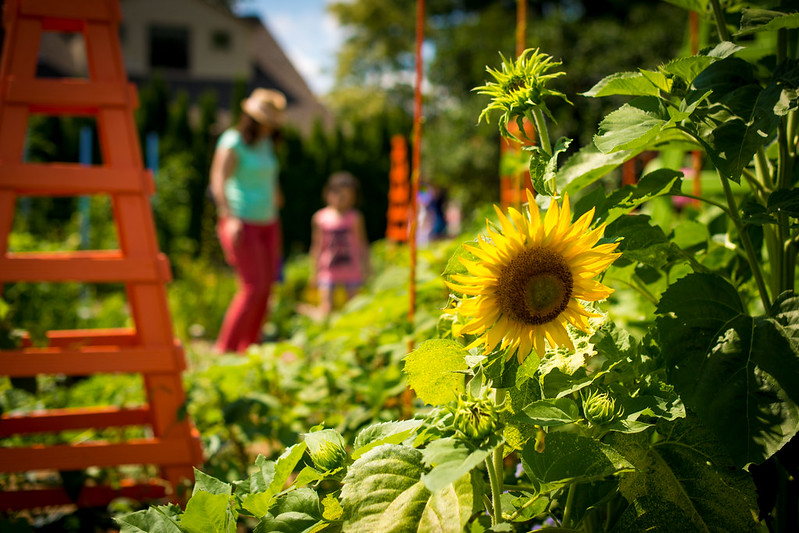
Credit: nebg.org
Planting Techniques
Planting sunflowers in a vegetable garden offers both beauty and benefits. They attract pollinators and can provide shade for certain crops. Consider spacing and sunlight needs to ensure harmony among plants.
Planting sunflowers in your vegetable garden can add a splash of color and attract beneficial pollinators. However, to maximize their growth and ensure they don’t compete too much with your veggies, it’s crucial to use the right planting techniques. Understanding the differences in methods and timing will help you achieve a thriving garden.Direct Sowing Vs. Transplanting
Direct sowing involves planting sunflower seeds directly into the garden soil. This method is typically easier and less stressful for the plants. Sunflowers tend to have long taproots, which can be disrupted during transplanting. Transplanting, on the other hand, allows you to start seeds indoors and move them outside once they are seedlings. This can be beneficial if you want a head start on the growing season. However, be careful when handling the seedlings to avoid damaging their roots.Optimal Planting Time
The best time to plant sunflowers is after the last frost of the season. They thrive in warm soil, so waiting until the earth is consistently above 50°F (10°C) ensures better germination. In my experience, planting too early can result in slow growth and vulnerable seedlings. Timing is everything; starting at the right moment sets the stage for robust sunflowers. Consider using a soil thermometer to check the temperature if you’re unsure.Care And Maintenance
Growing sunflowers in a vegetable garden can be rewarding. They add beauty and attract pollinators. For them to thrive, proper care is essential. Focus on watering, fertilization, and pest control.
Watering Needs
Sunflowers need deep watering. Aim for once a week. Ensure the soil is moist but not soggy. During hot spells, check the soil more often. Adjust watering frequency based on weather conditions.
Fertilization Tips
Sunflowers are not heavy feeders. Use a balanced fertilizer at planting time. A nitrogen-rich option helps early growth. Mid-season, apply a phosphorus-rich fertilizer. This encourages strong blooms. Always follow package instructions for amounts.
Pest And Disease Management
Sunflowers face threats from pests like aphids and caterpillars. Inspect plants regularly for signs. Use insecticidal soap for mild infestations. Hand-pick caterpillars if spotted. For diseases, ensure good air circulation. Remove infected leaves promptly. Rotate crops yearly to prevent soil-borne issues.
Harvesting Sunflowers
Sunflowers can thrive in vegetable gardens, adding beauty and attracting pollinators. Their roots improve soil health, benefiting nearby plants. With proper spacing, they coexist well with vegetables, enhancing growth and yield.
Harvesting sunflowers can be a delightful experience. These vibrant blooms add beauty and charm to any garden. But timing is everything. Knowing when to harvest ensures you get the most from your sunflowers. This section will guide you through the process of harvesting sunflowers effectively.Signs Of Maturity
Sunflowers are ready to harvest when the back of the flower head turns yellow or brown. The petals will have mostly fallen off. The seeds will appear plump and firm to the touch. Another sign is the flower head beginning to droop. This ensures the seeds are fully developed.Harvesting Techniques
First, choose a dry day for harvesting. Wet seeds can spoil. Use a sharp knife or shears to cut the flower head. Leave about 12 inches of stem attached. Place the cut heads in a dry area with good air circulation. You can hang them upside down to dry. Once dry, rub the seeds gently to remove them. Store them in a cool, dry place. This keeps them fresh for later use.Incorporating Sunflowers In Garden Design
Planting sunflowers in a vegetable garden adds beauty and attracts pollinators. Their tall stalks provide shade for sensitive plants. Sunflowers can also act as natural trellises for climbing vegetables like beans.
Incorporating sunflowers into a vegetable garden offers both beauty and benefits. Their towering presence can transform a simple garden into a vibrant landscape. Sunflowers not only add height but also attract pollinators. They bring bees and butterflies, essential for vegetable growth.Companion Planting Strategies
Sunflowers work well with many vegetables. Their large blooms attract beneficial insects. This helps control pests naturally. Plant them near tomatoes and peppers. These vegetables benefit from sunflowers’ pest-repelling properties. Sunflowers also provide shade for delicate plants. This can help lettuce and spinach thrive during hot days.Aesthetic Considerations
Sunflowers add visual interest to any garden. Their bright yellow petals contrast with green foliage. This makes the garden more inviting. Arrange sunflowers along the garden’s borders. This creates a natural fence that defines the space. Use different sunflower varieties for varied heights and colors. This enhances the garden’s overall design.
Credit: washingtoncountymg.org

Credit: www.reddit.com
Frequently Asked Questions
Can Sunflowers Grow With Vegetables?
Yes, sunflowers can grow with vegetables. They enhance the garden’s beauty and attract pollinators. Sunflowers can also provide shade to certain plants, aiding their growth. Ensure they don’t overshadow smaller plants and consider their water needs, as sunflowers can be quite thirsty.
Do Sunflowers Affect Vegetable Growth?
Sunflowers can positively affect vegetable growth. They attract beneficial insects and pollinators. However, their tall stature might overshadow smaller plants. It’s essential to strategically plant them to avoid competition for sunlight and nutrients. Their deep roots can improve soil structure, benefiting surrounding vegetables.
Are Sunflowers Beneficial To Vegetable Gardens?
Absolutely, sunflowers are beneficial to vegetable gardens. They attract pollinators, improving crop yields. Additionally, their presence can deter pests. Sunflowers can act as a natural barrier, protecting vegetables from harsh winds. Their beauty adds aesthetic value, making gardening a more enjoyable experience.
Can Sunflowers Compete For Nutrients?
Yes, sunflowers can compete for nutrients with vegetables. They have extensive root systems that absorb nutrients quickly. To minimize this, plant sunflowers strategically. Ensure there’s adequate spacing between sunflowers and vegetables. Regularly enrich the soil with compost to sustain both sunflowers and vegetables.
Conclusion
Planting sunflowers in your vegetable garden is a great idea. They add beauty and attract helpful insects. Sunflowers can also provide shade for delicate plants. They don’t need much care. Just make sure they get enough sunlight and water. Their tall stalks can even serve as supports for climbing plants.
Adding sunflowers can benefit your garden’s health. Plus, they bring joy with their bright blooms. So, consider mixing sunflowers with your veggies. It’s a win-win for both beauty and function. Enjoy the cheerful addition to your garden space!







