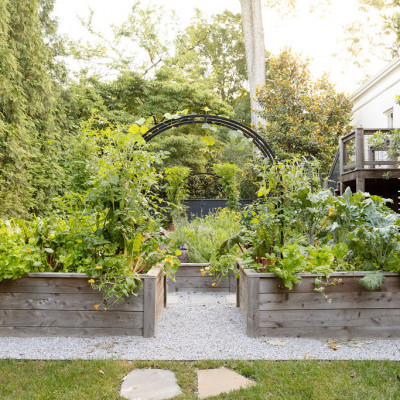
Are you ready to transform your gardening experience and achieve vibrant blooms year after year? Planting perennials in a raised garden bed might just be the solution you’ve been searching for.
Imagine a garden that’s not only easier to maintain but also bursts with color and life, season after season. Raised beds are not just a trend; they offer real benefits for your plants and your back. Discover how you can optimize space, improve soil conditions, and ensure better drainage—all while elevating the visual appeal of your garden.
Ready to dig deeper into the secrets of successful perennial planting? Keep reading to uncover the tips and tricks that will turn your raised garden bed into a perennial paradise.
Benefits Of Raised Garden Beds
Planting perennials in a raised garden bed offers better soil control and improved drainage. This setup can also help protect plants from pests and weeds, promoting healthier growth. Raised beds are versatile, making them ideal for cultivating a variety of perennial plants.
The allure of raised garden beds has captured the hearts of many gardening enthusiasts, offering a delightful blend of practicality and aesthetic appeal. But what makes them so beneficial, especially for planting perennials? Let’s delve into the compelling advantages that raised garden beds bring to your gardening experience.Improved Soil Drainage
One of the standout benefits of raised garden beds is their ability to improve soil drainage. If you’ve ever battled with waterlogged soil, you know how frustrating it can be. Raised beds naturally elevate your plants, allowing excess water to drain away efficiently. This setup helps in preventing root rot, a common issue in traditional gardens. Imagine your perennials thriving even after a heavy rainfall, thanks to the superior drainage. With a simple raised bed, you can turn this vision into reality. You’ll notice healthier plants and more vibrant blooms.Enhanced Soil Quality
The soil quality in raised garden beds is entirely under your control. You can start fresh, using a mix of rich compost and quality topsoil. This means your perennials get the nutrients they need from day one. In my own garden, switching to raised beds transformed the health of my plants. The ability to tailor the soil composition to the specific needs of my perennials resulted in an explosion of growth and color. Imagine the satisfaction of knowing your plants are growing in optimal conditions.Ease Of Maintenance
Raised garden beds offer an unmatched ease of maintenance. Their elevated height reduces the need for bending, saving your back and knees from strain. Weeding becomes less of a chore, as the defined boundaries of the bed help keep unwanted plants at bay. You’ll find yourself spending less time on maintenance and more time enjoying your garden. Have you ever thought about how much more enjoyable gardening could be with less physical strain? With raised beds, you can maintain your garden comfortably, making it a more sustainable and enjoyable hobby. Incorporating raised garden beds into your gardening practice can truly transform your experience. Whether it’s improved drainage, better soil, or easier maintenance, the benefits are clear and impactful. Why not consider trying a raised garden bed for your next perennial planting?Choosing The Right Perennials
Planting perennials in a raised garden bed is a smart choice. These beds offer excellent drainage and soil control. Ensure proper spacing and sunlight exposure for healthy growth.
Choosing the right perennials for your raised garden bed can make all the difference in creating a vibrant and low-maintenance garden. When selecting perennials, consider factors like climate, soil preferences, and companion planting to ensure your plants thrive. Dive into the specifics to make the best choices for your garden’s unique environment.Climate Considerations
Understanding your climate is crucial for perennial selection. Different perennials have varying temperature tolerances and daylight needs. Check your hardiness zone to find plants that will survive and flourish in your area. For example, lavender thrives in warmer climates, while hostas prefer cooler, shaded areas. Think about the seasonal changes in your region. Do you get heavy rain or long dry spells? Adjust your plant choices accordingly to ensure they can withstand local weather patterns.Soil Preferences
Perennials have specific soil requirements that can affect their growth and health. Some prefer rich, loamy soil, while others thrive in sandy, well-drained conditions. Conduct a soil test to understand the composition of your garden bed. Amend your soil with compost or other organic matter to match the needs of your chosen perennials. For example, daylilies are hardy and adaptable but perform best in well-drained soil. Adjusting your soil to meet these needs can lead to more robust growth and flowering.Companion Planting
Companion planting can enhance growth and prevent pests naturally. Pairing compatible perennials can create a symbiotic relationship that benefits both plants. Consider planting marigolds alongside your perennials to repel nematodes and other pests. Think about the height and spread of your perennials. Taller plants can provide shade for sun-sensitive varieties, creating a balanced ecosystem in your raised garden bed. Choosing the right companions can also enhance the aesthetic appeal of your garden. Mixing colors and textures adds visual interest and creates a lush, inviting space.Preparing The Raised Bed
Preparing the Raised Bed Planting perennials in a raised garden bed offers many benefits. It ensures better drainage and improved soil quality. This method allows for easy access and maintenance, making it ideal for gardeners of all levels.
Preparing the Raised Bed Creating the perfect environment for perennials in a raised garden bed begins with careful preparation. This process ensures your plants have the best chance to thrive. Raised beds offer better drainage and soil control, making them ideal for perennials. Let’s explore the essential steps involved in preparing your raised garden bed.Selecting Materials For The Bed
Choose durable materials for your raised bed. Wood is a popular choice. Cedar and redwood resist rot and pests naturally. Metal is another option, offering a sleek look and longevity. Recycled plastic and composite materials work well too. Ensure your chosen material fits your garden’s aesthetic and budget.Ideal Bed Dimensions
Consider the dimensions for your raised bed. Four feet wide allows easy access from both sides. Length varies based on space and needs. Keep the bed height between 12 to 18 inches. This provides ample root space and improves drainage. Higher beds may work for gardeners with mobility issues.Soil Preparation Techniques
Focus on soil quality. Start with a mix of topsoil, compost, and peat moss. This blend retains moisture while ensuring good drainage. Add organic matter like aged manure or leaf mold. Check the soil pH and adjust if necessary. Perennials prefer slightly acidic to neutral soil. Regularly refresh soil nutrients for healthy plant growth.
Credit: www.yahoo.com
Planting Techniques For Perennials
Planting perennials in a raised garden bed offers better drainage and soil control. These beds also allow easier access for planting and maintenance. Consider sunlight, spacing, and soil type to ensure healthy growth.
Planting perennials in a raised garden bed offers a world of possibilities. Whether you’re a seasoned gardener or a beginner, understanding the specific planting techniques is crucial for a thriving garden. Let’s dive into the essentials that will help you nurture these robust plants in your elevated space.Spacing And Depth Guidelines
Getting the spacing right for your perennials is like setting the stage for a beautiful performance. Each plant needs adequate room to grow and spread its roots. Consider the mature size of each perennial when planning your layout. – Spacing: Aim for at least 12-18 inches between plants. This prevents overcrowding and ensures each plant receives enough sunlight and air circulation. – Depth: Plant perennials at the same depth as they were in their nursery pots. This is crucial for preventing root stress and promoting healthy growth.Watering Needs
Water is the lifeblood of your garden, but how much is enough? Perennials have varying water requirements depending on their species. – Consistency: Water your perennials consistently, especially during the first growing season. This helps establish strong root systems. – Observation: Keep an eye on your plants. If you notice wilting or yellowing leaves, it might be time to adjust your watering schedule.Mulching Tips
Mulch is more than just a protective layer—it’s a secret weapon for a healthy garden. It retains moisture, suppresses weeds, and adds nutrients to the soil. – Type: Use organic mulch like wood chips or shredded bark. These materials decompose over time, enriching the soil. – Application: Apply a 2-3 inch layer around your perennials, but avoid piling mulch against the plant stems. This prevents rot and disease. Are you ready to transform your raised garden bed with vibrant perennials? With these practical techniques, you’ll be well on your way to creating a flourishing oasis.Seasonal Care For Perennials
Perennials are a fantastic choice for raised garden beds, offering beauty and resilience year after year. But to keep them thriving, understanding seasonal care is crucial. Each season brings its own set of tasks to ensure your perennials remain healthy and vibrant.
Pruning Practices
Pruning is essential for maintaining the health and appearance of your perennials. Regularly removing dead or damaged growth encourages new blooms and prevents disease. In my own garden, I found that snipping off faded flowers not only tidies up the plants but also prolongs the blooming period. Have you noticed how some plants burst back to life with a little trim?
Fertilization Schedule
Fertilization provides essential nutrients that support strong growth and vibrant blooms. Establishing a fertilization schedule is key. Early spring and late fall are optimal times to feed your perennials. A balanced, slow-release fertilizer works wonders. But remember, less is often more when it comes to feeding. Over-fertilizing can lead to lush foliage but fewer flowers.
Winter Protection Strategies
Winter can be harsh on perennials, especially in raised beds where soil might freeze faster. Protecting your plants during the colder months ensures they return strong in spring. Mulching is an effective strategy; it insulates the roots and retains moisture. In regions with severe winters, consider using burlap or frost blankets. What strategies have you found effective in protecting your garden from winter’s chill?
Common Challenges And Solutions
Growing perennials in raised garden beds presents challenges like soil drainage and nutrient retention. Improve drainage with a mix of compost and sand. Enhance nutrient retention by adding organic matter regularly.
Planting perennials in a raised garden bed offers many benefits, like improved drainage and easy access. Yet, gardeners face challenges that require attention. Understanding common issues can help create thriving perennial gardens.Pest Management
Raised garden beds can attract pests. Common invaders include aphids, slugs, and beetles. Regularly check plants for any signs of damage. Use natural remedies to deter unwanted visitors. For example, companion planting can help. Marigolds repel many insects. Consider using row covers to protect young plants. Keeping the garden clean reduces pest attraction. Remove debris and weeds promptly.Disease Prevention
Diseases can spread quickly in gardens. Raised beds can reduce this risk. They offer better air circulation. Ensure proper spacing between plants. It minimizes the spread of diseases. Watering techniques matter. Overhead watering can cause fungal infections. Drip irrigation systems are ideal for raised beds. They provide water directly to roots. Regularly inspect plants for any signs of disease. Early detection helps prevent severe outbreaks. Remove infected plants immediately.Addressing Soil Compaction
Soil compaction affects plant health. It reduces root growth and nutrient uptake. Raised beds usually have loose soil. Yet, over time, compaction can occur. Avoid walking on garden beds. Use stepping stones if necessary. Adding organic matter helps improve soil structure. Compost is excellent for this purpose. Regularly aerate the soil using garden tools. A hand trowel or fork works well. Proper soil care ensures healthy perennials.Expert Advice And Recommendations
Planting perennials in raised garden beds offers excellent drainage and soil control, making it a smart choice for gardeners. These beds provide a perfect environment for healthy root growth and easy maintenance. Choose the right varieties to ensure a thriving garden year-round.
When planting perennials in a raised garden bed, expert advice is invaluable. Understanding the nuances ensures healthy growth and beautiful blooms. Below, find key recommendations from gardening experts.Selecting The Right Tools
Choosing the correct tools makes gardening easier. Use a trowel for planting and transplanting. A garden fork helps aerate the soil. Pruners trim dead foliage and encourage growth. Ensure tools are clean and sharp for best results.Sourcing Quality Plants
Quality plants provide a strong start. Visit reputable nurseries or garden centers. Check plants for signs of disease or pests. Look for vibrant leaves and strong stems. Healthy plants have a better chance of thriving.Maximizing Growth Potential
Optimize growth with proper care. Ensure your raised bed has good drainage. Use nutrient-rich soil and compost. Space plants properly to allow air circulation. Water consistently, but avoid overwatering.
Credit: www.facebook.com
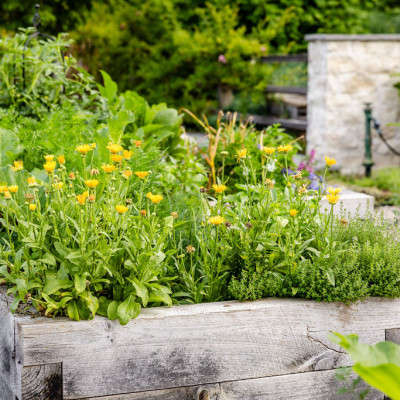
Credit: www.gardenary.com
Frequently Asked Questions
What Perennials Are Best For Raised Beds?
Raised garden beds are ideal for perennials like lavender, hostas, and daylilies. These plants thrive in well-drained soil and elevated settings. Raised beds also allow better control of soil conditions, enhancing growth. Choose perennials suited to your climate and soil type for optimal results.
How To Prepare Raised Beds For Perennials?
Prepare raised beds by ensuring proper drainage and soil quality. Use a mix of compost, topsoil, and organic matter. This enriches the soil, promoting healthy perennial growth. Regularly check for pests and weeds, and ensure adequate sunlight for the plants.
Do Perennials Need Special Soil In Raised Beds?
Perennials thrive in well-draining, nutrient-rich soil. Raised beds allow easy customization of soil conditions. Use a mix of compost and organic matter to enhance growth. This ensures perennials receive essential nutrients and proper moisture levels, supporting their long-term health.
Can Perennials Survive Winter In Raised Beds?
Yes, perennials can survive winter in raised beds with proper care. Mulch helps insulate roots from cold. Choose hardy varieties suited to your climate. Ensure beds are well-drained to prevent root rot. Protect plants during harsh conditions for best results.
Conclusion
Raised garden beds offer great benefits for perennials. They ensure good drainage. You can customize soil quality easily. Perennials thrive in controlled environments. Raised beds protect them from pests. They enhance accessibility for gardeners. This means easier planting and care.
Raised beds also add visual appeal. They fit well in various garden designs. Whether large or small spaces, raised beds work. Choosing perennials wisely boosts garden success. Consider sunlight, soil, and climate needs. This helps plants flourish. Enjoy a vibrant garden with healthy perennials.
Raised beds offer a practical and beautiful solution. Happy gardening!