Have you ever gazed at that patch of grass over your septic field and wondered if it could host a flourishing garden? You’re not alone.
Many homeowners like you are curious about the possibilities of transforming that underutilized space into a vibrant garden. But is it safe? And what should you consider before digging into the soil? You’ll discover the secrets behind planting over a septic field.
You’ll learn the benefits, potential pitfalls, and essential tips to ensure your gardening efforts don’t disrupt the crucial underground system. Dive in to find out how to make the most of your yard while keeping your septic system in top shape. Your dream garden could be just a few steps away!
Credit: www.gardeningknowhow.com
Septic Field Basics
Planting a garden over a septic field is possible with careful planning. Choose shallow-rooted plants to avoid damaging pipes. These plants help absorb excess moisture without disturbing the septic system.
Septic fields, or drain fields, play a crucial role in waste management. They are part of your home’s septic system, which treats wastewater. Understanding how they function helps in making informed gardening decisions.Function And Structure
Septic fields filter and treat wastewater from your home. Wastewater flows from the septic tank into the drain field. The field consists of a network of perforated pipes. These pipes distribute the water across a large area. Soil and bacteria then naturally treat the water. This process prevents harmful substances from entering groundwater.Environmental Considerations
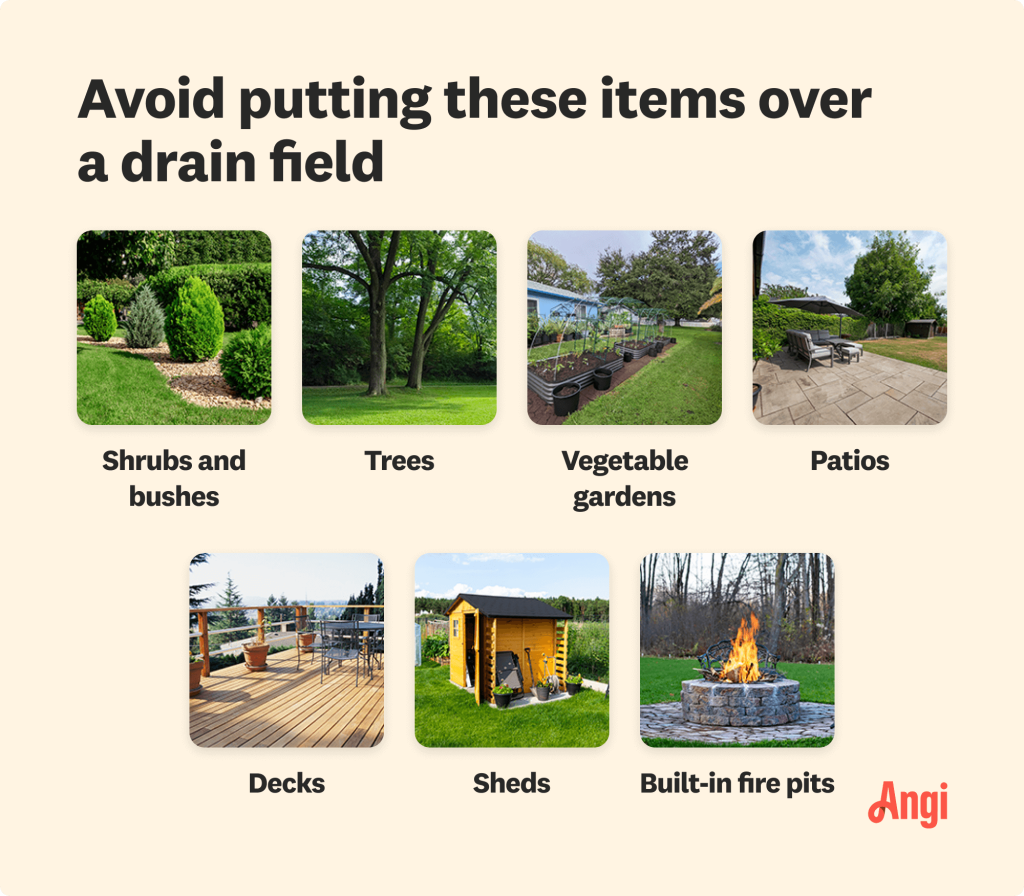
Planting over septic fields requires careful planning. Roots from trees or large shrubs can damage the pipes. Choose plants with shallow roots to avoid this risk. Grasses and herbaceous plants are usually safe options. Consider the local climate and soil type when selecting plants. Avoid using fertilizers or chemicals near the septic field. They can interfere with the system’s natural processes. Regular maintenance ensures the septic field functions effectively.Assessing The Risks
Planting a garden over a septic field might seem like a clever use of space, but it’s important to weigh the potential risks before digging in. While the idea of turning a mundane area into a lush garden is tempting, there are hidden dangers that could impact both your garden and your septic system. Understanding these risks is essential to make informed decisions about your gardening plans.
Root Invasion
Roots can be surprisingly persistent. Certain plants have roots that seek out water, which makes septic systems an attractive target. If roots penetrate the septic field, they can clog pipes and lead to costly repairs. Consider avoiding trees and shrubs with aggressive root systems. Instead, opt for shallow-rooted plants that are less likely to invade the septic area.
Soil Compaction
Heavy foot traffic or machinery can compress the soil over your septic field. Compacted soil reduces the field’s ability to absorb and filter waste effectively. This can lead to system backups and unpleasant odors. You can minimize these risks by choosing lightweight gardening tools and limiting foot traffic in the area. Have you ever considered how your gardening habits might impact the delicate balance of your septic system?
Plant Selection Criteria
Choosing the right plants for your septic field is crucial. Proper selection ensures the field functions well without damage. Consider various factors to make informed choices. This guide will help navigate these important criteria.
Root System Characteristics
Roots play a vital role in plant health. Opt for plants with shallow roots. Deep roots may interfere with septic lines. Choose grasses or small perennials. They have non-invasive roots. Avoid trees or shrubs with aggressive root systems. They can cause damage.
Water Needs And Tolerance
Water management is key in septic fields. Select plants with low water needs. These plants survive with minimal irrigation. Drought-tolerant varieties are ideal. They thrive in dry conditions. Avoid water-loving plants. Excess moisture can disrupt the septic system.
Best Plants For Septic Fields
Planting a garden over a septic field can be safe with the right choices. Opt for shallow-rooted plants like grasses, perennials, or annuals to avoid damaging septic systems. These plants enhance aesthetics without disturbing underground structures.
Planting over a septic field requires careful consideration. Choose plants that won’t damage the system. Some plants are better suited for this than others. They should have shallow root systems. Let’s explore the best plant options for septic fields.Grasses
Grasses are an excellent choice for septic fields. Their roots are shallow and non-invasive. This makes them safe for the system. Consider native grasses for minimal maintenance. They adapt well to local climates. They also require less water and care. Examples include fescue and ryegrass. These grasses provide a natural cover and prevent erosion.Perennials
Perennials add color and variety to septic fields. Their roots are generally shallow. This reduces the risk of damage. Choose drought-tolerant perennials for easy upkeep. Daylilies and black-eyed Susans are great options. They thrive in various soil conditions. Perennials return year after year. This ensures consistent coverage without replanting.Shrubs
Shrubs can be planted over septic fields. Choose low-growing varieties for safety. Their roots should be non-aggressive. Consider small shrubs like boxwood or juniper. They provide structure and privacy. Shrubs can enhance the appearance of your garden. Select native shrubs for better adaptability. They blend well with the environment.Planting Techniques
Planting a garden over a septic field is possible with proper techniques. Choose shallow-rooted plants to prevent damage. Avoid trees or shrubs as their roots can disrupt the system.
Planting a garden over a septic field requires careful planning. Special techniques ensure the septic system functions properly. These methods also help your garden thrive. Proper planting avoids damage to the septic field. It also maintains soil health. Understanding the best practices is crucial for success.Spacing And Depth
Plants need room to grow without disturbing the septic system. Choose plants with shallow roots. They prevent interference with underground pipes. Maintain a generous spacing between plants. This spacing allows roots to spread without conflict. Plant at a shallow depth. Keep roots away from septic components. This protects both plants and the system.Mulching Guidelines
Mulching is vital for a septic field garden. It retains moisture and suppresses weeds. Use organic mulch like wood chips or straw. These materials decompose naturally. Spread mulch evenly, but not too thickly. A layer of about 2-3 inches is ideal. Avoid piling mulch against plant stems. This prevents rot and promotes healthy growth. Regularly refresh the mulch layer. This keeps it effective and attractive.Maintenance Practices
Planting a garden over a septic field is possible with the right plants. Opt for shallow-rooted plants to avoid damaging the septic system. Choose grass or small perennials that thrive in well-drained soil, ensuring proper maintenance and functionality of the septic field.
Maintaining a garden over a septic field can be a rewarding yet challenging endeavor. Proper maintenance is crucial to ensure both your garden and septic system remain in optimal condition. Let’s delve into some essential maintenance practices to consider.Regular Inspections
Regular inspections are vital to catch potential issues before they become costly problems. Check for any signs of leakage or unusual odors, which could indicate septic system issues. A personal routine could be setting a monthly reminder to walk over the septic field. Are there any areas of lush, overly green grass? This might be a sign of excess moisture from a leak. Engage with a professional for an annual inspection. They can provide insights and reassurance that everything is in working order.Watering Strategies
Watering your garden requires a delicate balance. Too much water can saturate the septic field, leading to system overload. Consider using drought-resistant plants that require minimal watering. This not only conserves water but also reduces the risk of waterlogging your septic field. Water during cooler parts of the day to minimize evaporation. Does your garden really need daily watering, or can it thrive on a few deep waterings per week? Adjust your schedule based on plant needs and local climate.Common Mistakes To Avoid
Planting over a septic field can cause problems. Avoid deep-rooted plants that may invade and damage pipes. Ensure proper spacing to prevent blocking airflow and access for maintenance.
Planting a garden over a septic field can beautify your yard. But it’s important to avoid common mistakes that could harm your septic system. Understanding these pitfalls can save you time and money. Let’s explore what to avoid to keep your garden thriving and your septic system safe.Overwatering
Too much water can harm your septic system. Septic fields need to drain properly. Excess water can cause soil to compact, hindering drainage. This can lead to system failure. Water plants sparingly to keep the septic field functioning well. Choose drought-resistant plants to reduce the need for frequent watering. This can help maintain the balance between a healthy garden and a healthy septic system.Using Invasive Species
Invasive species can damage your septic system. Their roots can infiltrate and block pipes. This can cause costly repairs. Choose plants with non-invasive root systems. Grass and small perennials are safer options. They provide ground cover without threatening the septic system. Research plant choices carefully to ensure they are septic-safe. This helps protect both your garden and your septic system’s integrity.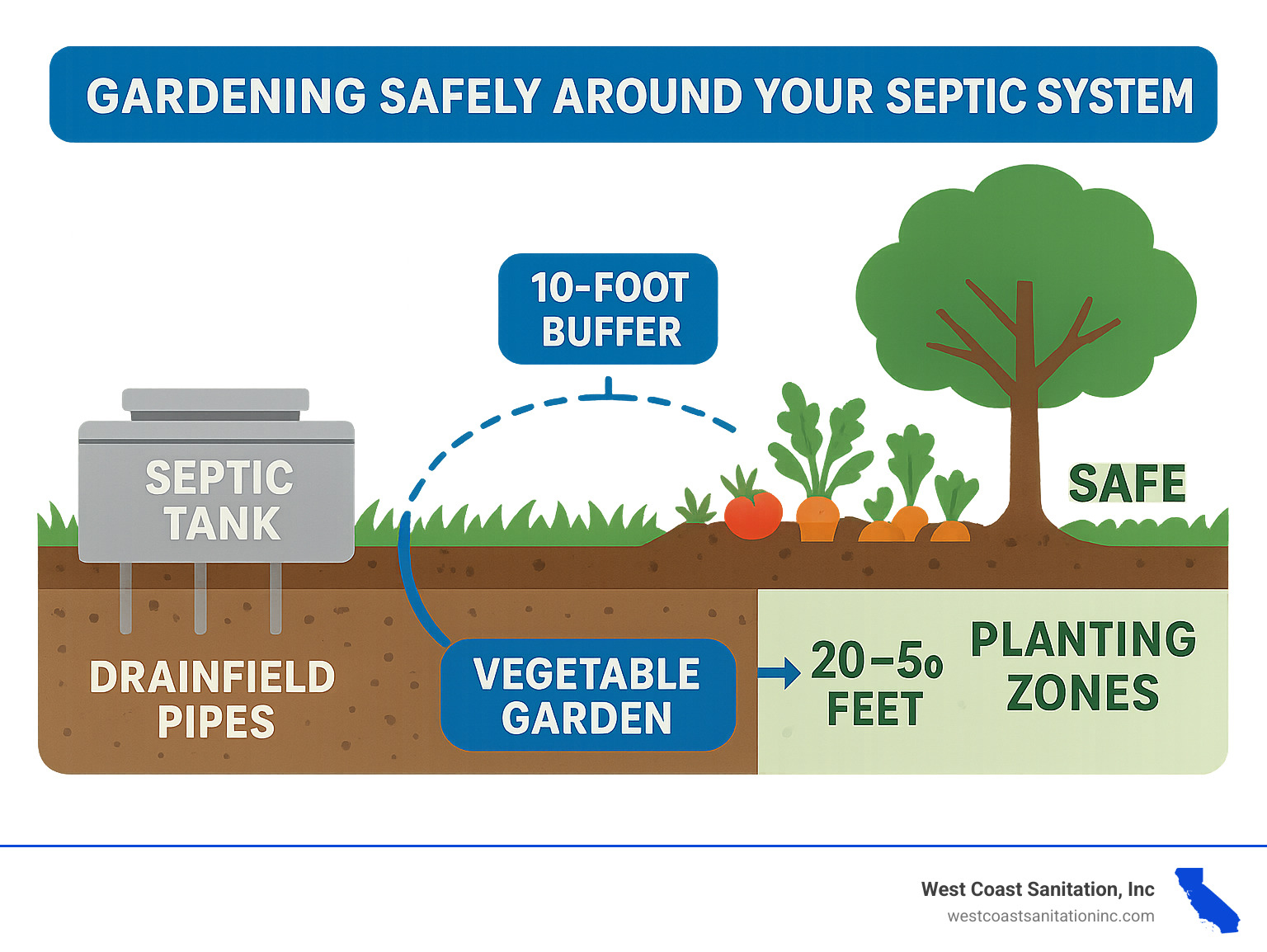
Credit: westcoastsanitationinc.com

Credit: www.youtube.com
Frequently Asked Questions
Is It Safe To Plant Over Septic Fields?
Planting over septic fields can be risky. Roots may damage pipes, leading to costly repairs. Choose shallow-rooted plants to minimize risk. Avoid trees and shrubs, as their roots can cause significant damage. Always consult with a septic professional before planting.
What Plants Are Suitable For Septic Areas?
Opt for grass and herbaceous plants with shallow roots. Native plants adapt well and require less maintenance. Avoid water-loving species, as they can interfere with septic function. Ground cover plants, like clover, are excellent choices.
Can Gardening Affect Septic System Performance?
Gardening can impact septic systems if not managed properly. Plant roots may clog pipes and disrupt drainage. Ensure proper distance from septic components to prevent interference. Regular inspections help maintain system efficiency.
How Close Can Plants Be To Septic Tank?
Plants should be at least 10 feet away from septic tanks. This distance prevents root intrusion and potential damage. Always check local regulations for specific guidelines. Proper spacing ensures system longevity and reduces maintenance costs.
Conclusion
Planting over a septic field requires careful planning. Consider the right plants. Choose shallow-rooted options to avoid damage. Grass and ground covers work well. Avoid trees and shrubs near the field. They can harm septic systems. Proper plant choice ensures a safe garden.
Monitor plant health regularly. Keep roots away from septic pipes. This protects your system. Enjoy your garden without worries. Happy planting!







