Imagine stepping into your backyard and picking fresh cucumbers straight from your own garden. Sounds delightful, right?
If you’re wondering whether you can plant cucumbers in a raised garden bed, you’re not alone. Many gardeners are turning to raised beds for their growing needs. Why? Because they offer better control over soil quality, drainage, and pest management.
Plus, they make gardening easier on your back. But before you dive in, it’s crucial to know how cucumbers thrive in this environment. This article will guide you through everything you need to know, ensuring your raised garden bed becomes a cucumber paradise. Ready to transform your gardening experience and enjoy bountiful harvests? Let’s dig in!

Credit: brenhaas.com
Benefits Of Raised Garden Beds
Planting cucumbers in a raised garden bed offers excellent drainage and soil control. These beds warm up faster, promoting early growth. Plus, they reduce back strain, making gardening more enjoyable.
Planting cucumbers in raised garden beds can be a rewarding experience for both novice and seasoned gardeners. These beds offer several benefits that can enhance your gardening success and make the process more enjoyable.Improved Soil Drainage
Raised garden beds allow for excellent soil drainage. Have you ever struggled with waterlogged soil that drowns your plants? With a raised bed, you can avoid this issue. The elevation helps excess water drain away, preventing root rot and ensuring your cucumbers thrive.Pest Control Advantages
Raised beds can also serve as a natural barrier against pests. You might find it easier to manage common garden invaders like slugs or snails. With strategic placement and protective covers, you can reduce the pest population and safeguard your cucumbers without resorting to harsh chemicals.Enhanced Accessibility
The accessibility of raised beds is a game-changer. Imagine gardening without the back-breaking effort of bending down constantly. Raised beds bring your cucumbers to a comfortable height, making tasks like planting, weeding, and harvesting much easier. This can be especially beneficial for those with mobility issues or anyone who wants a more comfortable gardening experience. Raised garden beds not only improve the health and yield of your cucumbers but also make gardening more enjoyable and sustainable. Are you ready to transform your gardening approach with these simple yet effective changes?Ideal Conditions For Cucumbers
Raised garden beds offer ideal conditions for planting cucumbers. They provide excellent drainage and warm soil, enhancing growth. Ensure consistent watering and full sun exposure for the best yield.
Growing cucumbers in a raised garden bed can be a rewarding experience, but ensuring the ideal conditions is key to a bountiful harvest. Raised beds offer excellent drainage, which cucumbers love, but there are other factors to consider to optimize growth. Let’s explore these conditions to help your cucumbers thrive.Temperature Requirements
Cucumbers are warm-season vegetables that flourish when the temperature is just right. They prefer daytime temperatures between 70°F and 95°F. Ensure your raised bed location maintains these temperatures, especially during the growing season. Cold snaps can be detrimental, so it’s best to plant cucumbers after the last frost. Consider using row covers for added warmth if unexpected cold weather occurs. Are you prepared to monitor temperature changes to protect your cucumber plants?Light And Shade Considerations
Cucumbers thrive in full sunlight, needing at least 6-8 hours of direct sun daily. When planning your raised bed, select a location that receives ample sunlight throughout the day. However, be mindful of intense afternoon sun in hot climates, which can scorch the plants. Providing some afternoon shade can help prevent heat stress. Have you thought about positioning your garden bed to maximize light while offering relief during peak sun hours?Soil Composition
The right soil composition is crucial for healthy cucumber growth. Cucumbers prefer a well-draining soil rich in organic matter. Consider using a mix of compost, peat moss, and vermiculite or perlite to enhance soil quality. A slightly acidic to neutral pH of 6.0 to 7.0 is ideal for cucumbers. Regularly test your soil and adjust with lime or sulfur if needed. Are your soil conditions set up to support the nutrient-rich environment cucumbers crave? By understanding and optimizing these conditions, you’ll set the stage for a lush cucumber crop in your raised garden bed.Preparing The Raised Bed
Preparing the Raised Bed Cucumbers thrive in raised garden beds with well-drained soil. Ensure the bed is enriched with compost for healthy growth. This setup provides ample space for roots and improves water drainage.
Preparing a raised garden bed for planting cucumbers involves a few essential steps. First, choose the best location for your raised bed. Next, decide whether to build your own bed or purchase one. Finally, prepare and enrich the soil to create a thriving environment for your cucumbers.Choosing The Right Location
Place your raised bed in a spot that gets plenty of sunlight. Cucumbers need at least six hours of sunlight each day. Ensure the location has good drainage to prevent waterlogging. Avoid shaded areas or places with strong winds. This ensures your cucumbers grow healthy and strong.Building Or Buying The Bed
Decide if you want to build or buy a raised bed. Building your own can be cost-effective and customizable. Use untreated wood or recycled materials for safety. If buying, choose a durable and weather-resistant option. Consider the size based on your space and needs. A 4×4 or 4×8-foot bed is often ideal.Soil Preparation And Enrichment
Start with a good-quality soil mix for your raised bed. Combine garden soil with compost for nutrients. Add organic matter like peat moss or coconut coir for moisture retention. Ensure the soil is loose and well-draining to support root growth. Test the soil pH and adjust if necessary. Cucumbers prefer slightly acidic to neutral soil. Aim for a pH between 6.0 and 7.0.
Credit: www.vegega.com
Planting Techniques For Cucumbers
Plant cucumbers in raised garden beds to enhance drainage and soil quality. This method helps prevent root rot and improves growth. Raised beds offer better control over soil composition, ensuring healthier plants and a bountiful harvest.
Planting cucumbers in a raised garden bed offers many benefits. It provides good drainage, warms the soil faster, and reduces weed problems. With the right techniques, you can grow healthy cucumbers in your raised bed. These methods help maximize space and yield.Spacing And Depth Guidelines
Proper spacing is key for healthy cucumber growth. Plant seeds about 12 inches apart. This gives each plant enough space to spread. The depth of planting is also important. Sow the seeds half an inch deep. Cover lightly with soil to allow easy sprouting. This ensures your cucumbers receive enough light and nutrients.Using Trellises For Support
Trellises help cucumbers grow upwards. This method saves space and keeps cucumbers off the ground. Install a sturdy trellis before planting. Guide the vines to climb as they grow. This reduces disease risk and improves air circulation. It also makes harvesting easier and keeps fruits clean.Companion Planting Options
Companion planting benefits cucumbers in many ways. Grow them near beans to enrich the soil. Beans fix nitrogen, which cucumbers need. Plant radishes nearby to repel cucumber beetles. Nasturtiums also deter pests and attract beneficial insects. Marigolds enhance pest control and improve soil health. Choose companions wisely to boost cucumber growth and health.Watering And Maintenance
Water cucumbers regularly to keep the soil moist but not soggy. Raised beds offer good drainage, reducing root rot risk. Mulch helps retain moisture and control weeds, promoting healthy growth.
Watering and maintaining cucumbers in a raised garden bed is essential for healthy growth. Proper irrigation, mulching, and pruning can help ensure a bountiful harvest. Let’s explore these practices to keep your cucumber plants thriving.Irrigation Strategies
Consistent watering is crucial for cucumbers. They need about an inch of water weekly. Using drip irrigation can help deliver water directly to the roots. This method minimizes evaporation and ensures efficient water use. Watering early in the morning reduces risk of fungal diseases. The soil should remain moist, but avoid waterlogging.Mulching Benefits
Mulching helps retain soil moisture and control weeds. Use organic mulch like straw or wood chips around the cucumber plants. This creates a protective layer, reducing evaporation and temperature fluctuations. Mulch also enriches the soil as it decomposes. It helps keep the plant roots cool during hot days.Pruning And Care
Pruning promotes better air circulation and light penetration. Remove any dead leaves and excess vines regularly. Focus on the main stem to direct energy to fruit production. Monitor for pests and diseases to keep plants healthy. Regularly check under leaves for signs of insects. Early detection can prevent infestations and ensure a fruitful harvest.Common Issues And Solutions
Growing cucumbers in raised garden beds can face issues like poor soil drainage and limited space. Solutions include using soil with good drainage and optimizing planting layout for healthy growth. Keep the soil moist and ensure proper sunlight to enhance cucumber production.
Planting cucumbers in a raised garden bed offers many benefits. Yet, gardeners often face common issues. With the right solutions, you can ensure healthy cucumber growth. Below, explore key challenges and how to overcome them.Dealing With Pests
Pests can damage cucumber plants quickly. Common pests include aphids and cucumber beetles. To manage them, consider using organic pesticides. Handpicking beetles can also help. Install insect nets to keep pests away. Regularly check your plants for pest signs.Preventing Diseases
Cucumbers are prone to diseases like powdery mildew and downy mildew. To prevent these, ensure good air circulation. Space plants properly to allow airflow. Water the base of the plants to keep leaves dry. Rotate crops yearly to reduce disease risk. Use disease-resistant cucumber varieties when possible.Troubleshooting Growth Problems
Cucumber plants may face growth problems. This includes yellowing leaves or slow growth. Ensure they receive enough sunlight and water. Check the soil for nutrient deficiencies. Adding compost can improve soil quality. Ensure the raised bed has proper drainage. This prevents root rot and encourages healthy growth. Regular monitoring can help identify problems early.Harvesting Cucumbers
Growing cucumbers in a raised garden bed offers excellent drainage and soil control. This method helps protect plants from pests and diseases, ensuring a healthy harvest. Raised beds provide warmth, promoting faster growth and bountiful yields.
Harvesting cucumbers from your raised garden bed is an exciting phase in your gardening journey. Watching those green beauties grow and knowing you’ll soon be enjoying them fresh, right from your garden, is incredibly rewarding. But how do you ensure you pick them at just the right time? And once picked, what are the best ways to store and preserve them?When To Harvest
Timing is key when it comes to harvesting cucumbers. You want them firm and vibrant. Waiting too long can result in overripe cucumbers that lack crunch. Generally, cucumbers are ready to be harvested when they reach six to eight inches in length. Check for a bright green color. Avoid yellowing, as this indicates overripeness. Keep an eye on the skin—smooth and firm is what you’re aiming for. Consider picking them early in the morning when they’re most hydrated. This ensures maximum freshness.Techniques For Picking
Picking cucumbers doesn’t have to be tricky. Use a sharp knife or garden shears to cut them from the vine. This prevents any damage to the plant, allowing it to continue producing. Hold the cucumber gently and cut close to where the stem meets the fruit. Avoid pulling or twisting, as this can harm the vine. Encourage continued growth by leaving a small portion of the stem attached to the cucumber.Storing And Preserving
Once harvested, storing cucumbers properly preserves their freshness. Keep them in the fridge, ideally wrapped in a damp cloth or paper towel. This maintains their moisture and prevents them from drying out. For longer storage, consider pickling. This transforms your harvest into a tasty treat that can last for months. Think about sharing your pickles with friends and family. It’s a wonderful way to enjoy the fruits of your labor and spread a little joy. Would you believe that a simple raised bed can lead to such delicious results? Your gardening efforts can truly pay off in delightful ways.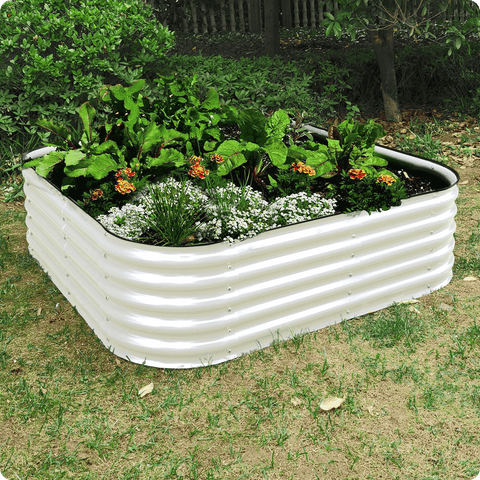
Credit: www.ollegardens.com
Frequently Asked Questions
How Deep Should A Raised Garden Bed Be?
A raised garden bed should be at least 12 inches deep. This depth provides ample space for cucumber roots to grow. Ensure good drainage by using well-draining soil mix. Deep beds help retain moisture and nutrients, promoting healthier cucumber plants.
What Soil Is Best For Cucumbers In Raised Beds?
Use a rich, well-draining soil mix for cucumbers. Combine garden soil with compost and organic matter. Ensure soil has a balanced pH, ideally between 6. 0 and 7. 0. This mix supports nutrient absorption and healthy plant growth.
Do Cucumbers Need Full Sun In Raised Beds?
Yes, cucumbers need full sun for optimal growth. Aim for 6 to 8 hours of sunlight daily. Sunlight encourages strong growth and improves fruit yield. Choose a sunny spot for your raised bed to ensure cucumbers thrive.
How Often Should You Water Cucumbers?
Water cucumbers regularly, about once or twice a week. Ensure soil remains consistently moist but not waterlogged. Adjust watering frequency based on weather conditions. Proper watering prevents stress and promotes healthy cucumber development.
Conclusion
Raised garden beds work well for growing cucumbers. They offer better drainage. Easier to manage soil quality too. Cucumbers like warm, loose soil. Raised beds keep soil warmer. This helps cucumbers thrive. Choose the right cucumber variety. Select one that suits your climate.
Water regularly for healthy growth. Monitor for pests and diseases. Raised beds make pest control easier. Enjoy fresh cucumbers from your garden. They taste better when homegrown. Experiment with different growing techniques. Discover what works best for you. Happy gardening!