Imagine stepping into your garden, the sun warming your skin, and seeing vibrant, thriving plants all around. Among them, a resilient aloe vera stands proud, its thick leaves promising natural remedies right at your fingertips.
You might be wondering: Can you plant aloe vera in the garden? The answer isn’t just a simple yes or no. It’s about understanding the plant’s needs, your garden’s environment, and how this incredible succulent can become a star player in your outdoor oasis.
Aloe vera, known for its soothing gel, is more than just a potted plant on your windowsill. It has the potential to flourish in your garden, offering both aesthetic appeal and practical benefits. But before you dive into planting, there are crucial factors to consider—like climate, soil, and care tips—that can make or break your gardening success. Are you ready to transform your garden into a haven of natural healing and beauty? Keep reading to discover how you can seamlessly integrate aloe vera into your garden and enjoy the endless rewards it brings.

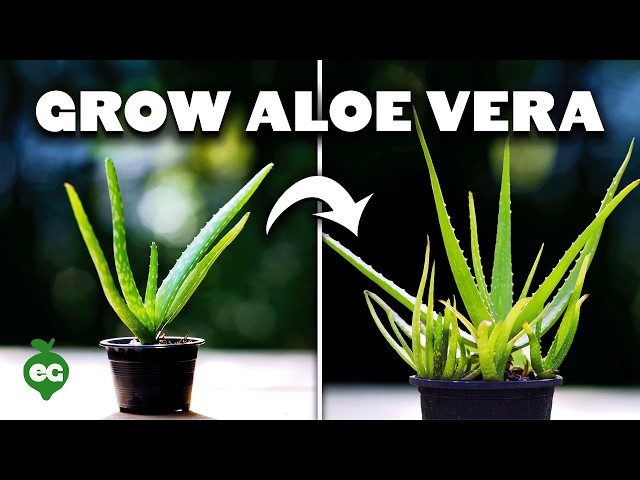
Credit: www.youtube.com
Benefits Of Planting Aloe Vera Outdoors
Planting aloe vera in the garden can enhance the landscape with its unique, spiky appearance. This hardy plant thrives outdoors, offering natural air purification and easy access to its soothing gel. Aloe vera requires minimal care, making it perfect for busy gardeners seeking low-maintenance greenery.
Planting Aloe Vera outdoors can be a delightful addition to your garden, offering both aesthetic appeal and practical benefits. This hardy succulent not only beautifies your space but also provides a wealth of advantages that can enhance your gardening experience. Imagine stepping into your garden and having access to fresh aloe gel right at your fingertips—a natural remedy for burns and cuts that grows just outside your door. Let’s dive into the benefits of planting Aloe Vera in your garden.Enhanced Growth And Vitality
Outdoors, Aloe Vera can thrive in natural sunlight, which is crucial for its growth. This exposure to direct sunlight can enhance the plant’s vitality, making it more robust and healthier. You might notice that outdoor Aloe Vera plants have thicker leaves and a more vibrant color compared to those grown indoors.Natural Pest Deterrent
Aloe Vera has properties that can deter pests, making it a great companion plant. Its bitter taste and gel-like substance can keep unwanted bugs at bay. Planting Aloe Vera alongside other plants can create a natural barrier, reducing the need for chemical pesticides. Have you ever thought about using plants to protect other plants?Low Maintenance Gardening
Aloe Vera requires minimal care, making it an excellent choice for those who prefer a low-maintenance garden. It thrives in dry conditions and needs little water, aligning perfectly with sustainable gardening practices. If you’re someone who forgets to water regularly, Aloe Vera might be your ideal plant partner.Improved Air Quality
Aloe Vera is known for purifying the air by removing toxins. Planting it outdoors can contribute to improved air quality around your home. As it absorbs carbon dioxide and releases oxygen, Aloe Vera can help create a fresher and healthier environment. Isn’t it fascinating how a simple plant can impact your surroundings?Accessible Natural Remedy
Having Aloe Vera in your garden means you have access to a natural remedy right at home. Its gel can soothe sunburns, minor cuts, and skin irritations. With Aloe Vera growing just outside, you can easily harvest its leaves and use the gel whenever needed. Isn’t it convenient to have a medicinal plant just a few steps away? Consider the benefits of planting Aloe Vera outdoors in your garden. Whether for its beauty, practical uses, or contribution to a healthier environment, Aloe Vera is a versatile addition that rewards you with multiple advantages.Choosing The Right Location
Selecting the ideal spot is crucial for planting aloe vera in the garden. Choose a sunny, well-drained location to ensure healthy growth. Avoid areas prone to waterlogging, as aloe vera prefers drier conditions.
Choosing the right location for your aloe vera in the garden can make all the difference in its growth and health. Aloe vera is a hardy plant, but it thrives best under specific conditions. Whether you’re a seasoned gardener or a beginner, picking the perfect spot will ensure your aloe vera flourishes and remains a stunning addition to your garden.Sunlight Requirements
Aloe vera loves the sun. It requires at least six to eight hours of sunlight daily. Consider placing your aloe in a south or west-facing spot where it can soak up the most rays. However, if you live in a particularly hot climate, some afternoon shade can prevent the plant from scorching. Too much direct sunlight can cause the leaves to turn brown.Soil Conditions
Aloe vera prefers well-draining soil. Sandy or gravelly soil works best to prevent water from pooling around the roots. You can enhance drainage by adding perlite or coarse sand to the soil. Avoid heavy clay soils that retain moisture. Overwatering or poor drainage can lead to root rot, a common issue with aloe plants.Climate Considerations
Aloe vera is a warm-weather plant. It thrives in USDA hardiness zones 9 through 11. If you live in a cooler climate, consider planting aloe vera in pots that can be moved indoors during winter. Frost can damage aloe vera, so monitor temperature changes. Protect your plant with frost cloths or by bringing them inside if a cold snap is forecasted. Have you ever thought about how your local climate can impact your gardening choices? Understanding these conditions can lead to a thriving garden that brings joy for years to come.Preparing The Garden Bed
Preparing the Garden Bed Planting aloe vera in your garden requires well-draining soil. Choose a sunny spot and avoid waterlogged areas. Aloe vera thrives in sandy or gravelly soil, ensuring healthy growth.
Preparing the garden bed for aloe vera is a crucial step in ensuring your plants thrive. Aloe vera, known for its succulent leaves and medicinal properties, requires specific conditions to grow successfully outdoors. By focusing on soil preparation, drainage, and fertilization, you can create an ideal environment for your aloe vera plants.Soil Preparation
Start by selecting a sunny spot in your garden, as aloe vera loves sunlight. Ensure the soil is sandy or gravelly, as these types of soils mimic its natural habitat. You can improve the soil by mixing in some coarse sand or perlite to enhance its drainage capacity.Drainage Solutions
Proper drainage is key to preventing root rot, a common issue with aloe vera. Consider building a raised bed or using mounds if your garden soil retains too much water. Alternatively, dig trenches lined with gravel at the base to facilitate excess water runoff.Fertilization Tips
Aloe vera doesn’t need heavy fertilization. A light application of a balanced, water-soluble fertilizer in spring can boost growth. Avoid over-fertilizing, as this can harm the plant’s delicate roots and lead to weak, floppy leaves. When preparing your garden bed, think about your own gardening experiences. Have you ever struggled with poor drainage or over-fertilization? Share your insights and adapt these tips to suit your specific garden conditions. Your aloe vera plants will thank you for the extra care!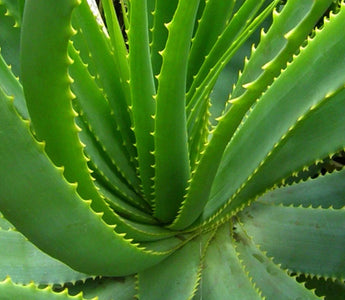
Credit: landguardgarden.com
Planting Aloe Vera Successfully
Aloe Vera thrives in well-drained soil with plenty of sunlight. Choose a sunny spot in your garden. Ensure the soil is sandy to prevent waterlogging, which can harm the plant.
Planting Aloe Vera Successfully Aloe Vera is a versatile plant with many benefits. It thrives in various environments, making it a great garden addition. With the right approach, it can flourish outside just as well as indoors. Learn how to set the stage for successful Aloe Vera growth in your garden.Timing For Planting
Timing matters for Aloe Vera planting. Choose a time when frost is no longer a threat. Spring is ideal as it offers a warm climate for growth. Aloe Vera needs warmth to thrive and grow strong.Spacing Guidelines
Proper spacing ensures healthy plants. Leave enough room for each Aloe Vera to expand. A gap of 18 inches between plants works well. This prevents overcrowding and allows roots to spread.Transplanting Techniques
Transplanting Aloe Vera requires care. First, prepare the soil by ensuring good drainage. Remove the plant gently from its pot. Place it in the garden hole, keeping roots undisturbed. Cover with soil and water lightly. This promotes a smooth transition.Watering And Maintenance
Plant aloe vera in well-drained soil to prevent root rot. Water sparingly, allowing soil to dry between watering. Regular maintenance includes removing dead leaves to promote healthy growth.
Planting aloe vera in your garden is a rewarding endeavor, but ensuring it thrives requires proper watering and maintenance. Aloe vera, known for its healing properties and resilience, needs specific care to flourish outdoors. Let’s dive into the essential aspects of watering and maintaining your aloe vera plants to keep them healthy and vibrant.Watering Schedule
Aloe vera plants are succulents, meaning they store water in their leaves and don’t need frequent watering. The key is to let the soil dry out completely between waterings. Typically, watering every two to three weeks is sufficient, but this can vary based on your climate. During rainy seasons, you may not need to water at all. In contrast, during hot, dry spells, you might need to water a bit more often. Always check the soil moisture before deciding to water.Pruning Practices
Pruning aloe vera isn’t just about aesthetics; it’s crucial for plant health. Remove any dead or damaged leaves promptly to prevent disease. Use clean, sharp scissors or a knife to make clean cuts close to the base. If your aloe becomes top-heavy or leggy, consider removing some outer leaves. This not only helps maintain balance but also encourages new growth. Remember, you can always use pruned leaves for their gel or propagate new plants.Pest And Disease Control
Aloe vera is relatively hardy, but it can still fall prey to pests and diseases. Common pests include aphids and mealybugs. Regularly inspect your plants and remove any visible pests by hand or with a gentle spray of water. For diseases, watch for signs of rot caused by overwatering. Ensure your aloe is planted in well-draining soil to prevent this issue. If you notice any fungal growth, remove affected areas immediately and adjust your watering habits. Maintaining your aloe vera plants involves a balance of careful observation and timely intervention. How will you ensure your garden becomes a thriving oasis of aloe vera?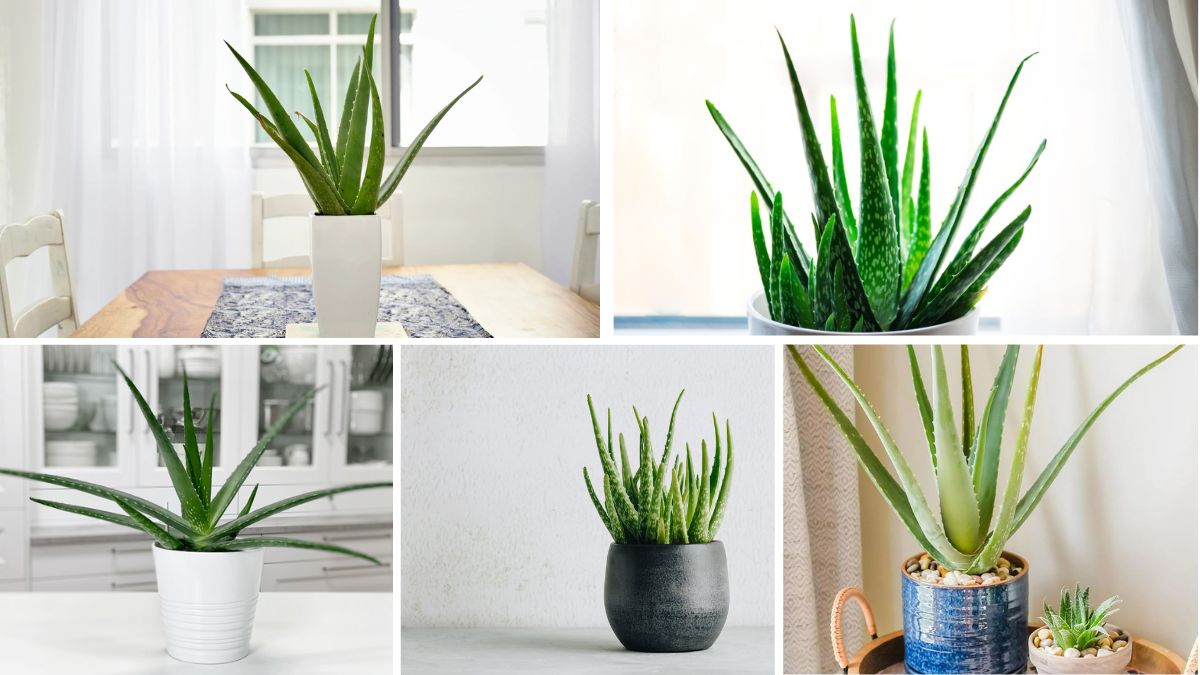
Credit: lodhigarden.com
Seasonal Care And Protection
Planting aloe vera outdoors requires understanding its needs. Ensure the garden spot has plenty of sunlight and good drainage. Protect aloe vera from frost during colder months to maintain its health.
Planting Aloe Vera in your garden can be a rewarding experience, but it requires thoughtful seasonal care and protection to thrive. Aloe Vera is a resilient plant, yet extreme weather conditions can challenge its survival. Understanding how to shield your Aloe Vera from winter chills and summer heat is essential. Let’s delve into how you can ensure your Aloe Vera remains healthy throughout the seasons.Winter Precautions
Aloe Vera is not a fan of the cold. If you live in a region with harsh winters, it’s crucial to protect your plants from freezing temperatures. One approach is to cover them with a frost cloth or move them indoors if they’re potted. You might also consider using a mini greenhouse to shield them from the cold, ensuring they continue to receive ample sunlight.Heatwave Management
During scorching summers, Aloe Vera might need a break from the intense sun. While they love light, excessive heat can cause their leaves to dry out. In such cases, provide some afternoon shade using a garden umbrella or shade cloth. Ensuring your Aloe Vera stays hydrated is vital, but be cautious not to overwater, as they are susceptible to root rot.Mulching Benefits
Mulching is a simple yet effective strategy to protect your Aloe Vera year-round. By adding a layer of organic mulch, you can help retain soil moisture, which is especially beneficial during dry spells. Mulch also acts as an insulator, protecting the roots from temperature extremes. Plus, it can prevent weed growth, giving your Aloe Vera the space it needs to thrive. Consider these tips the next time you’re in the garden. What other plants could benefit from similar seasonal care? Your Aloe Vera will thank you for the extra attention, and you’ll enjoy a lush, healthy plant all year long.Companion Planting With Aloe Vera
Planting aloe vera in the garden supports healthy growth for nearby plants. Its natural properties deter pests and improve soil quality. Aloe vera complements herbs and vegetables, creating a thriving garden ecosystem.
Companion planting is a rewarding gardening technique. Aloe Vera, with its unique properties, makes an excellent partner for various plants. Understanding which plants thrive alongside Aloe Vera can boost your garden’s health and productivity.Compatible Plants
Aloe Vera pairs well with several plants. It thrives with low-water companions, ensuring each plant receives adequate moisture. Consider planting alongside:- Succulents: These share similar water needs with Aloe Vera.
- Herbs like rosemary and thyme: They prefer dry conditions.
- Cacti: Both Aloe and cacti require minimal watering.
Incompatible Plants
Some plants don’t share Aloe Vera’s water preferences. Avoid pairing with:- High-water plants: They need frequent watering.
- Vegetables like lettuce and spinach: They require consistent moisture.
- Water-loving flowers: They need different care.
Benefits Of Companion Planting
Companion planting offers multiple advantages. It enhances soil health and reduces pest issues. Aloe Vera’s natural properties deter some pests. Grouping plants with similar needs simplifies care. It saves time and resources. This method optimizes your garden’s potential.Harvesting Aloe Vera
Planting Aloe Vera in the garden brings a touch of green beauty. Aloe Vera thrives best in warm climates with well-drained soil. Harvesting its gel is simple, just cut a mature leaf and extract the soothing gel inside.
Harvesting Aloe Vera is a rewarding experience that allows you to enjoy the plant’s many benefits. Whether you’re using the gel for skincare or as a natural remedy, knowing how and when to harvest can make all the difference. With the right techniques, you can ensure a healthy and sustainable yield from your garden.When To Harvest
Aloe Vera is ready for harvest once the plant has matured, typically after three to four years of growth. Look for leaves that are thick, green, and healthy at the base of the plant. It’s wise to harvest during the morning when the leaves are filled with the most moisture and nutrients.Harvesting Techniques
Begin by selecting the outermost leaves, as these are the oldest and richest in gel. Use a sharp knife or scissors to cut the leaf as close to the base as possible. Be gentle to avoid damaging the plant, ensuring it continues to grow and thrive.Using Aloe Vera Leaves
After harvesting, wash the leaves to remove any dirt or debris. You can slice the leaf open to scoop out the gel, which can be used directly on the skin or stored for later use. Remember, freshly harvested gel is more potent and beneficial than store-bought versions. Have you tried using Aloe Vera gel on a sunburn or as a moisturizer? Its soothing properties might surprise you. Plus, growing and harvesting your own Aloe Vera ensures that you’re using a natural and chemical-free product.Frequently Asked Questions
Is Aloe Vera Suitable For Outdoor Planting?
Yes, aloe vera can be planted outdoors in gardens. It thrives in warm climates, with temperatures above 50°F. Ensure the soil is well-draining and the location receives ample sunlight. Avoid planting in areas prone to frost. Proper care ensures healthy growth and abundant yield.
How Does Aloe Vera Tolerate Cold Temperatures?
Aloe vera struggles in cold temperatures below 50°F. Frost can damage or kill the plant. In colder climates, consider potting aloe vera for easy indoor transfer during winter. Protect garden plants with frost cloths or mulch. Ensure adequate sunlight and warmth for optimal growth.
What Soil Is Best For Aloe Vera?
Aloe vera prefers well-draining soil like sandy or cactus mix. Poor drainage can lead to root rot. Amend garden soil with sand or perlite for better drainage. Test soil pH to ensure it is slightly acidic to neutral. Regularly check moisture levels to avoid overwatering.
How Often Should You Water Aloe Vera?
Water aloe vera sparingly, about once every two weeks. Ensure soil is dry before watering again. Overwatering can cause root rot. In hot climates, monitor soil moisture more frequently. Adjust watering schedule during rainy seasons. Aloe vera prefers drought-like conditions for healthy growth.
Conclusion
Planting aloe vera in your garden is a rewarding choice. This hardy plant thrives in sunny spots with well-draining soil. Remember to water sparingly; aloe doesn’t like too much moisture. Protect it from frost during colder months. Aloe vera offers beauty and usefulness, with its healing gel.
You can enhance your garden’s appeal while enjoying its benefits. With minimal care, aloe vera grows lush and healthy. So, consider adding aloe to your garden space today. Enjoy the simplicity and charm it brings to your outdoor area.