Imagine growing your own fresh vegetables right in your backyard. But what if your backyard has a septic field?
You might be wondering if it’s possible to plant a vegetable garden over it. This question is more common than you might think, especially for those who want to make the most of their available space. As you dive into this article, you’ll uncover the pros and cons of gardening over a septic field.
You’ll learn about potential risks, benefits, and the best practices to ensure your garden thrives safely. Curious about how to make this work? Keep reading to find out how you can transform your septic field into a fruitful oasis without compromising your health or your home’s sanitation system.
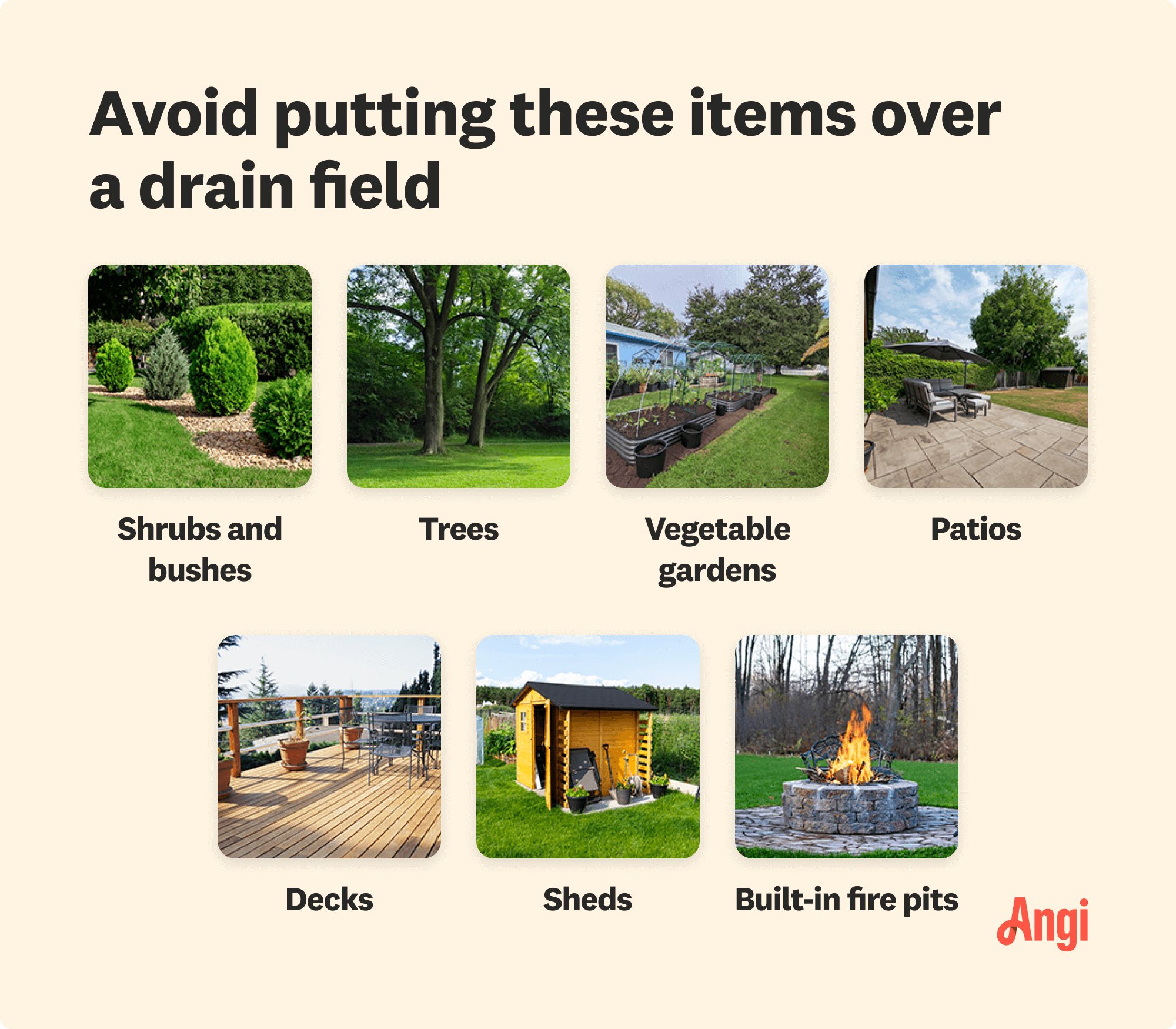
Credit: www.angi.com
Septic Field Basics
Septic fields play a crucial role in managing household waste. Understanding their basics is essential before considering planting a vegetable garden over them. A septic field, also known as a drain field, is a critical part of the septic system. It treats and disperses wastewater from your home. It’s important to know how it works to ensure safety and functionality.
Function Of Septic Systems
Septic systems process and dispose of waste from your home. They break down organic matter using natural processes. This system prevents harmful waste from entering the environment. Wastewater flows from the house into a septic tank. In the tank, solids settle at the bottom. Bacteria break down the solids over time.
The remaining liquid, or effluent, moves to the septic field. Here, it undergoes further treatment. The soil in the septic field filters and purifies the water. Clean water then returns to the groundwater system.
Components Of A Septic Field
A septic field consists of several key components. The main component is the septic tank. It holds and treats the wastewater. Another important part is the distribution box. This box evenly distributes the effluent into the drain pipes.
Drain pipes are buried beneath the soil. They have small holes to allow effluent to seep out slowly. The soil then acts as a natural filter. It removes pathogens and nutrients from the water. Plants and microorganisms in the soil help in this process.
Each component works together to ensure effective waste management. Understanding these components helps in making informed decisions about gardening over a septic field.
Planting Over Septic Fields
Planting a vegetable garden over a septic field can be risky. The soil may become contaminated, affecting plant safety. Consider other gardening locations for growing edible plants.
Planting a vegetable garden over a septic field can be an attractive idea for those with limited yard space. However, it’s crucial to understand the potential risks and benefits before you dig in. You’ll need to balance the desire for fresh vegetables with the health of your septic system and soil.Considerations For Soil Health
Soil health is paramount when planting over a septic field. The soil acts as a filter for the wastewater, and disturbing it too much can impair its function. Consider using shallow-rooted plants that won’t disrupt the soil layers significantly. Avoid using heavy machinery that might compact the soil or damage the septic system. Instead, opt for manual tools like hand trowels or small garden forks. Keep in mind that soil compaction can reduce the soil’s ability to filter waste, which could lead to unpleasant odors or even contamination.Root Penetration Concerns
Root penetration is a critical consideration when planning your garden. Deep-rooted vegetables might interfere with the septic pipes, leading to costly repairs. Opt for plants with shallow roots, such as lettuce, herbs, or radishes. You might wonder if these plants will get enough nutrients. Surprisingly, shallow-rooted plants often thrive in these conditions as the topsoil is nutrient-rich. However, avoid planting trees or shrubs, as their extensive root systems can severely disrupt the septic pipes. Thinking about the long-term health of both your garden and septic system is vital. Have you considered what would happen if roots grow into your septic pipes? Taking preventative measures now can save you from headaches down the line.Safety Measures
Planting a vegetable garden over a septic field requires careful planning. Safety measures ensure the health of both your garden and your family. Understanding soil conditions and choosing the right vegetables are key steps.
Assessing Soil Contamination
Check your soil for potential contaminants. Septic systems can leak harmful substances. Use soil testing kits available at garden centers. These kits help identify hazardous elements. Regular testing keeps your garden safe. If contaminants are present, consider alternative gardening sites.
Choosing Safe Vegetables
Not all vegetables thrive over septic fields. Focus on shallow-rooted plants. They are less likely to reach contaminated soil. Leafy greens and herbs are good choices. Avoid root vegetables like carrots and potatoes. Their roots may absorb harmful substances. Planting in raised beds adds another layer of safety. Raised beds prevent direct contact with the septic system.
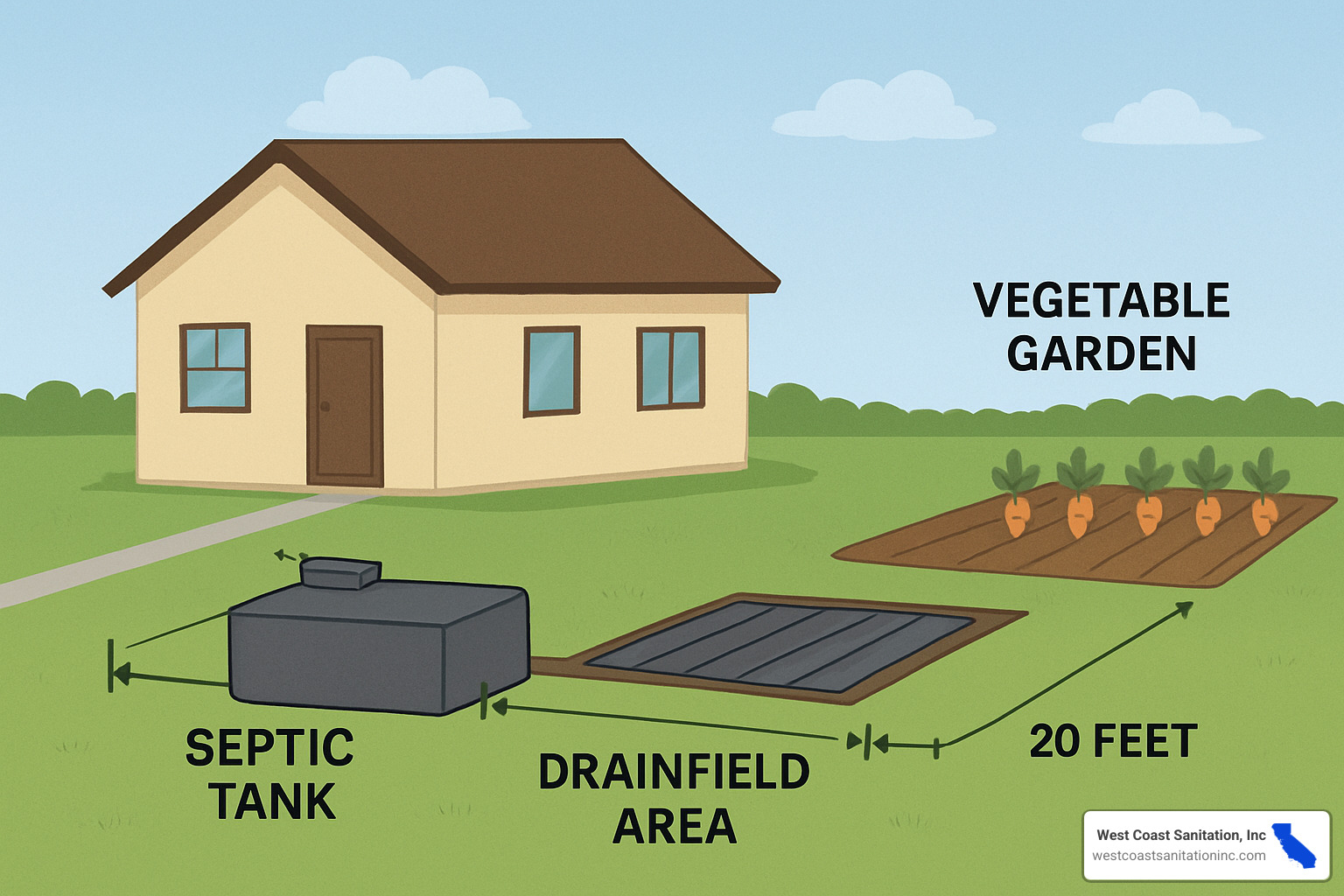
Credit: westcoastsanitationinc.com
Garden Layout Strategies
Planting a vegetable garden over a septic field can be tricky. Ensure proper plant selection and shallow rooting. Prioritize safety by avoiding deep-rooted vegetables that may disrupt the septic system.
Planting a vegetable garden over a septic field can be a creative solution for those with limited space, but it requires careful planning. The garden layout is crucial to ensure the safety of both your vegetables and your septic system. By choosing the right layout strategies, you can protect your plants from contamination while keeping your septic system functioning properly.Raised Beds Vs. Direct Planting
Consider using raised beds for your garden. They provide a barrier between your plants and the soil that may be affected by septic effluent. Raised beds can also help manage soil compaction, which is essential for maintaining the integrity of your septic field. On the other hand, direct planting might seem more straightforward, but it poses certain risks. Your plants’ roots can penetrate into the septic field, potentially disrupting its function. If you choose direct planting, select shallow-rooted vegetables to minimize this risk.Distance From Septic Components
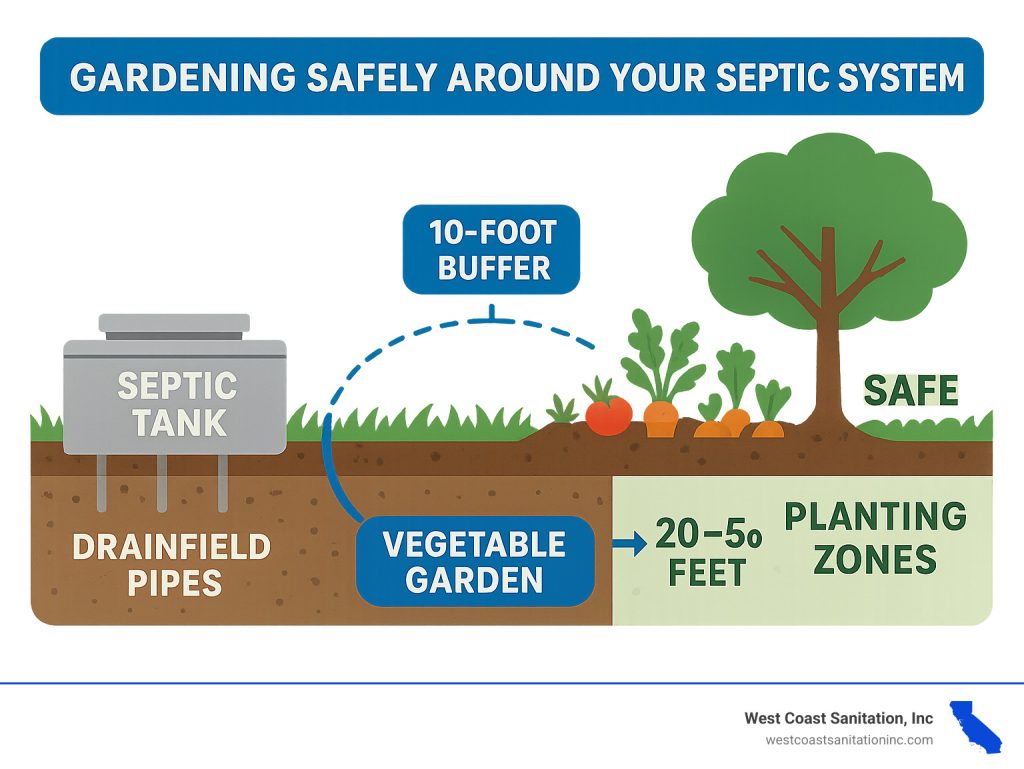
Always be mindful of the distance between your garden and septic components. Maintain a safe distance of at least 10 feet from the septic tank and 20 feet from the drain field. This helps avoid contamination and keeps your vegetables safe for consumption. Think about how water flows in your yard. Ensure that your garden is not in a low-lying area where water might accumulate and affect your septic system. Proper distance and positioning safeguard both your garden and your septic infrastructure.Maintenance Tips
Planting a vegetable garden over a septic field requires careful planning. Ensure plants have shallow roots to avoid damaging pipes. Choose vegetables that thrive in well-drained soil conditions for optimal growth.
Maintaining a vegetable garden over a septic field requires special care. Regular monitoring ensures both plant health and septic system safety. Following these maintenance tips can help you achieve a flourishing garden without compromising your septic system.Monitoring Plant Health
Check your plants regularly for signs of stress. Look for wilting leaves, yellowing, or stunted growth. These signs may indicate issues with soil nutrients or water absorption. Use organic fertilizers to promote healthy growth. Avoid deep-rooted plants that can interfere with the septic system. Keep the soil well-drained to prevent waterlogging. Ensure plants receive adequate sunlight and water.Signs Of Septic System Issues
Be alert to any unusual odors near the garden. Foul smells can indicate septic system problems. Watch for soggy areas or standing water on the field. These conditions suggest possible system leaks or blockages. Check the septic tank regularly for proper functioning. Hire professionals for routine inspections. Maintain the tank and pipes to prevent damage. Address any issues immediately to avoid further complications.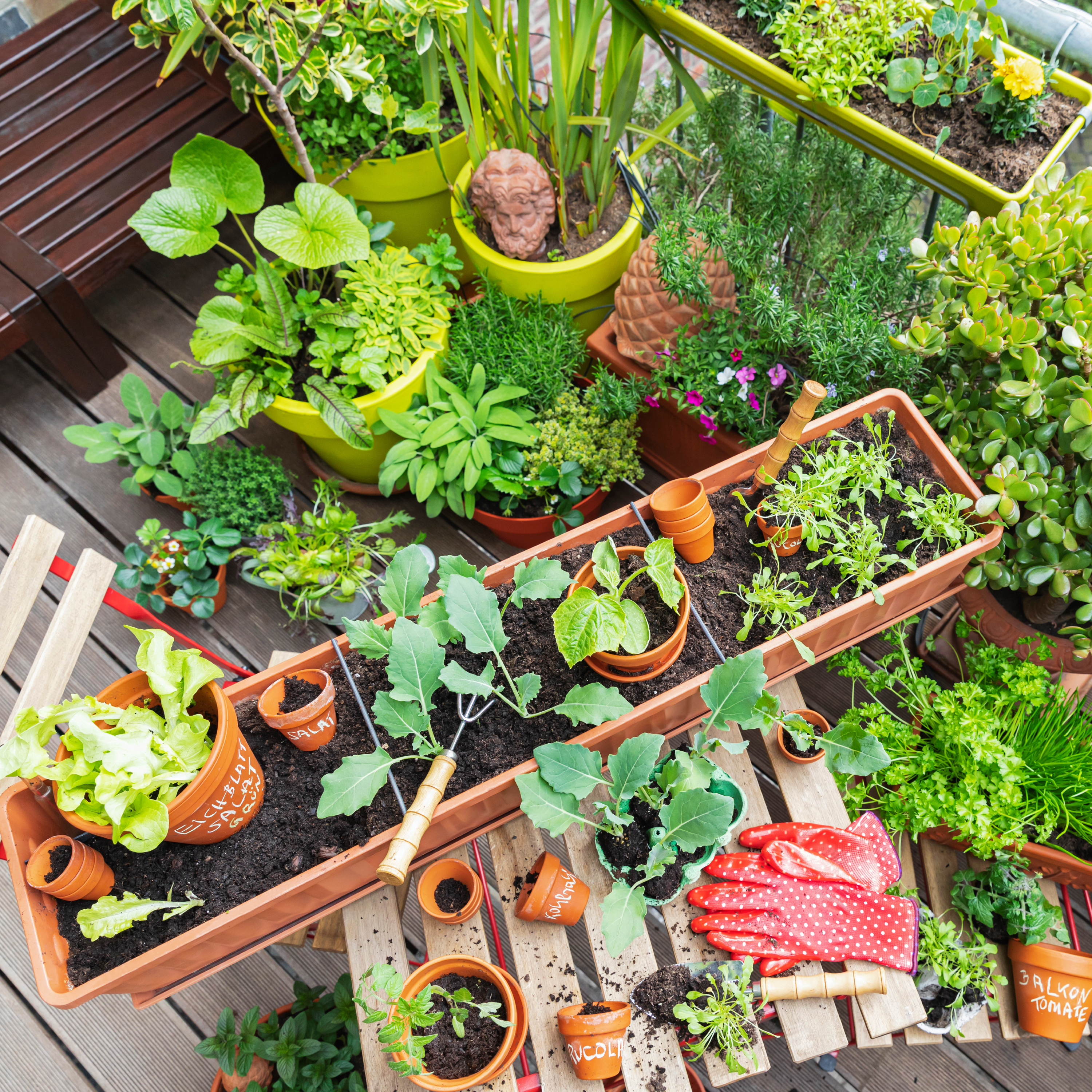
Credit: www.gardeningknowhow.com
Environmental Considerations
Planting a vegetable garden over a septic field raises several environmental concerns. Understanding these factors is crucial for preserving your garden and the surrounding area. Let’s explore the key environmental considerations.
Impact On Local Ecosystems
Septic fields can affect nearby ecosystems. These systems release nutrients into the soil. While beneficial in moderation, excess nutrients can disrupt plant and animal life. It’s important to assess the potential impact on local flora and fauna. Consider native plants that thrive with minimal disturbance. This approach helps maintain ecological balance.
Water Usage And Conservation
Watering your garden over a septic field needs careful planning. Too much water can overwhelm the septic system. This may lead to system failure or contamination. Use efficient watering techniques to conserve water. Drip irrigation minimizes waste and protects the septic field. Choosing drought-resistant plants also reduces water dependency. This ensures a sustainable gardening practice.
Frequently Asked Questions
Is It Safe To Plant Over Septic Fields?
Planting over septic fields is not recommended. Roots can damage pipes and hinder septic function. Vegetables may absorb harmful bacteria, posing health risks. It’s best to plant shallow-rooted, ornamental plants instead, which pose less threat to the septic system.
What Vegetables Can Grow Near Septic Fields?
Avoid growing vegetables directly on septic fields. Instead, grow them at least 10 feet away. Choose shallow-rooted vegetables like lettuce or spinach. These are safer options, reducing the risk of contamination from harmful bacteria in the soil.
How Does Septic System Affect Plant Growth?
Septic systems can affect plant growth negatively. Wastewater may introduce harmful pathogens to plants. High moisture levels can alter soil conditions, impacting plant health. Shallow-rooted plants are less affected and safer to grow near septic systems.
Can Septic Fields Contaminate Vegetables?
Yes, septic fields can contaminate vegetables. Harmful bacteria and pathogens from wastewater may be absorbed by plants. Eating contaminated vegetables poses health risks. It’s crucial to maintain distance between vegetable gardens and septic fields for safety.
Conclusion
Choosing to plant a vegetable garden over a septic field requires careful thought. Some plants can thrive, but many may not. Understanding your soil type is crucial. Consider the potential risks to health and plant growth. Raised beds can offer a safer alternative.
Always research local guidelines and expert advice. This ensures you make informed decisions. Your garden should be safe and healthy. Balancing beauty with practicality is key. Remember, every garden is unique. Tailor your plans to fit your specific needs. With the right approach, you can enjoy a flourishing garden.
Happy gardening!







