Ever looked at your sloped backyard and thought it was impossible to plant a vegetable garden there? You’re not alone.
Many people believe that uneven terrain is a dealbreaker for gardening. But here’s the exciting part: planting a vegetable garden on a slope is not only possible, but it can also yield incredible results. Imagine stepping outside to pick fresh, homegrown vegetables, all from a garden you created on a slope.
Intrigued? Get ready to discover how you can transform that challenging patch of land into a lush, productive garden. We’ll walk you through the benefits, challenges, and practical tips to get started. Stay with us, and you’ll soon see your sloped garden in a whole new light.
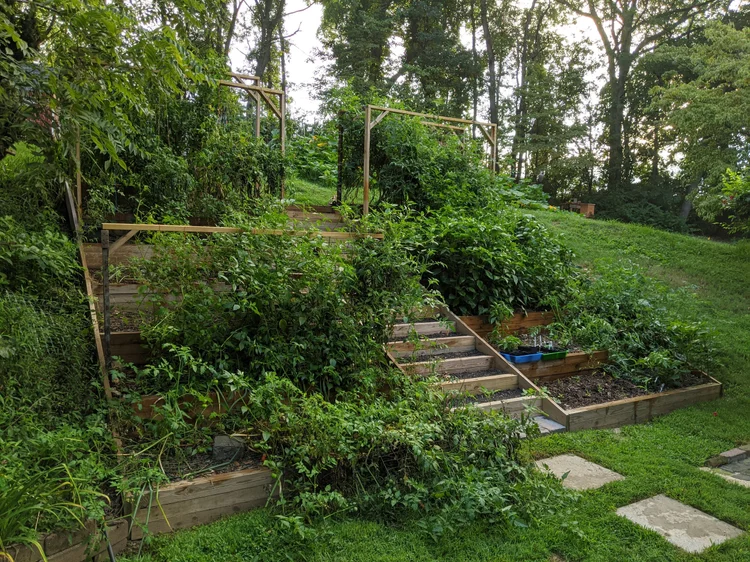
Credit: tejasfarm.com
Choosing The Right Vegetables
Planting a vegetable garden on a slope is possible with careful planning. Choose vegetables that thrive in well-drained soil. Consider terracing to prevent erosion and ensure proper water distribution.
Planting a vegetable garden on a slope presents unique challenges but can be incredibly rewarding with the right approach. One of the key factors to success is choosing the right vegetables. A well-thought-out selection can make all the difference between a flourishing garden and a frustrating one. How do you decide which vegetables will thrive on a slope? Let’s delve into some considerations that can guide your choices.Considerations For Sunlight And Water
Vegetables have varying needs for sunlight and water. Slopes often have uneven exposure to sunlight; some areas may bask in full sun while others remain shady. Assess the sunlight pattern on your slope before planting. Sun-loving vegetables like tomatoes and peppers should be planted in the sunniest spots. Water retention is another crucial factor. Slopes can cause water to run off quickly, leaving plants thirsty. Choose vegetables that are tolerant of occasional dry spells. Root vegetables such as carrots and potatoes can be a good choice as they tend to have deeper root systems that can access moisture more efficiently.Opt For Hardy Varieties
Sloped gardens can face wind exposure and soil erosion. Hardy vegetable varieties are more likely to withstand these conditions. Consider planting kale, Swiss chard, or collard greens which are known for their resilience. These vegetables can thrive even when conditions are less than ideal. Additionally, perennials like asparagus can be a smart choice for a slope garden. Once established, they require less maintenance and can handle challenging environments better than annuals.Spacing And Layout Strategies
The layout of your garden is crucial on a slope. Consider terracing or creating raised beds to maximize space and minimize erosion. You can use stones, wood, or other materials to create these structures. This not only helps in retaining soil but also provides a flat surface for planting. When planning the layout, allow ample space between plants to ensure each receives adequate air circulation and nutrients. Crowded plants can struggle more on a slope due to competition for resources.Experiment With Companion Planting
Companion planting can be especially beneficial in a slope garden. Pairing plants that benefit each other can enhance growth and reduce pest issues. For instance, planting marigolds near your vegetables can deter pests naturally. Think about pairing shallow-rooted plants with those that have deeper roots. This can help in stabilizing the soil and ensuring that water and nutrients are shared efficiently among the plants.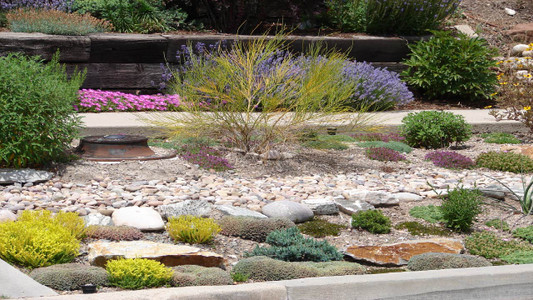
Credit: www.dripworks.com
Assessing The Slope
Evaluating the slope’s angle and soil quality is crucial before planting. A gentle slope with good drainage can support a vegetable garden effectively. Utilize terracing techniques to prevent erosion and ensure even water distribution.
Assessing a slope for a vegetable garden requires careful planning. Slopes can offer challenges, but they also provide unique opportunities. Understanding the slope’s characteristics is crucial for garden success. Before planting, it’s essential to evaluate several factors.Determining The Gradient
The slope’s gradient influences water flow and soil erosion. Use a measuring tape and level to determine the steepness. A gentle slope is ideal for gardening. Steeper slopes may need terraces or raised beds. Terracing helps manage water runoff and prevents erosion.Soil Composition Considerations
Soil type affects drainage and plant growth on slopes. Conduct a soil test to understand its composition. Ensure the soil has enough organic matter for nutrients. Add compost to improve soil quality if needed. Check for rocks or debris that can hinder root growth. Remove large rocks to make planting easier. Choose plants that thrive in your soil type.Terracing Techniques
Terracing techniques allow you to plant a vegetable garden on a slope efficiently. By creating flat surfaces, soil erosion is minimized, and water retention improves. This approach makes gardening on uneven land more accessible and productive.
Terracing Techniques Planting a vegetable garden on a slope may seem challenging, but terracing techniques can transform your uneven landscape into a productive paradise. By creating level planting areas, you can prevent soil erosion and make gardening easier. Let’s explore two effective methods to achieve this.Building Retaining Walls
Constructing retaining walls is a practical way to create flat surfaces on a slope. These walls hold back soil and can be made from various materials like stone, wood, or concrete. Start by evaluating the slope’s angle and decide how many levels you need. Use durable materials to ensure your walls withstand weather conditions. A friend once shared how using natural stone not only stabilized her garden but also added rustic charm. Consider drainage. Proper drainage prevents waterlogging, ensuring your plants thrive. Think about adding a small trench or pipe system behind the wall to direct excess water away from plant roots.Creating Raised Beds
Raised beds are another excellent option for sloped gardens. They allow you to control soil quality and provide an efficient way to manage water flow. Choose the right materials like untreated wood or recycled plastic. The height of your raised beds can vary, but make sure they’re deep enough for root growth. My neighbor opted for cedar planks, creating a series of cascading beds that doubled her growing space. Position the beds perpendicular to the slope. This orientation helps in slowing down water runoff and maximizes water absorption. Have you considered adding pathways between beds? They make navigation easier and reduce soil compaction in planting areas. By applying these terracing techniques, you can turn your sloped garden into a thriving vegetable haven. How will you start transforming your garden today?Water Management Strategies
Planting a vegetable garden on a slope requires smart water management. Build terraces to control water flow and prevent erosion. Choose drought-resistant plants that thrive with less water.
Water management is crucial for gardening on a slope. It ensures plants receive enough moisture without washing away nutrients. On a slope, water tends to flow downhill quickly, risking soil erosion and inefficient irrigation. Implementing effective strategies can transform a challenging slope into a thriving vegetable garden.Preventing Soil Erosion
Soil erosion can strip nutrients from your garden. It weakens the plants and affects growth. To prevent this, use barriers like rocks or wooden planks. These barriers slow down water flow, keeping soil intact. Planting grass or groundcover can also help. These plants hold soil in place with their roots. Terracing is another option. It involves creating flat areas on the slope. These areas reduce water speed, minimizing erosion.Efficient Irrigation Systems
An efficient irrigation system is vital on a slope. Drip irrigation works well in these conditions. It delivers water directly to plant roots, preventing runoff. You can use soaker hoses too. They release water slowly, ensuring it penetrates the soil. Consider installing a rainwater catchment system. It collects rain and directs it to your garden. This approach saves water and keeps plants hydrated. Regular checks on your irrigation system ensure it functions properly.Optimizing Sunlight Exposure
Planting a vegetable garden on a slope can enhance sunlight exposure, aiding plant growth. Terracing the slope helps evenly distribute sunlight and nutrients. This approach maximizes space and ensures each plant gets optimal sunlight.
Optimizing sunlight exposure is crucial for a vegetable garden on a slope. The right amount of sunlight helps plants grow strong and healthy. On a slope, sunlight can vary, affecting plant growth.Positioning For Maximum Light
Position your garden rows to face the sun. This maximizes light exposure. Use the slope to your advantage. Plant taller crops at the top. Shorter plants should be at the bottom. This arrangement prevents shading. It allows every plant to soak up sunlight.Shade Management Solutions
Some areas may still have shade. Use reflective materials to bounce light. Mirrors or aluminum foil can help. These reflect sunlight onto shaded spots. Consider pruning nearby trees or shrubs. This reduces shadows over your garden. Use shade-tolerant plants in darker areas. This way, every part of your garden thrives.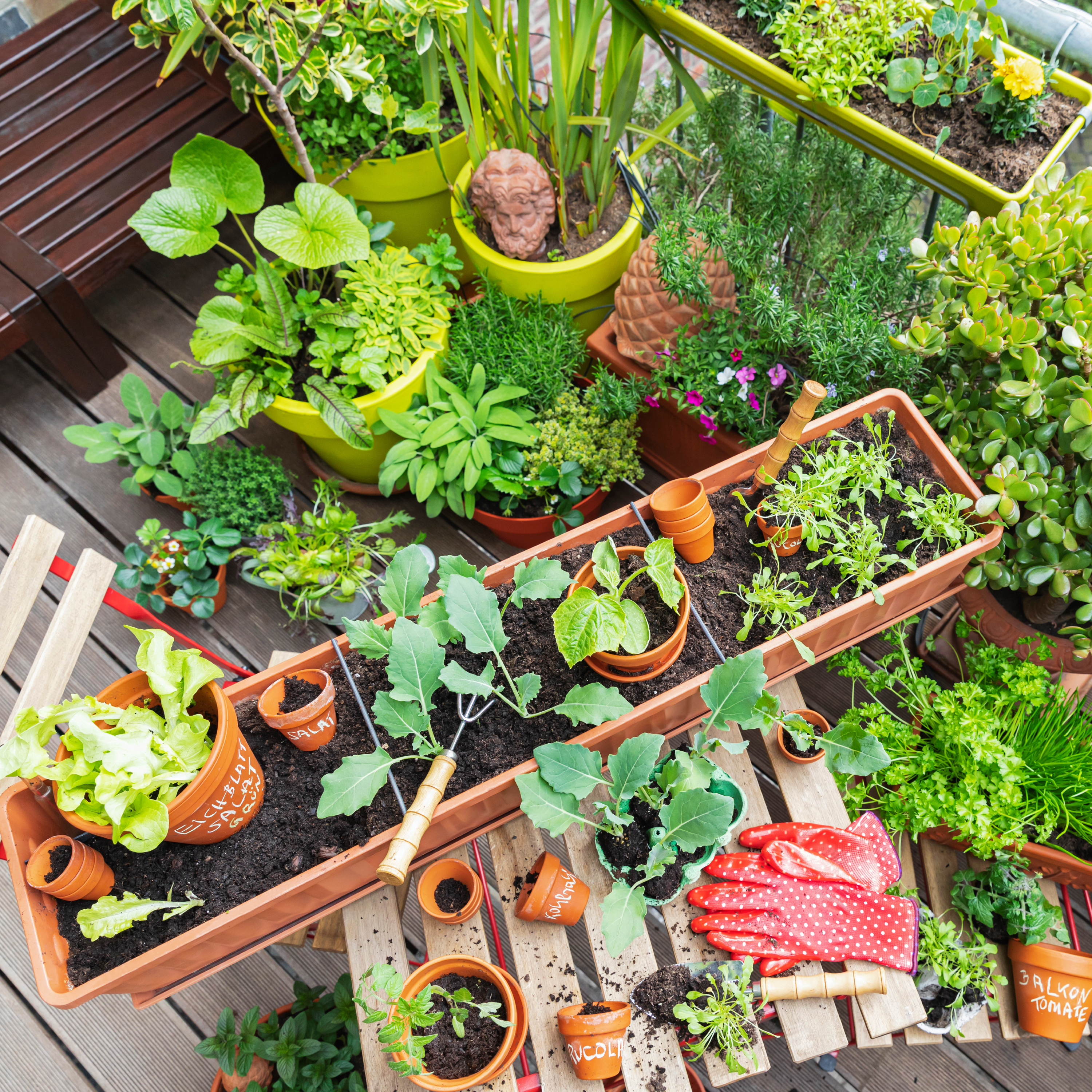
Credit: www.gardeningknowhow.com
Selecting Soil Amendments
Selecting the right soil amendments is crucial for planting a vegetable garden on a slope. Improve drainage and nutrient retention by adding organic matter like compost or well-rotted manure. This helps maintain a healthy growing environment for your plants.
Planting a vegetable garden on a slope presents unique challenges, but with the right approach, it can be a rewarding endeavor. One crucial aspect to consider is selecting soil amendments. These amendments will help optimize the soil for your garden, making it a fertile ground for your plants. You might wonder, how do you improve soil that’s constantly battling gravity? Let’s explore how you can enhance your sloped garden by improving drainage and boosting nutrient retention.Improving Drainage
Proper drainage is essential when gardening on a slope. Without it, your garden could suffer from soil erosion or waterlogging. To combat this, consider adding organic matter such as compost or well-rotted manure. These materials help break up compacted soil, allowing water to flow through more easily. You can also incorporate sand or gravel into the soil. This aids in water movement and prevents pooling, which can drown plant roots. Don’t forget to monitor the slope itself. Terracing or creating small retention barriers can slow water movement, giving your soil time to absorb it properly.Enhancing Nutrient Retention
Sloped gardens often face challenges in nutrient retention due to runoff. To address this, start with a soil test to identify nutrient deficiencies. Based on the results, you can add specific fertilizers or amendments that cater to your garden’s needs. Organic amendments like biochar or vermiculite can be particularly effective. These materials not only retain moisture but also hold onto nutrients, ensuring they aren’t washed away. Mulching is another strategy that can help retain nutrients. A layer of mulch reduces erosion and keeps the soil warmer, promoting better nutrient absorption. Remember, gardening on a slope might seem daunting, but with thoughtful soil amendments, you can transform your hillside into a thriving vegetable garden. What amendments have you tried, and how have they worked for your garden?Maintaining Garden Health
Planting a vegetable garden on a slope can be a great way to maximize space. Proper soil management ensures healthy growth. Use terraces to prevent erosion and ensure water retention for thriving plants.
Maintaining Garden Health Cultivating a vegetable garden on a slope presents unique challenges but also offers rewarding benefits. Ensuring the health of your garden requires regular attention and thoughtful strategies to tackle common issues. From pests to weather impacts, maintaining garden health becomes a dynamic task. How can you safeguard your garden against these challenges while keeping your plants thriving?Pest Control Measures
Pests can be relentless, especially in slope gardens where runoff might bring unwanted visitors. Start by creating barriers like netting or floating row covers to protect your plants from insects. Use natural repellents such as garlic or neem oil sprays to deter pests without harming beneficial insects. Consider companion planting; marigolds and basil can naturally repel pests when planted alongside your vegetables.Regular Monitoring Techniques
Regular monitoring is essential to catch issues early before they become serious problems. Spend time each week observing your plants for signs of stress or disease, such as wilting or discoloration. Keep a garden journal noting the weather conditions, plant growth, and any abnormalities. This will help you identify patterns and adjust your care strategies accordingly. Install moisture sensors to ensure your slope garden isn’t suffering from uneven watering. This technology can alert you to areas that need more attention, helping maintain optimal growth conditions.Seasonal Planting Tips
Planting a vegetable garden on a slope is possible with careful planning. Terracing the slope helps prevent soil erosion. Select deep-rooted vegetables to stabilize the soil and enhance growth.
Planting a vegetable garden on a slope presents unique challenges and opportunities. With the right seasonal planting tips, you can harness the power of nature to create a thriving garden. Whether you’re a seasoned gardener or a beginner, understanding when to plant and how to rotate crops is crucial for success.Timing For Planting
Timing is everything, especially on a slope where soil drainage and sunlight can vary. Start by observing your garden’s microclimates. Does one part of the slope stay warmer or receive more sun? These observations can guide when to plant each type of vegetable. Consider using a planting calendar that matches your climate zone. This helps you plan which crops to start indoors and when to transplant them outside. By staggering planting times, you can extend your harvest season and ensure a continuous supply of fresh produce.Crop Rotation Strategies
Rotate your crops each season to maintain soil health and reduce pests. Avoid planting the same family of plants in the same spot year after year. This prevents nutrient depletion and disrupts pest cycles. Create a simple rotation plan. For instance, plant root vegetables like carrots in the area where tomatoes grew last year. The nutrients required differ, helping to balance the soil naturally. Think about using cover crops during the off-season. They enrich the soil and prevent erosion, a common challenge on slopes. As you plan your garden, consider how each decision impacts the long-term health of your soil. Are you ensuring that your garden remains sustainable for years to come?Frequently Asked Questions
How Do You Start A Vegetable Garden On A Slope?
Starting a garden on a slope requires careful planning. Begin by assessing the slope’s steepness and soil quality. Use terracing or raised beds to prevent erosion. Choose vegetables that are suitable for your climate and soil conditions. Regularly monitor water drainage to ensure plants receive adequate hydration.
What Vegetables Grow Best On Slopes?
Certain vegetables thrive on slopes due to their root systems. Consider planting root crops like carrots, potatoes, and radishes. Leafy greens like spinach and kale can also adapt well. Ensure you select varieties suited to your climate and soil type for optimal growth and yield.
Can Erosion Affect A Sloped Vegetable Garden?
Erosion can significantly impact a sloped garden. It can wash away topsoil and nutrients, harming plant growth. To combat erosion, use terracing, ground covers, or mulch. These methods stabilize the soil and retain moisture, ensuring your vegetables grow healthy and strong.
How Do You Water A Sloped Garden Efficiently?
Efficiently watering a sloped garden requires strategic planning. Use drip irrigation or soaker hoses to deliver water directly to roots. This minimizes runoff and ensures plants receive adequate hydration. Monitor soil moisture levels regularly and adjust watering schedules based on weather conditions.
Conclusion
Creating a vegetable garden on a slope is possible. It requires careful planning and hard work. Use terraces to manage the incline effectively. Ensure proper drainage to prevent waterlogging. Choose plants that thrive on slopes, like root vegetables. Regular maintenance keeps your garden healthy and productive.
With patience, your sloped garden can flourish. Enjoy fresh produce from your own garden. It will be a rewarding experience. Remember, a bit of creativity goes a long way. Happy gardening!