Are you tired of the back-breaking work that comes with tilling your garden? Or perhaps you’re just starting out and want a simpler, more sustainable way to grow your own vegetables and flowers?
The good news is, you can plant a garden without tilling, and it might just be the game-changer you’ve been looking for. Imagine a lush, thriving garden without the sweat and toil of turning the soil. It’s not just possible; it’s practical, and it could revolutionize the way you think about gardening.
Get ready to discover how no-till gardening can save you time, protect your soil, and yield bountiful harvests. You’ll learn the secrets behind this technique and why it’s catching on with gardeners everywhere. Ready to change the way you garden? Let’s dive in.
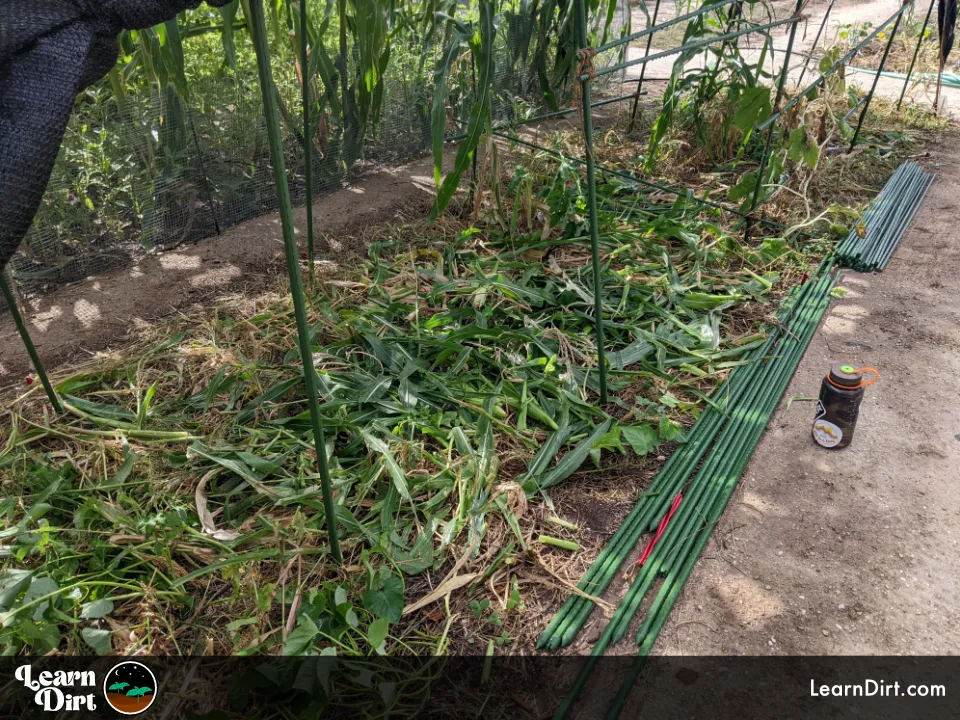
Credit: learndirt.com
Benefits Of No-till Gardening
Planting a garden without tilling enriches soil health, conserves water, and reduces erosion. This method supports beneficial microbes and earthworms, enhancing plant growth naturally.
No-till gardening is gaining popularity for its numerous benefits. This method involves growing plants without disturbing the soil through tilling. It promotes a healthier garden and reduces labor. Let’s explore the benefits of no-till gardening.Improved Soil Health
No-till gardening nurtures soil health. It preserves the natural structure and increases organic matter. This method also encourages beneficial organisms like earthworms. These creatures aerate and enrich the soil. Over time, plants grow stronger and healthier.Reduced Erosion
Tilling can lead to soil erosion. No-till gardening keeps soil intact, protecting it from wind and rain. This method reduces nutrient loss, keeping your garden fertile. It also preserves the topsoil, which is vital for plant growth.Water Conservation
No-till gardening helps conserve water. It maintains soil moisture by reducing evaporation. Mulch or plant cover further retains water. This method lowers water needs, making it ideal for dry areas. Your plants stay hydrated longer, even with less watering.
Credit: www.facebook.com
Principles Of No-till Gardening
Planting a garden without tilling preserves soil structure and promotes healthier plants. This method reduces erosion and retains moisture. It encourages beneficial organisms to thrive, creating a natural, sustainable ecosystem.
Planting a garden without tilling is more than just a trend—it’s a sustainable approach that nurtures the land beneath your feet. The principles of no-till gardening revolve around preserving the natural state of the soil, boosting biodiversity, and using nature’s blanket to protect and nourish the earth. Embracing these concepts can transform your gardening experience, making it more efficient and rewarding.Maintaining Soil Structure
The beauty of no-till gardening lies in its ability to preserve the soil’s natural architecture. When you avoid turning the soil over, you allow it to maintain its layers, which are home to countless beneficial organisms. This structured environment helps improve water retention and reduces erosion. Healthy soil structure means you won’t have to rely on heavy machinery or disrupt the ground. You might find it surprising, but this approach can lead to healthier plants with stronger roots. How often do you get the chance to let nature do the heavy lifting for you?Enhancing Biodiversity
A no-till garden is a sanctuary for diverse life forms. By not disturbing the soil, you provide a stable habitat for earthworms, microbes, and other beneficial creatures. These organisms work tirelessly to break down organic matter and enrich the soil. Imagine a garden teeming with life, where every layer of soil tells a story of cooperation and growth. This biodiversity contributes to a resilient ecosystem that can withstand pests and diseases more effectively. Are you ready to watch your garden thrive with minimal intervention?Mulching And Cover Crops
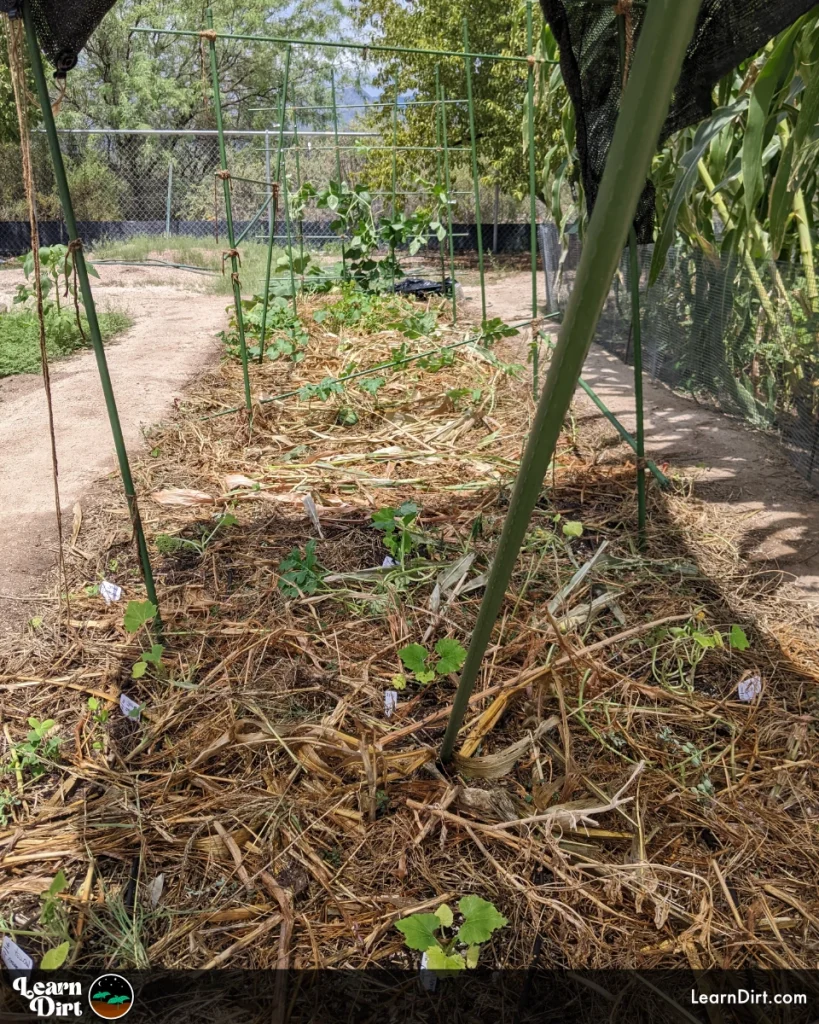
Mulching is the unsung hero of no-till gardening. By covering the soil with organic materials like straw, leaves, or grass clippings, you protect it from erosion and extreme weather. Mulch also helps retain moisture and suppress weeds, making your gardening tasks much simpler. Cover crops are another powerful tool in your no-till arsenal. Planting crops like clover or rye during the off-season adds nutrients to the soil and prevents weed growth. They act as a natural shield, ensuring your garden is ready for the next planting season. These methods are not just practical—they’re transformative. How can you incorporate these practices into your gardening routine to foster a more sustainable environment?Starting A No-till Garden
Planting a garden without tilling keeps the soil structure intact. It encourages beneficial organisms to thrive, improving soil health naturally. Mulch and compost layers enrich the soil, providing nutrients for plants.
Starting a No-Till Garden Imagine a garden where the soil thrives naturally, without the disruption of tilling. Starting a no-till garden is not just a method; it’s a philosophy that embraces soil health and minimizes labor. As you embark on this journey, you’ll discover the benefits of preserving the soil’s structure and enhancing its fertility.Choosing The Right Location
The first step in your no-till adventure is selecting an ideal spot for your garden. Look for a location that receives ample sunlight, as most plants require at least six hours of sun daily. Assess the drainage by observing how water behaves after a rainstorm; you want a spot where water drains efficiently without pooling. Consider the proximity to your home. A garden that’s easy to access will inspire frequent visits, allowing you to tend to plants and enjoy the beauty of your no-till masterpiece.Preparing The Soil Surface
Contrary to traditional methods, no-till gardening starts with minimal disturbance to the soil. Begin by clearing the area of weeds and debris, ensuring a clean slate for your plants. Use organic matter, such as compost or mulch, to enrich the soil surface. These materials serve a dual purpose: they nourish the soil and act as a protective blanket. Think about creating a layered approach. Adding straw or wood chips can help retain moisture and suppress weeds, promoting a healthy environment for your garden.Selecting Appropriate Plants
Choosing the right plants is crucial for a thriving no-till garden. Opt for hardy perennials and native species that are well-suited to your climate, as they require less maintenance and adapt naturally to the environment. Consider companion planting—pairing plants that benefit each other—to maximize growth and deter pests. Reflect on the plants you love and enjoy. A garden should be a personal space that brings joy and satisfaction, so select varieties that excite you. Wouldn’t it be delightful to harvest fresh herbs or vibrant flowers from your very own no-till garden?Maintaining A No-till Garden
Planting a garden without tilling is possible and beneficial. This method improves soil health and reduces erosion. It involves layering organic materials to enrich the soil naturally.
Maintaining a No-Till Garden can transform your gardening experience. By skipping the tilling process, you preserve soil structure. This method encourages healthy microbial activity, enhancing plant growth naturally. A no-till garden requires specific care strategies. These strategies focus on weed control, pest management, and seasonal care.Weed Management Techniques
Weeds can be troublesome. In a no-till garden, they need strategic handling. Mulching is effective. Cover the soil with organic materials like straw or wood chips. This blocks sunlight, preventing weed growth. Hand-pulling weeds ensures they don’t compete with your plants. Use a hoe for larger areas. Regular checks help manage weeds early.Organic Pest Control
Pests can affect plant health. Organic methods are safe and effective. Introduce beneficial insects. Ladybugs and lacewings control harmful pests. Neem oil is a natural pesticide. Spray it on affected plants. Companion planting deters pests. Marigolds repel nematodes. Garlic scares away aphids. Observing plants often helps spot issues early.Seasonal Care Tips
Seasonal changes impact no-till gardens. Adjust care routines accordingly. In spring, sow seeds directly. Cover them with mulch for warmth. Summer requires watering. Ensure soil moisture without overwatering. Fall is for adding compost. It enriches the soil for winter. Winter needs less attention. Ensure mulch covers plants for frost protection. Regular monitoring keeps plants healthy all year.Common Challenges And Solutions
Starting a garden without tilling can lead to compacted soil and weed challenges. Improve soil structure by adding organic matter like compost. Effective mulching suppresses weeds and retains moisture, creating a healthy environment for plants.
Planting a garden without tilling can be a rewarding and sustainable approach, but it does come with its own set of challenges. Understanding these challenges and learning how to overcome them is crucial for a thriving garden. Let’s explore some common hurdles and practical solutions to ensure your no-till garden flourishes.Handling Compacted Soil
Compacted soil can be a major obstacle in a no-till garden. It restricts root growth and limits water and nutrient penetration. To tackle this, consider using a broadfork to gently loosen the soil without disturbing the structure. Adding organic matter like compost or mulch can help improve soil texture over time. Also, planting cover crops such as clover or rye can naturally aerate the soil and enhance its fertility.Dealing With Pests And Diseases
Without tilling, pests and diseases can sometimes feel like an unwelcome surprise. However, there are natural ways to manage them effectively. Introduce beneficial insects like ladybugs and lacewings, which can keep harmful pests in check. Rotate your crops annually to prevent disease build-up. Mulching not only suppresses weeds but also creates a habitat for beneficial organisms that prey on pests.Addressing Nutrient Deficiencies
Nutrient deficiencies might arise if the soil isn’t regularly turned and mixed. This can seem daunting, but it’s manageable with the right approach. Conduct a soil test to identify specific deficiencies. Use organic fertilizers, such as bone meal or fish emulsion, to supply essential nutrients. Another strategy is to grow nitrogen-fixing plants like peas or beans, which naturally enrich the soil. Embracing no-till gardening involves adapting to these challenges, but with patience and the right tactics, your garden can thrive without the need for tilling. Are you ready to transform your gardening approach?
Credit: modernfarmer.com
Success Stories And Case Studies
Exploring garden success stories without tilling offers insight into sustainable practices. Case studies reveal methods for nurturing plants through natural soil processes. Embracing these techniques can lead to a thriving garden with less labor and environmental impact.
Success stories and case studies often provide the inspiration and evidence needed to adopt new gardening methods. No-till gardening, a method growing in popularity, has its share of success tales. These stories not only demonstrate the viability of not tilling the soil but also showcase its benefits in various settings. From urban plots to community gardens, and personal backyards, the no-till approach is proving its worth.Urban No-till Gardens
In the heart of bustling cities, space is often limited, but urban gardeners are finding ways to thrive with no-till techniques. A group of enthusiasts in New York transformed a neglected rooftop into a vibrant vegetable haven. Using raised beds and a mix of compost and mulch, they achieved impressive yields of tomatoes, lettuce, and herbs. This method not only maximized their small space but also reduced their water usage considerably. Have you ever thought about turning your balcony or rooftop into a productive garden?Community No-till Projects
Community gardens have embraced no-till methods with open arms. In Portland, a local community project replaced their traditional tilled plots with no-till beds. The results were astonishing: healthier soil, fewer weeds, and a sense of camaraderie among participants. The absence of noisy tilling equipment also created a more peaceful environment. Would your community benefit from a no-till garden project?Personal Experiences
On a more personal note, many gardeners have found success with no-till practices in their backyards. One gardener from California shared how her clay-heavy soil improved over time without tilling. By layering organic matter like straw and kitchen scraps, she noticed her soil becoming more crumbly and fertile. Her plants thrived, attracting beneficial insects and requiring less fertilizer. Could no-till gardening transform your backyard into a flourishing ecosystem?Future Of No-till Gardening
The future of no-till gardening is brighter than ever, promising sustainable and efficient ways to grow your own garden. With increasing awareness about soil health and environmental impact, gardeners worldwide are exploring innovative methods that eliminate traditional tilling. But how can you effectively cultivate a thriving garden without overturning the soil? Let’s delve into the exciting developments shaping the no-till gardening landscape.
Innovations In No-till Practices
No-till gardening is evolving rapidly with new techniques and tools. One of the most promising innovations is the use of cover crops. These plants protect soil, suppress weeds, and add essential nutrients, creating a fertile ground for your vegetables and flowers.
Another breakthrough is mulching with organic materials. Straw, wood chips, or grass clippings can be used to maintain soil moisture and discourage weed growth. Have you ever considered using cardboard or newspaper as mulch? It’s surprisingly effective and environmentally friendly!
Global Impact And Trends
No-till gardening is gaining traction globally, with countries adopting these practices to combat soil erosion and improve crop yields. Countries like Japan and Canada are leading by example, showing how no-till methods can transform agricultural landscapes.
Urban gardening is also seeing a rise in no-till approaches, making it easier for city dwellers to grow food without heavy machinery. Imagine turning your balcony into a lush oasis with minimal effort—it’s possible with no-till techniques!
Sustainable Gardening Movements
The shift towards sustainability in gardening is undeniable. No-till practices align perfectly with eco-friendly movements, reducing carbon footprints and conserving water. By adopting these methods, you contribute to a healthier planet.
Community gardens are embracing no-till strategies, emphasizing collaboration and shared resources. This creates a sense of community and empowers people to grow their own food sustainably. Wouldn’t you love to be part of such a movement?
Frequently Asked Questions
Can You Garden Without Tilling Soil?
Yes, gardening without tilling is possible and beneficial. No-till gardening helps preserve soil structure and microbial life. It reduces erosion and soil compaction. This method involves adding layers of organic matter, such as compost and mulch, to enrich the soil naturally.
It supports sustainable gardening practices.
What Are The Benefits Of No-till Gardening?
No-till gardening offers numerous benefits. It improves soil health by maintaining microbial ecosystems. It reduces erosion and conserves moisture. It minimizes weed growth and saves time and energy. This method enhances soil fertility and supports sustainable gardening practices. It’s an eco-friendly approach that benefits both plants and gardeners.
How Does No-till Gardening Conserve Soil Moisture?
No-till gardening conserves soil moisture by reducing surface disturbance. Mulch and organic matter cover the soil, minimizing evaporation. This layer helps retain moisture and supports water conservation. It reduces the need for frequent watering and maintains consistent soil humidity. This method is effective for drought-prone areas.
Is No-till Gardening Good For Soil Structure?
Yes, no-till gardening is excellent for soil structure. It preserves natural soil layers and prevents compaction. Organic matter improves aeration and water infiltration. It encourages beneficial organisms and improves soil fertility. This method promotes healthy root development and plant growth.
It supports a thriving garden ecosystem.
Conclusion
Planting a garden without tilling is possible and rewarding. It saves time and energy. The soil remains healthier and retains moisture better. Less disruption for the ecosystem in your garden. You welcome more earthworms and beneficial organisms. Mulching and layering are key techniques.
They enrich the soil naturally. This method suits busy gardeners. It offers sustainable gardening solutions. Plus, it reduces labor and equipment costs. Try it in your garden. Experience the benefits firsthand. Your garden will thrive with less effort. Enjoy the beauty and bounty it brings.
Happy gardening!







