Have you ever wondered if the rich, earthy compost from your garden could benefit your indoor plants? You’re not alone.
Many plant enthusiasts like yourself are curious about how to give their indoor greenery a boost without spending a fortune on specialized potting mixes. Imagine transforming your living space into a lush, green oasis using resources you already have. Sounds intriguing, right?
But before you grab that shovel, there’s a lot to consider. Using garden compost indoors might seem like a great idea, but it can have its pitfalls. Let’s explore how garden compost interacts with indoor plants and whether it’s the right choice for your leafy companions. Stay with us, because the answers might surprise you and could change the way you care for your indoor garden forever.
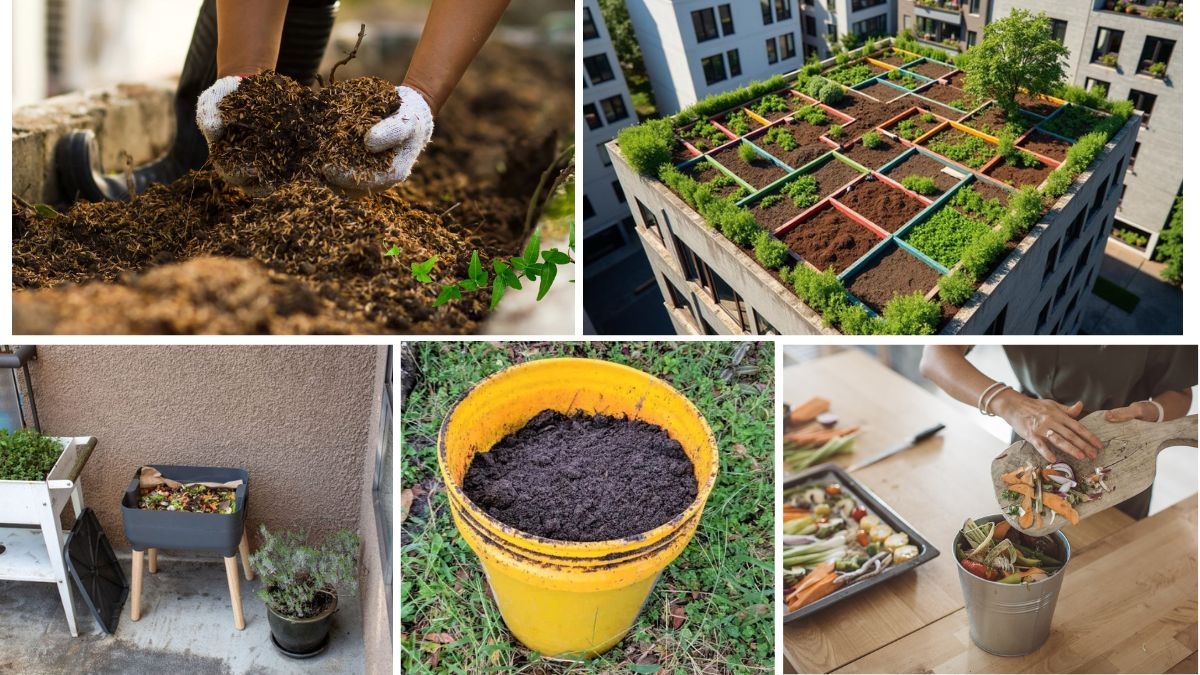
Credit: pune-okayamafriendshipgarden.com
Benefits Of Using Garden Compost Indoors
Garden compost enriches indoor plants with essential nutrients, promoting healthy growth. It enhances soil structure, improving water retention and aeration. This natural fertilizer supports vibrant, thriving plants indoors.
Using garden compost for indoor plants can be a game-changer for your green space. Compost enriches the soil, providing essential nutrients that help your indoor plants thrive. It also enhances soil structure and boosts the activity of beneficial microorganisms, contributing to healthier plant growth. But what are the specific benefits of incorporating this organic material into your indoor gardening routine? Let’s dive in.Improved Nutrient Content
Garden compost is packed with nutrients like nitrogen, phosphorus, and potassium. These are crucial for plant growth and can significantly boost the health of your indoor plants. You’ll notice a visible difference in the vibrancy and growth rate of your plants when they receive a natural nutrient boost from compost.Enhanced Soil Structure
Compost improves the texture of the soil, making it more crumbly and easier for plant roots to navigate. This improved structure allows better air circulation and water retention. As a result, your plants are less likely to suffer from root rot or overwatering issues.Increase In Beneficial Microorganisms
Garden compost introduces a community of beneficial microorganisms into your indoor plant soil. These microorganisms help break down organic matter, releasing nutrients that are easier for plants to absorb. They also combat harmful pathogens, reducing the risk of plant diseases.Cost-effective Solution
Using garden compost is a budget-friendly way to enrich your indoor plant soil. Instead of buying commercial fertilizers, you can create your own compost pile at home. Not only does this save money, but it also repurposes kitchen and garden waste, contributing to a more sustainable lifestyle.Environmental Benefits
By using garden compost, you’re reducing waste and recycling organic materials. This practice minimizes landfill contributions and decreases methane emissions, a potent greenhouse gas. It’s a small step you can take towards a greener planet while nurturing your indoor plants. Have you ever tried using garden compost for your indoor plants? If not, consider starting today and observe the transformation in your green companions.Differences Between Garden And Store-bought Compost
Garden compost offers a natural nutrient mix, perfect for indoor plants. Store-bought compost often contains added chemicals. Choose garden compost for a natural growth boost.
Differences Between Garden and Store-Bought Compost Understanding the differences between garden and store-bought compost is vital. Both types have unique characteristics that impact plant growth. This section explores these differences to help you choose the best compost for indoor plants.Garden Compost
Garden compost is homemade using kitchen scraps and yard waste. It is rich in nutrients and beneficial microorganisms. The decomposition process in garden compost is natural and slow. This method allows for a diverse range of organic materials. It is budget-friendly as it utilizes waste materials from home. Garden compost’s texture may vary, sometimes being rougher.Store-bought Compost
Store-bought compost is commercially produced and packaged. It is usually more consistent in texture and quality. Manufacturers often add specific nutrients to improve its effectiveness. Store-bought compost is sterilized, reducing the risk of pests. It can be more expensive due to processing and packaging. Store-bought options are convenient and ready to use immediately.Nutrient Content
Garden compost often contains a wide range of nutrients. The nutrient content varies based on the input materials. Store-bought compost usually has a balanced nutrient profile. Manufacturers often list nutrient information on the packaging. This makes it easier to match with specific plant needs.Microbial Activity
Garden compost is teeming with microbial life. These microorganisms help in breaking down organic matter. Store-bought compost may have fewer microbes due to sterilization. Some products add beneficial bacteria to boost microbial content.Environmental Impact
Garden composting reduces household waste, promoting sustainability. It is an eco-friendly practice with minimal carbon footprint. Store-bought compost involves manufacturing and transportation, impacting the environment. Choosing local brands can reduce this impact.Cost Considerations
Garden compost is cost-effective, using readily available materials. It requires time and space for decomposition. Store-bought compost, though convenient, can be pricey. Prices vary based on brand, composition, and packaging size.How To Prepare Garden Compost For Indoor Use
Using garden compost for indoor plants is possible with proper preparation. Begin by sieving the compost to remove large particles. Ensure it’s free from pests and diseases for healthy growth.
Growing indoor plants can be a delightful hobby, and using garden compost can be a fantastic way to nourish them. But not all compost is ready for indoor use straight from the garden. You need to prepare it to ensure it benefits your plants without introducing pests or diseases. Here’s how you can transform your garden compost into a plant-friendly mixture for your indoor greenery.Screening And Cleaning
Before using garden compost indoors, ensure it’s free from large chunks and unwanted debris. Use a fine mesh screen to sift the compost, removing stones, sticks, and any un-decomposed material. This not only enhances the soil’s texture but also ensures a smoother integration with potting soil. Cleaning is crucial to eliminate any potential pests or diseases that could harm your plants. Consider sterilizing the compost by baking it in an oven at a low temperature (around 180°F) for about 30 minutes. This step kills pathogens without damaging the nutrients your plants need.Balancing Nutrients
Garden compost might not have the perfect nutrient balance for indoor plants. To create a healthy mix, combine your screened compost with other materials like perlite or vermiculite. These additions improve drainage, preventing waterlogging which can be detrimental indoors. Consider adding a balanced fertilizer to supplement the nutrient profile. Indoor plants often require specific nutrients that garden compost alone might not provide. Check the needs of your specific plants and adjust accordingly to promote vibrant growth. By preparing your garden compost thoughtfully, you can ensure your indoor plants thrive. Plus, isn’t it satisfying to see your homegrown compost support your indoor garden?Choosing The Right Indoor Plants
Choosing the right indoor plants enhances your home’s beauty and air quality. Indoor plants vary in their needs and adaptability. Garden compost can benefit many of them. Understanding which plants thrive and which require special care is crucial.
Plants That Thrive In Compost
Some indoor plants flourish with garden compost. It enriches their soil, providing nutrients. Consider these hardy options:
- Pothos:Known for resilience, pothos love nutrient-rich soil.
- Spider Plant:Grows well in compost, easy to care for.
- Peace Lily:Thrives with extra nutrients from compost.
- Aloe Vera:Prefers well-draining soil, compost aids growth.
These plants adapt well to compost. They absorb nutrients efficiently. Their growth improves significantly with enriched soil.
Considerations For Sensitive Plants
Not all plants tolerate compost easily. Some require special attention. Sensitive plants may react to changes in soil composition.
- Orchids:Prefer specific potting mix, compost may harm roots.
- Succulents:Need well-draining soil, excessive compost can lead to rot.
- Ferns:Sensitive to soil acidity, compost may alter pH balance.
Understanding plant needs is essential. Sensitive plants require tailored care. Ensure compost is suitable for their growth.
Monitoring Plant Health
Monitoring the health of your indoor plants is crucial when using garden compost. Compost can be a rich source of nutrients, but it requires careful observation to ensure your plants thrive. Regularly checking your plants can help you catch early signs of nutrient imbalances or other issues.
Signs Of Nutrient Imbalance
Watch for yellowing leaves or stunted growth, which can indicate a lack of essential nutrients. Overly lush and green foliage might suggest too much nitrogen. If your plants are flowering less, it could be a sign of an imbalance in phosphorus.
Take a moment to look at the soil. If it appears overly compacted or smells unpleasant, it might not be providing the right environment for your plant roots.
Adjusting Compost Mix
Consider tweaking your compost mix if you notice any of these signs. Adding a bit more organic matter can help improve drainage and aeration. If your plant seems nitrogen-rich, try mixing in some carbon-rich materials like dry leaves or straw.
Remember, every plant is unique. What works for one might not work for another. Have you ever thought about experimenting with different compost blends to see what your plants prefer?
Keep a journal to track changes and outcomes. This will not only help you remember what works but also provide valuable insights for future gardening endeavors.
:max_bytes(150000):strip_icc()/PerliteinSoil-0bebf44ce6774e2aae89e08fc162e4b4.jpg)
Credit: www.marthastewart.com
Potential Challenges And Solutions
Using garden compost for indoor plants can introduce pests and diseases. Sterilizing the compost helps eliminate these risks. Balancing nutrients is crucial for healthy plant growth indoors.
Garden compost offers rich nutrients for indoor plants. Yet, it comes with challenges. Addressing these ensures healthy plant growth indoors. Let’s explore common issues and their solutions.Pests And Diseases
Garden compost can carry pests and diseases indoors. These may harm your plants. Check compost for bugs before use. Sterilize it by heating in an oven. This kills unwanted pests and diseases. Regularly inspect plants for signs of trouble. Early detection helps control problems. Use organic pest control if needed. This ensures plant safety.Odor Control
Compost can smell unpleasant indoors. Proper management reduces odors. Ensure the compost is well-aerated. This lessens bad smells. Keep compost slightly moist, not wet. Dry compost smells less. Add carbon-rich materials like dry leaves. These balance the compost, reducing odor. Use a cover on the compost to trap smells. This keeps your indoor space fresh.Expert Recommendations
Expert recommendations can be a game-changer when it comes to using garden compost for indoor plants. While garden compost is rich in nutrients, it’s crucial to understand how to use it effectively to enhance your indoor plant care routine. Let’s delve into some insights from horticulturists and avoid common pitfalls.
Tips From Horticulturists
Horticulturists suggest mixing garden compost with potting soil to balance nutrient levels. This helps prevent nutrient overload which can be harmful to indoor plants.
Keep an eye on the compost’s texture. If it’s too coarse, it might hinder water drainage. Consider sieving it to achieve a finer consistency.
Adding compost gradually is advisable. Observe how your plants react before increasing the amount. This ensures they adapt smoothly without shock.
Common Mistakes To Avoid
Avoid using compost with strong odors indoors. It could indicate incomplete decomposition, which may attract pests.
Don’t forget to monitor the moisture levels. Compost can retain water differently than potting soil, potentially leading to overwatering issues.
Be cautious about introducing pathogens. Garden compost might carry diseases that aren’t suitable for the controlled environment of indoor plants.
Are you ready to rejuvenate your indoor plants with garden compost? With these expert recommendations, you’re well-equipped to make informed choices. What strategies do you plan to implement first?
Credit: www.paudhewale.com
Frequently Asked Questions
Is Garden Compost Safe For Indoor Plants?
Yes, garden compost is generally safe for indoor plants. Ensure it’s well-decomposed to avoid pests and odors. Mix with potting soil for balanced nutrients. Avoid using compost with chemical additives or contaminants. Regularly monitor plant health and adjust compost use as needed for best results.
Can Garden Compost Improve Indoor Plant Growth?
Garden compost can enhance indoor plant growth by providing essential nutrients. It improves soil structure and water retention. However, use it sparingly to prevent over-fertilization. Combine it with potting soil for a balanced mix. Regularly check plant health to ensure optimal growth conditions.
How Often Should I Use Garden Compost?
Use garden compost for indoor plants sparingly, about once every few months. Monitor plant health and soil conditions regularly. Adjust compost use based on plant growth and nutrient needs. Overuse can lead to nutrient imbalances. Always ensure compost is well-decomposed before application.
What Are The Benefits Of Garden Compost?
Garden compost offers several benefits for indoor plants. It enriches soil with essential nutrients and organic matter. Compost improves soil structure and boosts water retention. It helps create a healthy growing environment for plants. Regular use can lead to healthier and more vibrant indoor plants.
Conclusion
Using garden compost for indoor plants can be beneficial. It enriches the soil with nutrients. But, ensure it’s well-decomposed. Fresh compost might harm indoor plants. Check for pests before using it. Mix with potting soil for balance. Too much compost can be harmful.
It can lead to over-fertilization. Always observe your plants. Adjust as needed. A little care goes a long way. Healthy plants thrive with the right mix. Enjoy your indoor gardening journey. Keep experimenting. Keep learning. Your plants will thank you!