Have you ever stood in your garden, dreams of lush vegetables or vibrant blooms swirling in your mind, but instead, faced a battlefield of stubborn weeds? You’re not alone.
Weeds can be a gardener’s nemesis, threatening to choke out the plants you’ve nurtured from seed. You might be wondering if spraying Roundup before planting could be the solution to your problem. Imagine stepping outside and seeing your garden thriving, free from the grip of relentless weeds.
Picture the satisfaction of knowing your plants have the best chance to grow strong and healthy. But before you grab that bottle of Roundup, there are some crucial things you need to know. Could this common herbicide be the answer, or might it pose risks to your future plants? Stay with us as we explore the ins and outs of using Roundup before planting. We’ll uncover the hidden truths, weigh the pros and cons, and arm you with the information you need to make the best choice for your garden. Your dream garden is within reach, and it starts with understanding what’s best for your soil and seedlings. Keep reading to discover how you can cultivate a flourishing garden without the weeds stealing the show.
Understanding Roundup
Spraying Roundup before planting can help control weeds. Wait a few days after application before planting. This ensures the soil is ready and safe for new plants.
Understanding Roundup Before you start planting your garden, it’s crucial to understand the tools and products you’ll be using, including herbicides like Roundup. You might wonder if spraying Roundup before planting is a good idea. To make an informed decision, you should first know what Roundup is and how it works.What Is Roundup
Roundup is a popular herbicide used by gardeners and farmers alike. It’s primarily designed to kill weeds and unwanted plants. The active ingredient in Roundup is glyphosate, a chemical known for its effectiveness in managing invasive vegetation. Many people use Roundup for its ease of application and quick results. However, it’s essential to be aware of its effects and how it might impact your garden’s health.How Roundup Works
Roundup works by inhibiting a specific enzyme pathway necessary for plant growth. When sprayed on leaves, glyphosate is absorbed and transported throughout the plant, effectively killing it from the inside out. The process is usually quick, with visible results in just a few days. This efficiency can be appealing, especially when you’re eager to clear your garden of weeds before planting. However, consider the potential impact on your soil and future plants. Could this powerful herbicide affect the seeds and plants you plan to introduce to your garden? Understanding these dynamics can help you decide whether Roundup is the right choice for your gardening needs.
Credit: www.facebook.com
Timing The Application
Spraying Roundup before planting your garden can be effective. Wait a few days for it to break down in the soil. This ensures a safer environment for your plants to thrive.
Timing the application of Roundup before planting your garden can be a game-changer for ensuring a healthy, weed-free start. This decision isn’t just about eliminating weeds; it’s about understanding your garden’s ecosystem. Let’s explore how timing, weather, and preparation contribute to the effectiveness of Roundup.Pre-planting Considerations
Before spraying Roundup, consider the type of plants you’re looking to grow. Different plants have varying sensitivities to chemical residues. Timing your application allows Roundup to break down, minimizing any risk to your future plants. Think about the soil’s health. Applying Roundup too close to planting could affect soil microbes. Allow enough time for the chemical to dissipate, ensuring your soil stays fertile and ready for new growth. Understand the weed type you’re dealing with. Some weeds might require multiple treatments, while others might be stubborn and need special attention. Knowing this helps in scheduling your application effectively.Weather Conditions
Weather plays a crucial role in the success of your Roundup application. Rain can wash away the herbicide, reducing its effectiveness. Check the forecast to ensure you have a dry spell after application. Temperature matters too. Extremely hot or cold conditions can impact how Roundup works. Aim for moderate temperatures to ensure optimal absorption into the weeds. Windy conditions can lead to drift, affecting nearby plants or areas you didn’t intend to spray. Choose a calm day to maximize precision and safety. Timing isn’t just about when you spray; it’s about understanding the conditions that can make or break your garden’s success. How do you plan to tackle these factors in your gardening routine?Safety Precautions
Understanding when to use Roundup ensures plant safety. Wait a few days after spraying before planting. This precaution helps prevent chemical residue from affecting new plants.
Safety precautions are essential when using Roundup before planting a garden. Proper handling ensures your safety and protects the environment. Understanding the necessary steps can make your gardening experience safe and productive. Below, explore the key aspects of safety precautions, including protective gear and environmental concerns.Protective Gear
Wearing protective gear is crucial. Use gloves to shield your skin from chemicals. Goggles protect your eyes from accidental splashes. A mask can prevent inhalation of harmful fumes. Long sleeves and pants cover your body, reducing exposure risk. Ensure all gear fits well for maximum protection.Environmental Concerns
Consider the impact on the environment. Roundup can harm beneficial insects and wildlife. Avoid spraying on windy days to minimize drift. Keep it away from water sources to prevent contamination. Read the product label for proper usage instructions. Dispose of empty containers responsibly to avoid pollution.Effects On Soil And Plants
Roundup can harm soil and plant health if sprayed before planting. Chemicals may hinder seed growth and soil nutrients. Consider waiting a few days after application to plant, ensuring safer conditions for your garden’s growth.
Effects on soil and plants can be significant when using Roundup before planting. Understanding these effects is crucial for gardeners. Roundup, a popular herbicide, is known for its efficacy in weed control. It also raises questions about its influence on soil and growing plants.Impact On Soil Health
Roundup can alter the soil’s microbial balance. Microbes play a key role in soil health. They help decompose organic matter and release nutrients. The presence of glyphosate, the active ingredient, can disrupt microbial life. Some studies suggest a decrease in beneficial bacteria. This reduction can affect soil fertility over time. Soil structure might also change. Glyphosate can bind with soil particles. This may limit nutrient availability for plants. It can impact plant growth if nutrients are not accessible.Residual Effects On Plants
Glyphosate residue can linger in the soil. These residues may affect plant seedlings. Sensitive plants might experience stunted growth or poor health. This is particularly true for young plants with shallow roots. The herbicide can be absorbed and inhibit plant development. Some plants might show yellowing leaves or wilting. This is a sign of nutrient absorption issues. Gardeners should be cautious about planting soon after spraying. Allowing time for the herbicide to break down can help. It ensures a safer environment for new plant growth.Alternatives To Roundup
Many gardeners seek alternatives to Roundup for weed control. Roundup contains chemicals that some prefer to avoid. Fortunately, there are natural and effective options. These methods can help maintain a healthy garden without chemicals.
Natural Weed Control
Natural weed control offers a chemical-free approach. This involves using materials found in nature. Mulching is a common method. It involves covering soil with organic matter. This prevents sunlight from reaching weed seeds.
Vinegar is another option. It can kill weeds when sprayed directly on them. Keep it away from desired plants. Boiling water can also work. Pour it over weeds to kill them instantly.
Integrated Pest Management
Integrated Pest Management (IPM) combines different strategies. This method reduces reliance on chemicals. IPM includes monitoring pest levels. It helps decide when action is necessary.
Introduce beneficial insects. Ladybugs and spiders control pests naturally. Trap crops can divert pests away from your main plants. This protects your garden effectively.

Credit: www.tiktok.com
Best Practices For Garden Preparation
Spraying Roundup before planting can be effective for weed control. Ensure the product has dried completely before starting. This helps prevent any harm to new plants.
Preparing your garden for planting is an exciting journey filled with anticipation and creativity. To ensure a healthy and thriving garden, it’s essential to follow some best practices. One question that often arises is whether you can spray Roundup before planting. While the answer depends on various factors, understanding the best practices for garden preparation can help you make informed decisions.Soil Preparation Techniques
Begin with a clean slate by removing weeds, rocks, and debris from your garden area. This might seem like a tedious task, but it’s crucial for the health of your plants. Consider using a hoe or a tiller to break up the soil, which improves aeration and drainage. Incorporate organic matter such as compost or well-rotted manure to enrich the soil. This step provides essential nutrients and improves soil texture. Test your soil’s pH level to ensure it’s suitable for the plants you intend to grow. Adjust it by adding lime or sulfur if needed.Timing Planting After Spraying
If you choose to use Roundup, timing is everything. Roundup is a non-selective herbicide, meaning it can kill any plant it touches. This makes timing and application crucial to avoid damaging your future crops. Most gardeners recommend waiting at least a week after spraying before planting. This waiting period allows the herbicide to break down in the soil, reducing the risk of harming your new plants. Always check the product label for specific guidance, as some formulas may require more time. Are you considering alternative methods to manage weeds before planting? Share your thoughts and experiences in the comments below!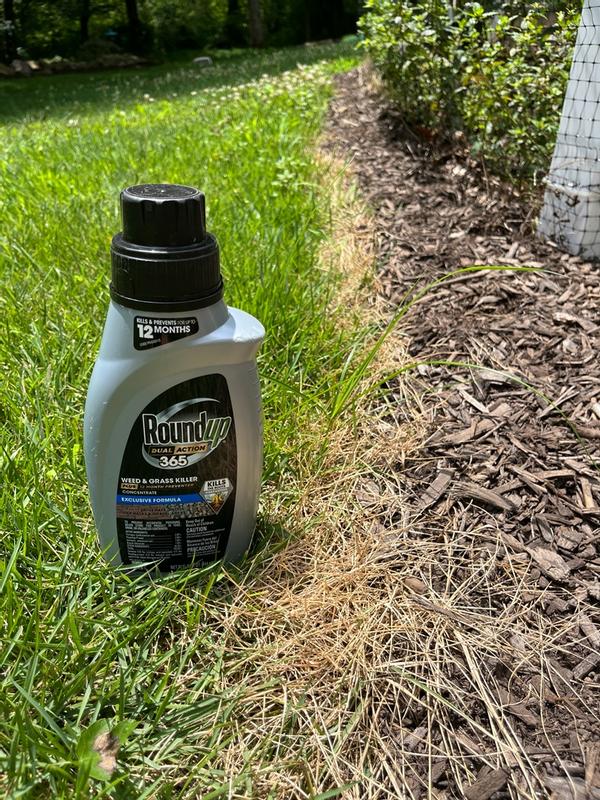
Credit: roundup.com
Frequently Asked Questions
Is Roundup Safe For Garden Soil?
Roundup is generally safe for garden soil when used correctly. It targets weeds specifically, reducing competition for your plants. Ensure you follow application guidelines and allow time for the herbicide to break down before planting. Avoid spraying near plants you wish to keep, as it can harm them too.
How Long To Wait After Using Roundup?
After applying Roundup, wait at least 7-14 days before planting. This ensures the herbicide fully breaks down in the soil. Check the label for specific instructions. This waiting period allows new plants to grow without risk from remaining chemicals. Always follow manufacturer guidelines for best results.
Can Roundup Affect Garden Vegetables?
Roundup can affect garden vegetables if applied incorrectly. It targets all plants, not just weeds. Apply carefully and avoid direct contact with vegetables. Use protective barriers when necessary. Follow waiting period guidelines before planting to ensure soil safety and minimize risk to your vegetables.
What Precautions To Take When Using Roundup?
When using Roundup, wear protective clothing and gloves. Avoid spraying on windy days to prevent drift. Follow application instructions carefully to minimize environmental impact. Keep pets and children away from treated areas. Ensure correct dosage for effective weed control without harming your garden.
Conclusion
Deciding to spray Roundup before planting needs careful thought. Understanding its effects is crucial. Roundup can kill weeds, but it also impacts soil. Waiting a few days after spraying helps. This ensures safety for your new plants. Always read and follow instructions on the label.
Consider other weed control options too. Organic choices might suit your garden better. Plan wisely for a healthy, thriving garden. Your plants will thank you. Happy gardening!