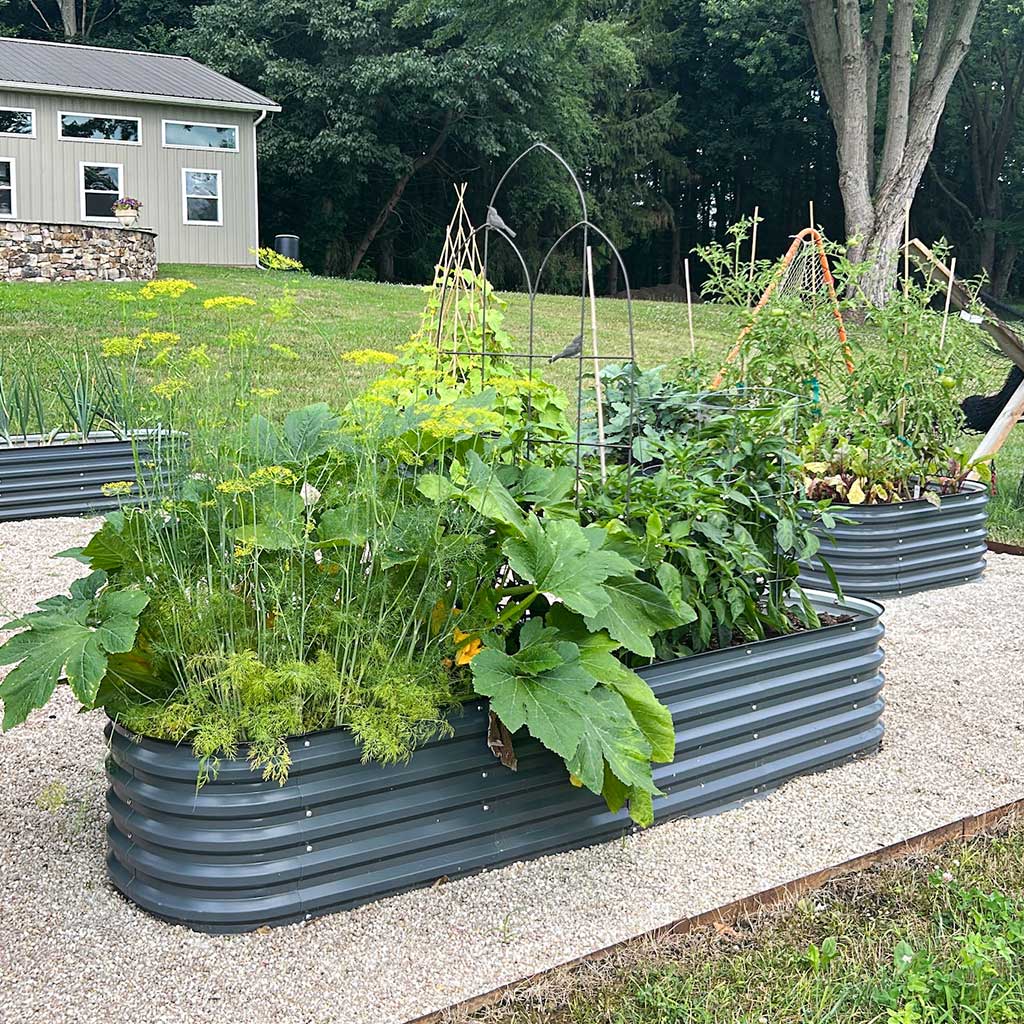
Imagine stepping into your backyard, where vibrant green leaves stretch towards the sky and the promise of juicy zucchini awaits you. You’re contemplating the idea of growing zucchini in a raised garden bed, and you’re not alone.
Many gardeners wonder if this setup can yield a bountiful harvest. You might be asking yourself: Will the confined space affect the growth? Can the soil be enriched enough to support these prolific plants? Are raised beds really the way to go for zucchini enthusiasts like you?
This article is here to guide you through the ins and outs of planting zucchini in a raised garden bed. You’ll discover the benefits, the potential challenges, and get practical tips to ensure your zucchini thrives. Whether you’re a seasoned gardener or a curious newbie, this is your chance to unlock the secrets to successful zucchini planting. Keep reading to find out how you can turn your raised garden bed into a flourishing zucchini haven.

Credit: www.instagram.com
Benefits Of Raised Garden Beds
Raised garden beds offer excellent drainage and soil quality, ideal for growing zucchini. They also make gardening more accessible and manageable, allowing easy maintenance and harvesting.
Planting zucchini in a raised garden bed can be a game-changer for your gardening experience. Raised beds offer numerous advantages that traditional gardens may lack. They can transform the way you grow vegetables by providing a more controlled environment, helping you to achieve a more bountiful harvest.Improved Drainage
One of the key benefits of raised garden beds is improved drainage. When you plant zucchini in a raised bed, excess water drains away quickly, reducing the risk of root rot. This is particularly beneficial if you live in an area prone to heavy rainfall or have clay-heavy soil that retains water.Enhanced Soil Quality
Raised beds allow you to have full control over the soil quality. You can fill them with a rich mix of soil and compost that is perfect for growing zucchini. This means you can avoid the poor soil conditions that often plague in-ground gardens and lead to nutrient deficiencies in your plants.Accessibility And Space Efficiency
Raised garden beds offer improved accessibility, making gardening more enjoyable. If you have back issues or mobility challenges, the elevated height reduces the need for bending or kneeling. Plus, they are space-efficient, allowing you to maximize your gardening area and even grow vertically if desired. Have you ever struggled with weeds in your garden? Raised beds can help you manage them more effectively, as the contained space is easier to maintain. You might find that your zucchini plants grow healthier and stronger with less competition from weeds. By leveraging these benefits, you can create an optimal environment for your zucchini plants, ensuring a successful and satisfying gardening season. What are you waiting for? Give raised garden beds a try and see the difference for yourself.Choosing The Right Location
Choosing the Right Location Select a sunny spot for your raised garden bed. Zucchini thrives with at least six hours of sunlight daily. Ensure good drainage and nutrient-rich soil for optimal growth.
Choosing the right location for planting zucchini in a raised garden bed can make all the difference between a bountiful harvest and a disappointing yield. The secret lies in considering factors that greatly influence the growth of your zucchini plants. From sunlight to wind protection, and even the proximity to a water source, each aspect plays a pivotal role in the success of your gardening efforts.Sunlight Requirements
Zucchini thrives in full sunlight. Aim for a spot that gets at least 6 to 8 hours of direct sunlight each day. If your garden is partially shaded, consider trimming nearby trees or repositioning other plants to maximize exposure. Remember, more sun means more zucchinis!Protection From Wind
Strong winds can damage zucchini plants and hinder their growth. Choose a location that is shielded from harsh winds, perhaps by a fence or a row of taller plants. If your garden is exposed, consider installing a windbreak, like a trellis, to safeguard your zucchini.Proximity To Water Source
Zucchini plants require consistent moisture to flourish. Position your raised bed close to a water source to make regular watering convenient. If that’s not possible, consider setting up a drip irrigation system to ensure your zucchini gets the hydration it needs without the hassle. Choosing the right location is crucial for a thriving zucchini patch. Have you considered how the placement of your raised bed could impact your harvest? Reflect on these aspects to make the most of your gardening space.Preparing The Soil
Zucchini thrives in raised garden beds with well-prepared soil. Ensure the soil is rich in nutrients and drains well. Mix compost and organic matter to boost growth and fruit production.
Preparing the soil for zucchini in a raised garden bed is crucial. Healthy soil promotes robust growth and abundant harvests. Begin by understanding your soil’s composition and making necessary adjustments.Soil Composition For Zucchini
Zucchini thrives in well-draining soil. Sandy loam is ideal. It allows roots to spread easily. Check your soil for adequate drainage. Ensure it holds moisture without becoming waterlogged.Adding Organic Matter
Organic matter enriches soil. It improves texture and nutrient content. Add compost or aged manure. These materials boost fertility and encourage root development. Mix them into the top 6 inches of soil.Ph Levels And Adjustments
Zucchini prefers a pH of 6.0 to 7.5. Test your soil’s pH level. Use a simple testing kit. If the pH is too low, add lime to raise it. If too high, incorporate sulfur to lower it. Regularly monitor pH to maintain optimal levels.Planting Zucchini In Raised Beds
Planting zucchini in a raised garden bed is possible and beneficial. Raised beds provide excellent drainage and soil warmth. This setup can lead to healthier plants and better yields.
Planting zucchini in raised beds offers numerous advantages. Raised beds provide better soil drainage and control. You can manage soil quality and reduce pests more effectively. Zucchini thrives in well-draining soil, making raised beds ideal.Spacing And Depth Guidelines
Proper spacing ensures healthy zucchini growth. Leave 2-3 feet between each plant. This allows enough room for zucchini leaves to spread. Plant seeds or seedlings about 1 inch deep. This depth supports root development and stability.Seed Versus Seedling Planting
Choose between seeds or seedlings based on your preference. Seeds are cost-effective and allow direct planting. Seedlings grow faster and offer a head start. Both methods work well in raised beds. Ensure soil warmth for seeds to germinate effectively.Companion Planting Considerations
Consider companion plants to enhance growth. Marigolds deter pests and promote healthy zucchini. Beans improve soil nitrogen, benefiting zucchini. Avoid planting zucchini near potatoes. Potatoes can hinder zucchini growth. Companion planting enriches soil and reduces pest risks.Care And Maintenance
Growing zucchini in a raised garden bed requires regular watering and monitoring soil nutrients. Ensure the bed has good drainage and ample sunlight. Regularly check for pests and diseases to keep the plants healthy.
Caring for zucchini in a raised garden bed is straightforward. With proper attention, your plants will thrive. Here, we explore essential care practices.Watering Techniques
Water zucchini regularly, especially during dry spells. Soil should stay moist, not soggy. Early morning watering is best. This helps prevent evaporation. Drip irrigation systems work well. They deliver consistent moisture to the roots.Fertilization Schedule
Zucchini benefits from nutrient-rich soil. Start with a balanced fertilizer when planting. Use a 10-10-10 mix. Apply a side-dressing of compost every four weeks. Keep the soil fertile and healthy. This ensures robust growth and high yield.Pest And Disease Management
Zucchini can attract pests like squash bugs and aphids. Inspect plants regularly for any signs. Use organic insecticidal soap to control infestations. Rotate crops each season. This helps prevent disease build-up in the soil. Mulching can also deter pests. It acts as a barrier against soil-borne diseases.
Credit: www.facebook.com
Harvesting Zucchini
Growing zucchini in a raised garden bed is easy and rewarding. It offers excellent drainage and soil control. Harvesting zucchini is simple; pick them when they are firm and about six inches long.
Harvesting zucchini from your raised garden bed is an exciting part of the gardening journey. It’s that rewarding moment when your hard work pays off, and you get to enjoy the fruits of your labor. Knowing the right time to harvest is crucial for the best flavor and quality.Signs Of Maturity
Zucchini grows rapidly, often doubling in size overnight. Aim to harvest when they are about 6 to 8 inches long for the best taste and texture. Check daily as overgrown zucchini can become tough and less flavorful. The skin should be glossy and firm to the touch. If you notice the zucchini losing its shine or developing a woody texture, it’s best to pick it sooner rather than later.Best Practices For Harvesting
Use a sharp knife or garden shears to cut the zucchini from the vine. Make a clean cut, leaving a small stem attached to the fruit. Avoid pulling or twisting the zucchini as it can damage the plant. Harvesting regularly encourages the plant to produce more fruits. Consider harvesting in the morning when the temperature is cooler to preserve the zucchini’s freshness.Storage And Preservation Tips
Fresh zucchini can be stored in the refrigerator for up to a week. Place them in a plastic bag or a container to retain moisture. For longer storage, consider freezing. Slice the zucchini, blanch in boiling water for two minutes, then cool in ice water before freezing. You can also pickle or dehydrate zucchini for a delicious and long-lasting treat. What’s your favorite way to preserve your harvest? Share your tips with fellow gardeners!
Credit: www.facebook.com
Frequently Asked Questions
Can Zucchini Grow Well In Raised Beds?
Yes, zucchini thrives in raised garden beds. Raised beds offer excellent drainage, essential for zucchini. They also allow for better soil control and temperature management. With proper care, zucchini can flourish and produce abundant yields in raised beds. Ensure adequate space and sunlight for optimal growth.
What Is The Best Soil For Zucchini?
Zucchini prefers well-drained, fertile soil. A mix of garden soil, compost, and organic matter works well. Raised beds allow you to create the ideal soil conditions for zucchini. Ensure the soil is rich in nutrients and maintains good moisture levels for best growth results.
How Much Sunlight Does Zucchini Need?
Zucchini requires full sun to thrive. Aim for at least six to eight hours of direct sunlight daily. Raised beds can be positioned to maximize sun exposure. Adequate sunlight ensures vigorous growth and bountiful harvests. Monitor sun patterns to optimize zucchini growth in your garden.
How Often Should I Water Zucchini?
Water zucchini consistently, aiming for 1-2 inches per week. Raised beds may require more frequent watering, especially in hot weather. Ensure soil remains moist but not waterlogged. Regular watering supports healthy growth and prevents common issues like blossom end rot in zucchini plants.
Conclusion
Planting zucchini in a raised garden bed is a great choice. Raised beds offer excellent drainage. They keep the soil warm, perfect for zucchini growth. You can easily control soil quality. This leads to healthier plants. Plus, raised beds make gardening accessible.
They reduce bending and back strain. Zucchini thrives with proper sunlight and space. So, ensure your bed is in a sunny spot. Remember to water regularly. This keeps your zucchini plants happy. Give them the care they need. Soon, you’ll enjoy fresh, home-grown zucchini.
Gardening can be simple and rewarding. Happy planting!







