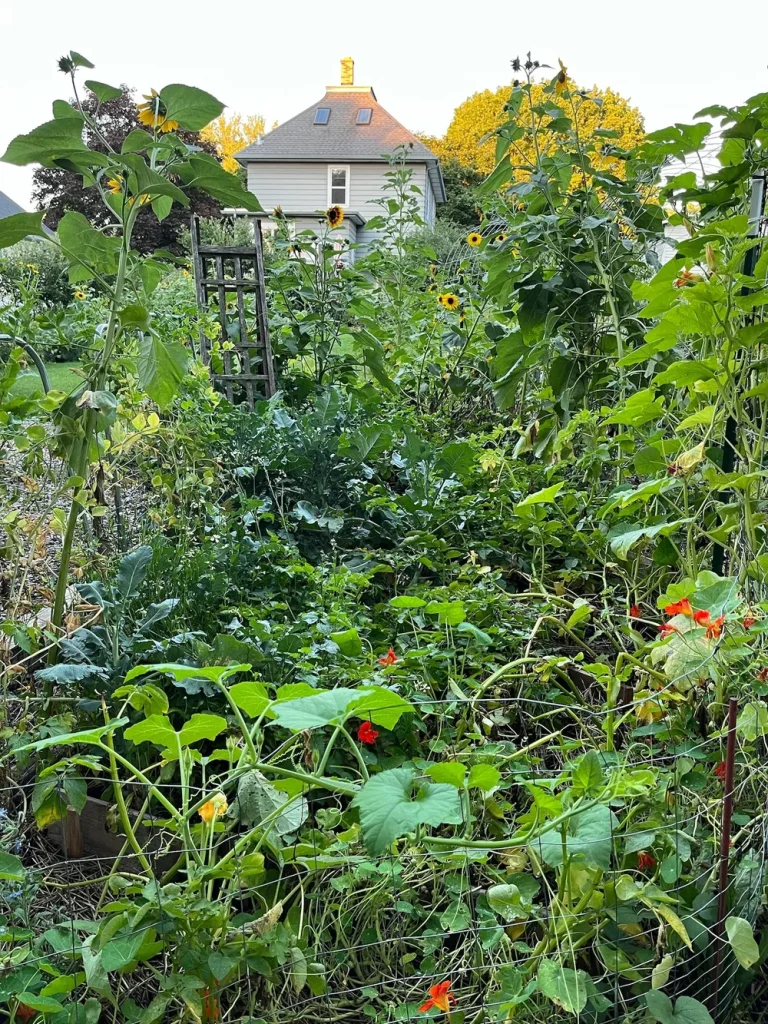
Imagine stepping into your vegetable garden and being greeted by the soothing scent of lavender. You might wonder, “Can I plant lavender in my vegetable garden?”
The answer is a resounding yes, and doing so could transform your gardening experience. Lavender is not only beautiful and fragrant but also offers benefits to your vegetable plants. By planting lavender alongside your vegetables, you can attract pollinators, repel pests, and even enhance the flavor of your produce.
Curious about how this aromatic plant can elevate your gardening game? Dive into the article and discover how integrating lavender into your vegetable garden can be both a practical and delightful choice. You won’t want to miss these insights that could turn your garden into a thriving oasis!
Benefits Of Planting Lavender In Vegetable Gardens
Planting lavender in vegetable gardens deters pests and attracts beneficial pollinators. Its aromatic scent enhances garden ambiance while promoting plant health. This resilient herb also adds beauty with its vibrant purple blooms.
Lavender is a fragrant plant that enhances any garden. Its benefits extend beyond beauty. Integrating lavender in your vegetable garden can bring numerous advantages. Its presence can create a harmonious and productive environment.Enhances Pollination
Lavender attracts bees and butterflies to your garden. These pollinators help fertilize your vegetables. With more pollinators around, you get better yields.Natural Pest Deterrent
Lavender emits a scent that repels many pests. Aphids, moths, and other bugs dislike it. This natural deterrent protects your vegetables without chemicals.Improves Soil Health
Lavender roots help aerate the soil. This improves drainage and nutrient absorption. Healthy soil supports healthy plants.Visual Appeal And Fragrance
Lavender adds color and fragrance to your garden. Its purple flowers create a lovely contrast with green vegetables. Enjoy a beautiful garden with a pleasant scent.Low Maintenance Plant
Lavender requires little water and care. It thrives in sunny spots with well-drained soil. This makes it easy to maintain alongside vegetables.Lavender’s Role In Pest Control
Lavender can naturally deter pests, making it a beneficial addition to vegetable gardens. Its strong scent helps repel insects like aphids and mosquitoes, promoting healthier plants. Integrating lavender enhances both beauty and functionality in your garden space.
Lavender is more than just a pretty plant. It plays a crucial role in pest control in vegetable gardens. Its aromatic leaves and flowers act as a natural deterrent. Many pests find its scent overwhelming, which helps protect your vegetables. This makes lavender a valuable addition to any garden.Why Lavender Deters Pests
Lavender produces a strong aroma that confuses pests. This scent masks the smell of vegetables, making it hard for pests to locate food. Insects like moths and fleas dislike lavender’s fragrance. This keeps them away from your garden beds. Plant lavender near vegetables that need protection. Tomatoes and cabbages benefit greatly. Lavender creates a barrier, reducing pest invasions. This boosts the health of your plants.Enhancing Garden Biodiversity
Lavender attracts beneficial insects. Bees and butterflies love its flowers. They help with pollination, improving vegetable yields. This supports a thriving garden ecosystem.Natural Pest Repellent
Lavender oil can be made from its flowers. This oil works as a natural insect repellent. Spray it around vegetable beds to deter pests. It is safe and effective for organic gardens.Low Maintenance And Hardy
Lavender is easy to grow. It requires little water and thrives in sunlight. Its hardy nature makes it ideal for vegetable gardens. This low-maintenance plant adds beauty and utility.Companion Planting With Lavender
Lavender is not just a pretty flower; it’s a great companion plant. It can enhance the growth and health of many vegetables. Its fragrant aroma helps repel harmful insects. Planting lavender near vegetables can create a balanced ecosystem. It also attracts beneficial pollinators, boosting your garden’s productivity.
Vegetables That Thrive With Lavender
Lavender pairs well with several vegetables. Tomatoes benefit from lavender’s pest-repelling qualities. It helps keep away aphids and other unwanted insects. Spinach also grows well beside lavender. The flower’s aroma protects spinach from pests. Lettuce is another companion that thrives with lavender. The herb’s presence can improve lettuce’s flavor.
- Tomatoes: Lavender repels aphids and moths.
- Spinach: Keeps pests like slugs at bay.
- Lettuce: Enhances flavor and growth.
Plants To Avoid Near Lavender
Not all plants are compatible with lavender. Some plants struggle near its roots. Mint is one such plant. It competes with lavender for nutrients. Cucumbers also dislike lavender’s strong scent. This can affect their growth and yield. Onions should be planted away from lavender. They prefer different soil conditions.
- Mint: Competes for nutrients.
- Cucumbers: Sensitive to lavender’s scent.
- Onions: Different soil requirements.
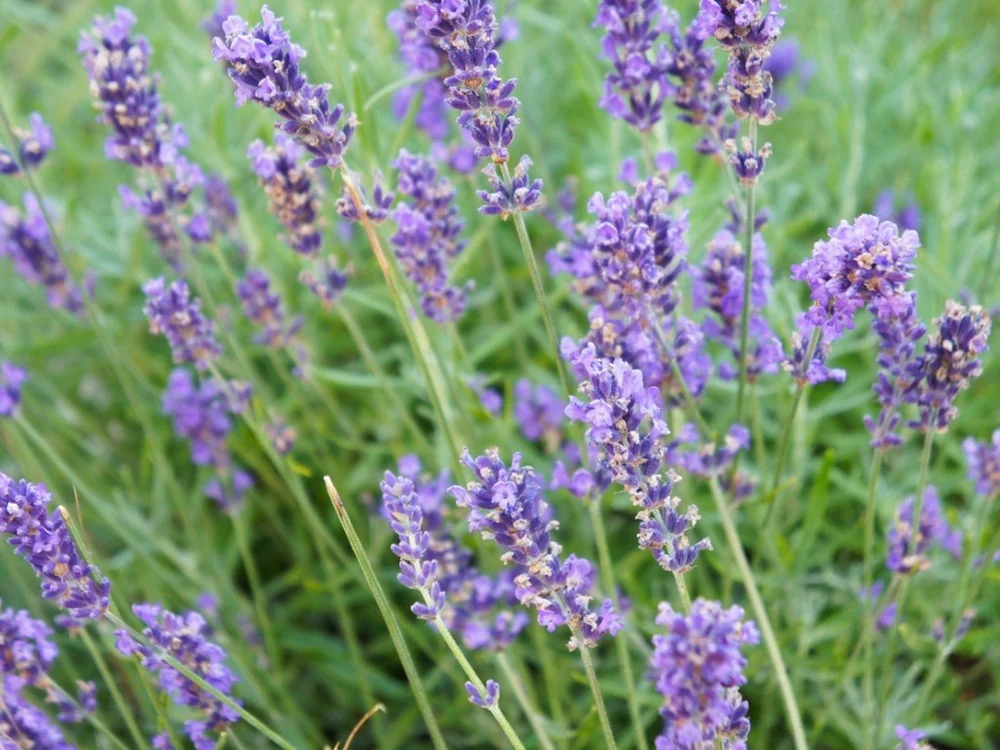
Credit: www.azurefarmlife.com
Lavender’s Impact On Soil Health
Lavender is more than just a fragrant addition to your vegetable garden; it plays a crucial role in enhancing soil health. Understanding how lavender influences the ground beneath your veggies can lead to bountiful harvests and vibrant plants. Let’s explore how lavender can improve soil drainage and enhance soil nutrients.
Improving Soil Drainage
Lavender thrives in well-drained soil, making it an excellent companion for improving soil structure in your vegetable garden. Its root system naturally aerates the soil, allowing water to flow more freely. This prevents waterlogging and root rot, common issues in gardens with poor drainage.
Planting lavender can be particularly beneficial if you’ve struggled with soggy soil in the past. As lavender roots grow, they create tiny channels, enhancing the movement of air and water. You might notice your veggies looking healthier and less prone to diseases.
Have you ever wondered why certain plants seem to wilt despite regular watering? It could be poor drainage. By adding lavender, you can transform your garden into a thriving ecosystem where both herbs and vegetables flourish.
Enhancing Soil Nutrients
Lavender contributes to soil health by enriching it with essential nutrients. As lavender leaves drop and decompose, they add organic matter to the soil. This process improves the soil’s fertility, providing a nutrient-rich environment for your vegetables.
Consider mixing lavender leaves into your compost pile. This simple act can boost nitrogen levels, essential for vegetable growth. You’ll find your carrots and tomatoes growing stronger and tastier as a result.
Isn’t it fascinating that a single plant can make such a difference in your garden’s nutrient profile? By planting lavender, you’re not just adding beauty; you’re investing in the health of your soil and, ultimately, your food.
Optimal Conditions For Growing Lavender
Planting lavender in your vegetable garden is possible with the right conditions. Ensure full sun, well-drained soil, and good air circulation. Lavender thrives alongside vegetables, enhancing the garden’s beauty and attracting beneficial insects.
Lavender adds beauty and function to your vegetable garden. It attracts pollinators and repels pests. Understanding the optimal conditions for growing lavender is crucial. This ensures healthy plants and a thriving garden.Choosing The Right Soil
Lavender thrives in well-drained soil. Sandy or gravelly soil works best. Heavy clay soil can harm its roots. Improve drainage by mixing sand or small stones into the soil. Aim for a soil pH between 6.7 and 7.3. Test the soil’s pH with a home kit. Adjust it using lime to raise pH or sulfur to lower it.Sunlight And Water Requirements
Lavender loves sunlight. It needs at least six hours of sun daily. Find a sunny spot in your garden. Too much shade will hinder its growth. Water lavender sparingly. Overwatering can cause root rot. Let the soil dry out between waterings. In hot climates, water once a week. In cooler areas, reduce watering frequency. Use mulch to retain soil moisture. This keeps lavender healthy and vibrant.
Credit: www.mirror.co.uk
Common Challenges And Solutions
Planting lavender in a vegetable garden can attract beneficial insects but may compete for water. Ensure good spacing and regular watering to keep both thriving. Lavender’s fragrance can deter pests, making it a helpful companion.
Planting lavender in your vegetable garden can be a delightful choice, adding fragrance and beauty. However, like any garden addition, it comes with its own set of challenges. Understanding these challenges and finding solutions can make the integration of lavender into your garden a rewarding experience. Let’s explore some common challenges you might face and how to tackle them effectively.Dealing With Overcrowding
Lavender requires space to thrive, often more than you might anticipate. It can easily overpower nearby plants if not given enough room. Consider spacing lavender plants at least 2 to 3 feet apart. This allows them to spread naturally without encroaching on your vegetables. Additionally, regular pruning helps maintain their shape and prevents them from taking over your garden. Take a moment to observe the space dynamics in your garden. Are your vegetables getting the sunlight they need? Ensure that lavender doesn’t create shade over your sun-loving veggies.Managing Growth And Spread
Lavender can be quite vigorous in its growth, which is both a blessing and a challenge. If left unchecked, it can spread beyond its designated area. Setting physical boundaries like garden edging can help contain lavender’s growth. Mulching around lavender plants not only aids in moisture retention but also slows down its spread by acting as a barrier. Regular monitoring is key. Once a week, check if lavender is encroaching on your vegetables’ space. It’s easier to manage growth when you catch it early. Have you considered the benefits of lavender in your garden? Its natural pest-repelling properties can be a boon for your veggies. Yet, ensuring it doesn’t overtake your garden requires attentive care.Harvesting And Using Lavender
Planting lavender in your vegetable garden can enhance its beauty and attract beneficial pollinators. Its fragrant aroma may also help deter pests naturally, promoting a healthier garden environment.
Harvesting and using lavender from your vegetable garden can be a rewarding experience. Not only does it provide a delightful scent, but it also offers a range of uses both in the kitchen and around your home. Understanding the best ways to harvest and utilize lavender can enhance your gardening journey and add a fragrant touch to your everyday life.Best Practices For Harvesting
When it’s time to harvest lavender, timing is key. Aim to cut the stems just as the buds are beginning to open. This ensures the oils are at their most potent, providing the best fragrance and flavor. Use sharp scissors or pruning shears to avoid damaging the plant. Cut just above the leaves to promote healthy regrowth. Consider harvesting in the morning after the dew has dried for the freshest blooms.Utilizing Lavender In Cooking And Crafts
Lavender isn’t just a pretty face in your garden; it’s a versatile ingredient in the kitchen. Try adding a few dried buds to cookies or lemonade for a floral twist. Remember, a little goes a long way—start small to avoid overpowering your dish. Beyond the kitchen, lavender is a star in homemade crafts. Make sachets to freshen up drawers or create soothing bath salts. These simple projects are perfect for personal use or as thoughtful gifts. Have you ever considered making lavender sugar? It’s a simple treat: mix sugar with dried lavender buds and let it sit for a week. Use it to sweeten tea or sprinkle on baked goods for an unexpected flavor boost.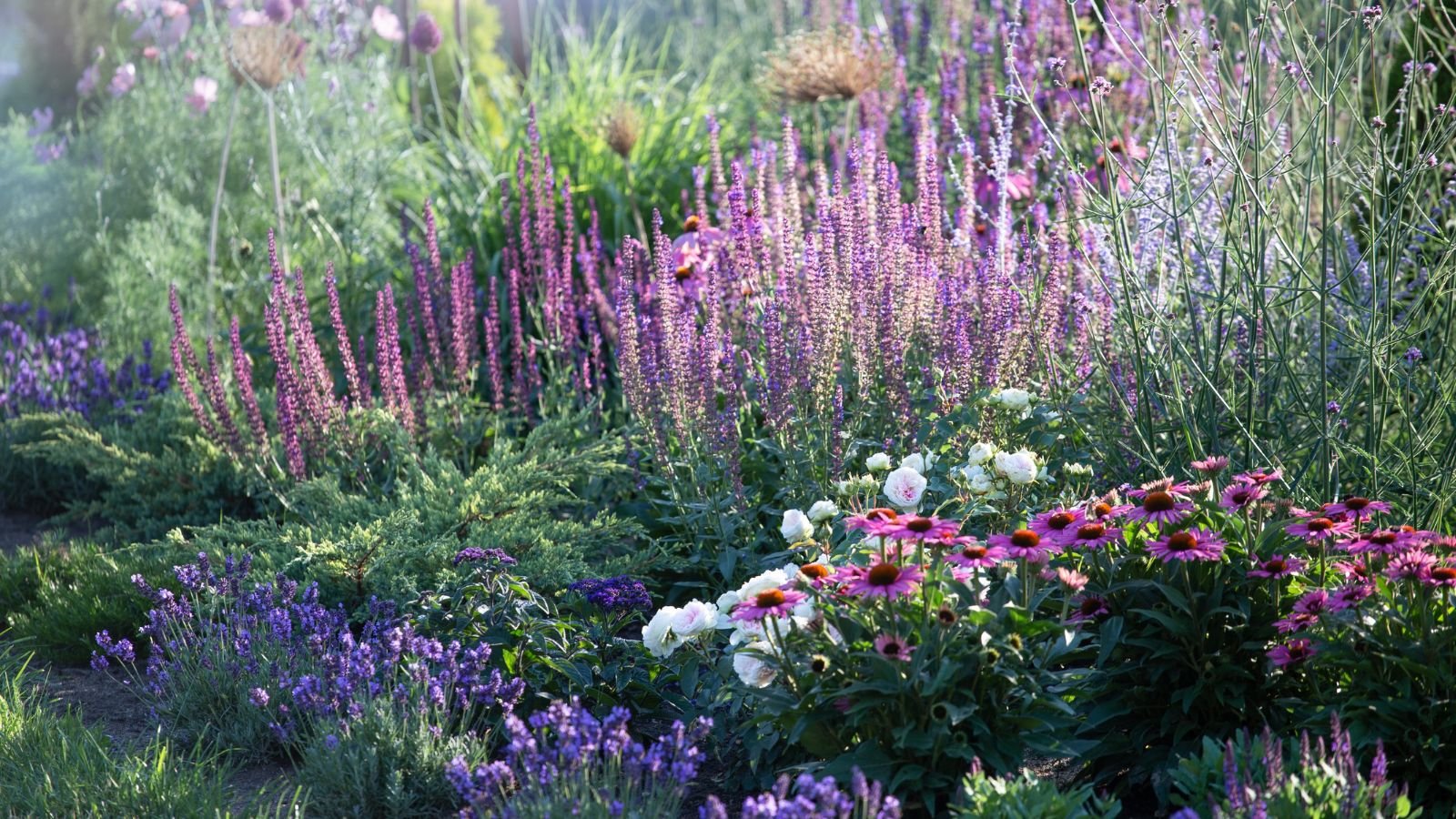
Credit: www.epicgardening.com
Frequently Asked Questions
Is Lavender Good For Vegetable Gardens?
Lavender is beneficial for vegetable gardens. It attracts pollinators, repels pests, and improves soil health. Its aromatic presence can deter harmful insects, enhancing vegetable growth. Additionally, lavender’s beautiful blooms add aesthetic appeal to the garden, making it both functional and visually pleasing.
Does Lavender Affect Vegetable Growth?
Lavender positively affects vegetable growth. It attracts pollinators, aiding in vegetable flowering. Its pest-repelling properties protect vegetables from harmful insects. The aromatic presence of lavender enhances the garden’s biodiversity, promoting healthier growth conditions for the vegetables.
Can Lavender And Vegetables Coexist?
Lavender and vegetables can coexist harmoniously. Lavender repels pests, benefiting vegetables. It attracts pollinators, enhancing vegetable flowering. Both plants share similar sunlight and soil requirements, making them compatible garden companions. Together, they create a balanced ecosystem in your vegetable garden.
What Vegetables Grow Well With Lavender?
Vegetables that grow well with lavender include tomatoes, peppers, and carrots. These vegetables benefit from lavender’s pest-repelling properties. Lavender also attracts pollinators, boosting vegetable flowering. Its aromatic presence enhances the garden’s biodiversity, supporting healthier growth conditions for these vegetables.
Conclusion
Lavender can be a great addition to your vegetable garden. It repels pests naturally. Plus, it attracts helpful pollinators. Its lovely aroma enhances the garden experience. Planting lavender isn’t hard. It thrives in sunny spots with well-drained soil. Minimal care is needed for success.
Consider adding lavender to your garden mix. It can improve the health of your plants. Also, it adds beauty and fragrance. A practical choice for any gardener. Enjoy the benefits of lavender while growing vegetables. It’s a win-win for your garden space.
Happy gardening!







