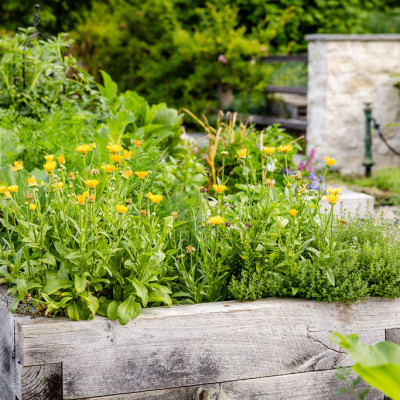
Imagine stepping into your garden and being greeted by a vibrant tapestry of colors and aromas. You might wonder, “Can I plant flowers in my vegetable garden?”
The answer is a resounding yes! Integrating flowers with your vegetables isn’t just about aesthetics; it’s a clever gardening strategy that can boost your garden’s health and productivity. You’ll discover how these blossoms can attract beneficial insects, deter pests, and even improve soil quality.
Plus, the burst of colors will transform your garden into a picturesque haven. Curious about how to make this harmonious blend work for you? Read on to uncover the simple yet effective techniques that will elevate your gardening game and bring your vegetable patch to life in ways you never imagined.

Credit: www.reddit.com
Benefits Of Flowers In Vegetable Gardens
Planting flowers in your vegetable garden attracts helpful insects and wards off pests. They also boost pollination, increasing your veggie yield. Plus, flowers add beauty and variety, making your garden more inviting.
Planting flowers in your vegetable garden can be more than just a delightful addition to its beauty. The benefits extend beyond aesthetics, offering practical advantages that can transform your gardening experience. By strategically placing flowers among your vegetables, you can improve pollination, control pests naturally, and enhance the health of your soil.Improved Pollination
Flowers attract a variety of pollinators such as bees, butterflies, and hummingbirds. These creatures are essential for the pollination of many vegetable plants. By inviting these natural helpers into your garden, you can increase the yield of your crops. Consider planting flowers like sunflowers or marigolds that are known to attract pollinators. Have you noticed how a vibrant bed of flowers can become a buzzing hub of activity? This lively environment directly supports your vegetables’ growth.Natural Pest Control
Certain flowers can deter pests that might otherwise damage your vegetables. Marigolds, for example, are known for repelling nematodes and some insects due to their pungent scent. This natural method of pest control reduces the need for harmful chemicals. Imagine stepping into your garden and seeing it thriving without the use of pesticides. This approach not only protects your vegetables but also contributes to a healthier ecosystem.Enhanced Soil Health
Flowers contribute to the soil’s health by adding organic matter as they decompose. This improves the soil structure, enhancing water retention and nutrient availability. Consider planting legumes like clover or vetch, which fix nitrogen in the soil, benefiting your vegetables. Have you ever thought about how the right choice of flowers can work silently beneath the soil to improve its quality? This unseen magic can lead to more robust and resilient vegetable plants. Incorporating flowers into your vegetable garden offers more than just visual pleasure. It’s a practical strategy that supports a thriving, sustainable garden ecosystem. So next time you plan your garden, think about the flower power you can harness!Choosing The Right Flowers
Planting flowers in a vegetable garden can attract beneficial insects. These insects help with pollination and pest control. Choose flowers like marigolds and nasturtiums to improve your garden’s health and yield.
Choosing the right flowers for your vegetable garden can transform your gardening experience. Not only do they add a splash of color, but they can also play a vital role in the health and productivity of your garden. Picking the right ones involves understanding which flowers complement your vegetables, when to plant them, and how to accommodate their growth needs.Companion Planting
Companion planting is about finding flowers that help your vegetables thrive. Marigolds, for example, are famous for deterring pests like nematodes and aphids. Nasturtiums can lure harmful insects away from your veggies, acting as a natural pest control. Think about your garden’s ecosystem. Some flowers attract beneficial insects, like bees and ladybugs, which help with pollination and pest management. Calendula is a great choice for attracting pollinators and also has edible petals, adding value to your garden.Seasonal Considerations
The timing of your flower planting is crucial. Some flowers, like sunflowers, thrive in the summer and require warmer soil to germinate. In contrast, pansies can handle cooler temperatures, making them perfect for early spring or fall planting. Consider your local climate and the growing season. Planting flowers that align with your vegetable’s growing cycles can create a harmonious garden environment. This ensures both flowers and vegetables flourish without competing for resources.Space And Sunlight Needs
Space and sunlight are precious in any garden. Tall flowers like sunflowers can provide shade for sun-sensitive veggies, but they can also block essential sunlight if not placed wisely. Think about the height and spread of your flowers and how they will coexist with your vegetables. Assess how much room you have. If space is limited, opt for compact flowers like dwarf zinnias that won’t overcrowd your vegetables. Consider sunlight patterns throughout the day, as some flowers thrive in full sun while others prefer partial shade. By choosing the right flowers, you can enhance the beauty and productivity of your vegetable garden. What flowers will you plant next to your tomatoes or carrots to create a thriving garden oasis?Popular Flower Choices
Planting flowers in a vegetable garden can attract pollinators and repel pests. Marigolds, nasturtiums, and sunflowers are popular choices. These flowers add beauty and benefit your veggies.
Planting flowers in your vegetable garden is not just about adding beauty. It’s a smart gardening strategy that can enhance growth and deter pests. Many gardeners choose flowers that complement their veggies, offering both aesthetic and practical benefits. Let’s explore some popular flower choices that can transform your garden into a thriving oasis.Marigolds
Marigolds are a gardener’s favorite for a reason. Their vibrant colors can brighten up any vegetable patch. More importantly, they repel nematodes and deter aphids. Plant marigolds around tomato plants to help reduce pest problems. They thrive in sunny spots and require little maintenance. Just ensure they have well-drained soil, and you’ll enjoy their benefits all season long.Nasturtiums
Nasturtiums are not just beautiful; they’re edible too. With their peppery leaves and colorful blooms, they make a lovely addition to salads. These flowers can trap aphids, drawing them away from your valuable vegetables. They also attract pollinators, which is a win-win for your garden’s productivity. Consider planting nasturtiums at the edges of your garden. This approach can create a natural barrier, enhancing both the appearance and health of your garden.Sunflowers
Sunflowers are the giants of the garden, offering a striking vertical element. Their tall stalks can provide shade for plants that need a break from the intense sun. Beyond their beauty, sunflowers attract beneficial insects like bees and ladybugs. These insects play crucial roles in pollination and pest control. Plant sunflowers at the back of your garden beds to avoid shading out your vegetables. Watch as they tower over your garden, creating a stunning backdrop that’s both functional and beautiful. By choosing the right flowers for your vegetable garden, you can create a harmonious environment that supports both beauty and bounty. What flowers will you plant in your garden this season?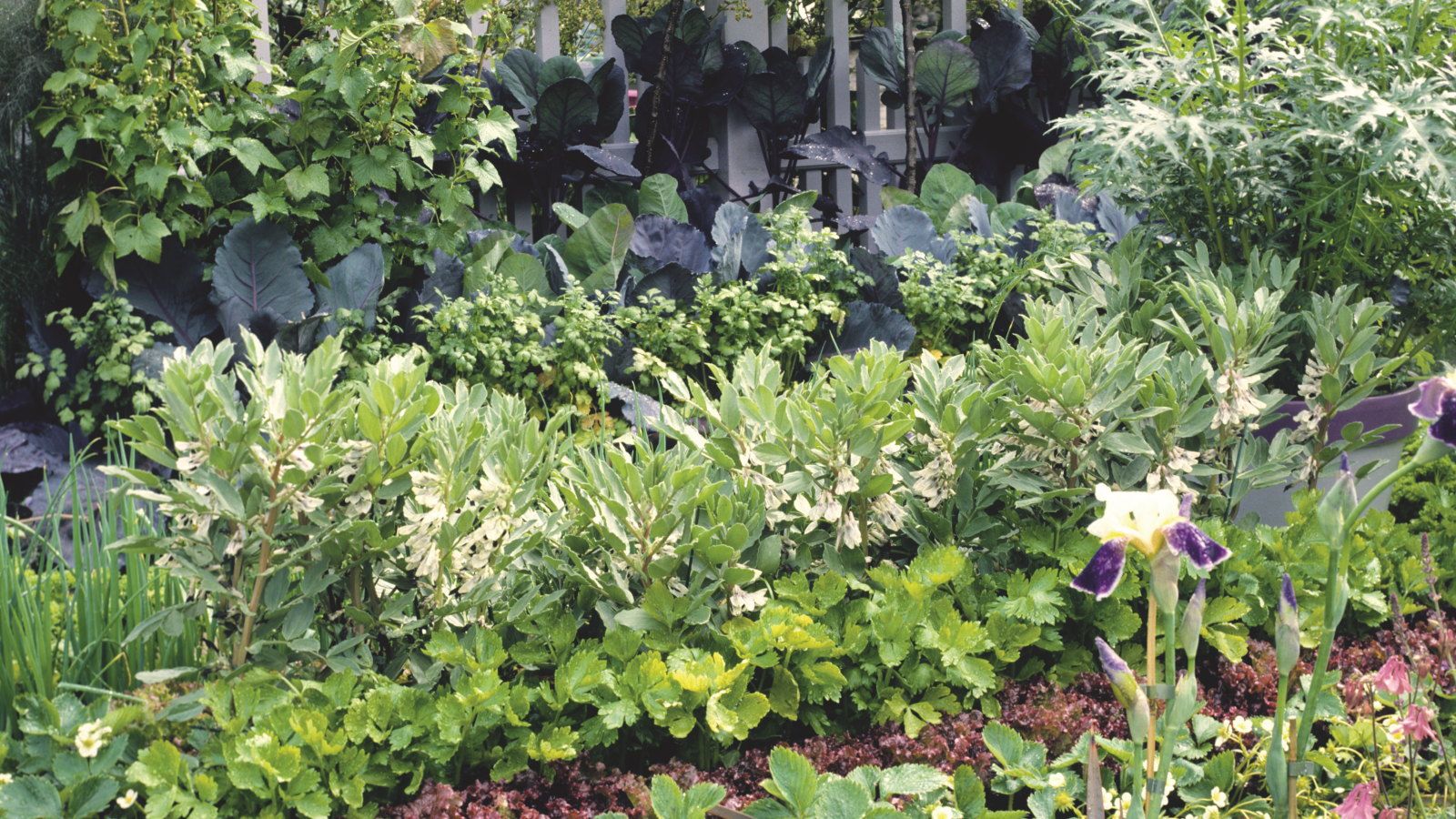
Credit: www.homesandgardens.com
Designing A Flower-vegetable Garden
Planting flowers in a vegetable garden enhances beauty and attracts beneficial insects. Vibrant blooms like marigolds and nasturtiums can deter pests, improving plant health naturally. Mixing flowers with vegetables creates a diverse and balanced garden ecosystem.
Designing a Flower-Vegetable Garden Creating a flower-vegetable garden is like painting a masterpiece where each plant plays a pivotal role in the grand design. Mixing flowers with vegetables can transform your garden into a vibrant tapestry of colors and textures. This not only enhances the visual appeal but also provides practical benefits like pest control and improved pollination. Imagine sipping your morning coffee surrounded by a kaleidoscope of blooms and lush greens, all working together harmoniously.Color And Aesthetic Appeal
Choosing the right flowers can significantly boost the aesthetic appeal of your garden. Consider colors that complement your vegetables. If your tomatoes are ripening with a bright red hue, pair them with yellow marigolds for a striking contrast. Think about how these colors will evolve throughout the seasons. You might find joy in watching how the purple of lavender mingles with the green kale in spring or how sunflowers tower over ripening corn in summer.Layout Strategies
Strategic placement is key to a successful flower-vegetable garden. Create pathways with low-growing herbs like thyme or mint to guide visitors through your garden without overshadowing the vegetables. Use taller flowers as a backdrop to shorter vegetables. This not only provides a layered visual effect but also maximizes sun exposure for all plants. Remember, a garden should be easy to navigate, so consider accessibility when planning your layout.Balancing Functionality And Beauty
While beauty is essential, functionality shouldn’t be compromised. Flowers can serve as natural pest deterrents. Nasturtiums, for example, not only add a burst of color but also repel aphids that might prey on your vegetables. Ask yourself, can this flower serve a dual purpose? Think of dill flowers attracting beneficial insects while providing a culinary herb. Striking a balance between beauty and functionality can turn your garden into a thriving ecosystem. What combinations have worked best for you? Share your experiences and let your garden reflect your unique style.Tips For Successful Integration
Planting flowers in a vegetable garden boosts beauty and growth. Flowers attract beneficial insects, enhancing pollination. Choose companion flowers like marigolds or nasturtiums to deter pests naturally.
Integrating flowers into your vegetable garden can be a delightful and beneficial endeavor. It enhances the garden’s visual appeal and can improve plant health, deter pests, and attract beneficial insects. However, mixing flowers and vegetables requires thoughtful planning and care. Here are some practical tips to help you successfully integrate flowers into your vegetable garden.Watering And Fertilization
Balance is key when watering your mixed garden. Vegetables and flowers may have different water needs. For instance, tomatoes thrive with regular watering, while marigolds are more drought-tolerant. Use a drip irrigation system or soaker hoses to customize watering for each plant type. This approach ensures each plant receives the right amount of moisture without overwatering or underwatering others. Consider the fertilization needs of both flowers and vegetables. Organic fertilizers like compost or well-rotted manure benefit both. However, be mindful of specific nutrient requirements, such as high nitrogen for leafy greens.Monitoring Plant Health
Regularly check your plants for signs of stress or disease. Varied plant types can mask the symptoms if not observed closely. Look for discolored leaves, wilting, or unusual spots. Promptly address any issues you find. Remove affected leaves or treat with organic pesticides if necessary. Quick action prevents issues from spreading and maintains garden health. Plant diversity can deter pests, but it can also attract them. Keep an eye out for beneficial insects like ladybugs and encourage their presence to naturally manage pest populations.Adjusting For Growth
Flowers and vegetables grow at different rates. Monitor their growth to ensure one plant doesn’t overshadow another. For example, sunflowers can tower over smaller plants, blocking sunlight. Pruning is essential for managing plant size and promoting healthy growth. Regularly trim back overgrown plants to maintain a balanced ecosystem. This practice helps ensure all plants receive adequate light and air circulation. Consider the plant’s mature size when planning your garden layout. Give each plant enough space to grow without encroaching on its neighbors. This foresight will save you the hassle of rearranging plants later. By following these tips, you can create a thriving, harmonious garden that boasts both beauty and bounty. What unique flower-vegetable combinations are you excited to try in your garden this season?Common Challenges
Balancing light and space can be tricky. Flowers might compete with vegetables for sunlight and nutrients. Pest management becomes crucial as some flowers attract unwanted insects.
Planting flowers in your vegetable garden can enhance its beauty and even boost productivity. However, integrating these two types of plants isn’t without its challenges. Understanding these challenges can help you create a harmonious and thriving garden.Weed Competition
Flowers can inadvertently introduce more competition for resources like water, nutrients, and sunlight. This can make it difficult to manage weeds, as they thrive in these competitive environments. Consider using mulch or ground covers to reduce the spread of weeds and keep your garden healthy.Overcrowding Risks
When you plant flowers alongside vegetables, space can quickly become a premium. Overcrowding can lead to stunted growth as plants vie for sunlight and nutrients. To prevent this, plan your garden layout carefully, ensuring each plant has enough room to flourish.Pest Attraction
While flowers can attract beneficial insects, they can also attract pests. Some flowers, like marigolds, can deter pests, but others may invite them. Keep an eye on the balance of insects in your garden and be ready to take action if unwanted pests become a problem. By addressing these challenges, you can enjoy a vibrant, diverse garden that delights the senses and feeds the body. Are you ready to take on the challenge and create a garden full of both flowers and vegetables?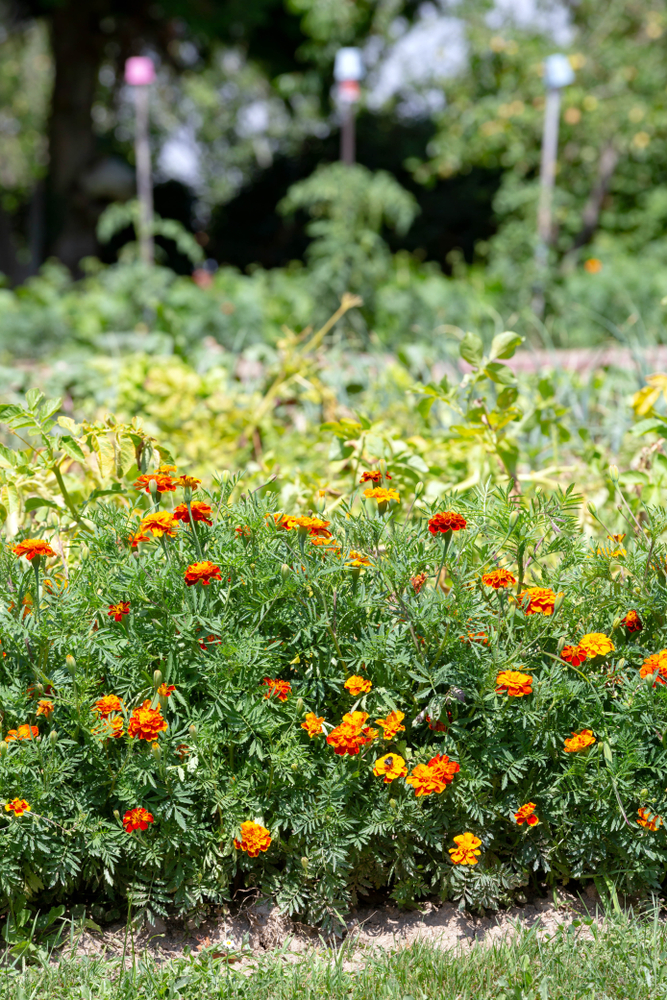
Credit: www.ruralsprout.com
Frequently Asked Questions
Can Flowers Benefit My Vegetable Garden?
Yes, flowers can enhance your vegetable garden. They attract beneficial insects like pollinators and predators of pests. This improves vegetable yields and reduces pest problems. Flowers also add beauty, diversity, and can improve soil health, making your garden ecosystem more balanced and resilient.
Which Flowers Repel Garden Pests?
Marigolds and nasturtiums are great for repelling pests. Marigolds deter nematodes, and nasturtiums repel aphids and beetles. Both flowers are easy to grow and improve garden health. Their vibrant colors also attract pollinators, enhancing vegetable productivity.
Do Flowers Affect Vegetable Growth?
Flowers can positively affect vegetable growth. They attract pollinators, improving fruit set. Some flowers can repel pests, reducing damage to vegetables. Companion planting with flowers can enhance soil health, providing better nutrients for vegetables and increasing overall garden productivity.
Can Flowers Improve Soil Health?
Yes, certain flowers can improve soil health. They help with nutrient cycling and prevent erosion. Their roots can improve soil structure. Flowers like clover fix nitrogen, enhancing soil fertility. This leads to healthier vegetables and better garden productivity.
Conclusion
Planting flowers in your vegetable garden offers many benefits. They attract helpful insects like bees and butterflies. These insects help vegetables grow better. Flowers can also keep pests away. This means healthier plants and more produce. Adding color and beauty to your garden space is a bonus.
It makes gardening more enjoyable and rewarding. Mixing flowers with vegetables creates a balanced ecosystem. This balance helps your garden thrive naturally. So, consider adding flowers to your vegetable garden. Your plants and eyes will thank you. Happy gardening!







