Imagine stepping out your front door and plucking a ripe tomato or fresh basil right from your own garden. Sounds idyllic, doesn’t it?
You might be wondering if planting a vegetable garden in your front yard is possible. Not only is it possible, but it can transform your space into a vibrant, productive oasis. This idea might challenge traditional views of front yard landscaping, but it’s becoming a popular choice for many homeowners.
By the end of this article, you’ll discover how this green venture can be both visually stunning and highly rewarding. Get ready to explore why your front yard might be the perfect spot for your next gardening adventure.

Credit: www.youtube.com
Benefits Of Front Yard Vegetable Gardens
Transforming your front yard into a vegetable garden offers fresh produce at your doorstep. It enhances curb appeal while promoting sustainability. Enjoy the beauty and utility of vibrant plants in your everyday life.
Planting a vegetable garden in your front yard isn’t just about utilizing space; it’s about transforming the way you experience your home and community. Imagine walking outside and picking fresh ingredients for tonight’s dinner, right from your doorstep. The benefits extend beyond just convenience and can positively impact your health, wallet, and the environment.Environmental Benefits
Front yard gardens help reduce carbon footprints. By growing your own produce, you minimize the need for store-bought vegetables that require transportation and packaging. This simple act can significantly cut down on greenhouse gas emissions. Additionally, plants absorb carbon dioxide and release oxygen, improving air quality around your home. A lush, green garden can also help reduce urban heat, making your home cooler in the summer months.Health Benefits
Growing your own vegetables encourages healthier eating habits. You’re more likely to consume fresh, organic produce when it’s just a few steps away. This can lead to a diet rich in vitamins and nutrients. Gardening is also a great form of physical activity. It keeps you active, helping to improve your physical health and reduce stress levels. Spending time outdoors, connecting with nature, has profound mental health benefits too.Economic Benefits
A front yard vegetable garden can significantly cut down your grocery bills. Fresh produce often comes with a premium price tag at stores. By growing your own, you can enjoy high-quality vegetables without breaking the bank. Consider the variety of vegetables you can cultivate. From tomatoes to lettuce, the possibilities are endless and cost-effective. You might even find yourself sharing surplus produce with neighbors, fostering a sense of community.Community And Aesthetic Benefits
A front yard garden can be a conversation starter, enhancing your relationship with neighbors. Sharing gardening tips and extra produce can build strong community bonds. Moreover, a well-maintained vegetable garden can be visually appealing. With thoughtful design, it can rival traditional ornamental gardens. Imagine the satisfaction of a vibrant, productive landscape that adds beauty and value to your home. Are you ready to dig in and transform your front yard? The benefits are ripe for the picking!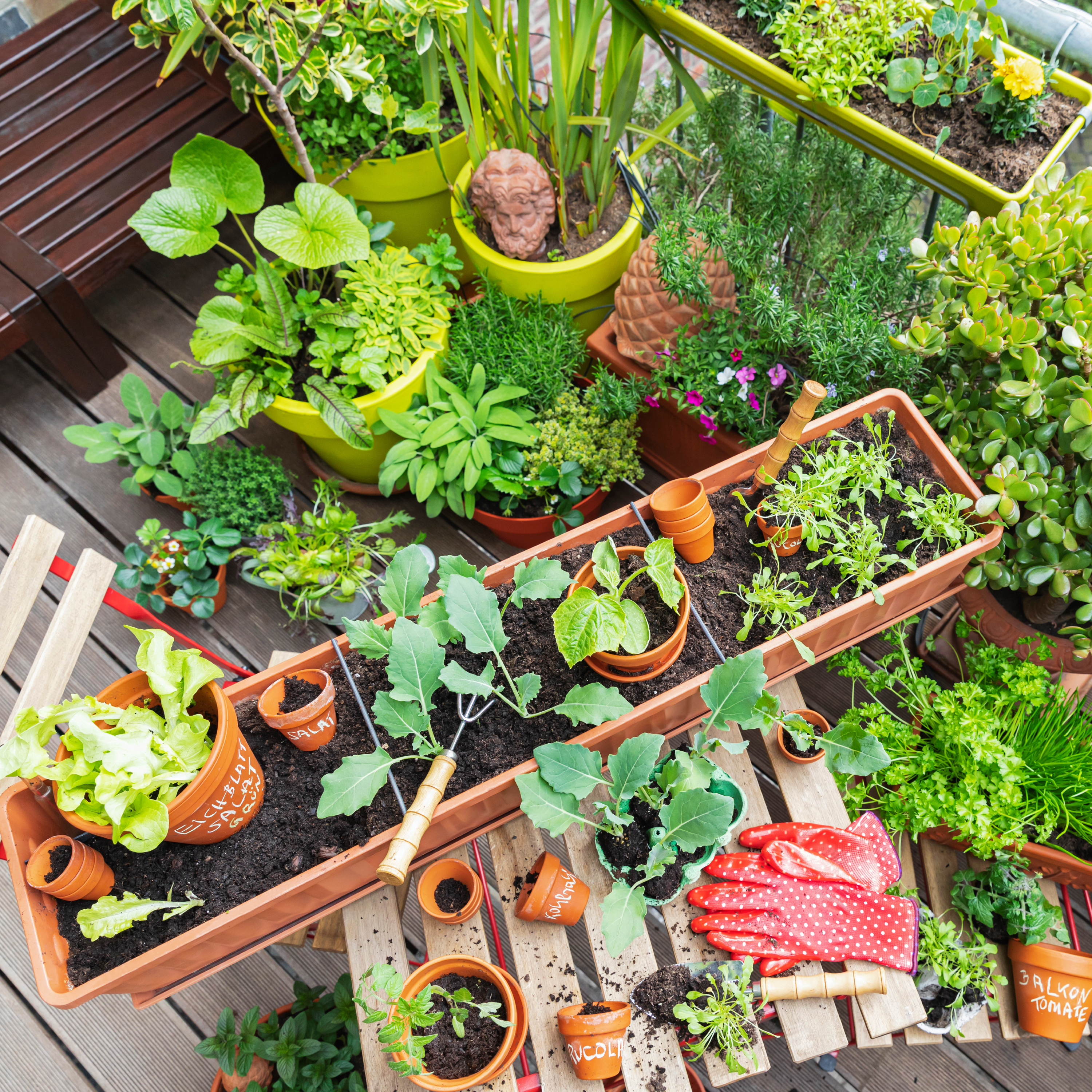
Credit: www.gardeningknowhow.com
Assessing Your Front Yard Space
Planting a vegetable garden in your front yard can be a rewarding endeavor, both for your palate and your neighborhood’s curb appeal. However, before you get your hands dirty, it’s crucial to assess your front yard space carefully. Understanding the unique characteristics of your yard will ensure your garden thrives and adds beauty to your home.
Sunlight And Shade Considerations
Observe how much sunlight your front yard receives throughout the day. Most vegetables need at least 6-8 hours of direct sunlight to grow efficiently. If tall trees or buildings cast shade, you might need to select vegetables that are more shade-tolerant, such as leafy greens. Consider the seasonal changes in sunlight as well—winter and summer sun paths can differ significantly.
Soil Quality And Preparation
Testing your soil is a crucial step in garden preparation. You can purchase a simple soil test kit to check for pH levels and essential nutrients. Depending on your results, you might need to amend your soil with compost or other organic materials to enhance its fertility. If your soil is particularly poor, raised beds filled with quality soil can be a practical solution.
Space Planning And Layout
Think about the layout of your garden in terms of both aesthetics and functionality. Can you plant in neat rows, or would a more freeform design suit your space better? Consider the mature size of your plants to prevent overcrowding. You might also want to leave space for pathways to make watering and harvesting easier. Vertical gardening techniques can maximize space in smaller yards, utilizing trellises for climbing plants like tomatoes or cucumbers.
Choosing The Right Vegetables
Planting a vegetable garden in your front yard requires selecting the right vegetables. Focus on local climate and soil conditions. Opt for easy-to-grow varieties like tomatoes, peppers, and lettuce for a vibrant garden.
Choosing the right vegetables for your front yard garden can transform your outdoor space into a vibrant, productive haven. Imagine stepping out your front door to harvest fresh produce for your meals. The key to achieving this dream lies in understanding which vegetables will thrive in your unique environment. Below, we explore essential aspects to consider when selecting vegetables for your garden.Seasonal Planting Options
To make the most of your front yard garden, embrace the rhythm of the seasons. Different vegetables thrive at different times of the year. In spring, consider planting leafy greens like lettuce and spinach, which grow quickly and provide a fresh addition to your meals. Summer is perfect for tomatoes, peppers, and cucumbers, which love the warmth and sunlight. As fall approaches, root vegetables like carrots and beets can be sown, offering hearty flavors for cooler days.Climate Considerations
Your local climate plays a crucial role in the success of your vegetable garden. Some vegetables prefer cooler temperatures, while others flourish in heat. If you live in a warm climate, opt for heat-loving plants like okra and eggplant. In cooler regions, vegetables such as peas and broccoli may be more suitable. Research your area’s average temperature and rainfall to tailor your garden choices accordingly, ensuring a bountiful harvest.High-yield Choices For Small Spaces
Maximizing yield in a limited space requires smart selection and planning. Consider compact varieties that produce abundantly in small areas. Cherry tomatoes, dwarf beans, and zucchini are excellent choices for small gardens. Vertical gardening techniques can also increase yield by allowing plants like pole beans and cucumbers to grow upwards, saving precious ground space. Think about your favorite meals and choose vegetables that complement them. What veggies do you love using most? Your answer could guide your planting decisions, making your garden not just productive, but also deeply personal.Designing Aesthetic Garden Layouts
Transform your front yard into a vibrant vegetable garden that captivates and nourishes. An aesthetic design ensures your garden is pleasing to the eye while providing a bounty of fresh produce. Thoughtful planning allows vegetables to blend seamlessly with your landscape.
Integrating Edibles With Ornamentals
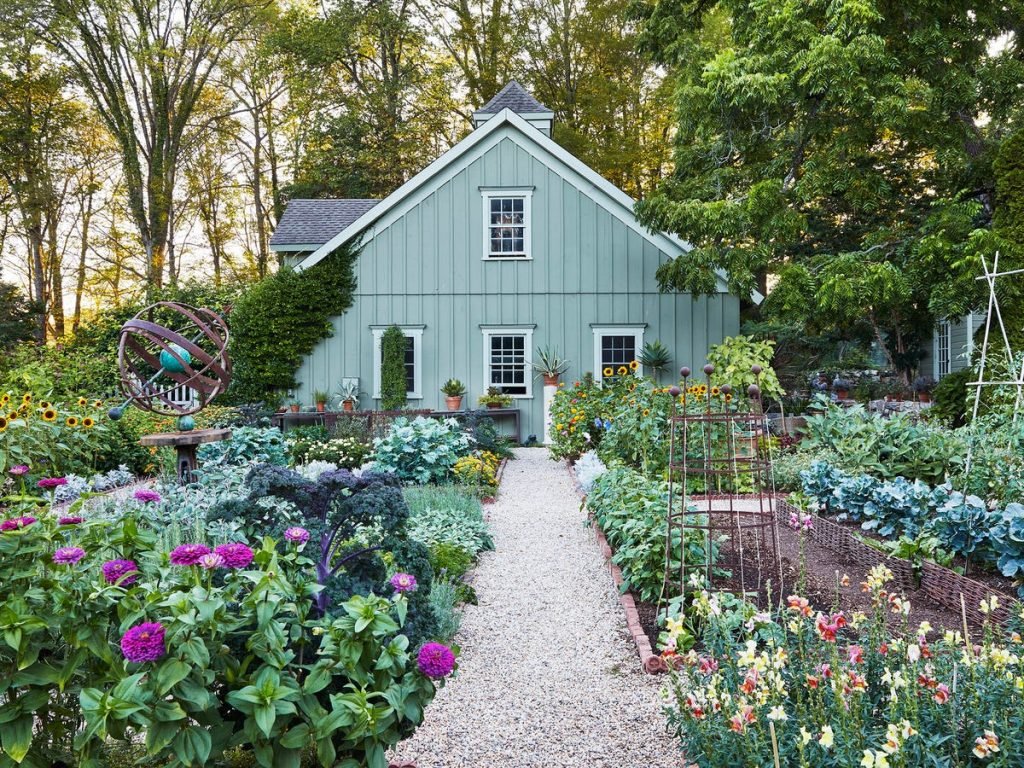
Mix vegetables with flowers and shrubs for a stunning display. Companion planting enhances growth and adds beauty. Choose colorful vegetables like Swiss chard or kale. Use them beside bright flowers like marigolds or zinnias. This combination creates a harmonious look.
Creating Visual Appeal
Arrange plants in creative patterns or shapes. Curved lines soften the garden’s look. Use symmetry to balance the design. Vary plant heights to add interest. Tall plants at the back, shorter ones at the front. A focal point, like a small tree or sculpture, draws attention.
Using Containers And Raised Beds
Containers offer flexibility and style. They allow for easy rearrangement. Select pots that match your home’s aesthetic. Raised beds provide structure and ease of access. They improve drainage and soil quality. Choose materials like wood or stone for a natural feel.
Addressing Local Regulations
Understanding local regulations is key before planting a vegetable garden in your front yard. Rules vary by region, affecting garden size and type. Check with local authorities to ensure compliance and avoid fines.
Addressing local regulations can be a pivotal step in starting a front yard vegetable garden. Each area has its own set of rules governing how land can be used. Understanding these regulations will help ensure your gardening project runs smoothly. Below, we explore key aspects of navigating these local rules, including zoning laws, HOA approvals, and necessary permits.Understanding Zoning Laws
Zoning laws dictate what activities are allowed on your property. These laws vary greatly by location. Some areas may restrict the use of front yards for gardening. Others might have specific guidelines on what you can plant. Check with your local zoning office for information. They can provide details about any restrictions or requirements. Knowing these rules beforehand can save you time and trouble.Getting Hoa Approval
Homeowners Associations (HOAs) often have rules about front yard appearances. Some HOAs might have restrictions on vegetable gardens. Others may allow them with certain conditions. Review your HOA’s guidelines carefully. Contact your HOA board to discuss your plans. Getting approval in writing can prevent future conflicts. It’s crucial to maintain good relations with your neighbors and community.Navigating Permits And Restrictions
Some areas require permits for front yard gardening. These permits ensure your garden complies with local codes. Visit your city or county office to inquire about necessary permits. There might also be restrictions on the height of plants. Or rules about maintaining a tidy appearance. Understanding these requirements can help keep your garden within legal bounds. Ensure your garden is both beautiful and compliant with local standards.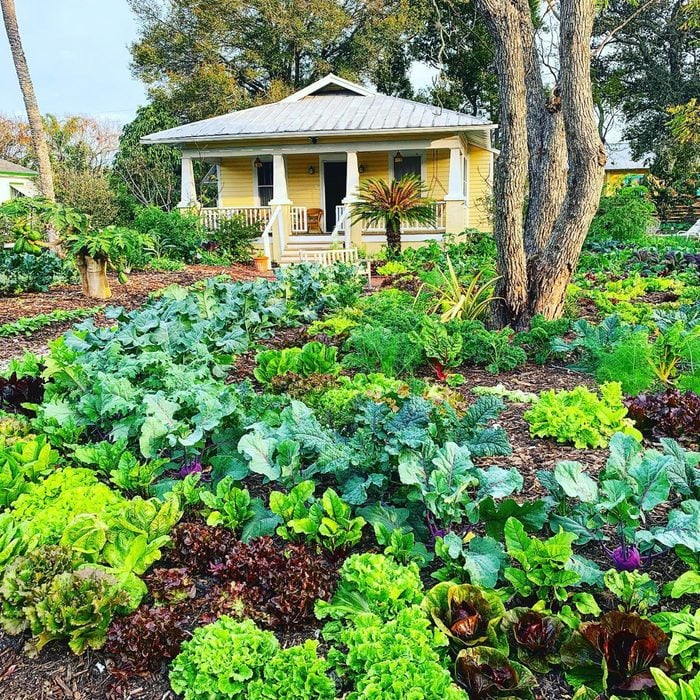
Credit: www.familyhandyman.com
Maintenance And Care Tips
Planting a vegetable garden in your front yard adds beauty and functionality. Regularly check soil health and ensure proper drainage to keep plants thriving. Water consistently and protect against pests for a bountiful harvest.
Planting a vegetable garden in your front yard can be both rewarding and sustainable. However, the success of your garden largely depends on how well you maintain and care for it. Proper maintenance not only enhances the growth of your plants but also keeps your garden attractive and productive throughout the seasons.Watering And Irrigation Solutions
Regular watering is vital for the health of your vegetables. Consider installing a drip irrigation system to ensure that water reaches the roots directly, minimizing waste. If you’re hand-watering, try to do it early in the morning or late afternoon to prevent evaporation and leaf burn. Rain barrels can be an excellent addition to your garden setup. They capture rainwater which you can use during dry spells, reducing your water bill. Also, observe your plants regularly; wilting leaves are a clear sign that your garden needs more water.Pest Management Strategies
Pests can quickly become a problem if not managed effectively. Start by encouraging natural predators like ladybugs and birds, which can help control pest populations naturally. You can plant marigolds and nasturtiums as they repel common vegetable pests. Consider creating your own organic sprays using household items such as garlic and soap to deter insects. Regularly inspect your plants for signs of infestation and remove affected leaves or plants promptly to prevent the spread of pests.Seasonal Maintenance Tasks
Your garden’s needs will change with the seasons. In spring, focus on preparing the soil by adding compost and ensuring proper drainage. During summer, keep an eye on watering needs and mulching to retain soil moisture. Autumn is the time to clear out spent plants and prepare your garden for winter. Consider planting cover crops to enrich the soil and protect it from erosion. In winter, take the opportunity to plan for next year’s garden while periodically checking for any damage caused by frost. Maintaining a front yard vegetable garden might seem challenging, but with the right strategies, it can be a manageable and enjoyable endeavor. What methods have you found effective in caring for your garden?Community Engagement And Benefits
Planting a vegetable garden in your front yard fosters community engagement and offers numerous benefits. Neighbors may connect over shared gardening tips, while fresh produce promotes healthy eating and sustainability.
Planting a vegetable garden in your front yard offers more than fresh produce. It creates opportunities for community engagement and benefits. Gardens in visible spaces invite neighbors to connect and share in the joys of gardening. This enhances social interactions and community spirit.Sharing Produce With Neighbors
Sharing your garden’s bounty builds neighborly bonds. Offer extra vegetables to those nearby. This simple act of kindness fosters goodwill. It also encourages reciprocity, where neighbors may share their own resources or skills in return. Such exchanges strengthen community ties and promote a sense of belonging.Educating The Community
A front yard garden is an educational tool. It can inspire others to grow their own food. Invite neighbors to learn about gardening techniques. Host workshops or casual gatherings. Share tips on sustainable practices and plant care. This knowledge exchange benefits everyone. It empowers individuals to start their own gardening journey.Building Neighborhood Connections
Gardens are a natural gathering point. They encourage conversations and interactions. A vegetable garden in the front yard invites neighbors to stop by. It becomes a focal point for community events or informal meet-ups. These interactions build trust and foster a friendly neighborhood atmosphere. Creating a shared space through gardening can lead to long-lasting friendships.Frequently Asked Questions
Is It Legal To Garden In My Front Yard?
Yes, it’s generally legal to plant a garden in your front yard. However, local regulations may vary, so check with your municipality. Homeowners associations might have specific rules. Ensure your garden doesn’t obstruct sidewalks or violate any community standards for aesthetics.
What Vegetables Are Best For A Front Yard Garden?
Front yards can grow various vegetables like tomatoes, lettuce, and peppers. Choose plants that complement your local climate and soil conditions. Opt for visually appealing vegetables to enhance curb appeal. Consider the sunlight exposure to ensure optimal growth for your chosen plants.
How Can I Make My Front Yard Garden Attractive?
Use decorative borders, colorful plants, and creative layouts for an appealing garden. Incorporate flowers among vegetables for visual interest. Regular maintenance like pruning and cleaning enhances aesthetics. Add garden ornaments or paths for structure, ensuring your garden complements your home’s exterior.
Will A Front Yard Garden Affect Property Value?
A well-maintained garden can enhance curb appeal, potentially increasing property value. It shows care and attention to detail. However, ensure it aligns with neighborhood aesthetics. Overgrown or untidy gardens might have the opposite effect, so regular upkeep is essential.
Conclusion
Planting a vegetable garden in your front yard is possible. It offers fresh produce and beautifies your space. Check local rules first. Choose vegetables that suit your climate. Prepare soil well for healthy growth. Use creative layouts for visual appeal.
Regular care ensures a thriving garden. Enjoy the benefits of homegrown veggies. Share your garden’s bounty with family and friends. Gardening can bring joy and satisfaction. Start small and expand as you gain confidence. A front yard garden is a rewarding way to utilize your space.
Embrace the journey of growing your own food.