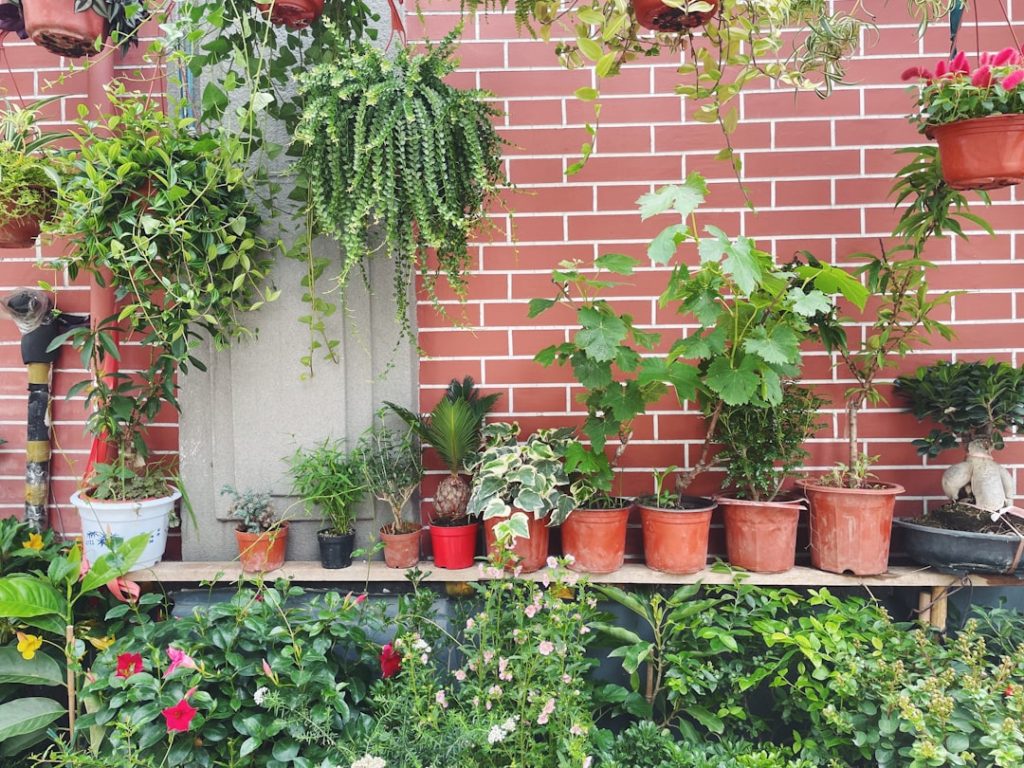
Imagine stepping outside your front door and being greeted by the vibrant colors and soothing scents of your very own garden. It’s a dream many of us share, but can you actually plant a garden right next to your house?
You might be wondering if it’s possible, practical, or even beneficial. With the right knowledge, you’ll find that creating a garden beside your home is not only feasible but can transform your living space into a refreshing sanctuary. You’re not alone in this curiosity.
Many homeowners, just like you, are eager to turn unused space into something beautiful and functional. This article will guide you through the essentials of planting a garden next to your house, addressing common concerns and offering tips that can make your gardening dreams come true. The possibilities are endless, and the rewards are waiting for you to discover. Keep reading to learn how you can turn your home into a lush paradise.
Benefits Of Planting A Garden Near Your House
Planting a garden near your house brings numerous benefits. Enjoy fresh vegetables and herbs right from your backyard. Enhance your home’s curb appeal while promoting biodiversity.
Planting a garden near your house offers many benefits. It brings nature closer to your daily life. A garden can transform a plain yard into a vibrant, living space. This connection with nature can improve your well-being and happiness.Environmental Benefits
Gardens support local ecosystems. They attract birds, bees, and other pollinators. These creatures help plants grow and maintain balance. Gardens also improve air quality by absorbing carbon dioxide. They release oxygen, making the air cleaner.Enhanced Aesthetic Appeal
A garden adds beauty to your home. Vibrant flowers and lush greenery create a stunning view. Gardens can increase your property’s curb appeal. This can make your home more attractive to visitors and potential buyers.Convenience And Accessibility
Having a garden near your house offers easy access. You can quickly pick fresh herbs and vegetables for meals. This convenience saves time and makes cooking more enjoyable.Energy Savings
A garden can help reduce energy costs. Trees and plants provide shade during hot months. This can lower indoor temperatures, reducing the need for air conditioning. In winter, plants can act as a windbreak, helping to keep your home warm.Physical And Mental Health
Gardening is a great way to stay active. It involves physical tasks like digging and planting. These activities provide exercise and improve fitness. Spending time in nature also reduces stress and promotes relaxation.Educational Opportunities
Gardening offers a chance to learn. It teaches about plant life cycles and ecosystems. This knowledge is valuable for both children and adults. Gardening can spark curiosity and inspire lifelong learning.
Credit: www.reddit.com
Choosing The Right Location
Selecting the right spot for your garden near the house is crucial. Ensure the location gets ample sunlight and has good soil drainage. Avoid areas with heavy foot traffic or close to large trees that might overshadow plants.
Choosing the right location for your garden is crucial. It influences how well your plants grow and thrive. Selecting an ideal spot involves considering several factors. These include sunlight, shade, and proximity to water sources. Understanding these elements helps create a vibrant garden.Sunlight And Shade Considerations
Plants need sunlight to grow. Most vegetables and flowers require at least six hours of sunlight daily. Observe your yard throughout the day. Identify spots that receive consistent sunlight. Avoid areas that are shaded by trees or buildings. Some plants prefer partial shade. Research the light needs of your chosen plants.Proximity To Water Sources
Access to water is vital for your garden. Choose a location near a hose or faucet. This makes watering convenient and efficient. Consider installing a rain barrel. It collects rainwater for your garden. Check the drainage in your chosen area. Avoid spots where water pools. Good drainage prevents root rot and diseases.Soil Preparation
Planting a garden next to your house can be rewarding. The first step is soil preparation. Healthy soil is crucial for vibrant plants. This section guides you through testing and improving your soil.
Testing Soil Quality
Testing soil quality is essential. It reveals nutrient levels and pH balance. You can purchase a soil test kit online or in stores. Follow the instructions carefully. Collect samples from different garden spots. Mix them for a representative sample.
Send the sample to a lab if detailed analysis is needed. A comprehensive report will guide your soil improvement efforts. Knowing your soil’s condition is the foundation for a thriving garden.
Improving Soil Health
Improving soil health boosts plant growth. Start by adding organic matter. Compost, manure, and peat moss enrich the soil. They improve texture and increase water retention.
Ensure proper drainage to prevent waterlogging. Raised beds can help in areas with heavy clay soil. Consider using mulch to maintain soil moisture and temperature. Mulch also suppresses weeds.
Rotate crops annually to prevent nutrient depletion. This practice also reduces pest buildup. Healthy soil leads to healthy plants.
Selecting Suitable Plants
Selecting suitable plants for a garden next to your house enhances curb appeal and practicality. Consider light, water needs, and soil type for thriving greenery.
Selecting suitable plants for your garden is crucial to its success, especially when it’s located next to your house. You’ll want to consider several factors, including your local climate, available space, and the specific needs of each plant. Making informed choices can lead to a thriving garden that complements your home beautifully.Climate-appropriate Choices
Choosing plants that are compatible with your local climate can save you time and effort. Research which plants thrive in your region’s weather conditions. For example, if you live in a hot, dry area, succulents and cacti might be ideal. In contrast, if your region is known for its lush rainfall, ferns and hydrangeas could be more suitable. Consider the microclimate near your house as well. Is one side consistently shady while another basks in sunlight? Understanding these nuances helps you select plants that will flourish.Space-saving Plant Varieties
Space can be a limitation when gardening close to your house. Opt for plant varieties that maximize the available area without overwhelming it. Vertical gardening is a fantastic option for small spaces. Climbing plants like ivy or clematis can adorn walls and fences, adding greenery without consuming ground space. Another tip is to use dwarf plant varieties. Dwarf fruit trees, for instance, can provide delicious produce without requiring a large footprint. Consider container gardening as well. Planting in pots allows you to rearrange and optimize space as needed. It also offers flexibility if you decide to change your garden’s layout. What unique plant varieties have you found to be space-efficient? Your experiences could inspire others embarking on their gardening journey.Garden Design Ideas
Planting a garden next to your house can enhance beauty and create a serene atmosphere. Ensure proper drainage and sunlight for healthy plant growth. Consider foundation distance to avoid root issues.
Garden design near your house offers endless possibilities. It can enhance your home’s beauty and provide fresh produce. The right design turns a small space into a lush oasis. Here are some ideas to inspire your creativity.Vertical Gardening
Vertical gardening is perfect for limited spaces. It involves growing plants upwards on walls or trellises. This method uses less ground space and creates a stunning visual effect. You can use shelves, hanging pots, or repurposed pallets. Choose plants like herbs, strawberries, or climbing vegetables. These thrive in vertical settings. Watering and maintenance are also easier as plants are at eye level.Container Gardening
Container gardening is versatile and flexible. It allows you to grow plants in pots and containers. This method is ideal for patios or balconies. Use containers of various sizes and materials. Clay pots, wooden boxes, or even recycled items work well. Ensure proper drainage to prevent root rot. This design gives you control over soil quality and positioning. Move containers to catch sunlight or for aesthetic purposes. Plant herbs, flowers, or small vegetables for a vibrant display.
Credit: www.facebook.com
Safety And Maintenance Tips
Planting a garden next to your house requires careful planning. Ensure proper drainage to prevent water damage. Maintain a safe distance to avoid root interference with foundations.
Planting a garden next to your house is a delightful way to enhance your home’s beauty and functionality. Yet, it’s important to consider safety and maintenance to ensure your garden thrives without causing issues. Let’s explore some essential tips for managing your garden’s health and your home’s wellbeing.Managing Pest Control
Pests can quickly turn your garden into a nightmare. Regularly inspect plants for signs of infestations like holes in leaves or wilting stems. Consider natural pest control options, such as introducing beneficial insects like ladybugs or using neem oil. Keep your garden clean and well-maintained. Debris and overgrown plants can harbor pests. Remove dead leaves and fallen fruits promptly to deter unwanted visitors. Have you ever tried companion planting? It’s a technique where certain plants naturally repel pests for each other. For example, planting marigolds can help ward off nematodes from your vegetables.Ensuring Structural Integrity
Your garden should complement your home, not compromise its structure. Ensure plants are at a safe distance from the foundation to prevent root damage. Roots can exert pressure against your home’s foundation and cause cracks over time. Opt for raised beds if you’re worried about water damage. This setup directs water away from your house, reducing the risk of moisture affecting the foundation. Think about sunlight exposure. Large trees can block sunlight from reaching your house, impacting both your garden and your home’s energy efficiency. Trim branches that overshadow your house to maintain a balance of light and shade. Consider these tips to enjoy a beautiful garden without compromising your home’s safety. What strategies have you found effective in maintaining harmony between your garden and house?Legal And Neighborhood Considerations
Understanding local zoning laws is crucial before planting a garden next to your house. Some neighborhoods have rules on garden placement. Check for restrictions to avoid fines or issues.
Planting a garden next to your house can be a delightful way to enhance your living space, but it’s essential to consider legal and neighborhood factors before you start digging. Understanding local regulations and respecting your neighbors’ property is crucial. These considerations not only prevent potential disputes but also ensure your garden flourishes within the bounds of community standards.Zoning Laws And Regulations
Before planting, check the zoning laws in your area. These laws dictate what types of structures and plantings are permissible on residential properties. Contact your local zoning office or visit their website to understand the specific regulations that apply to your property. Some areas may have restrictions on the height of plants near property lines. Others might require permits for certain types of gardening projects. Knowing these rules helps you avoid fines and ensures your garden complies with local standards.Respecting Property Lines
Maintaining good relationships with your neighbors is key when planning your garden. Make sure you know precisely where your property lines are to avoid planting on someone else’s land. Consider having a professional survey done if you’re unsure about the exact boundaries. Discuss your plans with your neighbors, especially if your garden borders their property. This open communication can prevent misunderstandings and foster a cooperative atmosphere. You might even inspire them to start their own garden, creating a greener neighborhood for everyone.
Credit: www.facebook.com
Seasonal Planting Strategies
Planting a garden next to your house requires thoughtful planning. Seasonal planting strategies help in ensuring your garden thrives all year. Understanding the climate and plant needs is key. This approach maximizes both beauty and bounty in your garden.
Planning For Year-round Growth
Design a garden that grows throughout the year. Choose plants that bloom in different seasons. This ensures something is always growing. Consider annuals, perennials, and evergreens. Each type serves a unique role in the garden.
Annuals provide vibrant colors in spring and summer. Perennials return year after year, reducing the need for replanting. Evergreens offer structure and greenery even in winter. Mixing these plants creates a dynamic landscape.
Use a planting calendar to schedule planting times. Plant cool-weather crops like lettuce in early spring. Warm-weather plants like tomatoes thrive in summer. In fall, prepare for winter by planting hardy vegetables. This cycle keeps your garden productive.
Adapting To Weather Changes
Weather changes challenge gardeners. Adapting to these changes is crucial. Choose plants suited to your region’s climate. Research local weather patterns and plant hardiness zones.
Prepare for unexpected weather by having a flexible plan. Use mulch to protect roots from extreme temperatures. Provide shade for sensitive plants during heatwaves. Watering systems help during dry spells.
Consider building raised beds for better drainage. This helps during heavy rains. Protect your garden from wind using barriers. These strategies help your garden withstand weather changes.
Frequently Asked Questions
Is It Safe To Plant Near My House?
Yes, it’s generally safe to plant near your house. Choose plants with non-invasive roots to avoid foundation damage. Ensure proper drainage to prevent water accumulation near the foundation. Consider local building codes and consult a professional if unsure.
What Plants Are Best Near House Foundations?
Choose plants with shallow roots like shrubs, ferns, and ornamental grasses. These plants minimize the risk of damaging your house foundation. They require less water and are easier to maintain. Native plants are often a good choice as they adapt well to local conditions.
How Close Can I Plant To My House?
You can plant shrubs and small trees about 3 to 5 feet from your house. This distance prevents root interference with the foundation. Larger trees should be at least 15 to 20 feet away. Always consider the mature size of plants when planning your garden layout.
Will My Garden Affect House Drainage?
Improperly planned gardens can affect house drainage. Ensure your garden slopes away from the house to prevent water pooling. Use mulch and permeable materials to aid water absorption. Regularly check and maintain drainage systems to prevent issues.
Conclusion
Planting a garden next to your house can be a great idea. It enhances your home’s look and provides fresh produce. Remember to check sunlight and soil quality. Consider space for plants to grow. Watering and drainage are essential. Choose plants suited for your climate.
Protect your garden from pests. Enjoy the beauty and benefits of your garden. It can be a peaceful retreat. Gardening can be a rewarding hobby. Begin your gardening journey today. It’s simple and fun. Plus, you get to enjoy nature at home.
Happy gardening!







