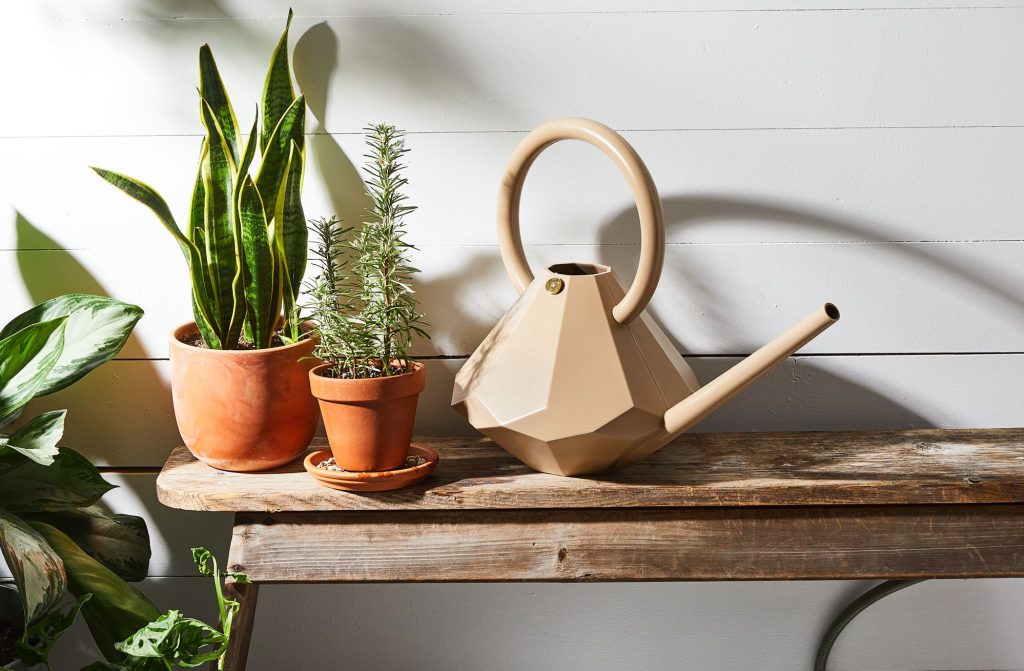
Imagine stepping into your garden, where every plant is thriving, vibrant, and lush. You’ve likely tried everything to achieve this greenery dream—perfect soil, the right amount of sunshine, and careful attention.
Yet, there might be one simple trick you’re overlooking: the magic of garden containers to give your plants a drink. You might wonder if these containers can truly transform your garden into a flourishing paradise. The truth is, they can.
With the right container, your plants receive the perfect amount of water, ensuring they grow stronger and healthier. Are you curious to discover how this easy method can work wonders for your garden? Dive into the secrets of container gardening, and uncover how you can effortlessly boost your plant’s hydration and vitality.
Benefits Of Container Gardening
Container gardening offers flexibility and control over watering plants. It allows for easy monitoring of soil moisture levels, ensuring plants receive just the right amount of water. Ideal for urban spaces, it provides an efficient way to manage plant hydration without the mess of traditional gardening.
Container gardening offers a range of benefits for plant enthusiasts. Whether you have limited space or want more control over plant growth, container gardening can be a perfect solution. This gardening method allows flexibility, making it accessible for everyone, from beginners to experienced gardeners.Space Efficiency
Container gardening is ideal for small spaces. It allows gardening in apartments, balconies, and patios. You can grow a variety of plants in limited areas. Vertical stacking and hanging pots maximize space. Even a windowsill can become a mini-garden.Versatility And Mobility
Containers offer incredible versatility. You can easily move them to suit light and temperature needs. Rearrange your garden layout anytime. Change plants with seasons or preferences. This mobility helps in protecting plants from harsh weather.Enhanced Control Over Environment
Containers let you control soil quality and nutrients. You can manage water levels effectively. Choose the best potting mix for your plants. Control pests and diseases more easily. Adjust conditions to suit specific plant requirements. This ensures healthier and more productive plants.Choosing The Right Containers
Choosing the right containers for your garden can be challenging. Containers are essential for plant health and growth. They hold soil and water, ensuring plants stay hydrated. Picking the perfect container involves several key factors.
Materials And Durability
Containers come in various materials, each with pros and cons. Plastic pots are lightweight and affordable. They retain moisture well, reducing watering frequency. Clay pots, on the other hand, offer better airflow. But they dry out faster. Metal containers are durable and stylish. Yet, they can heat up quickly in the sun. Consider your climate and plant needs when selecting materials.
Size And Depth Considerations
The size and depth of a container affect plant growth. Small pots suit herbs and flowers. Large pots are ideal for vegetables and shrubs. Ensure the container is deep enough for roots to spread. Shallow containers restrict root growth, leading to poor plant health.
Design And Aesthetics
Containers should complement your garden’s style. Choose designs that match your outdoor space. Bright colors add a pop of excitement. Neutral tones blend well with nature. Consider the container’s shape too. Unique shapes create visual interest. Balance aesthetics with functionality for the best results.
Watering Techniques For Containers
Watering container plants can be tricky. Containers dry out faster than garden beds. It’s essential to use proper techniques to keep plants healthy. Knowing how to water ensures lush growth and vibrant blooms. Let’s explore some effective watering methods.
Self-watering Systems
Self-watering systems are convenient. They use reservoirs to supply water gradually. This reduces the need for frequent manual watering. Such systems are great for busy gardeners. They ensure plants receive consistent moisture. Choose a system that fits your container size. Some systems are integrated into pots, while others are separate.
Manual Watering Tips
Manual watering requires attention. Water until it drains from the bottom. Avoid letting the soil dry completely. Check soil moisture regularly. Use a watering can with a narrow spout. This helps reach the plant base easily. Focus on the roots, not the leaves.
Frequency And Timing
Frequency depends on plant type and weather. During hot days, water daily. In cooler months, reduce watering. Morning is the best time to water. This lets plants absorb moisture before the sun is strong. Avoid evening watering; it can lead to fungal growth.

Credit: www.tiktok.com
Boosting Plant Growth With Containers
Garden containers provide a convenient way to give plants a much-needed drink. They help regulate water intake, ensuring plants receive the right amount of moisture for healthy growth.
Boosting plant growth with containers is a rewarding endeavor that can transform your home garden into a lush oasis. Whether you have a small balcony or a sprawling backyard, containers give you the flexibility to create the perfect environment for your plants. They allow you to tailor soil conditions, control water levels, and introduce a variety of growth enhancers to boost productivity.Optimizing Soil Quality
Container gardening lets you customize the soil to suit each plant’s needs. You can mix in organic compost to improve drainage and nutrient content. Consider adding perlite or vermiculite to enhance aeration, keeping roots healthy and thriving. Is your soil holding too much water or drying out too quickly? Adjusting the soil composition in containers is straightforward. Tailor your mix by experimenting with different ratios until you find the perfect balance.Fertilization Strategies
Fertilizing container plants requires a strategic approach. Use slow-release granules to provide a steady nutrient supply over time. Liquid fertilizers can be applied during watering for a quick nutrient boost. Don’t forget to follow the recommended guidelines for each type of plant. Over-fertilization can harm your plants, so it’s essential to strike the right balance.Utilizing Growth Enhancers
Growth enhancers like seaweed extract and fish emulsion can give your plants an extra push. These natural supplements are rich in micronutrients and can be added to your regular watering routine. Have you ever tried using mycorrhizal fungi? These beneficial fungi form a symbiotic relationship with plant roots, boosting nutrient uptake and overall growth. Incorporating them into your containers can yield remarkable results. Embrace the power of containers to experiment with various enhancers and witness the transformation in your garden’s growth.Common Challenges And Solutions
Garden containers often face water drainage issues. Proper drainage holes and materials solve this, ensuring plants get enough water. Using self-watering pots can also help maintain consistent moisture levels, reducing watering frequency.
Common Challenges and Solutions Gardening with containers offers flexibility and creativity. Yet, it comes with challenges. Proper care ensures healthy plants and vibrant blooms. Let’s explore common issues and their solutions.Preventing Waterlogging
Waterlogged soil suffocates roots and harms plants. Use containers with drainage holes. Choose a well-draining potting mix. Add gravel or small stones to the bottom. This improves drainage. Monitor the soil moisture. Water only when the top inch is dry.Managing Pests And Diseases
Pests and diseases can quickly spread in containers. Inspect plants regularly for signs of trouble. Remove any affected leaves or stems promptly. Encourage natural predators like ladybugs. They control pests without chemicals. Use neem oil or insecticidal soap for severe infestations. Ensure good air circulation around plants.Dealing With Temperature Fluctuations
Temperature swings can stress container plants. Choose containers that insulate well. Move pots to sheltered spots during extreme weather. Use mulch to regulate soil temperature. It keeps roots cool in heat and warm in cold. Cover plants with cloth during unexpected frosts. This provides additional protection.
Credit: www.facebook.com
Innovative Container Designs
Innovative container designs like a can garden container make watering plants easy and efficient. These containers provide just the right amount of hydration, ensuring healthy growth. Perfect for small spaces, they add charm while nurturing your plants.
Innovative container designs are transforming the way we nurture plants. These designs make gardening accessible and efficient, especially for small spaces. Let’s explore some creative options that can help your plants thrive.Vertical Gardens
Vertical gardens save space and add beauty. They allow plants to grow upwards. This design is perfect for balconies or small patios. Vertical containers can hang on walls or stand alone. They provide a lush display of greenery. Choose plants like herbs or flowers that love vertical growth.Stackable Systems
Stackable systems are versatile and practical. They let you grow more in limited spaces. Each layer can hold different plants or the same type. These systems are easy to rearrange. They offer flexibility in design and plant arrangement. Such systems are great for urban gardeners.Eco-friendly Options
Eco-friendly containers use sustainable materials. They are often biodegradable or recycled. These options reduce environmental impact. Choose containers made from bamboo, coconut husks, or recycled plastic. They support sustainable gardening practices. Eco-friendly designs are both stylish and planet-friendly.
Credit: www.amazon.com
Frequently Asked Questions
How Do Garden Containers Provide Water To Plants?
Garden containers can retain moisture, ensuring plants receive consistent hydration. They allow for controlled watering and drainage. Containers help prevent over-watering, safeguarding plant roots. Using materials like terracotta enhances water retention. Choosing the right container size ensures plants have enough water and nutrients.
What Types Of Containers Are Best For Watering?
Terracotta and ceramic containers are ideal for watering. They retain moisture well and provide good drainage. These materials prevent roots from drowning. Ensure your container has drainage holes. This helps excess water escape, preventing root rot. A well-chosen container promotes healthy plant growth.
Can Self-watering Containers Benefit Plants?
Self-watering containers are beneficial for plants. They provide consistent moisture, reducing watering frequency. These containers have reservoirs that store water. Plants absorb water as needed, preventing over-watering. They are ideal for busy gardeners. Self-watering containers support healthy growth and reduce plant stress.
How Often Should Container Plants Be Watered?
Container plants need regular watering. Frequency depends on plant type and container size. Check soil moisture daily. Water when the top inch is dry. Avoid over-watering, which can lead to root rot. Adjust watering based on weather conditions. Ensuring proper hydration promotes healthy growth.
Conclusion
Garden containers make plant care easier. They help with watering. Plants thrive with the right amount of water. Container choice matters. Choose wisely for healthy plants. Proper drainage is key. It prevents overwatering. Different plants have different needs. Match containers to plant types.
Consider size and material. Experiment with various containers. Your plants will thank you. Enjoy watching them grow. Gardening can be simple. Containers make it accessible. Anyone can start today. Happy gardening!







