
Creating a raised garden bed can transform your outdoor space. Building plans raised garden beds make the process easier and more organized. With clear instructions and measurements, you can build a sturdy and attractive garden bed that suits your needs. Whether you want to grow vegetables, herbs, or flowers, having a solid plan helps avoid mistakes and saves time. Plus, a well-built raised bed improves soil drainage and keeps pests away. If you’re ready to start your gardening project, having reliable building plans is a smart first step.
Raised Bed Garden Plans Guide
This book on Building Plans Raised Garden Beds is ideal for gardeners looking to create practical and flexible garden spaces anywhere.

This book offers detailed building plans for raised garden beds, helping gardeners overcome space and soil quality challenges. It includes clear instructions and guidance, making the design and construction process approachable. One notable feature is its comprehensive coverage suitable for various garden sizes and locations.
Using the guide feels straightforward and empowering. It saves time by providing tested plans, so you can focus more on planting and less on trial and error. The step-by-step approach gives confidence, especially for those new to garden bed construction.
Strengths and Limitations
- Clear Instructions: The plans are easy to follow, suitable for beginners and experienced gardeners alike.
- Versatile Designs: Options for different garden sizes and spaces make it adaptable.
- Comprehensive Content: Covers materials, construction, and planting tips in one volume.
- Limited Visuals: Some readers may find the number of illustrations could be more extensive.
- Focus on Raised Beds: It doesn’t cover other garden styles or landscaping ideas.
Thoughtful Recommendation
If you want to build raised garden beds with confidence and practical guidance, this book is a good match. It suits gardeners who prefer a structured approach and want to avoid guesswork in planning and building.
Those seeking a broader gardening manual or extensive visual inspiration might want to consider other resources. A helpful tip is to gather your materials in advance to streamline the building process as you follow the plans.
Overall, the guide offers calm, clear support for starting a raised bed garden, helping you create a growing space tailored to your needs.
Raised Garden Bed Building Plans
This guide on Building Plans Raised Garden Beds is ideal for gardeners looking to create easy, accessible spaces for vegetables and flowers.

This book offers clear building plans for raised garden beds, helping gardeners create practical and accessible growing areas for vegetables and flowers. It addresses the challenge of limited gardening space and soil quality by providing an easy-to-follow guide suitable for beginners. One notable feature is its concise format, making the information straightforward and manageable.
Using these plans feels approachable and confidence-building, as the instructions are simple to follow without overwhelming details. I found it saves time by focusing on essential steps, allowing gardeners to start building their raised beds with minimal fuss.
Practical Insights
- Clear instructions ideal for beginners
- Focuses on accessibility in garden design
- Concise format with manageable content
- Lightweight and easy to handle book size
- Suitable for vegetable and flower gardening
Thoughtful Recommendation
This guide is well-suited for anyone new to raised bed gardening or those wanting straightforward plans without excessive detail. If you prefer more advanced or large-scale gardening projects, this might not cover all your needs.
A practical tip is to read through the entire guide before starting to gather all necessary materials and tools. This helps avoid interruptions during the building process.
Overall, this book provides calm, clear guidance that encourages a hands-on approach to gardening, making it a reliable resource for creating raised beds at home.
Backyard Homestead Project Guide
This guide is ideal for anyone seeking detailed Building Plans Raised Garden Beds and other homestead projects to enhance self-sufficiency.
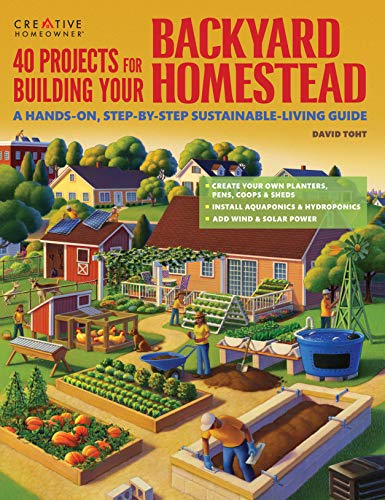
This book offers step-by-step plans for creating various backyard projects, including raised garden beds, fences, and sheds. It addresses the challenge of building practical garden furnishings with clear instructions. One notable feature is its hands-on approach, making sustainable living accessible through detailed guidance.
Using this guide feels straightforward and manageable, even for beginners. The instructions boost confidence and save time by eliminating guesswork. I found it easy to follow, which makes building raised garden beds less intimidating and more rewarding.
Strengths and Limitations
Clear, Practical Instructions: The step-by-step format helps readers visualize each project, making complex builds like raised garden beds approachable.
Wide Range of Projects: Beyond raised beds, it covers other homestead essentials, offering versatility for backyard improvement.
Used Condition: As a used book, it may show minor wear, but this does not affect the quality of content.
Not a Digital Guide: This is a physical book, so those preferring digital plans may find it less convenient.
Thoughtful Recommendation
This guide suits gardeners and homesteaders who appreciate detailed physical instructions and want to build raised garden beds along with other backyard projects. If you prefer digital content or need instant downloadable plans, this might not be the best fit.
A practical tip is to have basic tools ready before starting any project to maximize the value of the instructions. The book provides calm, clear guidance, so you can proceed at your own pace without feeling overwhelmed.
Overall, it reassures readers that sustainable backyard projects are achievable with patience and the right guidance.
Choosing The Right Building Plans For Raised Garden Beds
When selecting building plans for raised garden beds, consider your available space and gardening goals. Think about the materials recommended and whether they fit your budget and skill level. Avoid plans that are too complex if you are new to gardening or woodworking. Also, check if the plans suit the types of plants you want to grow and the climate in your area. Practicality and ease of construction often matter more than elaborate designs.
Frequently Asked Questions
What materials are best for building raised garden beds?
Wood like cedar or redwood is common due to its natural resistance to rot. Avoid treated wood that may leach chemicals into the soil. Other options include stone, brick, or metal depending on your style and budget.
How deep should a raised garden bed be?
A depth of 6 to 12 inches is usually enough for most vegetables. Root crops may need deeper beds. Consider your soil quality and the type of plants you want to grow.
Can I build raised beds on any type of ground?
Yes, raised beds can be placed on grass, concrete, or poor soil. Just ensure good drainage. Some plans may include instructions for different surfaces.
How much space do I need between beds?
Leave enough room to walk and work comfortably, typically 2 to 3 feet. This helps with maintenance and plant care. Narrower paths can make access difficult.
Are raised garden beds suitable for small spaces?
Absolutely. Raised beds can be designed to fit small yards, balconies, or patios. Look for plans that maximize vertical space and use compact layouts.
Do I need special tools to build these beds?
Basic woodworking tools like a saw, drill, and screwdriver are usually sufficient. Some plans may require more specialized tools, so review the instructions before starting.
Final Thoughts On Building Plans Raised Garden Beds
Building plans for raised garden beds offer a practical way to organize your garden space. They help you understand dimensions, materials, and construction steps clearly. Taking the time to choose plans that fit your needs can make gardening more enjoyable and productive. Remember, simple and well-thought-out plans often lead to the best results.







