Have you ever noticed those little garden snails leisurely making their way across your plants and wondered if they’re friends or foes? You’re not alone.
Many gardeners find themselves torn between admiration for their delicate beauty and concern for their beloved greenery. Are garden snails really good for your plants, or should you be worried about their presence? This question is more common than you might think, and understanding the role these creatures play in your garden could transform your gardening experience.
Imagine having a garden where everything works in harmony, where every creature plays its part in nurturing your plants. Wouldn’t it be fascinating to discover that garden snails might be quietly contributing to this balance? By learning more about their habits and impacts, you can make informed decisions that enhance your garden’s health and vitality. Dive into this intriguing topic to uncover the truth about garden snails and whether they deserve a place in your green sanctuary.

Credit: www.facebook.com
Garden Snails And Plant Health
Garden snails can both harm and benefit plant health. They eat decaying plant matter, helping with soil fertilization. Yet, they may damage young plants by feeding on leaves.
Garden snails often evoke mixed feelings among gardeners. On one hand, they are known for munching on tender leaves and seedlings, potentially wreaking havoc in your carefully nurtured garden. On the other hand, these little creatures might actually offer some surprising benefits for plant health. Let’s dive into the intricate relationship between garden snails and plant health, and explore how these slimy visitors might not always be the villains they’re made out to be.Understanding Snail Behavior
Snails are nocturnal creatures, meaning they do most of their feeding at night. This can be a blessing in disguise for your plants. While they do eat leaves, they also help aerate the soil as they move, which can improve water penetration and root health.The Role Of Snails In Soil Fertility
Snails contribute to the nutrient cycle in your garden. As they break down organic matter, they release essential nutrients back into the soil. This natural process can enhance soil fertility, promoting healthier plant growth.Snails As Natural Pest Controllers
Did you know snails can help control other garden pests? By consuming decaying plant material and fungi, they reduce habitats for harmful insects. This can lead to a more balanced ecosystem in your garden. Too many snails can lead to problems. Keeping a balanced snail population is key. Encourage natural predators like birds and frogs, or create barriers using materials like crushed eggshells to protect vulnerable plants.Creating A Snail-friendly Environment
Consider planting snail-resistant plants. Herbs like rosemary and lavender are less appealing to snails. By diversifying your garden, you can enjoy the benefits of snails without sacrificing your favorite plants. Are you ready to view garden snails in a new light? By understanding their behavior and benefits, you can create a thriving garden that harnesses the power of these often misunderstood creatures.Snail Diet And Behavior
Garden snails can harm plants by munching on leaves, stems, and fruits. They prefer tender plants and can cause significant damage to young seedlings. While they play a role in decomposition, their presence in gardens often leads to concerns among plant lovers.
Garden snails are often seen as the slow movers of the plant world, but their diet and behavior offer intriguing insights into their relationship with your garden. Understanding what snails eat and how they behave can help you decide whether they are beneficial or detrimental to your plants. Let’s delve into the specifics of snail diet and behavior to see how they impact your garden ecosystem.What Do Garden Snails Eat?
Garden snails are primarily herbivores. They enjoy munching on a variety of plant materials, including leaves, stems, and flowers. This might sound like a threat to your plants, but it’s not all doom and gloom. Snails often prefer decaying matter over fresh, living plants, which can help clean up your garden naturally. Ever noticed how quickly snails can polish off wilted leaves? This behavior helps recycle organic material, promoting a healthier garden environment. But here’s the catch: if food is scarce, they might turn to your prized plants for sustenance.Snail Feeding Habits
Snails are nocturnal feeders, meaning they are most active at night. This is when they roam your garden in search of food. If you spot snail trails in the morning, it’s a sign that they’ve been out and about. To understand their feeding habits, observe your garden at dusk. You might find them congregating around certain plants. Why do they choose specific areas? It could be the moisture level or the type of plant that attracts them. Have you ever considered planting decoy plants? These could lure snails away from your favorite flowers, providing a practical solution to manage their feeding habits.Behavioral Patterns Of Snails
Snails exhibit interesting behaviors that can affect your garden. They are drawn to moist and shaded areas, which protect them from drying out. This preference can dictate where they spend most of their time. Moreover, snails have a homing instinct. If relocated, they often try to return to their original spot. This means simply moving them might not be effective in controlling their population. How can you use this behavior to your advantage? Consider creating a designated “snail zone” with plants they favor. This way, they might leave the rest of your garden alone.Are Snails Friends Or Foes?
The dual nature of snails can be puzzling. They can be beneficial by breaking down organic matter but also harmful if they devour your plants. The key lies in managing their presence effectively. Have you thought about how snails could fit into your garden’s ecosystem? Perhaps they could be allies in composting, or maybe you need strategies to keep them at bay. Ultimately, understanding snail diet and behavior is crucial for determining their role in your garden. What strategies have you tried to balance their impact on your plants?Benefits Of Garden Snails
Garden snails can help keep plants healthy by breaking down organic matter, enriching the soil. Their presence encourages biodiversity, providing food for birds and beneficial insects.
Garden snails often get a bad rap for munching on your favorite plants, but did you know they can actually be beneficial to your garden? By understanding the benefits of garden snails, you might find yourself appreciating these little creatures a bit more. Snails play a vital role in maintaining a healthy ecosystem in your garden, contributing to soil aeration and nutrient recycling. Let’s dive into how these benefits can help you cultivate a thriving garden.Soil Aeration
Garden snails can be natural allies when it comes to aerating your soil. As they move through your garden, their bodies create small tunnels. These tunnels allow air and water to penetrate deep into the soil, promoting healthy root growth for your plants. Imagine the snails as tiny gardeners, working tirelessly to ensure your soil remains loose and easy for roots to navigate. Have you noticed how well your plants grow after a rainy day? Snails help mimic that effect by improving water absorption and circulation in the soil.Nutrient Recycling
The recycling of nutrients is another surprising benefit of garden snails. As they feed on decaying plant matter, they break it down, returning essential nutrients back into the soil. This process enriches the soil, providing your plants with the vital elements they need to flourish. Consider snails as little composters, transforming waste into nourishment. You might find that your garden thrives more when snails are present, as they boost the organic matter in your soil. This nutrient-rich environment can support healthier plants and increase your garden’s yield. Have you ever thought about how small creatures can impact the bigger picture in your garden? By embracing the benefits of garden snails, you can cultivate an environment where plants grow robustly and sustainably.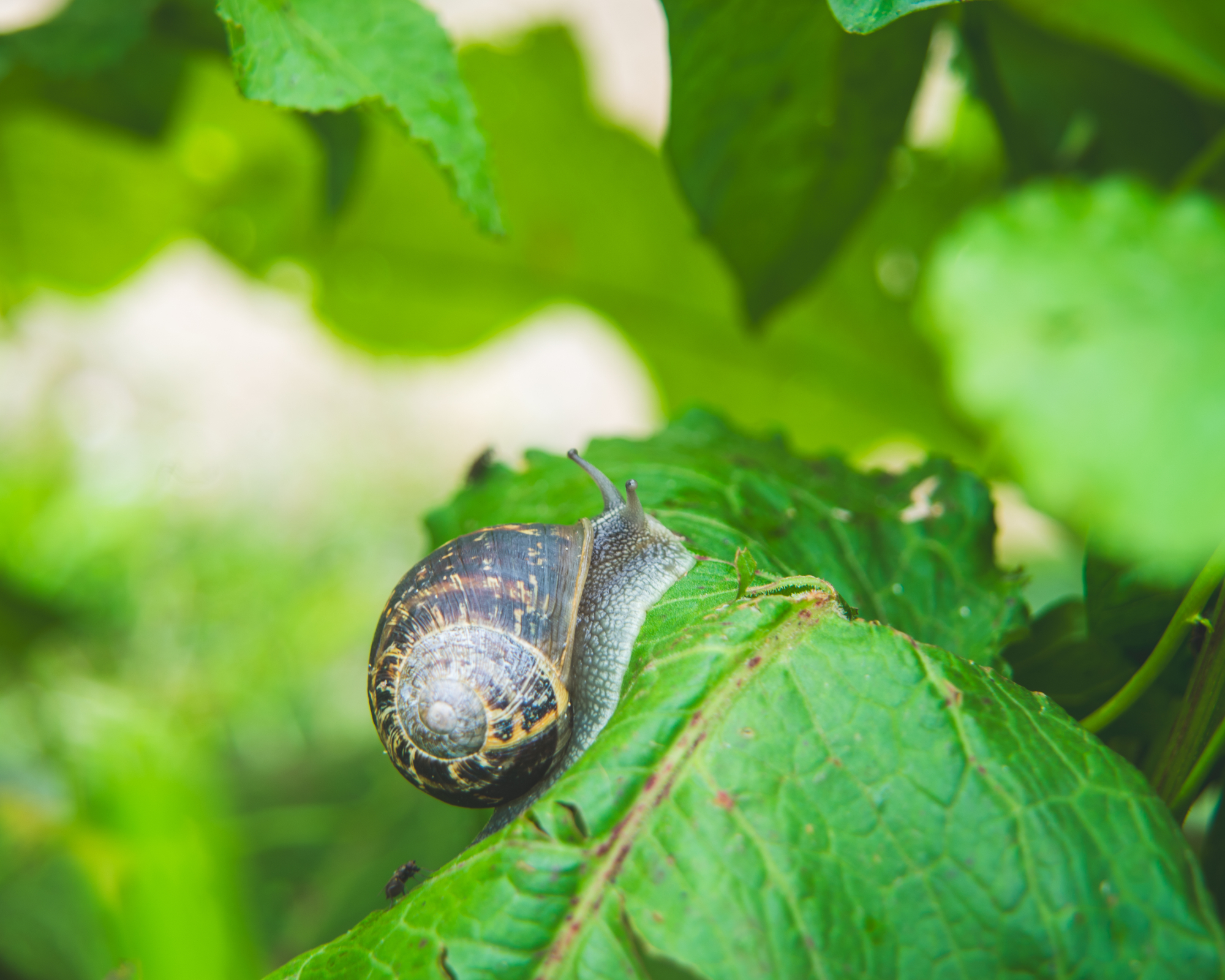
Credit: www.gardeningknowhow.com
Challenges Posed By Snails
Garden snails often pose challenges to plants by feeding on leaves and stems, leaving them damaged. Their presence can lead to stunted growth and decreased plant health, impacting overall garden vitality.
Garden snails can be a double-edged sword for your garden. While they play a role in the ecosystem, they also pose certain challenges that you might not anticipate. Understanding these challenges can help you manage your garden more effectively.Plant Damage
Snails are notorious for munching on a wide variety of plants. They particularly enjoy tender leaves, stems, and even fruits. If you’ve ever walked into your garden only to find holes in your lettuce or missing flowers, snails might be the culprits. Their feeding habits can stunt plant growth, leaving you with less bounty than expected. Have you ever found yourself wondering why your plants aren’t flourishing as they should? It might be time to inspect for these little invaders.Pest Attraction
Snails can inadvertently invite other pests into your garden. Their slime trails can attract ants and other insects, creating a bigger pest problem. This can lead to a domino effect, where controlling one pest attracts another. How do you keep this chain reaction from happening? Regular monitoring and maintenance can make a big difference. By keeping snail populations in check, you can reduce the chances of attracting more unwanted visitors. In dealing with snails, a proactive approach can save you time and preserve your garden’s beauty. Have you ever considered using natural deterrents or barriers to keep snails at bay? Small changes can lead to big results in maintaining a healthy garden ecosystem.Natural Predators Of Snails
Garden snails can harm plants by eating leaves and stems. Natural predators like birds, frogs, and beetles help control snail populations, benefiting gardens. Encouraging these predators can reduce snail damage and promote healthier plants.
Natural Predators of Snails Garden snails can be a nuisance for plants. They munch on leaves and flowers, causing damage. Luckily, nature has its way of controlling snail populations. Various animals and insects help keep these pests in check. Understanding these natural predators can be beneficial for gardeners. It can help maintain a healthy and balanced garden ecosystem.Birds And Reptiles
Many birds feast on snails. Thrushes and blackbirds are common snail predators. They pick snails from the ground and break their shells. Reptiles like lizards also enjoy snails as a tasty treat. They hunt them in gardens, reducing snail numbers.Beneficial Insects
Some insects are snail’s natural enemies. Beetles and ants are known to attack snails. They feed on snail eggs and young snails. These insects help control snail populations effectively. Encouraging beneficial insects in your garden can be helpful. It promotes a healthy plant environment without snails.
Credit: uk.style.yahoo.com
Managing Snail Populations
Garden snails can benefit plants by breaking down organic matter into nutrients. They help in composting by consuming dead leaves and debris. Yet, their feeding habits can harm young plants if populations grow too large.
Managing snails in your garden is important for plant health. Snails can damage leaves, stems, and even flowers. Keeping their numbers in check helps maintain a thriving garden environment. Here’s how you can manage them effectively.Organic Control Methods
Organic methods are safe for the environment. They help keep your garden healthy. Consider these approaches:- Introduce natural predators like birds and frogs. They love eating snails.
- Use barriers like copper tape around pots. Snails avoid crossing copper.
- Set up beer traps. Snails are attracted to the yeast and drown.
- Sprinkle crushed eggshells on the soil. They deter snails due to sharp edges.
- Handpick snails in the early morning or evening. It’s a simple but effective method.
Chemical Solutions
Sometimes, natural methods might not be enough. Chemical solutions can help reduce snail populations quickly.- Use iron phosphate-based pellets. They’re safe for pets and beneficial insects.
- Apply ammonia spray. It kills snails on contact and adds nitrogen to the soil.
- Consider metaldehyde pellets. Use them sparingly as they can be toxic.
Creating A Balanced Garden Ecosystem
Garden snails can be beneficial for plants by aiding in the breakdown of organic matter. Their presence encourages nutrient-rich soil, promoting healthier plant growth. While they might nibble on leaves, their role in maintaining a balanced ecosystem outweighs potential harm.
Creating a Balanced Garden Ecosystem A thriving garden isn’t just about the plants you choose; it’s about the entire ecosystem you cultivate. By understanding the roles of different creatures, like garden snails, you can foster a more balanced and healthy garden environment. Snails, often seen as pests, can actually contribute positively when managed correctly.Understanding The Role Of Garden Snails
Garden snails might munch on some of your plants, but they also play a crucial role in breaking down organic matter. This process enriches the soil with nutrients, promoting healthier plant growth. Consider how their slow movement aids in aerating the soil, which benefits root systems.Encouraging Natural Predators
You don’t need to resort to harsh chemicals to manage snail populations. Encouraging natural predators like birds, frogs, and beetles can effectively keep their numbers in check. Creating habitats for these predators can be as simple as adding a birdbath or a small pond.Plant Selection For Balance
Choosing a variety of plants can deter snails naturally. Some plants are less appealing to snails, acting as a natural repellent. Incorporating these into your garden design can help maintain balance without much effort on your part.Mulching And Moisture Management
Snails thrive in moist environments, so managing moisture levels can help control their population. Using mulch can keep soil moisture in check while also providing a barrier that snails find difficult to cross. Are you using mulch effectively in your garden?Creating Safe Havens For Snails
Designating specific areas in your garden for snails can help control their impact. These safe havens can be spots with decaying plant matter where snails can break it down without harming your prized plants. Such zones can be a win-win for both you and the snails.Monitoring And Adjusting
Regularly observing snail activity can help you make informed decisions about their management. If you notice an imbalance, consider adjusting one of the elements mentioned above. What small changes can you implement today to foster a balanced ecosystem in your garden?Frequently Asked Questions
Do Garden Snails Harm Plants?
Garden snails can harm plants by eating leaves, stems, and flowers. They often target tender plants and seedlings. While their impact might not be devastating, large populations can cause noticeable damage. Regular monitoring and control can help minimize their impact on your garden.
How Do Snails Benefit The Garden Ecosystem?
Snails play a vital role in the garden ecosystem by decomposing organic matter. They help break down dead leaves and plant debris, enriching the soil. This process contributes to nutrient cycling and promotes healthy plant growth. Additionally, snails serve as a food source for various predators.
Can Snails Be Controlled Naturally?
Yes, snails can be controlled naturally using barriers and traps. Copper tape, crushed eggshells, and coffee grounds can deter them. Handpicking snails during the evening can also reduce their numbers. Encouraging natural predators like birds and frogs helps maintain a balanced snail population.
What Plants Do Snails Avoid?
Snails typically avoid plants with tough, hairy, or aromatic leaves. Lavender, rosemary, sage, and ferns are less appealing to them. Planting these species can help protect more vulnerable plants. Choosing snail-resistant plants can be an effective strategy in managing snail populations.
Conclusion
Garden snails can be both helpful and harmful to plants. They help break down organic matter, enriching the soil. But, they also munch on leaves and stems. This might damage young plants. Keep an eye on snail activity in your garden.
Some gardeners use natural methods to control snails. Consider introducing predators like birds or hedgehogs. Or try barriers like copper tape. Finding a balance is key. You can enjoy healthy plants and a lively garden. With some effort, snails and plants can coexist.
Happy gardening!