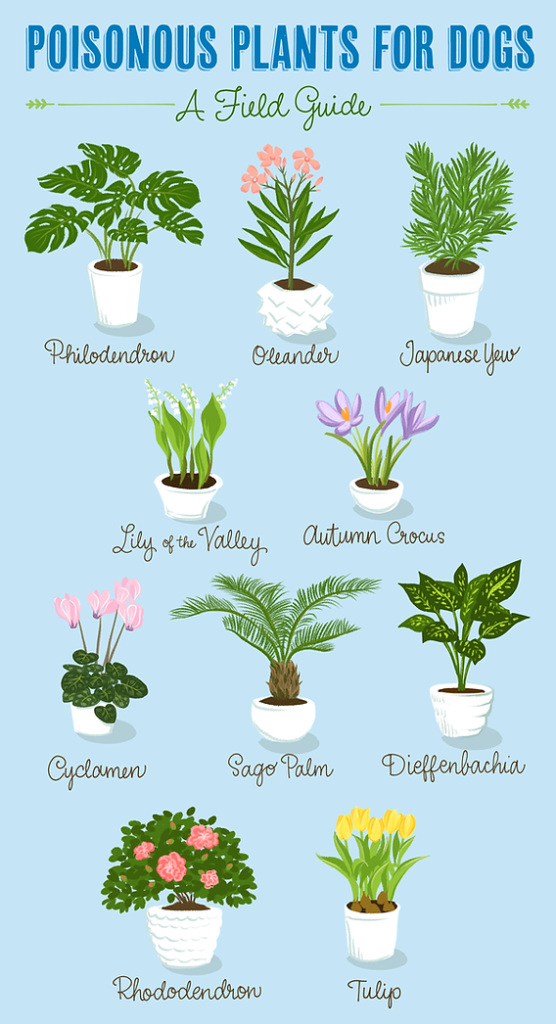
You love your garden, and you adore your dog. But have you ever wondered if your garden plants could pose a threat to your furry friend?
It’s a question that might not cross your mind often, but it’s crucial for the safety of your pet. Imagine the peace of mind you’ll have knowing which plants are safe and which ones could potentially harm your dog. As a responsible pet owner, being informed about the hidden dangers lurking in your garden is vital.
This guide is here to help you navigate the world of garden plants and their effects on dogs. Stay with us as we unravel the mysteries of your garden, ensuring it’s a safe haven for your beloved pet.
Common Poisonous Plants
Certain garden plants can be harmful to dogs. Plants like lilies, azaleas, and daffodils pose risks. Always check your garden for toxic plants to keep your dog safe.
Garden plants can be a delightful addition to any home. Their vibrant colors and fragrances bring life to outdoor spaces. Yet, certain plants can be dangerous for dogs. Understanding which plants are harmful helps protect your furry friends. Below are some common poisonous plants that dog owners should be aware of.Flowers To Avoid
Many beautiful flowers can be toxic to dogs. Here are a few to keep in mind:- Lilies:Even small amounts can cause severe kidney failure.
- Daffodils:Ingestion may lead to vomiting and abdominal pain.
- Tulips:Bulbs contain toxins that cause drooling and convulsions.
Shrubs And Trees
Some shrubs and trees pose risks as well. Be cautious with these:- Azaleas:Consumption can result in vomiting and cardiovascular collapse.
- Oleanders:All parts are extremely toxic and can affect heart function.
- Yew Trees:Needles and seeds may cause tremors and difficulty breathing.
Toxic Weeds
Weeds often grow unnoticed. Some can be harmful to dogs:- Nightshade:Contains solanine, leading to confusion and paralysis.
- Hemlock:Highly poisonous, causing nervous system issues.
- Milkweed:Ingestion can lead to respiratory distress and heart problems.

Credit: www.facebook.com
Symptoms Of Plant Poisoning
Certain garden plants can be toxic to dogs, causing symptoms like vomiting, drooling, and lethargy. Keep an eye out for difficulty breathing or seizures, which require immediate veterinary attention. Always ensure your garden is safe for pets.
Accidentally ingesting or coming into contact with poisonous plants can spell trouble for your furry friends. Recognizing the symptoms of plant poisoning in dogs is crucial for swift action and care. Knowing these signs not only helps in protecting your pet but also provides peace of mind when your dog is exploring the garden.Digestive Issues
Digestive problems are often the first red flags. Symptoms can include vomiting, diarrhea, or a sudden loss of appetite. If your dog starts to eat grass excessively or displays signs of stomach discomfort, it may be time to investigate further.Neurological Signs
Some plants can affect your dog’s nervous system, leading to more alarming symptoms. Watch out for muscle tremors, seizures, or unusual lethargy. If your normally energetic dog is suddenly sluggish or unresponsive, it’s worth considering what they might have encountered in the garden.Skin Reactions
Not all plant poisonings happen through ingestion; some occur through skin contact. Look for rashes, redness, or swelling, particularly around the mouth and paws. If your dog is scratching more than usual or seems uncomfortable, it might be due to a plant they’ve brushed against. Consider keeping a list of the plants in your garden and their potential effects on dogs. This proactive step can help you react quickly if your pet shows any of these symptoms. Remember, a quick response can make all the difference in ensuring your dog’s well-being.Immediate Actions
Discovering which garden plants are toxic to dogs is crucial. Immediate actions may prevent serious health issues. Keep your pet safe by identifying dangerous plants and consulting a vet when needed.
Immediate action is crucial if your dog ingests a poisonous plant. Quick and calm reactions can save your pet’s life. Knowing what steps to take makes a significant difference.First Aid Steps
Begin by removing any plant pieces from your dog’s mouth. Use gloves to avoid contact with the toxin. Rinse your dog’s mouth with water to clear out plant residues. Ensure your dog stays calm and avoids further plant contact. Monitor your dog for any signs of distress. Symptoms might include vomiting, drooling, or difficulty breathing. Offer your dog a small amount of water, but don’t force it.When To Call The Vet
Call the vet immediately if your dog shows severe symptoms. These include seizures or loss of consciousness. Provide the vet with details about the plant ingested. If possible, bring a sample of the plant to the vet. Do not induce vomiting unless instructed by the vet. Some plants can cause more harm when vomited. Your vet will guide you on the next steps for your dog’s safety.
Credit: www.facebook.com
Dog-safe Alternatives
Gardening with dogs in mind can be challenging. Many plants are toxic to them. But you can create a safe haven. Choose dog-safe alternatives for a vibrant and secure garden.
Non-toxic Flowers
Brighten your garden with non-toxic flowers. Marigolds and sunflowers are safe for dogs. They bring color and life to any garden. These flowers add beauty without risk. Sweet Alyssum is another lovely choice. It’s safe and has a gentle fragrance.
Safe Trees And Shrubs
Consider trees and shrubs that won’t harm your dog. Magnolia trees are both stunning and safe. They offer shade and visual appeal. Crepe myrtles are also safe and bloom beautifully. They add height and color to your garden. Holly bushes are a good pick too. Choose varieties without berries to ensure safety.
Pet-friendly Herbs
Herbs can be both decorative and functional. Many are safe for dogs. Basil is a great option. It’s easy to grow and dog-friendly. Rosemary adds a fragrant touch. It’s non-toxic and useful in cooking. Thyme is another safe herb. It’s hardy and versatile in garden designs.
Preventing Plant Poisoning
Some garden plants can be harmful to dogs if ingested. Common plants like lilies and azaleas pose risks. Ensure your garden is safe by identifying and removing toxic plants to protect your furry friends.
Preventing your dog from encountering poisonous plants in your garden is crucial for their safety and your peace of mind. You might be wondering how to create a garden that’s both beautiful and safe for your furry friend. With a few thoughtful changes, you can design a space that minimizes risks while still enjoying a lush garden.Garden Design Tips
Designing a pet-friendly garden starts with research. Identify plants that are toxic to dogs and consider replacing them with non-toxic alternatives. A quick search will reveal that lilies, daffodils, and azaleas, for example, can be harmful to dogs. Create barriers around potentially dangerous plants if you cannot remove them. Use decorative fences or raised beds to keep them out of reach. Why not turn this into a creative project? Decorative stones or colorful fencing can add charm and character to your garden.Supervision And Training
Supervision is key when letting your dog explore the garden. Stay vigilant and watch for signs of curiosity in potentially hazardous areas. Training your dog to avoid certain plants can be surprisingly effective. Teach simple commands like “leave it” or “come here” to keep your dog away from danger. Use treats and positive reinforcement to encourage good behavior. Have you ever considered turning this into a fun training session? It’s a great way to bond with your dog while ensuring their safety.Safe Zones For Dogs
Designate specific areas in your garden where your dog can roam freely. These safe zones should be free of any poisonous plants and ideally include shaded spots for resting. Add dog-friendly plants like sunflowers or marigolds to these areas. They are not only safe but add vibrant color to your garden. Why not create a sensory garden with different textures and scents for your dog to explore? Consider installing a small fence or using garden furniture to define these zones clearly. This helps your dog understand their boundaries and gives them a secure space to enjoy. What creative ways can you think of to make your garden both safe and fun for your dog?Resources For Pet Owners
As a pet owner, understanding which garden plants are poisonous to dogs is vital for ensuring your furry friend’s safety. Navigating this terrain can be daunting, but there are numerous resources available to help you make informed decisions and protect your pet. Whether it’s finding expert advice or connecting with fellow pet lovers, these resources can guide you in creating a safe outdoor environment for your dog.
Veterinary Contacts
Your vet is one of the most reliable resources when it comes to pet safety. Keep their contact information handy for emergencies. Consider scheduling a consultation to discuss plants that could be harmful if ingested by your dog. Vets often have firsthand experience with cases involving plant poisoning and can provide specific advice tailored to your garden setup.
Online Databases
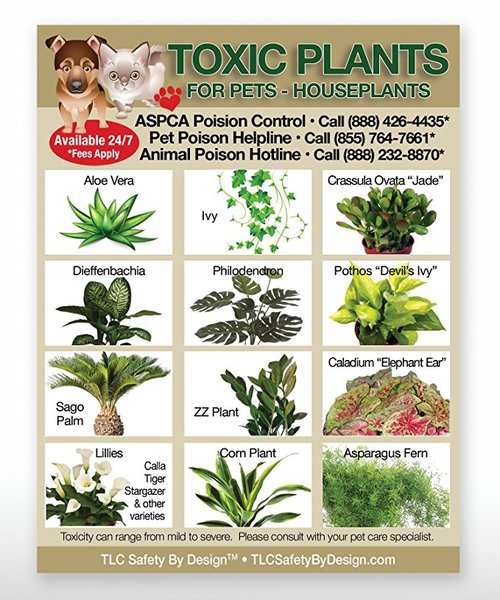
The internet is a treasure trove of information, including databases that list plants toxic to dogs. Websites like the ASPCA’s Animal Poison Control are invaluable for quick checks. Bookmark these sites for easy access. Many online resources also offer photos and descriptions, helping you identify hazardous plants in your garden.
Community Support
Connect with other pet owners through online forums and local community groups. Sharing experiences and tips can be incredibly helpful. Have you ever noticed your dog sniffing around a suspicious plant? Someone in your community might have faced a similar situation and can offer advice. Engaging with others creates a support network, turning what could be a lonely task into a collaborative effort.
Credit: www.crisk.mx
Frequently Asked Questions
Are Common Garden Plants Toxic To Dogs?
Yes, many common garden plants are toxic to dogs. Plants like lilies, azaleas, and daffodils can cause health issues. Symptoms may include vomiting, diarrhea, or even more severe reactions. It’s essential to research plants before adding them to your garden to ensure your dog’s safety.
How Do I Know If A Plant Is Poisonous?
Research each plant you intend to grow. Consult veterinary websites or toxic plant databases for information. Symptoms of poisoning can include vomiting, drooling, or lethargy. If you’re unsure, ask a vet for advice. Always monitor your dog around new plants to prevent accidental ingestion.
What Symptoms Show Plant Poisoning In Dogs?
Symptoms of plant poisoning in dogs can vary. Common signs include vomiting, diarrhea, drooling, and lethargy. Some plants may cause more severe reactions. If you suspect poisoning, contact your vet immediately. Early intervention can prevent serious health issues and ensure your dog’s safety.
Can Dogs Recover From Plant Poisoning?
Yes, dogs can recover from plant poisoning with prompt treatment. Immediate veterinary care is crucial for recovery. The severity of symptoms depends on the plant ingested. Always consult your vet if you suspect poisoning. Prevention is key, so ensure your garden is dog-friendly.
Conclusion
Protecting your dog from poisonous plants is vital. Some garden plants can harm dogs. Keep them away from toxic plants. Research before planting in your garden. Be aware of common poisonous plants. Symptoms of poisoning can vary. Vomiting, diarrhea, or lethargy may occur.
Seek a vet’s help if your dog is ill. Prevention is better than cure. Create a safe garden environment for your pet. Happy gardening and safe playing for your furry friend. Your dog’s health matters. Stay informed and keep your garden dog-friendly.
Enjoy your garden without worry!







