
If you’re a cat owner who loves indoor plants, you might find yourself torn between your passion for greenery and your pet’s safety. Perhaps you’ve considered bringing a dish garden into your home, with its charming variety of plants nestled together in a single container.
But before you do, there’s a crucial question you need answered: Are dish garden plants poisonous to cats? The answer could mean the difference between a safe, thriving home for your feline friend and an unexpected trip to the vet.
We will unravel the mystery surrounding dish garden plants and their potential risks to your curious kitty. With the right knowledge, you can enjoy a lush indoor garden without compromising on your pet’s well-being. Stay with us as we explore which plants to avoid and how to create a harmonious environment for both you and your beloved cat.

Credit: www.epicgardening.com
Common Dish Garden Plants
Dish gardens are a delightful way to bring a touch of nature indoors, combining various plants in a single container. However, if you’re a cat owner, it’s crucial to consider the safety of your feline friends. Some common dish garden plants can be harmful to cats. Understanding which plants are safe and which are not can help you create a beautiful and safe indoor garden.
Popular Choices For Indoor Gardens
Many dish gardens feature a mix of popular plants known for their aesthetic appeal and ease of care. Succulents, such as jade plants and echeverias, are favorite choices due to their low water needs and striking appearance. Ferns and palms are also commonly used, providing lush greenery and a tropical feel.
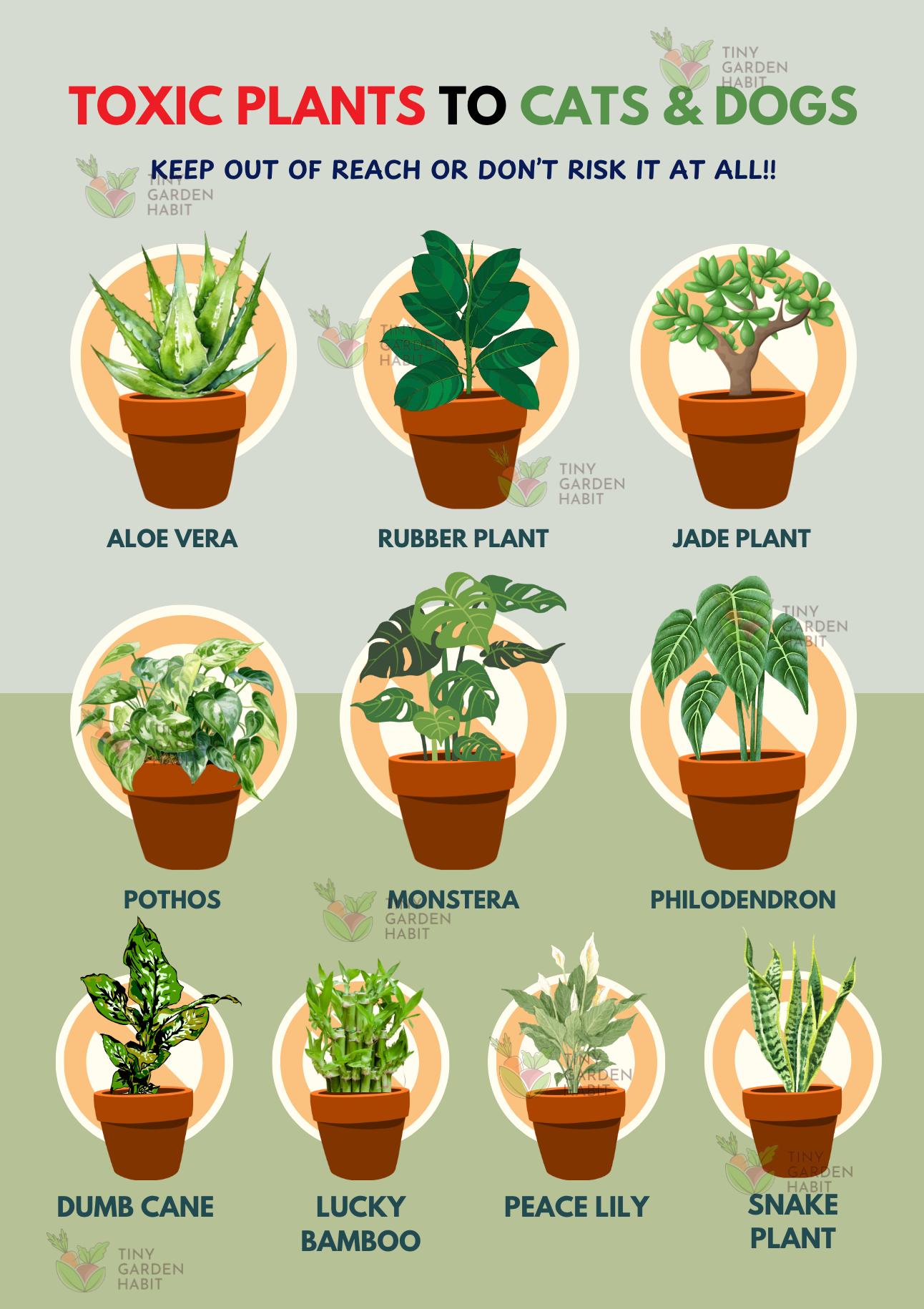
However, some popular plants like peace lilies and pothos are toxic to cats. It’s important to research each plant’s safety if you have curious kitties around. A simple online search can save your cat from unnecessary harm.
Characteristics Of Dish Garden Plants
Dish garden plants are chosen for their ability to thrive in limited soil and light conditions. They often have small root systems, making them perfect for compact containers. This makes them ideal for indoor settings where space is limited.
These plants are usually hardy and resilient, requiring minimal maintenance. This makes them perfect for busy individuals who still want a touch of greenery in their homes. However, always ensure that the plants you choose are non-toxic to your pets.
Have you ever caught your cat nibbling on your houseplants? It’s a common scenario for many pet owners. By selecting non-toxic options, you can prevent potential health issues and keep your feline friends safe.
Creating a dish garden that is both beautiful and safe for cats doesn’t have to be a challenge. With a bit of research and careful selection, you can enjoy the best of both worlds. Your indoor garden can flourish without posing any risk to your beloved pets.
Toxicity In Plants
Having a dish garden in your home can be a delightful way to bring nature indoors. However, if you’re a cat owner, it’s crucial to consider the potential toxicity of the plants within these arrangements. Cats are naturally curious and may nibble on houseplants, leading to health issues if these plants are toxic. Understanding which plants pose a risk is essential for keeping your feline friend safe.
Understanding Plant Toxicity
Plant toxicity varies widely, and not all plants pose the same threat to cats. Some common dish garden plants contain compounds that can cause mild irritation, while others may lead to severe health complications. It’s important to know the specific plants in your dish garden and research their effects on cats. For instance, lilies, commonly found in dish gardens, are highly toxic to cats and can cause kidney failure.
Consider creating a list of safe plants to include in your dish garden. Choose non-toxic varieties like spider plants, which are not harmful to cats and can add vibrant greenery to your home. By doing so, you provide a safe environment for your curious companion.
Symptoms Of Plant Poisoning In Cats
Recognizing symptoms of plant poisoning in cats is crucial for prompt treatment. Early signs can include vomiting, diarrhea, drooling, or difficulty breathing. If your cat exhibits any of these symptoms after interacting with plants, contact your veterinarian immediately.
More severe symptoms may involve lethargy, loss of appetite, or even seizures. Familiarize yourself with these signs and observe your cat closely if you suspect ingestion of a toxic plant. Quick action can mean the difference between a minor scare and a serious health issue.
Are you aware of the plants in your dish garden? Ensuring a safe environment is not just about aesthetics; it’s about your pet’s well-being. Would you consider swapping potentially harmful plants for cat-friendly options?
Plants Harmful To Cats
Plants can enhance the beauty of your home. But some can be harmful to cats. Dish gardens often include a mix of plants. It’s crucial to know which ones are toxic to your feline friends.
Identifying Toxic Plants
Identifying toxic plants is key to keeping cats safe. Look for signs such as milky sap or bright berries. Plants with pointed leaves or a bitter smell might also be harmful. Always research plant species before adding them to your dish garden.
Common Toxic Plants In Dish Gardens
Many common plants can harm cats. Here are a few to watch out for:
- Lilies:All types are highly toxic to cats.
- Aloe Vera:Useful for humans, but dangerous for cats.
- Dieffenbachia:Also known as dumb cane, it can cause oral irritation.
- Jade Plant:A popular succulent that can be harmful if ingested.
Ensure these plants are out of reach or avoid them altogether. Always prioritize your cat’s safety when selecting plants. Keep emergency vet contacts handy if your cat ingests any plant.
Safe Plants For Cats
Creating a safe environment for your cat is essential. Many common dish garden plants can be toxic to cats. Knowing which plants are safe can prevent potential harm. This section explores non-toxic alternatives, ensuring your feline friend stays healthy.
Non-toxic Alternatives
Consider these non-toxic plants for your dish garden:
- Spider Plant:Known for its air-purifying qualities. Safe for cats.
- Boston Fern:Adds lush greenery. Non-toxic and safe for cats.
- Bamboo Palm:Offers tropical vibes. Completely safe for cats.
- Areca Palm:Known for its feathery fronds. Non-toxic to cats.
These plants add beauty without risking your cat’s health.
Choosing Cat-friendly Plants
Pick plants that align with your cat’s safety. Avoid plants that could harm your pet. Choose those known to be non-toxic.
Research before buying new plants. Ensure they are safe for your home and pets. Safety should be your top priority.
Consult with experts or refer to reliable sources. Make informed decisions that protect your cat’s well-being.
Preventing Poisoning
Certain dish garden plants can be harmful to cats. Common plants like lilies and philodendrons may cause health issues. Keep these plants out of reach to ensure your pet’s safety.
Preventing Poisoning Cats are curious creatures, often exploring their surroundings with their noses and paws. This playful curiosity can lead them to dish garden plants that might be harmful. As a responsible cat owner, you need to ensure the safety of your furry friend. If you’re wondering how you can keep your cat safe from potentially poisonous plants, read on for some simple yet effective strategies.Safety Measures For Cat Owners
Start by identifying plants that are toxic to cats. Popular houseplants like lilies, azaleas, and philodendrons can be harmful if ingested. Create a list of these plants and avoid adding them to your dish garden. You might find it helpful to keep this list on your phone for quick reference when shopping for new plants. Consider placing your dish garden out of reach. High shelves or hanging planters can keep curious cats at bay. You can also use deterrents, such as citrus sprays, which are unpleasant for cats but harmless otherwise.Creating A Safe Environment
Think about your home layout. Are there areas where your cat tends to roam freely? These should be plant-free zones. Consider creating a designated play area that is far from your dish garden. Fill this space with toys and scratching posts to keep your cat engaged and away from plants. Regularly check for fallen leaves or petals, which can attract cats. Promptly cleaning these up will reduce the risk of ingestion. Engage your cat with interactive playtime. A busy cat is less likely to explore your dish garden out of boredom. Remember, prevention is better than cure. Taking these proactive steps can help protect your beloved pet from potential harm. What measures will you take to ensure your cat’s safety?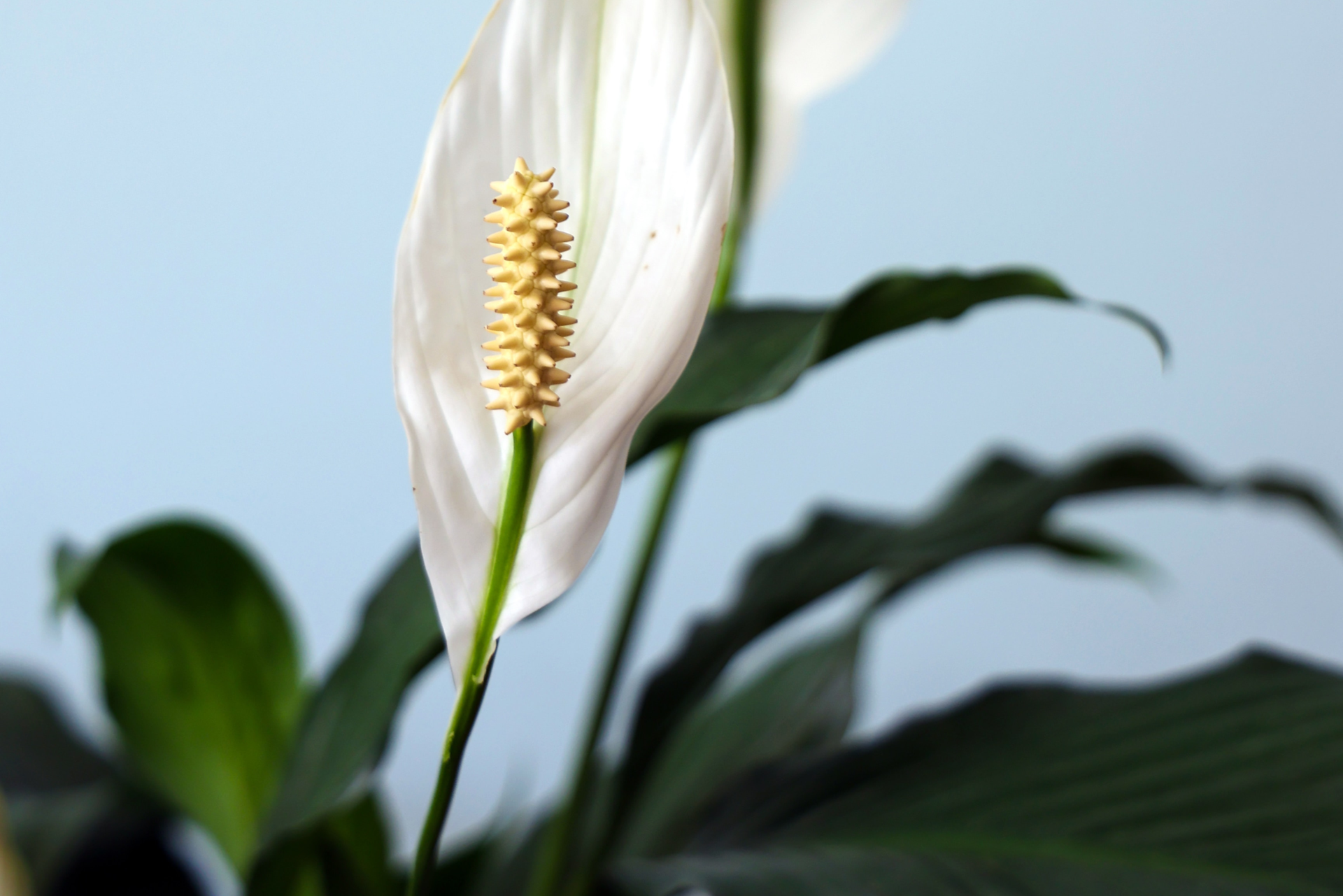
Credit: dengarden.com
Emergency Response
In a moment of distress, knowing how to respond to a cat’s poisoning is crucial. Dish garden plants can pose a threat to curious cats. Quick action may prevent serious harm. This section guides you through emergency steps. Recognize symptoms early and act promptly to safeguard your feline friend.
Recognizing Symptoms Early
Watch for sudden changes in behavior. Cats may drool excessively or vomit. They might show signs of lethargy or difficulty breathing. These symptoms can indicate poisoning. Early detection is key to effective treatment.
Steps To Take If Poisoning Occurs
- Remove the plant from the cat’s reach immediately.
- Check your cat’s mouth for plant remnants.
- Contact your veterinarian without delay.
- Keep your cat calm and comfortable.
- Follow your vet’s instructions carefully.
Keep emergency contacts handy. A swift response can save your cat’s life. Stay vigilant and informed about potentially harmful plants.
Expert Advice
Expert advice can be a guiding light when you’re navigating the world of dish garden plants and their potential risks to your feline friends. Cats are curious creatures, and it’s essential to ensure your home environment is safe for them. Whether you’re a seasoned plant enthusiast or just starting your green journey, knowing which plants are safe is crucial. Let’s explore some expert insights that will help you make informed decisions.
Consulting Veterinarians
Veterinarians are invaluable resources when it comes to understanding which plants are harmful to cats. They can offer personalized advice based on your cat’s health and habits. Have you ever considered asking your vet during your next visit about the plants you have at home? It’s a simple step that could prevent potential health issues.
Discussing your cat’s behavior, such as their tendency to chew on plants, can also help the vet tailor their advice. They might even suggest safe alternatives that can coexist with your dish garden. A quick chat with your vet can save you from future worries.
Resources For Further Information
There’s no shortage of resources available to learn more about plant toxicity. Websites like the ASPCA have comprehensive lists of toxic and non-toxic plants for cats. These lists are regularly updated to reflect new findings.
Online forums and plant enthusiast groups can also provide real-life experiences and advice on managing dish gardens. Engaging with communities can offer unique insights and practical tips. Have you ever joined an online plant care group to share experiences? It might be worth considering.
Credit: www.facebook.com
Frequently Asked Questions
Are Dish Garden Plants Harmful To Cats?
Dish garden plants can be harmful to cats if they contain toxic varieties. Common houseplants like lilies, poinsettias, and philodendrons can be dangerous. It’s essential to identify each plant and ensure they’re safe for your pets. Always consult a vet if you’re unsure about a plant’s toxicity.
What Symptoms Do Poisoned Cats Show?
Cats poisoned by plants may show symptoms like vomiting, drooling, or difficulty breathing. Other signs include lethargy and loss of appetite. Immediate veterinary attention is crucial to prevent severe complications. Early detection can make a significant difference in recovery. Always monitor your cat’s health if they access new plants.
How To Make Dish Gardens Cat-safe?
To make dish gardens cat-safe, choose non-toxic plants like spider plants, bamboo, or ferns. Ensure that plants are out of reach or use deterrents. Regularly inspect your garden for any signs of nibbling. Consulting a vet for advice can help maintain a safe environment for your feline friends.
Can I Train Cats To Avoid Plants?
Yes, you can train cats to avoid plants using positive reinforcement and deterrents. Provide alternative activities or toys to distract them. Citrus sprays or aluminum foil can keep them away. Consistency and patience are key for successful training. Understanding your cat’s behavior can aid in prevention.
Conclusion
Cats are curious creatures. Dish garden plants can attract them. Some plants pose risks. Keep an eye on your feline friend. Research plant toxicity before buying. Choose cat-friendly plants wisely. Peace lilies and azaleas are harmful. Spider plants are safer options.
Educate yourself on safe plant choices. Your cat’s health depends on it. Protect your furry companion from harm. Make informed decisions about your home garden. Enjoy greenery without worry. Create a safe environment for your pet. Your cat deserves a healthy space to explore.
Happy gardening and happy cats!







