Imagine spending a sunny afternoon in your garden, watching your dog play among your beautiful plants. It’s a picture-perfect moment until you realize that some of those lovely greens might be toxic to your furry friend.
You adore your dog and your garden, so it’s crucial to know which plants could be harmful. Curious if your garden is a safe haven or a hidden threat? We’ll uncover the surprising truth about which common garden plants can be poisonous to dogs.
Protecting your pet doesn’t mean sacrificing your green oasis. Read on to discover how to keep both your garden and your dog thriving in harmony.

Credit: www.facebook.com
Common Poisonous Garden Plants
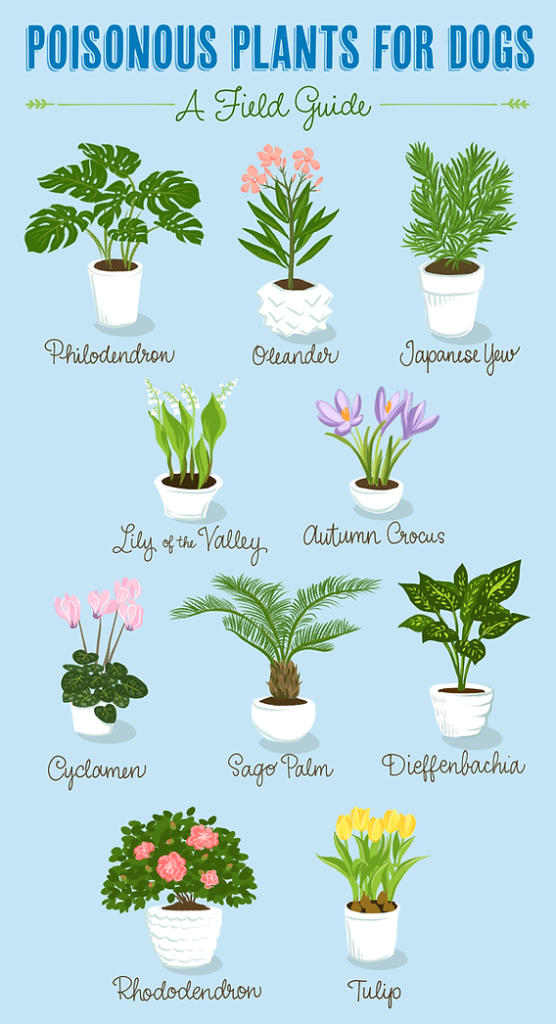
Many garden plants can be harmful to dogs. Plants like lilies, azaleas, and foxgloves pose serious risks. Keep your garden pet-safe by choosing non-toxic varieties.
Gardening is a wonderful hobby that allows you to create a beautiful outdoor space. However, it’s crucial to be aware that some garden plants can be harmful to your furry friends. If you have a dog, knowing which plants are poisonous can help you keep your pet safe. Let’s explore some common garden plants that might pose a risk to your dog’s health.Lilies And Their Effects
Lilies are stunning and often a favorite in many gardens due to their vibrant colors. However, they can be highly toxic to dogs, causing symptoms like vomiting, lethargy, and loss of appetite. While cats are more susceptible, it’s best to avoid planting lilies in areas accessible to dogs.Azaleas And Rhododendrons
Azaleas and rhododendrons add a pop of color to any garden, but they carry a hidden danger. Ingesting even a small amount can lead to serious health issues for dogs, such as drooling, vomiting, diarrhea, and even heart problems. If you love these plants, consider fencing them off or placing them in areas your dog cannot reach.Tulips And Hyacinths
Tulips and hyacinths are popular spring flowers that bring joy after a long winter. However, their bulbs contain compounds that can be harmful to dogs. Symptoms of ingestion include drooling, nausea, and irritation of the mouth and throat. Plant these bulbs in areas where your dog doesn’t usually roam, or opt for safer alternatives. By being mindful of what you plant in your garden, you can create a safe environment for your dog to enjoy. Which of these plants surprised you with their toxicity? Being informed is the first step to ensuring your pet’s safety and well-being.
Credit: www.facebook.com
Symptoms Of Plant Poisoning
Dogs have a knack for exploring every nook and cranny of your garden. While their curiosity is adorable, it can sometimes lead to trouble if they encounter toxic plants. Recognizing the symptoms of plant poisoning can be crucial in ensuring your furry friend’s health and safety.
Gastrointestinal Signs
If your dog ingests a toxic plant, the first signs often appear in their digestive system. You might notice vomiting or diarrhea. A sudden loss of appetite could also be a red flag.
Keep an eye out for excessive drooling, as it can indicate nausea or irritation in the mouth. If these symptoms persist, it’s essential to consult your vet promptly. Early intervention can prevent further complications.
Neurological Symptoms
Some poisonous plants can affect your dog’s nervous system. Symptoms such as tremors, seizures, or unsteady walking might occur. Your dog could also appear unusually lethargic or disoriented.
These signs are particularly alarming and require immediate veterinary attention. Quick action can be life-saving, ensuring your pet receives the necessary care and treatment.
Dermal Reactions
Not all plant poisonings are ingested; some can cause skin irritations. If your dog brushes against or chews on a toxic plant, you might notice redness, swelling, or rashes.
Your dog may scratch or lick the affected area excessively, leading to further irritation. A gentle rinse with water can help, but reaching out to your vet will ensure your dog gets the right treatment.
Have you noticed any of these symptoms in your dog? Consider evaluating your garden for potential hazards. It could be the key to keeping your four-legged friend safe and healthy.
Preventing Plant Poisoning
Many common garden plants can be toxic to dogs. Plants like lilies, azaleas, and daffodils pose risks. Keeping dogs away from these can prevent poisoning.
Preventing Plant Poisoning Dogs are curious creatures, often exploring the world through their noses and mouths. This curiosity can sometimes lead them to nibble on garden plants, not all of which are safe. Understanding which plants can be harmful and taking proactive steps can help protect your furry friend.Safe Plant Alternatives
When planning your garden, consider choosing dog-friendly plants that are non-toxic.- Herbs: Basil, parsley, and thyme are not only safe but also beneficial for digestion.
- Flowers: Opt for roses and sunflowers, which add beauty without posing a risk.
- Vegetables: Carrots and zucchini are safe and can even be a healthy snack for your dog.
Training And Supervision Tips
Training plays a crucial role in preventing plant poisoning. Teach your dog simple commands like “leave it” or “no” to deter them from chewing on plants. Supervision is equally important. Keep an eye on your dog while they’re in the garden, especially if they’re prone to exploring unfamiliar territories. Consider creating a designated play area to limit access to potentially harmful plants. This can be a fun and safe space where your dog can enjoy the outdoors without any risks. By choosing safe plant alternatives and training your dog, you can create a garden that’s both beautiful and safe. Isn’t it time to make your garden a secure paradise for your pup?Immediate Actions If Poisoning Occurs
Some garden plants can be harmful to dogs. Identify the plant your dog ate if possible. Contact a vet immediately for advice and avoid inducing vomiting unless instructed.
When you discover your beloved dog has ingested a potentially poisonous plant from your garden, panic can set in quickly. It’s crucial to act swiftly and calmly to ensure the best outcome for your furry friend. Knowing the immediate steps to take can make a significant difference. Let’s break down the essential actions you should consider when faced with this daunting situation.Identifying The Plant
First things first, pinpoint the culprit. Take a close look at the plant your dog might have eaten. If you’re uncertain about its identity, snap a clear photo. This can help you or your vet identify the plant and assess its toxicity level. Consider labeling plants in your garden as a preventive measure, so you can easily reference them in emergencies.First Aid Steps
Administering first aid can be crucial. Begin by removing any remaining plant material from your dog’s mouth. Rinse your dog’s mouth with water if the plant is known to cause irritation. Avoid inducing vomiting unless instructed by a professional, as it can sometimes worsen the situation. Keep your dog calm and comfortable, minimizing activity to prevent the spread of toxins.When To Seek Veterinary Help
How do you know if your dog needs immediate professional attention? Observe for symptoms like excessive drooling, vomiting, diarrhea, or lethargy. If your dog exhibits any of these signs, contact your vet without delay. Even if symptoms aren’t apparent, it’s wise to consult your vet for advice. Time is of the essence, and early intervention can be lifesaving. Have you ever faced a similar situation? Share your stories and tips in the comments to help fellow dog owners navigate these challenging moments.Long-term Health Considerations
Certain garden plants can be harmful to dogs. Plants like lilies, tulips, and azaleas may cause health issues. It’s vital to identify and remove these plants to keep pets safe.
Long-term health considerations are crucial for dogs exposed to toxic plants. Poisonous plants can cause lingering health problems. Some issues may appear long after initial exposure. Owners should be aware of these potential long-term effects. Recognizing and preventing these complications can improve your dog’s quality of life.Potential Complications
Different plants pose various health risks to dogs. Some may cause digestive issues. Others might affect the nervous system. Chronic exposure can lead to organ damage. Liver and kidney problems are common concerns. Heart problems might also arise. It’s essential to identify the plant involved. This helps determine potential complications. Early intervention can prevent serious health issues. Consult a vet if you suspect poisoning.Monitoring Recovery
After exposure, monitor your dog closely. Watch for unusual behavior changes. Appetite loss can signal a problem. Vomiting or diarrhea may also occur. Keep track of any symptoms. Report these to your vet. Regular check-ups can aid recovery. Blood tests might be necessary. They help track organ function. Your vet may suggest dietary changes. Special diets can support healing. Recovery may take time. Patience and care are key.Creating A Dog-friendly Garden
Creating a Dog-Friendly Garden Many common garden plants can be toxic to dogs. Keep your furry friend safe by researching plant choices. Remove or avoid planting azaleas, lilies, and daffodils, which are harmful to pets.
Creating a dog-friendly garden involves more than just choosing safe plants. It requires thoughtful design and effective strategies to ensure your furry friend can explore without harm. Many common garden plants can be toxic to dogs, so creating a safe environment is essential. Here are some tips to help you design a garden that keeps your pet safe and happy.Designing Safe Spaces
Designing a safe garden space for your dog involves strategic planning. Start by identifying areas where your dog loves to roam and play. Use these spaces to create dedicated dog zones in your garden. Consider installing non-toxic grass and pet-safe mulch to prevent any ingestion of harmful materials. Keep your dog’s size and energy level in mind. Larger dogs might need more space to run, while smaller dogs may prefer cozy corners. Make sure to provide shade, as dogs need protection from the sun. Adding a water feature or a simple water bowl ensures your dog stays hydrated.Using Natural Barriers
Natural barriers can effectively keep your dog away from harmful plants. Use hedges or shrubs to create boundaries between different sections of your garden. Choose non-toxic plants like rosemary or lavender for these barriers. You can also use raised beds to separate plants from curious noses. Raised beds not only protect plants but also discourage digging. Consider using decorative rocks or logs to edge flower beds. These act as both barriers and aesthetic elements. Ensure pathways are clear and lead away from toxic plants. Regularly check your garden for new plant growth and remove any potentially harmful plants. This keeps your garden safe and enjoyable for your dog.
Credit: www.facebook.com
Frequently Asked Questions
What Garden Plants Are Toxic To Dogs?
Many garden plants can be harmful to dogs. Common toxic plants include azaleas, lilies, and sago palms. If ingested, these plants may cause symptoms like vomiting, diarrhea, or even organ failure. Always check the toxicity of plants before adding them to your garden.
Can Dogs Be Poisoned By Common Flowers?
Yes, many common flowers can poison dogs. Daffodils, tulips, and chrysanthemums are toxic to them. Ingesting these may lead to symptoms like drooling, stomach upset, or lethargy. It’s crucial to ensure your garden is safe for your furry friends.
How Do I Protect My Dog From Toxic Plants?
To protect your dog, identify and remove toxic plants from your garden. Use fencing or barriers to restrict access to harmful plants. Educate yourself about plant toxicity and always supervise your dog in the garden. Regular checks will ensure a safe environment.
What Symptoms Show Plant Poisoning In Dogs?
Symptoms of plant poisoning in dogs include vomiting, diarrhea, drooling, and lethargy. More severe signs might involve seizures or difficulty breathing. If you suspect poisoning, contact a veterinarian immediately. Early intervention can be crucial in preventing serious health issues.
Conclusion
Protecting your dog from harmful plants is crucial. Some garden plants can be toxic. Always check before planting new additions. Research the plants you already have. Remove any that pose risks to your dog. Consider safe alternatives that beautify your garden.
Keep your furry friend safe and healthy. Consult your vet for advice on specific plants. A little effort can prevent many health issues. Your dog’s safety is worth the time and care. A dog-friendly garden is a happy place for everyone.
Prioritize your pet’s well-being in every gardening decision.







