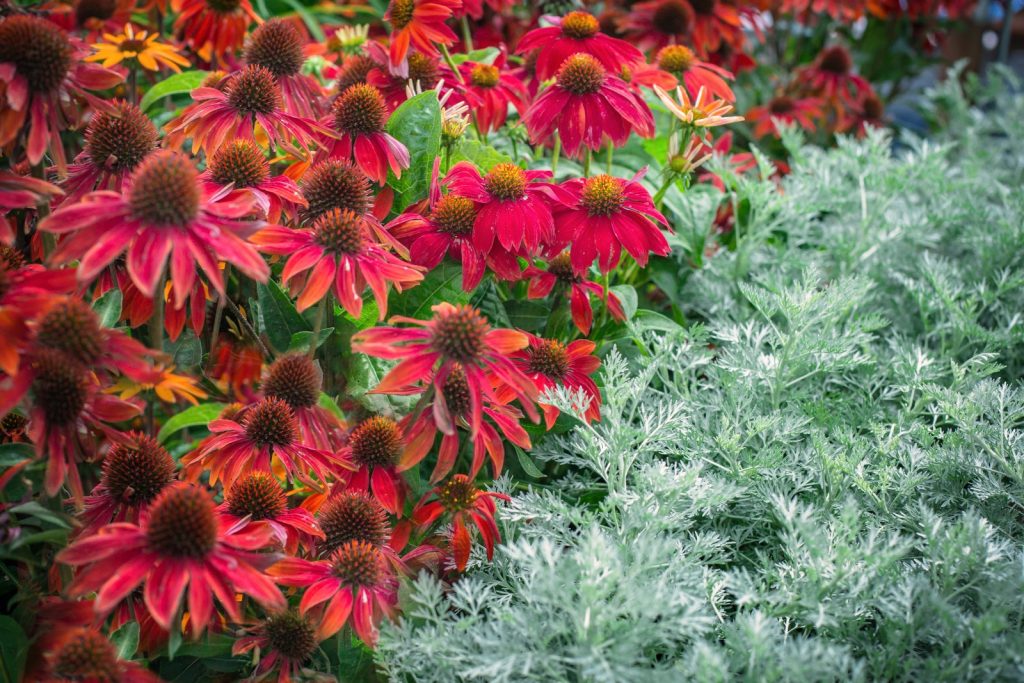
Imagine stepping into your garden, a sanctuary of vibrant colors and mesmerizing scents. You might find yourself wondering, “What are the best plants to cultivate?”
This article will guide you through an alphabetical list of garden plants, each offering unique benefits and beauty. Whether you’re a seasoned gardener or a curious beginner, you’ll discover insights that can transform your outdoor space into a thriving paradise.
As you explore the A-Z of garden plants, you’ll uncover secrets to maximize your garden’s potential, ensuring every nook and cranny bursts with life and color. Stay with us as we delve into this botanical treasure trove, and watch your gardening dreams bloom into reality.
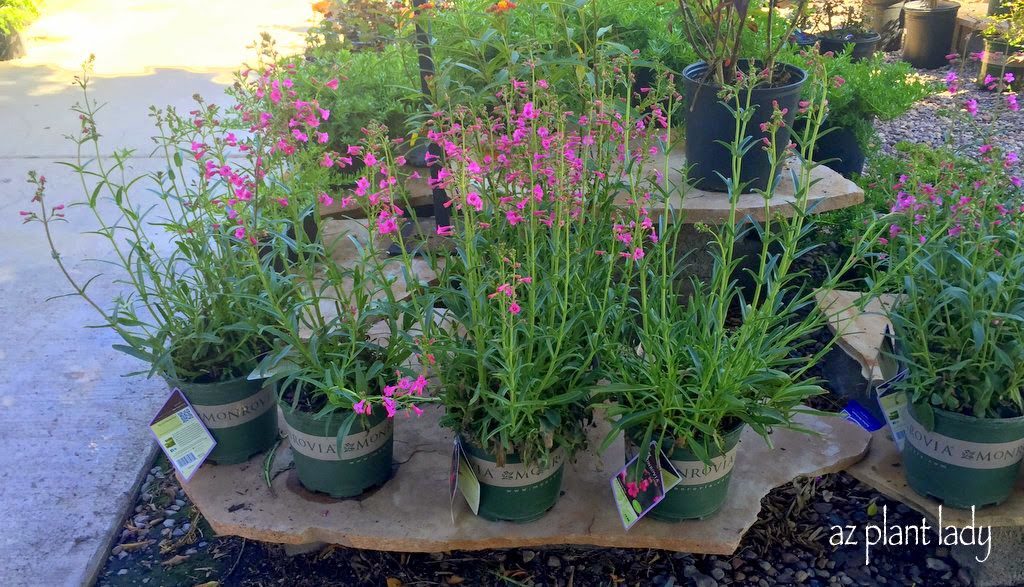
Credit: www.azplantlady.com
Choosing The Right Plants
Selecting the ideal garden plants can enhance your space’s beauty and harmony. Consider climate, soil type, and sunlight. Explore diverse options from A-Z to find plants that thrive in your garden’s conditions.
Choosing the right plants for your garden can be a delightful journey. It’s essential to consider various factors to ensure your plants thrive. Each plant has unique needs, and understanding these can lead to a flourishing garden. Whether you’re a novice gardener or seasoned enthusiast, selecting the right plants is crucial for success.Assessing Climate And Soil
Begin by evaluating your local climate. Some plants prefer warmer temperatures, while others thrive in cooler regions. Check the hardiness zone of your area. This helps in choosing plants that can withstand local weather. Soil type also plays a vital role. Is your soil sandy, loamy, or clayey? Each type affects water retention and nutrient availability. Test your soil to understand its pH level. This determines which plants will grow best.Identifying Sunlight Needs
Sunlight is a critical factor for plant growth. Determine how much sunlight your garden receives daily. Some plants need full sun, around six to eight hours. Others may do well in partial shade or full shade. Observe the garden throughout the day. Note areas with the most sun and those with shade. This information helps in placing plants in suitable spots.Selecting Native Species
Native species are excellent choices for any garden. They adapt well to local conditions and require less maintenance. These plants support local wildlife, including pollinators like bees and butterflies. Research native plants in your region. Consider their water and soil needs. They often prove more resilient to local pests and diseases. This choice enhances the ecological balance of your garden.Planting Techniques
Choosing the right planting techniques boosts garden success with A-Z plants. Prepare soil well to ensure nutrients reach roots. Use spacing guides for each plant type to optimize growth.
Planting techniques are vital for a thriving garden. They ensure plants grow strong and healthy. With the right methods, you can maximize your garden’s potential. Let’s dive into key aspects of planting techniques for A-Z garden plants.Preparing The Soil
Healthy soil is the foundation of a successful garden. First, remove weeds and debris from the area. Use a garden fork or tiller to loosen the soil. This helps roots grow deeper. Mix in organic matter like compost or manure. This enriches the soil with nutrients. Check the soil’s pH level. Most plants prefer a pH between 6.0 and 7.0. Adjust it if necessary.Planting Season Tips
Different plants thrive in different seasons. Know your plant’s ideal growing season. Some prefer spring, while others do well in fall. Check your region’s last frost date. Plant after this date for safety. Cooler months are great for root development. Use a garden calendar to track planting dates. This helps plan your garden efficiently.Spacing And Depth Guidelines
Correct spacing prevents overcrowding. Give each plant enough room to grow. Check seed packets for spacing details. Larger plants need more space. Planting depth is crucial too. Follow guidelines on seed packets. Bury seeds at the right depth for optimal growth. Too deep can hinder sprouting. Too shallow may cause drying out.Watering And Irrigation
Watering and irrigation are essential for keeping garden plants healthy from A-Z. Different plants have unique needs, so understanding each type ensures optimal growth. Regular checks and adjustments can prevent overwatering or drought stress.
Watering and irrigation play crucial roles in maintaining a healthy garden. Plants require different amounts of water to thrive. Understanding how much each plant needs can ensure vibrant growth. Proper irrigation methods can conserve water and keep your garden flourishing. Drought-resistant varieties can survive with minimal watering. Explore these techniques and strategies to nurture your garden.Establishing A Watering Schedule
Create a consistent watering schedule for your plants. Observe how much water each species needs. Some plants prefer daily watering. Others may thrive with less frequent watering. Check soil moisture regularly. This prevents overwatering and root rot. Adjust the schedule based on weather conditions. Rainy days may require less watering.Efficient Irrigation Methods
Use efficient irrigation systems to save water and time. Drip irrigation targets specific areas, reducing water waste. Soaker hoses distribute water slowly and evenly. Timers can automate watering schedules, ensuring consistency. Mulching helps retain soil moisture. It also reduces evaporation. Choose the right system for your garden size and layout.Drought-resistant Varieties
Select drought-resistant plants to minimize water usage. Succulents store water in their leaves. Lavender thrives in dry soil conditions. Sage and thyme are hardy and require less water. Consider native plants adapted to local climates. They often need less irrigation. Research plant varieties suitable for your region. This ensures a low-maintenance garden.Fertilizing For Growth
Fertilizing for Growth focuses on nurturing A-Z garden plants for optimal development. Proper nutrients ensure vibrant blooms and healthy leaves. Regular feeding boosts plant vigor and resilience.
Fertilizing for growth is vital for a thriving garden. Plants need nutrients to grow strong and healthy. Fertilizers provide these essential nutrients. Choosing the right fertilizer can enhance plant growth.Organic Vs. Synthetic Options
Organic fertilizers come from natural sources. They improve soil health and structure. Examples include compost, manure, and bone meal. Synthetic fertilizers are man-made. They provide nutrients quickly. Examples are granular or liquid fertilizers. Consider your garden’s needs when choosing.Timing And Frequency
Proper timing boosts plant growth. Early spring is ideal for many plants. Summer plants may need mid-season feeding. Frequency depends on plant type. Some need feeding every few weeks. Others thrive with seasonal fertilizing.Signs Of Nutrient Deficiency
Nutrient deficiencies affect plant health. Yellow leaves suggest nitrogen lack. Purple leaves may mean phosphorus deficiency. Stunted growth can indicate nutrient shortages. Recognize these signs to act quickly. Regular fertilizing helps prevent these issues.Pruning And Maintenance
Proper pruning ensures healthy growth for garden plants. Regular maintenance keeps them vibrant and disease-free. Tidy plants thrive and blossom beautifully.
Pruning and maintaining garden plants ensures they stay healthy and vibrant. A well-maintained garden will flourish, providing beauty and a sense of tranquility. Regular care prevents overgrowth, allowing sunlight and air to reach all parts. This section will guide you on effective pruning and maintenance techniques.Tools For Pruning
Having the right tools makes pruning easier. Essential tools include:- Pruning shears for small branches
- Loppers for thicker branches
- Pruning saws for large limbs
- Hedge shears for shaping bushes
- Gloves for hand protection
Seasonal Maintenance Tasks
Different seasons demand specific tasks. In spring, remove dead branches. Summer requires trimming to control growth. Autumn is for preparing plants for winter. Winter involves protecting plants from harsh weather. Each season has tasks that promote plant health.Pest And Disease Management
Pests and diseases can harm your plants. Inspect plants regularly for signs of trouble. Remove affected leaves or stems immediately. Use natural pesticides to protect beneficial insects. Ensure proper spacing to improve air circulation. Healthy plants resist pests and diseases better.Designing A Garden Layout
Explore garden layout by selecting plants from A-Z to create a vibrant and diverse garden. Consider plant height, color, and blooming seasons for a stunning display. Mix herbs, flowers, and shrubs for an inviting outdoor space.
Designing a garden layout can be exciting and fulfilling. A well-planned garden brings joy and beauty to any space. It requires creativity and an understanding of plant needs. Consider the garden’s size, light conditions, and soil type. These factors guide your plant choices and layout design. Let’s explore how to create a stunning garden with a thoughtful layout.Creating Visual Harmony
Visual harmony in a garden is key to a pleasing design. Choose plants with complementary colors and shapes. Mix tall and short plants for a balanced look. Use repetition of certain plants or colors. This creates a unified appearance. Pathways can guide the eye and enhance flow. Think about the overall view from various angles.Incorporating Edible Plants
Edible plants add purpose and beauty to gardens. They provide fresh produce and vibrant colors. Plant herbs like basil and rosemary for fragrance and taste. Berry bushes offer sweet treats and visual interest. Mix vegetables with flowers for a diverse look. Ensure edible plants have enough sunlight and good soil.Utilizing Vertical Space
Vertical gardening maximizes limited space. Use trellises and vertical planters for climbing plants. Grow beans, peas, or cucumbers upwards. Hang baskets with trailing flowers for a lush effect. Vertical elements draw the eye upward, creating depth. They also make maintenance easier and save ground space.Popular Plant Varieties
Gardening offers a wide range of plant varieties. Each type brings unique beauty and benefits to your garden. Explore the diverse world of plants and find the perfect ones for your space.
Annuals And Perennials
Annual plants complete their life cycle in one year. They add vibrant colors to gardens. Marigolds, petunias, and zinnias are popular choices. These plants bloom beautifully but need replanting every year.
Perennials return year after year. They offer lasting beauty with less effort. Hostas, daylilies, and peonies are top picks. These plants establish strong roots and bloom again each season.
Shrubs And Trees
Shrubs provide structure and texture. They fill garden spaces with greenery. Boxwood, hydrangeas, and azaleas are favorites. They offer privacy and vibrant blooms.
Trees add height and shade. They anchor your garden design. Oak, maple, and cherry trees are common choices. They create a serene environment with their lush canopies.
Vines And Ground Covers
Vines climb walls and fences. They add vertical interest to gardens. Clematis, wisteria, and ivy are popular. These plants create lush, cascading displays.
Ground covers fill gaps and prevent weeds. They spread quickly and require little maintenance. Creeping thyme, sedum, and vinca are top choices. They create a carpet of color and texture.
Credit: wattersgardencenter.com
Sustainable Gardening Practices
A-Z Garden Plants offers a wide range of options for sustainable gardening. Choose native plants to conserve water and support local wildlife. Opt for organic fertilizers and practice crop rotation for healthier soil and plants.
Sustainable gardening practices are more than just a trend; they are essential for nurturing our planet while enjoying the beauty of nature. By adopting eco-friendly techniques, you can create a garden that thrives without harming the environment. Let’s explore some practical and actionable ways to make your garden both beautiful and sustainable.Composting And Recycling
Turning kitchen scraps and garden waste into nutrient-rich compost is a great way to enrich your soil naturally. Start by setting up a compost bin in a shaded corner of your garden. Add a mix of green materials like vegetable peels and brown materials such as dried leaves. By recycling garden waste, you reduce landfill contribution and improve your garden’s health. Remember to keep the compost moist and turn it regularly to speed up the process. Have you ever tried using compost tea as a liquid fertilizer? It’s an excellent way to give your plants a nutrient boost.Water Conservation Techniques
Water is a precious resource, and conserving it in your garden is vital. Consider installing a rain barrel to collect and store rainwater for your plants. Drip irrigation systems can also be an efficient way to water your garden directly at the roots, minimizing evaporation. Mulching is another effective technique that helps retain soil moisture and suppress weeds. Choose native plants that are adapted to your local climate, reducing the need for extra watering. Are you using water wisely in your garden?Wildlife-friendly Habitats
Creating a garden that welcomes wildlife can enhance biodiversity and balance in your ecosystem. Plant native flowers and shrubs that provide food and shelter for birds, bees, and butterflies. Avoid using pesticides, as they can harm beneficial insects and disrupt the natural balance. Consider building a small pond or birdbath to attract various species. Even a pile of rocks or logs can become a habitat for small creatures. How can you make your garden a haven for wildlife?
Credit: joradahl.de
Frequently Asked Questions
What Are Some Easy Garden Plants For Beginners?
Beginners should consider plants like marigolds, sunflowers, and pansies. These plants are easy to grow and maintain. They thrive in various conditions and require minimal care. Their vibrant colors add beauty to any garden. These choices provide a rewarding gardening experience for newcomers.
How To Choose The Right Garden Plants?
Selecting the right garden plants depends on climate, soil, and sunlight. Consider your area’s weather and soil type. Choose plants that match your garden’s sunlight exposure. Research plant care requirements to ensure compatibility. Understanding these factors helps in making informed decisions for a thriving garden.
What Are The Benefits Of Native Garden Plants?
Native plants are adapted to local conditions, requiring less water and maintenance. They support local wildlife, providing food and habitat. These plants are often more resistant to pests and diseases. Using native plants promotes biodiversity and enhances the ecosystem. They are a sustainable choice for environmentally-friendly gardens.
How Do I Care For Indoor Garden Plants?
Indoor plants need proper lighting, watering, and humidity. Ensure they receive adequate sunlight or use grow lights. Water them when the topsoil is dry. Maintain humidity levels with a humidifier or misting. Regularly clean leaves to prevent dust buildup. Monitor for pests and address issues promptly.
Conclusion
Exploring garden plants from A to Z offers endless possibilities. Each plant brings unique beauty and benefits. Whether you’re a seasoned gardener or a beginner, there’s something for everyone. These plants can transform any space into a green oasis. Remember to consider your climate and soil conditions.
Choose plants that thrive in your environment. Enjoy the process of planting and watching them grow. Gardening provides relaxation and joy. It’s a rewarding hobby that connects us with nature. Start small, learn, and expand your collection over time. Happy gardening!







