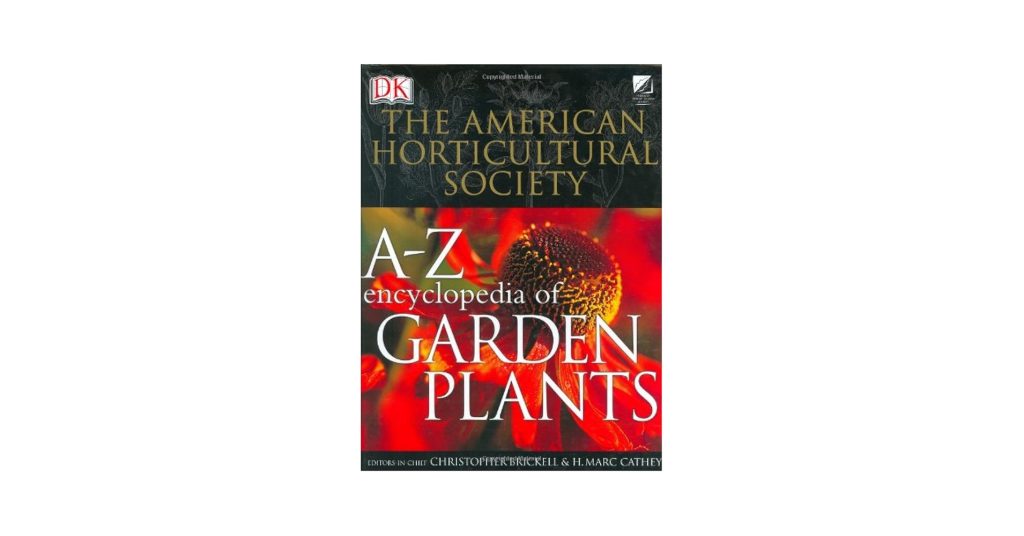
Are you ready to transform your garden into a vibrant paradise? Imagine having a treasure trove of knowledge at your fingertips, guiding you through every plant choice and gardening decision.
Welcome to your A to Z Encyclopedia of Garden Plants, the ultimate resource designed to elevate your gardening experience. Whether you’re a seasoned green thumb or a budding enthusiast, this comprehensive guide promises to unlock the secrets of nature’s beauty.
Dive into a world where every plant has a story, and every page is a step closer to your dream garden. With this encyclopedia, you’ll discover the perfect plants tailored to your garden’s unique environment, ensuring it thrives all year round. Don’t miss out on the opportunity to cultivate a garden that not only flourishes but also brings endless joy and satisfaction. Keep reading to unveil the wonders that await you!

Credit: www.amazon.co.uk
Plant Categories
Explore the A to Z Encyclopedia of Garden Plants. Discover diverse plant categories, each with unique characteristics. Perfect for gardening enthusiasts seeking knowledge on a wide range of plants.
Plant enthusiasts often explore different plant categories for their gardens. Each category offers unique beauty and characteristics. Discovering the right category can enhance any garden. From vibrant blooms to towering trees, options abound. Let’s dive into the categories of garden plants.Annuals And Biennials
Annuals complete their life cycle in one season. They are perfect for adding quick color. Popular choices include marigolds and sunflowers. Biennials, on the other hand, take two years to bloom. In the first year, they grow leaves. The second year brings flowers. Think of plants like hollyhocks and foxgloves.Perennials
Perennials return year after year. They provide lasting beauty in gardens. Examples include lavender and peonies. Perennials can be the backbone of a garden. They need less maintenance than annuals.Trees And Shrubs
Trees and shrubs offer structure and shade. They can be evergreen or deciduous. Evergreens keep leaves all year. Deciduous trees lose leaves in winter. Oaks and maples are popular choices. Shrubs like hydrangeas are also favorites.Vines And Climbers
Vines and climbers add vertical interest. They can cover walls and fences. Some are ornamental, while others bear fruit. Wisteria and ivy are popular ornamental vines. Grapes and kiwis offer both beauty and bounty. These plants bring a dynamic element to gardens.
Credit: www.amazon.co.uk
Flowering Plants
Explore the vibrant world of flowering plants in the A to Z Encyclopedia of Garden Plants. Discover diverse species that bring beauty and color to any garden, enriching outdoor spaces with their unique blooms and lush foliage.
Flowering plants bring beauty and color to any garden. They captivate with their vibrant blooms and unique fragrances. Each season offers a different array of flowers, ensuring year-round charm and variety. Understanding the seasonal bloomers helps in planning a garden that thrives throughout the year. Let’s explore the enchanting world of flowering plants by season.Spring Bloomers
Spring is a time of renewal and growth. The garden awakens with an explosion of colors. Tulips, daffodils, and hyacinths make their grand entrance. They are the stars of spring. Their vivid colors brighten up any landscape after the dull winter. These flowers thrive in well-drained soil and sunny spots. Plant them in the fall for a spectacular spring display. Enjoy their beauty before the heat of summer arrives.Summer Bloomers
Summer brings warmth and sunshine. Roses, sunflowers, and lavender are summer favorites. They thrive in the long sunny days. These blooms add vibrant colors and delightful scents. Roses require regular watering and pruning to flourish. Sunflowers, with their tall stems, make a striking statement. Lavender adds a soothing aroma to any garden. These plants attract bees and butterflies, adding life to your garden.Fall Bloomers
Fall showcases a rich tapestry of colors. Chrysanthemums, asters, and marigolds dominate this season. They thrive in the cooler temperatures. Chrysanthemums come in various colors, adding diversity. Asters provide a burst of purple and blue hues. Marigolds offer bright oranges and yellows. These plants are hardy and require minimal care. They extend the garden’s beauty into the autumn months.Winter Bloomers
Winter doesn’t mean the end of flowering plants. Camellias, hellebores, and winter jasmine defy the cold. Camellias bloom in shades of pink, red, and white. Hellebores, or Christmas roses, bring delicate beauty. Winter jasmine offers cheerful yellow flowers. These plants thrive despite the chill. They require proper placement and care. Their blooms brighten the dreary winter landscape.Foliage Plants
Discover a diverse range of foliage plants in the A to Z Encyclopedia of Garden Plants. These plants bring vibrant colors and textures to any garden. Explore detailed information on care, growth, and selection for a flourishing green space.
Foliage plants are the unsung heroes of the garden. While flowers often steal the spotlight, it’s the leaves that provide texture, color, and structure all year round. Whether your garden is a small balcony or a sprawling backyard, foliage plants can transform it into a lush oasis.Evergreen Varieties
Evergreen plants keep your garden vibrant even in the dreariest of winters. Imagine stepping outside to find your garden still full of life despite the cold. Consider adding Holly with its glossy leaves and vibrant berries. It offers a festive touch and attracts birds, turning your garden into a wildlife haven. Boxwoods are another excellent choice. They make perfect hedges or standalone features, and their dense foliage is a delight to trim into shapes. Ferns provide a softer texture and thrive in the shadier spots. They create a serene, woodland feel that invites tranquility. Which evergreen variety would you choose to keep your garden alive throughout the seasons?Deciduous Varieties
Deciduous plants offer a dynamic change with the seasons. In spring and summer, they showcase lush, green foliage. Come autumn, they burst into a riot of reds, oranges, and yellows. Maples are famous for their spectacular fall colors. They create a breathtaking canopy that transforms your garden into an artist’s palette. Birches are perfect for adding a light touch to your landscape. Their delicate leaves and striking white bark provide year-round interest. Dogwoods not only have beautiful foliage but also bloom in spring, offering double the delight. Have you experienced the joy of watching deciduous plants change with the seasons? If not, it might be time to add them to your garden. Foliage plants, whether evergreen or deciduous, are key to a beautiful, ever-changing garden. They invite you to appreciate the subtle beauties of nature every day.Edible Plants
Edible plants are nature’s gift to your garden, offering not only beauty but also a bounty of flavors and nutrients. Imagine stepping outside and plucking fresh produce straight from your own backyard. It’s an exhilarating experience that connects you directly to your food source. Growing your own edible plants can transform your garden into a vibrant tapestry of taste and nutrition. Let’s delve into some delightful options.
Vegetables
Vegetables are a staple in any edible garden. They provide a rich source of vitamins and minerals essential for a balanced diet. Consider planting easy-to-grow options like tomatoes, lettuce, or cucumbers. These veggies not only thrive in various climates but also offer a rewarding harvest.
Think about the satisfaction of slicing a homegrown tomato for your salad. It’s fresher, juicier, and free from chemicals. If space is limited, vertical gardening can maximize your vegetable yield in small areas. Why not try it and see the difference?
Herbs
Herbs are the perfect complement to your vegetable garden. They add fragrance, flavor, and even medicinal benefits to your culinary creations. Basil, mint, and rosemary are popular choices that thrive even in pots or small patches of soil.
Imagine the aroma of fresh basil enhancing your homemade pesto. Herbs are incredibly versatile, allowing you to experiment with flavors in your cooking. They can even repel pests naturally, making them a wise choice for maintaining garden health. Are you ready to spice up your garden with herbs?
Fruit Trees
Fruit trees are a long-term investment in your garden, providing delicious treats year after year. Apple, cherry, and pear trees are popular for their sweet harvests. They not only offer fruit but also shade and beauty to your landscape.
Picture the joy of biting into a crisp apple picked from your own tree. Fruit trees can also be grown in containers if space is a concern. They require patience but reward you with an abundance of fruit. Have you considered planting a fruit tree to enjoy seasonal delights?
Exotic And Tropical Plants
Exotic and tropical plants bring vibrant colors and unique textures. They transform any garden into a lush paradise. These plants are perfect for those who love diversity and bold statements. With their striking appearance, exotic plants captivate and inspire. They provide a sense of adventure right at home.
Rare Varieties
Rare tropical plants add a touch of mystery. Many gardeners seek them for their unique beauty. These plants often have unusual shapes and colors. Some rare varieties include the Blue Jade Vine and the Bat Plant. Each plant offers a distinct look and feel. These plants can be tricky to find, making them special.
Indoor Tropical Plants
Indoor tropical plants thrive in warm, humid environments. They bring the tropics inside, adding life to any room. Popular choices include the Peace Lily and the Fiddle Leaf Fig. These plants are perfect for brightening up interiors. They require minimal care but need regular watering. Indoor tropical plants improve air quality and mood. They create a relaxing, green atmosphere indoors.
Cacti And Succulents
Cacti and succulents are unique and fascinating plants. They are known for their ability to store water, making them ideal for dry environments. These plants come in a variety of shapes, sizes, and colors. They add beauty and interest to any garden or indoor space. Let’s explore two main types of cacti and succulents: desert species and indoor succulents.
Desert Species
Desert cacti thrive in arid conditions. They have thick, fleshy stems that store water. This adaptation helps them survive long periods without rain. Popular desert species include the Saguaro and the Prickly Pear. These plants often have spines for protection from animals. They also help reduce water loss by providing shade. Desert cacti need plenty of sunlight and well-draining soil. They can be a striking addition to outdoor landscapes.
Indoor Succulents
Indoor succulents are perfect for homes and offices. They require little maintenance and are easy to care for. Common indoor succulents include the Jade Plant and Aloe Vera. These plants need bright, indirect light to thrive. Overwatering is a common mistake; they prefer dry soil. Indoor succulents purify the air and add a touch of green to your space. They are excellent for people with busy lifestyles.
Water Plants
Water plants are a captivating addition to any garden, providing a tranquil oasis that captivates the senses. They thrive in various aquatic environments, offering both aesthetic and ecological benefits. Understanding the types of water plants and their unique characteristics can transform your garden into a serene paradise.
Pond Plants
Pond plants are integral to maintaining the health and beauty of your pond. They help filter the water, reduce algae growth, and offer shelter to aquatic life. Common pond plants like water lilies and lotus add a touch of elegance with their broad leaves and vibrant blooms. Consider incorporating submerged plants like hornwort, which oxygenate the water and keep it clean.
Have you ever watched a dragonfly gracefully landing on a water lily? It’s a scene that adds life to your garden, inviting beneficial insects and birds. Pond plants can create a balanced ecosystem where nature harmoniously interacts. What unique creatures might your pond attract?
Aquatic Flowers
Aquatic flowers are the jewels of water gardens, providing bursts of color and fragrance. Varieties such as the stunning blue pickerel weed and iridescent irises can be planted at the water’s edge, creating a vibrant border. Floating flowers like water hyacinths offer a mesmerizing display on the pond’s surface.
Imagine strolling through your garden and catching the sweet aroma of aquatic flowers on a warm afternoon. These flowers not only enhance the visual appeal but also promote biodiversity. They can attract pollinators, fostering a lively and thriving garden environment. Are you ready to enrich your garden with these botanical wonders?

Credit: www.abebooks.co.uk
Native Plants
Native plants are the unsung heroes of garden ecosystems. They have adapted to local climates and soil conditions, making them resilient and easy to care for. Incorporating native plants into your garden is not just a nod to environmental conservation, but also a way to create a thriving, self-sustaining landscape. Imagine a garden where the plants flourish with minimal intervention, attracting local wildlife and contributing to biodiversity. This is the promise native plants hold.
Regional Varieties
Every region boasts its own unique array of native plants. Whether you’re in the arid Southwest or the lush Pacific Northwest, there are plants perfectly suited to your local conditions. Consider the majestic California poppy or the hardy Texas bluebonnet. These plants thrive in their native environments, reducing the need for excessive watering or fertilizers.
Do you know which native plants are best suited for your area? A quick visit to a local nursery or botanical garden can provide insights. They often carry a selection of regional varieties, tailored to withstand local pests and diseases.
Wildflowers
Wildflowers are a delightful addition to any garden, offering vibrant colors and attracting pollinators. They’re easy to grow and spread naturally, creating beautiful displays of color throughout the seasons. Think of the cheerful daisies or the striking black-eyed Susans. Wildflowers require less maintenance, making them perfect for busy gardeners.
Planting wildflowers is like inviting nature into your backyard. They bring bees, butterflies, and birds, creating a lively ecosystem. What better way to support the environment than by filling your garden with native wildflowers?
Plant Care Tips
Your garden is your canvas, and each plant is a unique masterpiece needing the right care to flourish. Whether you’re nurturing vibrant roses or cultivating lush ferns, understanding the fundamentals of plant care is essential. Let’s explore some practical tips that will help your garden thrive, covering watering techniques, soil and fertilization, and pruning and maintenance.
Watering Techniques
Watering is an art form in gardening. You need to strike a balance between too much and too little. Consider the needs of each plant species and adjust accordingly. For instance, succulents require less water compared to tropical plants.
Use a rain gauge to track natural rainfall, ensuring your garden isn’t overwatered. On hot days, opt for early morning watering to minimize evaporation. Have you considered drip irrigation systems? They can be a lifesaver, providing consistent moisture directly to the roots.
Soil And Fertilization
The foundation of any thriving garden is healthy soil. Regularly test your soil to know its nutrient content. This helps in selecting the right fertilizers and amendments. Organic matter like compost can boost soil health and fertility.
Are your plants getting enough nitrogen? A deficiency can stunt growth, while excess can lead to weak stems. Use slow-release fertilizers for a balanced nutrient supply. Don’t forget to mulch; it conserves moisture and suppresses weeds.
Pruning And Maintenance
Pruning isn’t just about aesthetics; it’s vital for plant health. Remove dead or diseased branches to promote growth. Regularly check for pests and take action promptly. The right tools make all the difference; invest in sharp, clean shears.
Do you know when to prune your flowering shrubs? Timing is crucial—prune after flowering for spring bloomers and before growth for summer bloomers. Maintenance doesn’t have to be a chore; it’s an opportunity to connect with your garden.
By embracing these plant care tips, you can transform your garden into a flourishing sanctuary. Are you ready to see your plants thrive?
Common Pests And Diseases
Gardening brings joy and beauty to your home. Yet, pests and diseases can spoil your efforts. Understanding these threats helps you maintain a healthy garden. Many gardeners face common issues. Learn how to spot and manage them effectively.
Identifying Problems
Identifying garden pests and diseases is crucial. Some pests are visible, like aphids or caterpillars. Check your plants for holes in leaves or sticky residue. Diseases might show as discolored leaves or wilting. Fungal infections often appear as powdery spots. Use a magnifying glass for a closer look. Early detection can save your plants.
Prevention And Treatment
Prevention is the best defense against pests and diseases. Start with healthy soil; it boosts plant immunity. Rotate crops each year to avoid soil-borne diseases. Maintain proper spacing to ensure good air circulation. Water plants at the base to reduce fungal spread.
For treatment, natural methods work well. Use insecticidal soap for soft-bodied pests. Neem oil can help with fungal issues. Remove and destroy affected plant parts. Introduce beneficial insects like ladybugs. They eat pests without harming your plants.
Designing A Garden
Explore a comprehensive guide to garden plants, featuring detailed information from A to Z. Discover the perfect plants for your garden, ensuring vibrant blooms and lush greenery all year round.
Designing a garden requires creativity and planning. The beauty of a garden comes from its thoughtful design. A well-designed garden is an oasis of calm and beauty. It reflects the personality and style of its owner.Landscape Planning
Start with a clear vision for your garden. Decide on its purpose. Is it for relaxation, play, or growing vegetables? Map out the space. Consider the sun and shade areas. Note the wind directions. Draw a rough sketch of your garden. Include existing features like trees or a shed. Choose plants that fit your garden’s theme. Opt for diversity in height and color. This adds visual interest. Paths and walkways guide visitors through the garden. They provide structure and flow.Seasonal Considerations
Think about how your garden will change with the seasons. Choose plants that bloom at different times. This ensures year-round beauty. Winter can also be beautiful. Select evergreens and plants with interesting bark. Consider the local climate. Choose plants that thrive in your area. This reduces maintenance and water use. Seasonal changes also affect garden furniture. Choose durable materials. Ensure they withstand weather changes. With careful planning, your garden will be a source of joy.Frequently Asked Questions
What Is An A To Z Encyclopedia Of Garden Plants?
An A to Z encyclopedia of garden plants is a comprehensive guide. It covers various plant species suitable for gardening. Each entry provides details about the plant’s characteristics and care requirements. This resource is valuable for gardeners seeking detailed plant information.
How Do I Use A Garden Plant Encyclopedia?
Using a garden plant encyclopedia involves searching for specific plants alphabetically. You can learn about plant care, growth habits, and ideal conditions. This helps in selecting and maintaining plants in your garden. It is a handy tool for both novice and experienced gardeners.
Are All Garden Plants Included In The Encyclopedia?
Not all garden plants may be included, but most common ones are. The encyclopedia covers a wide range of popular plants. It aims to provide information on diverse species. It focuses on those frequently used in gardens, ensuring comprehensive coverage.
Can I Find Plant Care Tips In The Encyclopedia?
Yes, you can find plant care tips in the encyclopedia. Each entry provides insights into the plant’s specific needs. It includes watering, sunlight, soil, and maintenance tips. This helps you nurture plants effectively in your garden.
Conclusion
Explore the world of garden plants, from A to Z. Each plant brings unique beauty and charm. This encyclopedia offers simple tips for garden success. Discover the joy of growing plants at home. Embrace nature’s wonders in your own backyard.
Plants can transform spaces with colors and life. Start your gardening journey today. Cultivate your green space with care. Enjoy the tranquility and rewards it brings. Happy gardening!







