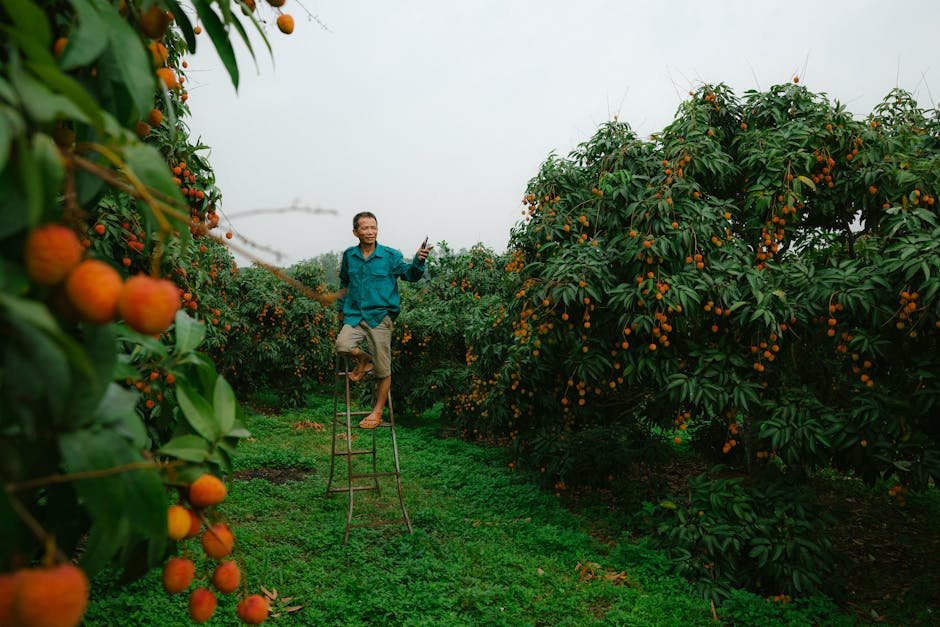
Imagine stepping into your backyard and picking a ripe apple straight from the tree or plucking a juicy berry from a bush. It’s not just a dream—it’s a reality you can create with a garden filled with fruit-producing trees and plants.
This is more than just gardening; it’s about building your own oasis of flavors right outside your door. You might be wondering how to start or which plants are best for your space. Don’t worry; you’re not alone. Many people are discovering the joys and benefits of cultivating their own fruit garden.
With the right guidance, you can transform your outdoor area into a vibrant, productive paradise. Are you ready to discover how to make your garden thrive with delicious fruits? Keep reading to unlock the secrets of creating a fruitful haven that will tantalize your taste buds and boost your well-being.

Credit: www.facebook.com
Fruitful Garden Design
Fruitful garden design features a variety of fruit-producing trees and plants. This setup transforms ordinary spaces into vibrant, productive gardens. Ideal for those who love fresh, homegrown fruits.
A ‘Fruitful Garden Design’ transforms your yard into a vibrant orchard. Imagine the beauty of trees heavy with fruit. The aroma of ripe produce fills the air. Careful planning ensures a bountiful harvest. Let’s explore how to design a thriving fruit garden.Choosing The Right Location
The location affects plant growth and fruit production. Choose a spot with full sun exposure. Fruit trees need at least six hours of sunlight daily. Consider wind protection. Strong winds can damage young plants. Ensure the area has good drainage. Standing water harms roots and stunts growth.Soil Preparation And Fertility
Healthy soil is key for a fruitful garden. Test the soil pH. Most fruit trees prefer slightly acidic soil. Amend the soil with organic matter. Compost enriches the soil and improves texture. Ensure proper soil aeration. Loosen compacted soil to encourage root growth. Regularly replenish nutrients. Use a balanced fertilizer for sustained fertility.Selecting Fruit Trees
Choosing the right fruit trees for your garden can be exciting. Each tree brings unique flavors and beauty. Understanding your needs and environment helps in making the best choice. Your garden will thrive with the right selection.
Popular Fruit Tree Varieties
Some fruit trees are favorites for their taste and ease of growth. Here are a few:
- Apple Trees:Known for crispy, sweet fruits. Perfect for pies.
- Pear Trees:Offer juicy and soft fruits. Great for fresh eating.
- Cherry Trees:Provide sweet or tart cherries. Ideal for jams.
- Peach Trees:Produce sweet, juicy peaches. Delicious in desserts.
- Plum Trees:Yield sweet, juicy plums. Perfect for snacks.
Climate Considerations
Climate affects how well fruit trees grow. Consider your local weather conditions:
- Cold Climates:Apples and pears grow well here. They need chill hours.
- Warm Climates:Citrus trees like oranges and lemons thrive. They love sun.
- Temperate Zones:Peaches and plums do well. They enjoy mild weather.
- Hot, Dry Areas:Fig trees are ideal. They handle heat and drought.
Matching the tree to your climate ensures healthy growth and good fruit production.
Growing Fruit Plants
Transform your backyard into a lush oasis with fruit-producing trees and plants. Enjoy fresh, homegrown fruits throughout the year. Cultivate varieties that thrive in your climate for optimal growth and harvest.
Growing fruit plants can transform your garden into a vibrant paradise. Fruit plants offer beauty, fresh produce, and a sense of accomplishment. By choosing the right plants, you can enjoy delicious fruits right from your backyard. Each plant type brings unique benefits and challenges. Understanding their needs helps in maintaining a thriving garden.Berry Bushes And Vines
Berry bushes and vines are fantastic for small gardens. They require minimal space and produce abundantly. Strawberries, raspberries, and blueberries are popular choices. These plants enjoy sunny spots and well-drained soil. Regular pruning keeps them healthy and productive. Mulching helps retain soil moisture and suppress weeds.Exotic Fruit Options
Exotic fruits add variety and excitement to your garden. Consider growing figs, pomegranates, or kiwis. These plants often need specific conditions to thrive. Warm climates and sheltered spots work best. Some exotic fruits require more attention and care. But the reward is unique flavors and textures.
Credit: www.facebook.com
Maintenance Tips
Caring for a garden of fruit-producing trees and plants involves regular watering and proper pruning. Check soil quality and add nutrients as needed to ensure healthy growth.
Maintaining a thriving garden of fruit-producing trees and plants can be immensely rewarding. The joy of plucking fresh fruits from your backyard is unparalleled, but it requires consistent care. Let’s explore some practical maintenance tips that will ensure your garden remains healthy and productive.Pruning Techniques
Pruning is essential for the health and productivity of your fruit trees. It helps remove dead or overcrowded branches, allowing sunlight and air to penetrate the canopy. This not only boosts fruit production but also reduces the risk of disease. Use sharp, clean tools to make precise cuts. Aim to prune in late winter or early spring before new growth begins. Focus on maintaining the natural shape of the tree while removing any suckers or water sprouts.Pest And Disease Control
Keeping pests and diseases at bay is crucial for a flourishing garden. Regular monitoring can help you identify issues early, preventing them from spreading. Look for signs like discolored leaves, unusual spots, or damaged fruit. Consider using natural remedies like neem oil or insecticidal soap for minor infestations. For severe cases, consult with a local extension service for appropriate treatments. Encourage beneficial insects like ladybugs to naturally control pest populations. Remember, a well-maintained garden doesn’t just happen overnight. What small changes can you make today to ensure a bountiful harvest tomorrow?Harvesting And Enjoying
Imagine stepping into your garden, filled with vibrant fruit-producing trees and plants, ready to offer their bounty. The joy of harvesting your own fruit is unparalleled. Not only do you get the freshest produce, but you also experience a deeper connection with nature. But how do you ensure you pick your fruit at the right time and make the most out of your harvest?
Optimal Harvest Times
Timing is everything when it comes to harvesting your garden’s fruits. Picking too early can lead to less flavorful produce, while waiting too long might mean overripe fruit. Pay attention to color changes, texture, and size.
For example, apples should be firm and detach easily from the tree when twisted. Berries should be plump and deep in color. Keep track of harvest calendars specific to your fruit varieties, and don’t hesitate to taste-test for sweetness and juiciness.
What signs do you look for when deciding it’s time to harvest?
Preserving And Using Fruit
Once harvested, there are countless ways to enjoy and preserve your garden fruits. Fresh fruit is delightful, but consider extending the enjoyment by preserving. Canning, freezing, and drying are effective methods.
Freeze berries in a single layer before transferring them to bags for easy storage. Make jams or jellies with surplus apples or pears. Try drying slices for a healthy snack. These methods not only save your harvest but also make great gifts.
How do you plan to use your garden’s bounty throughout the year?
Sustainable Practices
Sustainable practices in gardening help preserve the environment. They ensure long-term productivity. By adopting these methods, gardeners create a balanced ecosystem. They reduce waste and promote healthy growth. This approach benefits both the gardener and the earth.
Organic Gardening Methods
Organic gardening avoids synthetic fertilizers and pesticides. It uses natural alternatives for healthier growth. Composting is a popular method. It enriches the soil with nutrients. Mulching reduces water loss and suppresses weeds. Organic pest control uses beneficial insects. Ladybugs and praying mantises are common choices. These insects keep harmful pests in check.
Companion Planting
Companion planting pairs plants that benefit each other. It enhances growth and minimizes pests. Some plants repel harmful insects. Others attract pollinators. Basil and tomatoes grow well together. Basil repels insects that target tomatoes. Marigolds deter nematodes, protecting root systems. Planting beans near corn enriches soil with nitrogen. This method creates a natural balance in the garden.
Community And Sharing
A Garden of Fruit Producing Trees And Plants Word Craze Discover the joy of community and sharing through a garden of fruit trees. Enjoy the bounty together, fostering connections.
A garden of fruit-producing trees and plants is more than just a source of delicious produce. It can be a hub for community and sharing, bringing people together to enjoy the bounty of nature. Whether you’re a seasoned gardener or a curious beginner, there’s something profoundly rewarding about contributing to a communal space where everyone benefits from the fruits of labor.Creating A Community Orchard
Imagine a space where you and your neighbors gather to plant, nurture, and harvest a variety of fruit trees and plants. A community orchard provides that opportunity, fostering collaboration and learning. Starting a community orchard can be as simple as gathering a group of interested individuals. Discuss potential locations, such as unused plots or local parks, and plan which fruit trees and plants will thrive in your climate. Engage local businesses or gardening clubs for support and resources. They often have the expertise and tools you need to get started. Community orchards not only yield fresh produce but also strengthen neighborhood bonds, creating a shared sense of purpose.Fruit Sharing Programs
Fruit sharing programs are a brilliant way to distribute excess produce and reduce waste. These initiatives allow you to share surplus fruit with those in need, ensuring nothing goes to waste. Join or start a fruit sharing program in your area. You can partner with local food banks or community centers to distribute the produce. Create a simple schedule for when and where fruit will be collected and distributed. Such programs not only help those who receive the fruit but also promote a culture of generosity and sustainability. Think about the impact you could make by sharing even a small portion of your harvest. Could this be a way to connect more deeply with your community?
Credit: pngtree.com
Frequently Asked Questions
What Are Fruit-producing Trees For Home Gardens?
Fruit-producing trees like apple, cherry, and peach are ideal for home gardens. They provide fresh fruit, shade, and beauty. Ensure proper soil conditions and sunlight for optimal growth. Regular pruning and pest management are essential for healthy yields. These trees enhance your garden’s productivity and aesthetic appeal.
Which Fruit Plants Thrive In Small Spaces?
Strawberries, blueberries, and raspberries are perfect for small spaces. They can be grown in pots or vertical gardens. These plants require sunlight and well-draining soil. Regular watering and fertilizing promote healthy growth. Their compact nature makes them ideal for balconies or small gardens, providing fresh fruit at your fingertips.
How Can I Maintain A Fruit Garden?
Maintaining a fruit garden involves regular watering, pruning, and pest control. Choose disease-resistant varieties for easier upkeep. Mulching helps retain soil moisture and suppress weeds. Fertilizing boosts plant health and fruit yield. Monitor plants for signs of disease and address issues promptly for a thriving garden.
What Are The Benefits Of Fruit Gardens?
Fruit gardens provide fresh produce, improve air quality, and enhance biodiversity. They support local wildlife, offering habitat and food sources. Growing your own fruit reduces carbon footprint and promotes sustainability. Additionally, gardening is a relaxing activity that can improve mental well-being and physical health.
Conclusion
Exploring a garden of fruit trees brings joy and learning. Each plant offers delicious fruits and many health benefits. Gardening connects us to nature and provides fresh produce. Everyone can enjoy growing fruit trees, no matter the space. Small gardens or pots work too.
Start with easy-to-grow plants like strawberries or lemons. Watch them grow and enjoy the tasty rewards. A garden can transform your space into a fruitful oasis. Encourage kids to join in and learn about nature. Enjoy the beauty and bounty of your fruit-producing garden.
Happy gardening!







