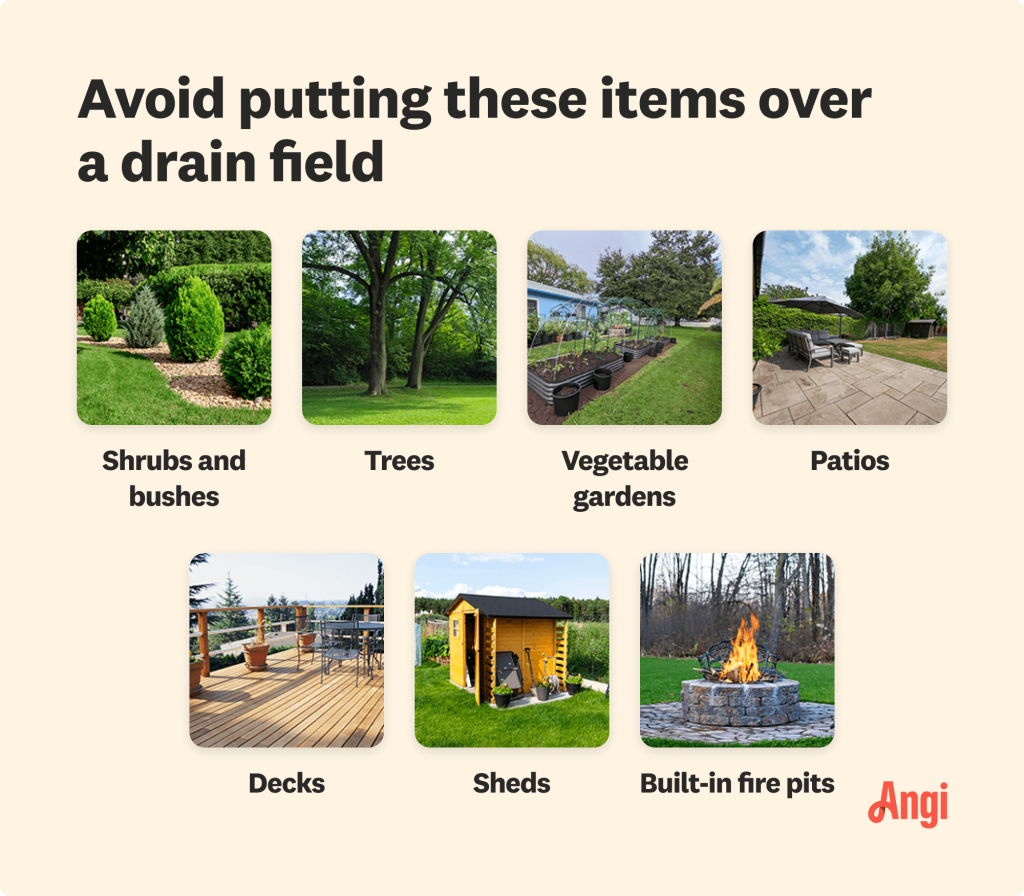
Imagine stepping into your backyard and transforming it into a vibrant oasis, bursting with life and color. But wait, there’s a catch—your garden’s potential paradise lies above a septic field.
You might wonder, “Can I plant a garden over my septic field? ” This question isn’t just about aesthetics; it’s about safety, functionality, and maximizing your space wisely. As you contemplate this unique gardening venture, think about the possibilities: lush greenery that thrives without compromising the health of your home’s essential system.
You deserve to enjoy every inch of your property, and we’re here to help you uncover the secrets behind planting over a septic field. You’ll learn about the risks, benefits, and best practices to ensure your garden grows beautifully, while keeping your septic system safe and sound. Dive in and discover how you can harmonize nature with functionality, making your garden dreams come true without a hitch!
Understanding Septic Systems
Planting a garden over a septic field can be risky. Roots may damage pipes and hinder system function. Opt for shallow-rooted plants to minimize harm.
Understanding the intricacies of septic systems is crucial when considering planting over a septic field. Many homeowners overlook the importance of knowing what’s beneath their yards, but a septic system is more than just a buried tank. It’s a complex system that involves the breakdown of waste, filtering it through soil layers to ensure safe disposal.What Is A Septic System?
A septic system is a personal wastewater treatment system for homes not connected to a public sewer. It generally includes a septic tank and a drain field or soil absorption field. The tank holds wastewater from your home, where solids settle, and liquids move to the drain field for further treatment. Understanding this setup is vital to prevent interference from plant roots which could clog pipes or damage the tank.How Does A Septic System Function?
Septic systems work by channeling wastewater from your home into a tank buried underground. Here, natural processes break down solid waste. Liquid waste then flows into the drain field, where soil acts as a filter, purifying the water before returning it to the groundwater. This delicate balance requires careful management, particularly when considering what to plant overhead.Why Knowing Your Septic System Matters?
Knowing the layout and functioning of your septic system helps you make informed decisions about what to plant. The wrong choice could lead to costly repairs if roots infiltrate pipes or the tank. You want plants that won’t outgrow their space or send aggressive roots into the system. Are you willing to risk expensive repairs for a few pretty flowers?Common Misconceptions About Septic Systems
One common misconception is that all plants can thrive over septic fields. Many believe that grass or shallow-rooted plants are harmless, but even these can cause issues if not chosen wisely. Another myth is that septic systems don’t require maintenance. Regular checks are essential to prevent failures which could disrupt your garden plans.Practical Insights For Planting Over Septic Fields
– Choose shallow-rooted plants: Opt for grass and wildflowers that won’t send roots deep into the soil. – Avoid water-loving plants: These can oversaturate the soil, disrupting the septic system’s function. – Regularly inspect your system: Keeping an eye on the health of your septic system can prevent unexpected issues. By understanding your septic system, you can enjoy a beautiful garden without compromising your home’s essential waste management system.Benefits Of Planting Over Septic Fields
Planting a garden over a septic field enhances soil health and supports the septic system’s function. It provides natural insulation, reduces erosion, and aids in water absorption. Choose shallow-rooted plants to avoid damaging the septic system.
Planting over septic fields might not be the first idea that comes to mind when you think of gardening, but it can offer surprising benefits. Imagine turning your yard into a lush oasis while simultaneously supporting the health of your septic system. This unconventional approach can improve both the aesthetic and functionality of your property, giving you a vibrant garden with a purpose.Improved Soil Health
Adding plants above your septic field can significantly enhance soil health. The roots of certain plants can help break down organic matter, contributing to the natural treatment process of your septic system. Consider planting grass or shallow-rooted perennials. These plants can absorb excess moisture, preventing waterlogging and promoting balanced soil conditions.Enhanced Aesthetic Appeal
Transforming a mundane septic field into a beautiful garden can drastically improve your yard’s appearance. With strategic plant choices, you can create a visually pleasing landscape that camouflages the septic system components. Think about planting colorful flowers or ornamental grasses. These can add vibrant hues and textures, turning an otherwise utilitarian area into an attractive part of your garden.Natural Erosion Control
Planting over septic fields can offer natural erosion control. The root systems of plants help bind the soil, reducing erosion caused by wind and rain. Choose plants with fibrous roots that spread widely. This will stabilize the ground, preventing soil displacement and maintaining the integrity of your septic field.Increased Biodiversity
By planting over your septic field, you can contribute to local biodiversity. A variety of plants can attract beneficial insects and wildlife, creating a thriving ecosystem in your backyard. Opt for native plants to support local wildlife. These plants are adapted to your region and can offer shelter and food sources to birds and pollinators.Cost-effective Landscaping Solution
Utilizing your septic field as a gardening space can be a cost-effective way to enhance your property. You’re already working with an existing area, reducing the need for extensive landscaping changes. Consider low-maintenance plants that require minimal care. This approach can save you time and money while still delivering a lush garden environment. Have you ever considered how a garden can be more than just a pretty sight? By planting over your septic field, you can reap these benefits while contributing to your property’s sustainability.Potential Risks And Concerns
Planting over a septic field poses risks. Roots can damage pipes, leading to costly repairs. Heavy soil compaction may hinder system function, causing overflow or backups.
Planting a garden over a septic field may seem appealing. It uses space efficiently and adds beauty. Yet, this choice carries potential risks and concerns. Understanding these risks is crucial for a healthy garden and septic system.Root Interference
Certain plants have aggressive roots. These roots can invade septic pipes. This may cause blockages or damage. Always choose plants with shallow roots for safety.Soil Compaction
Heavy foot traffic can compact the soil. This affects the septic system’s function. It can lead to poor drainage. Limit foot traffic to prevent issues.Contamination Risk
Edible plants over septic fields pose a risk. Harmful bacteria can contaminate them. Avoid planting vegetables in these areas. It’s safer for consumption.System Damage
Improper planting can damage septic systems. Repairs can be costly and time-consuming. Always plan your garden carefully.Reduced Efficiency
Dense plantings can affect septic efficiency. They may disrupt the natural process. This can lead to system failure. Ensure proper spacing between plants.Drainage Problems
Some plants absorb excessive water. This can disturb the drainage. It may lead to water pooling. Choose plants that suit the soil’s drainage capacity.Poor Plant Growth
Septic fields have nutrient-poor soil. This affects plant health and growth. Use soil amendments carefully to improve conditions. Understanding these concerns aids in making informed decisions. It ensures the safety of your garden and septic system.Choosing The Right Plants
Selecting the right plants is crucial for a garden over a septic field. Opt for shallow-rooted plants to avoid damaging the system. Native grasses and wildflowers are excellent choices, providing beauty and safety.
Choosing the right plants for a garden over a septic field is crucial. The right choices ensure the septic system functions well. It also keeps the garden healthy. Thoughtful selection reduces the risk of damage to pipes and tanks.Shallow-rooted Options
Shallow-rooted plants are ideal for septic fields. Their roots don’t dig deep into the soil. This prevents interference with the septic system. Consider plants like grasses and small perennials. They provide ground cover without risk to the system.Native Species
Native species thrive in local conditions. They need less water and care. Their roots are less likely to invade septic pipes. These plants support local ecosystems. They attract beneficial insects and birds.Avoiding Invasive Plants
Avoid invasive plants that spread aggressively. Their roots can damage septic systems. Invasive species often overpower other plants. This disrupts the garden balance. Stick to non-invasive options to maintain harmony.Planting Techniques For Septic Areas
Planting a garden over a septic field requires careful planning. Use shallow-rooted plants that won’t damage the system. Consider native grasses and perennials for easy maintenance and compatibility with the area.
Planting a garden over your septic field might seem daunting, but with the right techniques, it can be both safe and beneficial. Understanding how to effectively prepare and maintain the area ensures your plants thrive without damaging your septic system. Let’s explore key strategies to turn your septic field into a flourishing garden.Soil Preparation
Before you plant, it’s crucial to assess the soil condition of your septic field. Avoid heavy equipment that could compact the soil and disrupt the septic system. Instead, use a garden fork to gently aerate the soil, allowing roots to breathe and water to seep through easily. Consider adding a thin layer of topsoil or compost to improve soil fertility. However, be cautious not to add too much, as excessive weight can harm the underlying system. Testing the soil’s pH level can also guide you in choosing suitable plants that will thrive in that specific environment.Spacing And Layout
Proper spacing is vital to prevent roots from invading the septic system. Select plants with shallow root systems and avoid trees and shrubs that could cause damage. Flowers and grasses are excellent options due to their non-invasive nature. When planning your layout, think about how the plants will grow. Ensure they are spaced far enough apart to allow for growth without overcrowding. This not only helps maintain the integrity of your septic field but also enhances the garden’s aesthetic appeal.Watering Considerations
Efficient watering can make a significant difference in maintaining both your garden and septic field. Over-watering can lead to saturation, affecting the septic system’s functionality. It’s best to water in the early morning or late afternoon to minimize evaporation and ensure efficient water use. Consider installing a drip irrigation system to deliver water directly to the plant roots, reducing runoff and soil erosion. Pay attention to the weather and adjust your watering schedule accordingly, as rainfall can naturally supplement your garden’s needs. Reflect on how these strategies can transform your septic field into a thriving garden. What plants will you choose to balance beauty and safety?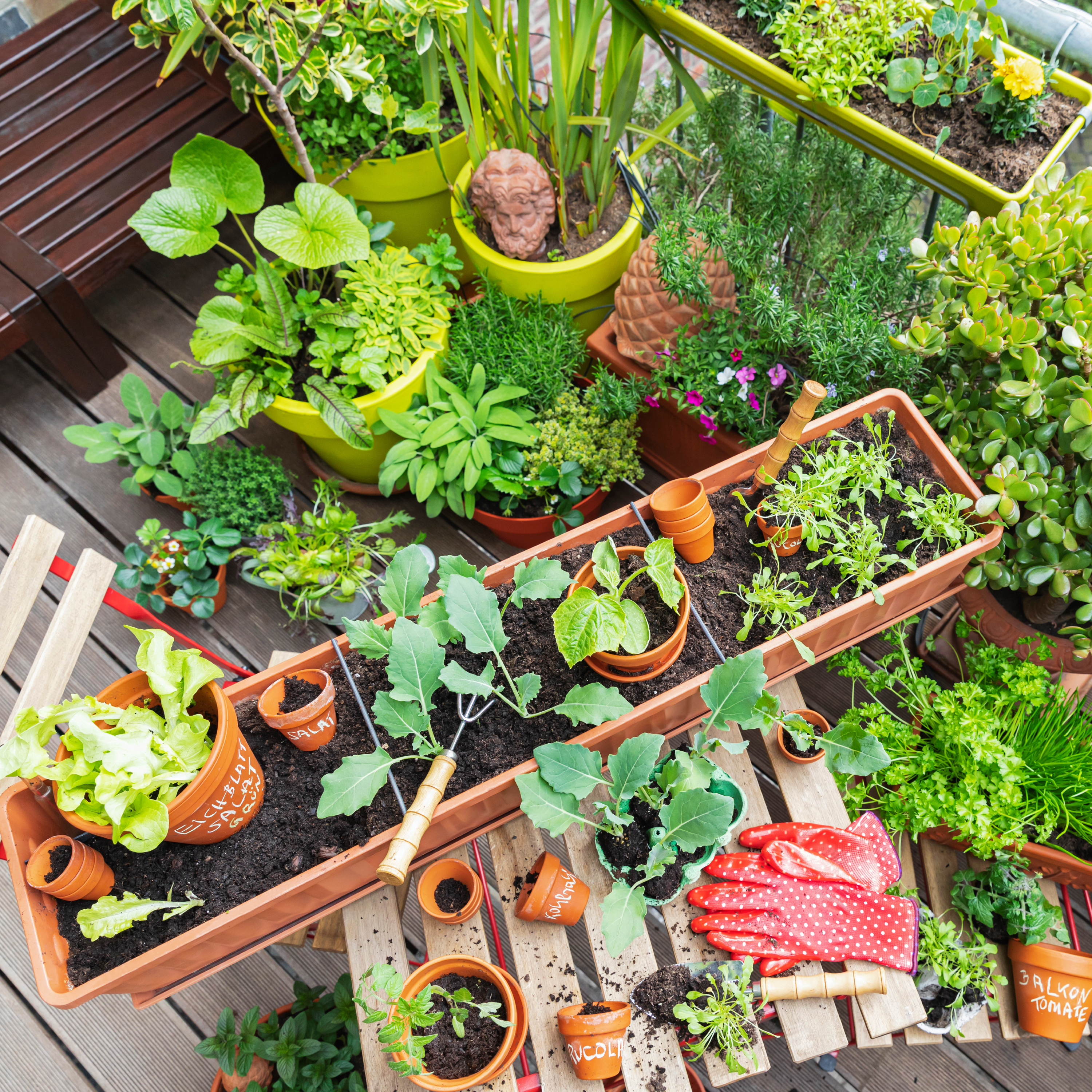
Credit: www.gardeningknowhow.com
Maintenance Tips
Maintaining a garden over your septic field requires attention to detail and a proactive approach. While it may seem challenging, with the right strategies, you can ensure both your garden and septic system thrive. Let’s explore some essential maintenance tips that will keep your garden vibrant and your septic field functioning smoothly.
Regular Monitoring
Keeping a close eye on your garden and septic field is crucial. Check for any signs of distress in both plants and the soil. Look for yellowing leaves or soggy patches, which could indicate septic issues.
Make it a habit to walk through your garden weekly. This allows you to spot changes early and take action before problems escalate. Use this time to enjoy your garden’s growth while ensuring everything is in order.
Pruning And Weeding
Pruning and weeding are vital to maintaining a healthy garden over your septic field. Overgrown plants can cause root intrusion, potentially damaging septic pipes.
Trim plants regularly to keep their roots in check. Removing weeds not only keeps your garden tidy but also prevents unnecessary root competition with your intended plants.
Consider using hand tools for pruning and weeding. This minimizes soil disturbance, which is crucial for the septic field’s integrity.
Addressing Drainage Issues
Poor drainage can spell trouble for both your garden and septic field. If you notice water pooling or soil erosion, take action immediately.
Enhance drainage by adjusting plant placement or adding soil amendments. You might need to create gentle slopes to guide water away from sensitive areas.
Remember, a well-draining garden not only supports plant health but also protects your septic system. Have you considered installing a rain garden? It can be an effective solution to manage excess water while adding beauty to your landscape.
Common Mistakes To Avoid
Planting a garden over a septic field can disrupt its functionality. Avoid deep-rooted plants; they might damage septic lines. Opt for shallow-rooted vegetation to prevent interference and ensure smooth septic operation.
Planting a garden over your septic field can be a rewarding endeavor, offering a unique blend of functionality and aesthetic appeal. Yet, many homeowners unknowingly stumble into pitfalls that could compromise both their garden and their septic system. Learning from common mistakes can save you time, money, and a lot of frustration.Ignoring Root Depth
Choosing plants without considering their root depth can lead to significant problems. Deep-rooted plants can penetrate septic pipes, causing blockages and damage. Opt for shallow-rooted plants to keep your septic system safe.Overwatering
Excessive watering can saturate the soil over your septic field, hindering its ability to process waste effectively. Consider drip irrigation systems or rain gardens that use natural rainfall efficiently.Planting Edibles
While a vegetable garden might seem appealing, it’s risky to plant edibles over a septic field. Contaminants can migrate into the food, posing health risks. Stick to ornamental plants instead.Ignoring Soil Health
Neglecting soil health can result in poor plant growth and septic issues. Regularly check soil composition and pH levels. A balanced soil will support plant health without compromising your septic system.Neglecting Regular Maintenance
A thriving garden requires attention, but don’t forget your septic system. Regular inspections and pumping can prevent costly repairs. Consider scheduling maintenance as part of your gardening routine.Using Chemicals
Chemical fertilizers and pesticides can seep into the septic system, disrupting its natural bacterial processes. Use organic gardening methods to protect both your plants and septic field. These insights can help you navigate the complex relationship between gardening and septic systems. What strategies will you implement to avoid these common mistakes?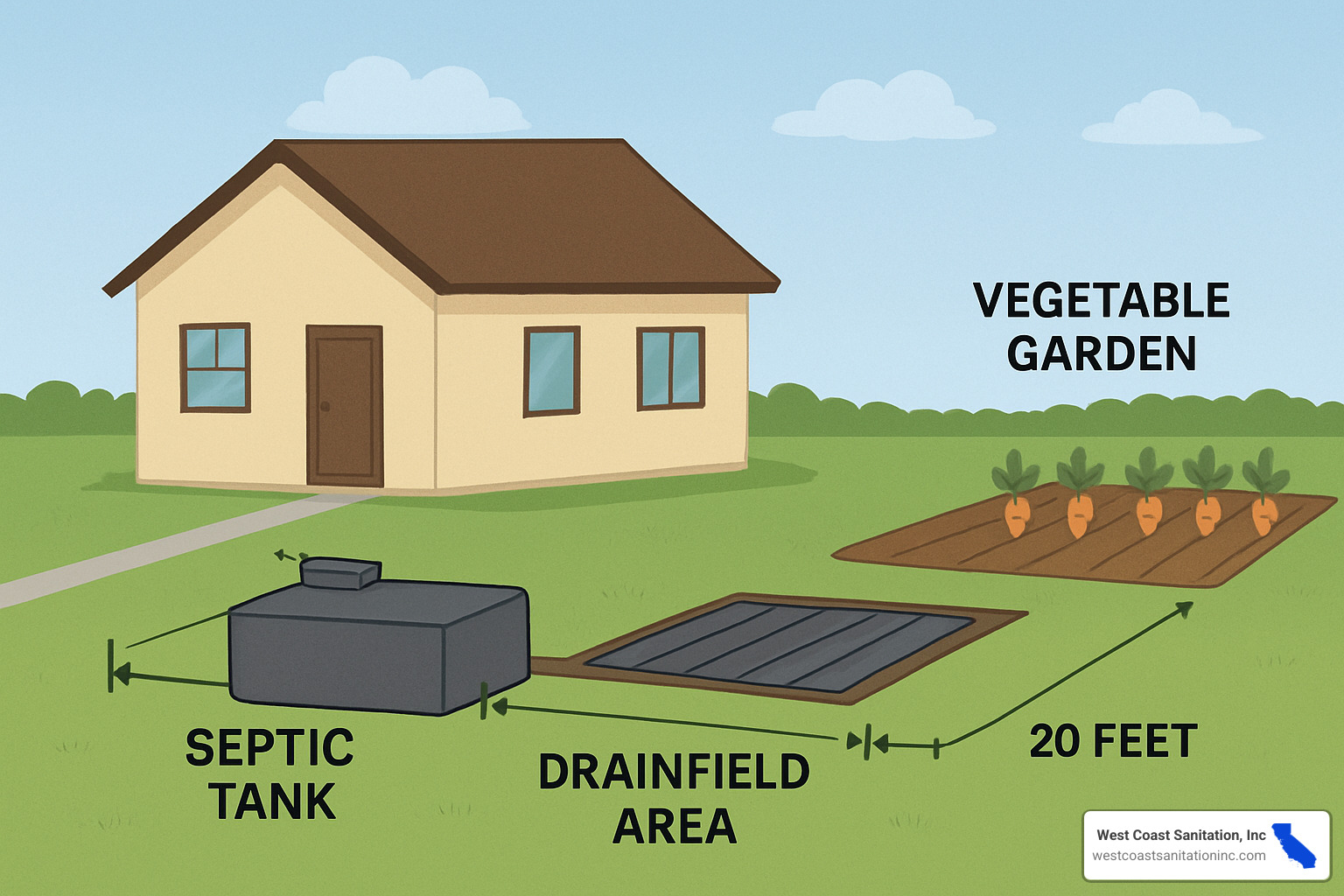
Credit: westcoastsanitationinc.com
Expert Advice And Resources
Discover the best practices for planting a garden over your septic field. Expert advice and resources offer essential tips to ensure plant health without damaging your septic system. Learn which plants are safe and how to maintain your garden effectively.
Planting a garden over a septic field requires careful planning. There are important factors to consider to avoid damaging the system. Expert advice can guide you in making the right decisions. Understanding the do’s and don’ts is crucial. Access to reliable resources will help ensure a safe and successful garden.Understanding Septic System Functionality
Septic systems treat wastewater from your home. They use natural processes to break down waste. It’s vital to know how these systems work. This knowledge helps you avoid disrupting their function. Select plants with shallow roots. Deep roots can damage the septic pipes. Grass, ground covers, and small shrubs are suitable choices. Avoid trees and large shrubs near the septic field.Soil And Drainage Considerations
Good drainage is essential for septic fields. Ensure your garden soil is not compacted. Compacted soil can hinder water absorption. Loose, well-drained soil is ideal for planting.Avoiding Heavy Equipment
Do not use heavy machinery on the septic field. It can compact the soil and damage pipes. Hand tools are safer for gardening over septic systems.Consulting With Professionals
Seek advice from septic system professionals. They can provide specific guidance for your property. Consulting experts reduces the risk of costly mistakes.Accessing Educational Resources
Many online resources offer valuable information. Look for guides from trusted environmental agencies. Books and articles can also provide helpful insights.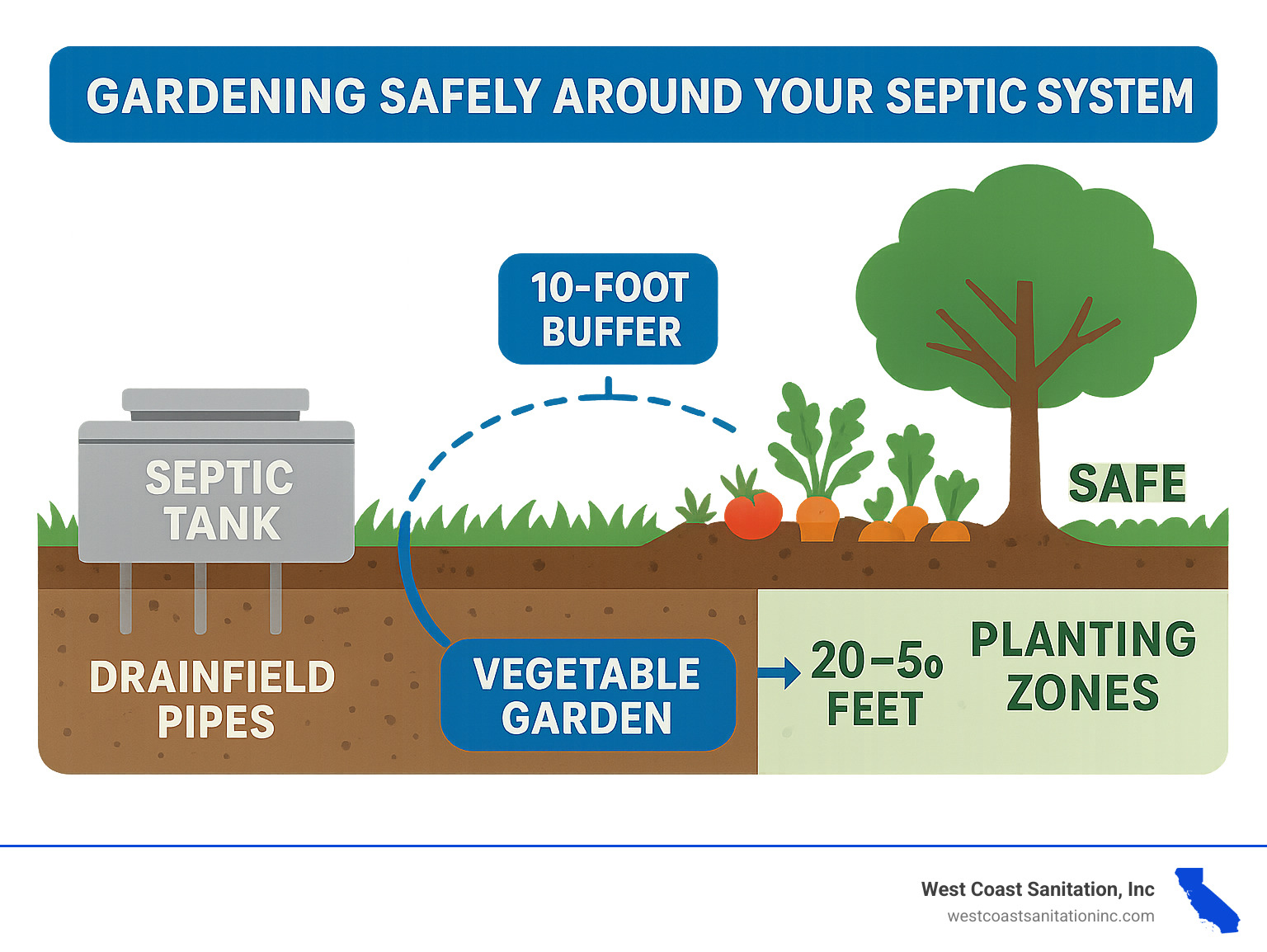
Credit: westcoastsanitationinc.com
Frequently Asked Questions
Is It Safe To Garden Over A Septic Field?
Gardening over a septic field can be risky. Plant roots may interfere with septic system functionality. Choose shallow-rooted plants to minimize disruptions. Avoid heavy machinery or structures that may compact soil and damage pipes. Consulting a professional can provide guidance tailored to your specific septic system conditions.
What Plants Are Best For Septic Fields?
Choose shallow-rooted plants like grasses, perennials, or herbs for septic fields. They prevent root invasion into pipes. Avoid trees and shrubs, as their roots can damage septic systems. Native plants are ideal due to their adaptability and minimal maintenance requirements.
Select varieties that thrive in your local climate conditions.
Can Vegetables Be Grown Over Septic Tanks?
Growing vegetables over septic tanks is not recommended. There’s a risk of contamination from wastewater. Root vegetables are especially vulnerable to absorbing pathogens. Above-ground vegetables may also face safety concerns. Consider alternative garden locations for edibles to ensure safety. Prioritize health and food safety by avoiding septic field planting.
How Does Soil Affect Septic Field Gardening?
Soil composition significantly impacts septic field gardening. Sandy or well-drained soil prevents waterlogging and root damage. Heavy clay soils may compact and disrupt septic function. Test soil quality and adjust planting choices accordingly. Proper soil management ensures a healthy garden and septic system coexistence.
Conclusion
Planting a garden over a septic field requires careful planning. Choose plants with shallow roots. Avoid trees and shrubs. Maintain a safe distance from the system. Ensure soil remains undisturbed. Opt for grass or flowers that need less water. Protect the septic system’s integrity.
Enjoy a beautiful garden without risking damage. Regular inspections help keep the system healthy. Always prioritize safety and functionality. Happy gardening brings peace and beauty. A mindful approach ensures both flourish. Make informed decisions for a thriving garden. Balance aesthetics with practicality for best results.







