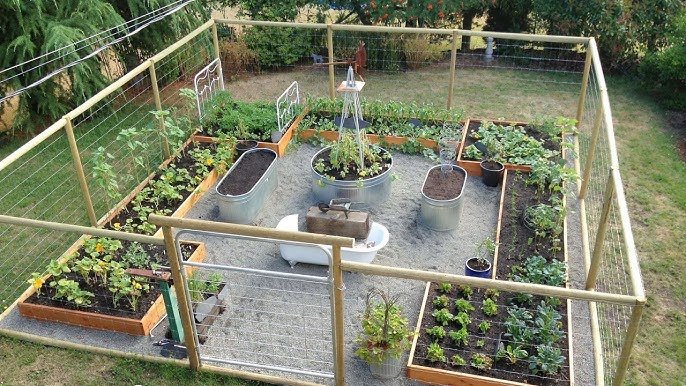
Imagine stepping into your backyard and harvesting fresh vegetables right from your very own garden. It sounds delightful, doesn’t it?
Designing a small square vegetable garden can transform this dream into reality, offering you a lush, green space filled with the produce you love most. You might think you need a sprawling yard to grow a variety of veggies, but that’s not the case.
With the right design, even a small square garden can yield a bountiful harvest. This guide will show you how to maximize space, ensuring each plant thrives while making your garden visually appealing. By following simple steps, you’ll discover how to create a garden that’s easy to maintain, provides endless fresh flavors, and becomes your personal oasis of tranquility. Ready to turn your outdoor space into a vegetable haven? Keep reading to unlock the secrets of efficient garden design.
Choosing The Right Location
Designing a small square vegetable garden is an exciting venture, but choosing the right location is crucial for success. The location you select will determine how well your plants will grow and thrive. Let’s explore the key factors to consider when selecting the perfect spot for your garden.
Sunlight Exposure
Ensure your garden receives ample sunlight throughout the day. Most vegetables require at least six hours of direct sunlight. Observe your yard at different times to find the sunniest spot.
Think about the seasonal changes in sunlight as well. A space that is sunny in the spring might become shaded by trees in the summer. Keep this in mind to avoid surprises later on.
Proximity To Water Source
Your vegetable garden should be close to a reliable water source. This makes it easier to water your plants regularly, which is essential for their growth.
Consider how you’ll transport water if the nearest source is a distance away. Using long hoses or setting up a rainwater collection system can be practical solutions.
Soil Quality Considerations
Good soil is the foundation of a thriving garden. Check the soil quality in your chosen location before planting. You can perform a simple test by feeling the soil texture; it should be crumbly and not too compact.
If the soil quality is poor, don’t be discouraged. You can improve it by adding organic matter like compost or well-rotted manure. This step can make a huge difference in the health of your vegetables.
By thoughtfully considering these factors, you can set up a small square vegetable garden that flourishes. What challenges have you faced when choosing a garden location, and how did you overcome them?
Planning The Layout
Planning the Layout Designing a small square vegetable garden requires creativity and efficiency. Consider sunlight, soil quality, and plant spacing. Maximize space by using vertical gardening techniques and companion planting.
Planning the layout of a small square vegetable garden is crucial. A well-thought-out design maximizes productivity and enhances aesthetics. With limited space, every inch counts. Proper planning ensures plants thrive and maintenance is easy. Consider factors like sunlight, accessibility, and plant compatibility. This section explores creating a functional design, incorporating pathways, and optimizing space efficiency.Creating A Functional Design
A functional design focuses on plant needs and garden goals. Start by sketching a simple plan. Identify vegetable types you want to grow. Consider their growth habits and spacing requirements. Group plants with similar needs together. This approach simplifies watering and fertilizing. Use vertical gardening techniques to save space. Attach trellises or stakes for climbing plants. This method provides more room for other crops.Incorporating Pathways
Pathways are essential for easy garden access. They prevent trampling on plants and soil compaction. Design clear, narrow paths between plant beds. Use materials like gravel, mulch, or stepping stones. This reduces mud and enhances drainage. Ensure paths are wide enough for tools and baskets. Arrange paths in a grid pattern for efficient movement. This layout allows quick access to every section.Optimizing Space Efficiency
Maximizing space efficiency is key in small gardens. Choose compact, high-yielding vegetable varieties. Plant in staggered rows to utilize every inch. Use square foot gardening techniques for precise spacing. This method prevents overcrowding and boosts productivity. Consider companion planting to optimize growth. Some plants, like basil and tomatoes, benefit each other. Use containers for herbs or leafy greens. They fit well in empty corners and add diversity.Selecting Vegetables
Choosing the right vegetables for a small square garden enhances growth and productivity. Focus on compact varieties like cherry tomatoes and baby carrots. Leafy greens such as spinach and lettuce are ideal for maximizing space and yield.
Selecting the right vegetables for your small square garden is crucial. Limited space demands careful choice of crops. Choose vegetables that thrive in compact environments. This ensures a bountiful harvest throughout the growing season.Best Crops For Small Spaces
Opt for crops that grow vertically or have a small footprint. Consider using trellises to maximize vertical space. Examples of great choices include tomatoes, beans, and peas. These plants grow upwards, saving valuable ground space. Leafy greens like lettuce and spinach are also ideal. They grow quickly and can be harvested multiple times. Root vegetables, such as radishes and carrots, are compact and efficient.Seasonal Planting Guide
Understand the seasons to plant your vegetables effectively. Early spring is perfect for cool-weather crops like lettuce and peas. As the weather warms, switch to summer crops like tomatoes and peppers. In late summer, plant fall crops like broccoli and kale. This rotation keeps your garden productive year-round. Use local planting guides to optimize your timing.Companion Planting Benefits
Companion planting enhances growth and deters pests naturally. Some plants improve each other’s health and yield. For instance, tomatoes grow well with basil. Basil repels pests and enhances tomato flavor. Beans fix nitrogen, benefiting nearby leafy greens. Avoid planting incompatible pairs like onions and beans. Companion planting maximizes efficiency in small gardens.Soil Preparation Techniques
Designing a small square vegetable garden involves careful soil preparation. Begin by clearing weeds and debris. Loosen the soil with a spade or tiller for better root growth. Mix in organic compost to enrich the soil, ensuring a fertile base for your vegetables.
Designing a small square vegetable garden requires thoughtful soil preparation. Healthy soil boosts plant growth and yields a bountiful harvest. Effective soil preparation sets the foundation for a thriving garden. Let’s explore key techniques to enhance your soil for optimum vegetable growth.Testing And Amending Soil
Begin with a soil test to understand its nutrient composition. Testing reveals essential details about pH levels and nutrient deficiencies. Purchase a simple soil test kit or send samples to a local lab. Based on results, amend the soil to improve its quality. Add lime to raise pH or sulfur to lower it. Nutrient-rich fertilizers enhance soil fertility, ensuring plants receive necessary nourishment.Creating Raised Beds
Raised beds offer several advantages for small square gardens. Elevated beds improve drainage and prevent soil compaction. Construct beds with wood, stone, or brick for durability. Fill raised beds with a mixture of topsoil, compost, and manure. This mix promotes root growth and water retention. Raised beds also make planting and harvesting easier.Using Organic Matter
Organic matter enriches soil health and structure. Compost is a superb source of organic nutrients. It boosts soil fertility while enhancing moisture retention. Spread a layer of compost over your soil and mix it in well. Other organic materials like straw or grass clippings also improve soil quality. These materials encourage beneficial microorganisms that support plant growth.Irrigation Methods
Designing a small square vegetable garden can be a rewarding experience. Efficient irrigation methods ensure your plants receive the right amount of water. Proper watering techniques help plants thrive and conserve resources.
Drip Irrigation Systems
Drip irrigation systems deliver water directly to the plant roots. This method reduces water waste and keeps the soil consistently moist. It involves a network of tubes and emitters placed near each plant. Water seeps slowly from the emitters, minimizing evaporation. Drip irrigation is ideal for small gardens with limited space.
Efficient Watering Practices
Watering at the right time saves water and supports plant health. Early morning is the best time to water. This reduces evaporation and allows plants to absorb moisture before the heat of the day. Avoid watering in the evening to prevent mold growth. Use a watering can or a hose with a spray nozzle for even distribution.
Rainwater Harvesting
Rainwater harvesting is a sustainable way to water your garden. Collect rainwater in barrels placed under downspouts. This method reduces reliance on municipal water and saves money. Use the collected water during dry periods. Ensure the barrels are covered to prevent mosquito breeding. Rainwater is natural and free from chemicals, benefiting your plants.

Credit: www.youtube.com
Pest And Disease Management
Designing a small square vegetable garden involves strategic placement to prevent pests and diseases. Companion planting and crop rotation are key techniques. Choose disease-resistant varieties to enhance plant health.
Pest and disease management is vital for a healthy vegetable garden. In a small square garden, pests can spread quickly. Diseases may also harm your plants before you notice. Effective management ensures your garden thrives.Natural Pest Control
Using natural methods can protect your garden without chemicals. Consider companion planting, which involves growing certain plants together. Some plants repel insects naturally. For instance, marigolds deter nematodes. Basil keeps flies away. Another option is using homemade sprays. Mix water with garlic or chili powder. Spray this on your plants. It discourages pests without harming them. Handpicking bugs can also be effective. Inspect your plants regularly.Identifying Common Diseases
Recognizing diseases early can save your plants. Keep an eye out for discolored leaves. Wilting or spots may indicate a problem. Powdery mildew looks like white dust. Blight causes dark spots on leaves. Research common diseases in your region. Learn their symptoms. This helps you take action quickly. Familiarize yourself with fungal infections. They often spread in humid conditions.Preventive Measures
Preventive steps keep diseases at bay. Ensure proper spacing between plants. This improves air circulation. Use healthy soil with good drainage. Avoid overwatering. Wet soil encourages fungi. Rotate crops each season. This reduces disease build-up. Clean gardening tools regularly. Dirty tools can spread infections. Mulching helps too. It keeps soil moist and prevents weed growth. Create barriers to stop pests from entering. Use netting or row covers. Encourage beneficial insects. Ladybugs eat aphids. Birds can help too. They feed on harmful bugs.Maintaining Your Garden
Designing a small square vegetable garden requires planning. Choose compact plants like herbs, lettuce, and radishes. Use vertical space with trellises for climbing plants. Maximize sunlight by positioning the garden in a sunny spot.
Maintaining your garden is essential to ensure a thriving and productive small square vegetable garden. Regular care not only promotes healthy plants but also maximizes yield. By dedicating time to essential maintenance tasks, you can enjoy a bountiful harvest season after season.Regular Weeding And Pruning
Weeds compete with your vegetables for nutrients, water, and sunlight. Regularly remove weeds to keep your plants healthy and productive. Pruning helps in shaping your plants and removing dead or diseased parts, fostering better growth. A simple daily walk through your garden can help you spot these pesky intruders early. Use a small hand tool to carefully pull weeds from the roots. For pruning, sharp scissors or pruners are ideal for cutting back overgrown branches and leaves.Fertilization Schedules
Fertilizing your garden ensures that your plants get the necessary nutrients to grow. The right schedule depends on the specific needs of your vegetables. Create a simple chart to track when and what type of fertilizer each plant requires. Organic options like compost or well-rotted manure can be excellent choices. Consistent, balanced feeding will lead to lush, productive plants.Seasonal Clean-up Tasks
Each season brings its own set of tasks to keep your garden in top shape. In spring, focus on preparing the soil and planting new seeds. During summer, maintain regular watering and monitor for pests. Autumn is the time to clear out dead plants and prepare beds for winter rest. Winter tasks include mulching and protecting perennials from frost. By staying on top of these seasonal duties, your garden will remain vibrant and ready for the next growing season. How do you ensure your garden stays healthy and productive? Think about creating a simple routine that suits your lifestyle, ensuring you enjoy gardening success all year round.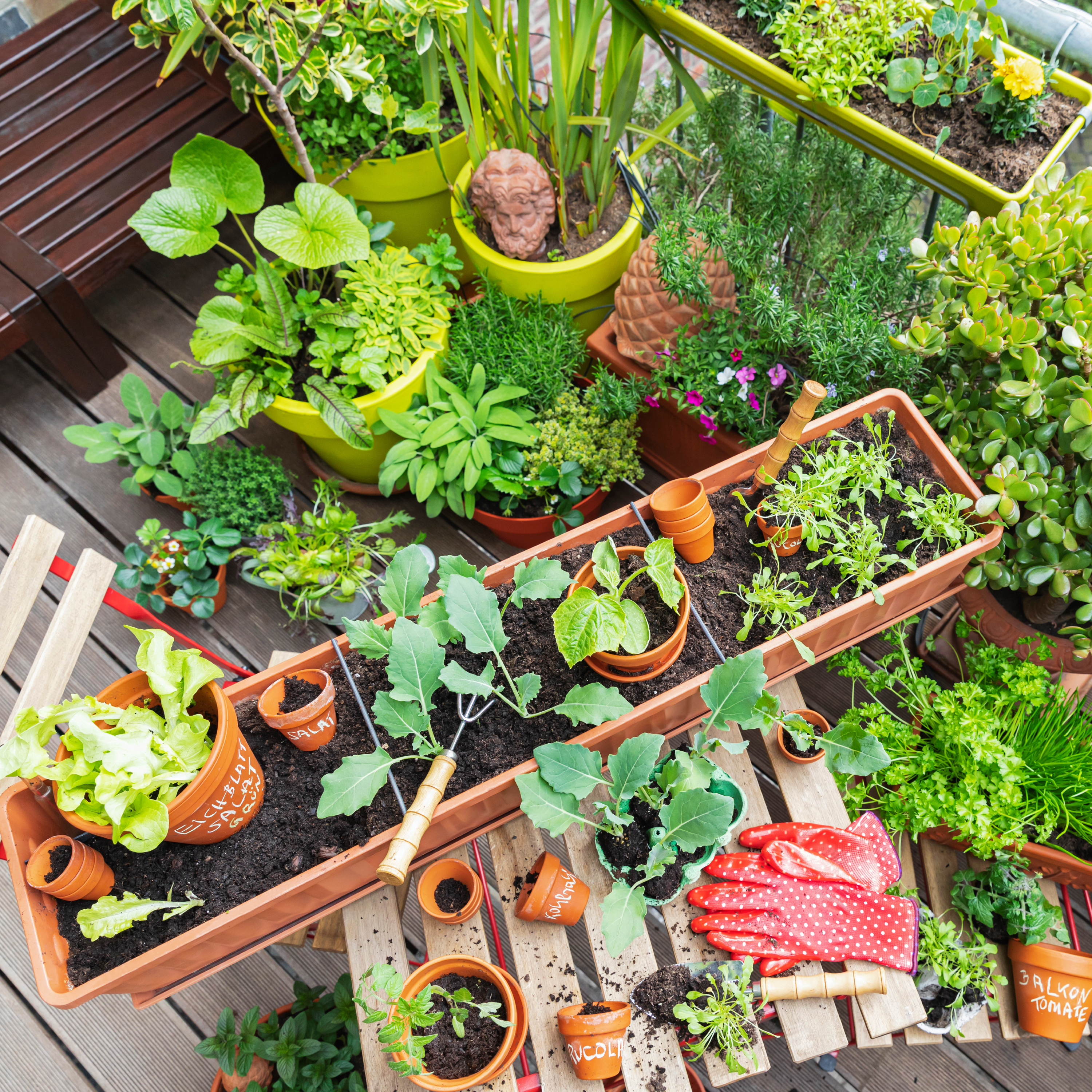
Credit: www.gardeningknowhow.com

Credit: seedingsquare.com
Frequently Asked Questions
How To Start A Small Square Garden?
Begin by selecting a sunny location and measuring a square plot. Plan your layout, considering pathways and plant spacing. Use raised beds or containers to maximize space. Choose easy-to-grow vegetables like lettuce, tomatoes, and herbs. Ensure proper soil quality and irrigation for optimal growth.
What Vegetables Are Best For Small Gardens?
Choose compact and high-yield vegetables like tomatoes, peppers, lettuce, radishes, and herbs. These plants thrive in limited space and offer continuous harvests. Opt for dwarf or bush varieties to maximize productivity. Consider vertical gardening techniques to grow more in small areas.
How To Maximize Space In Square Gardens?
Utilize vertical gardening and companion planting to save space. Install trellises for climbing plants like cucumbers and beans. Space rows efficiently, and choose dwarf vegetable varieties. Implement intercropping techniques to grow multiple crops together. Raised beds can also help in optimizing space.
What Soil Is Ideal For Vegetable Gardens?
Choose well-draining soil enriched with organic matter for optimal growth. A mix of compost, peat, and vermiculite helps retain moisture and nutrients. Test pH levels, aiming for slightly acidic soil. Ensure proper aeration to promote root development and avoid compacted soil.
Conclusion
Designing a small square vegetable garden can be simple and fun. Start with a clear plan. Choose the right spot with ample sunlight. Pick easy-to-grow vegetables like tomatoes and lettuce. Use raised beds for better soil and drainage. Keep plants spaced well to avoid crowding.
Water regularly and watch for pests. Enjoy the satisfaction of growing your own fresh produce. A small garden can yield big rewards. Happy gardening!







