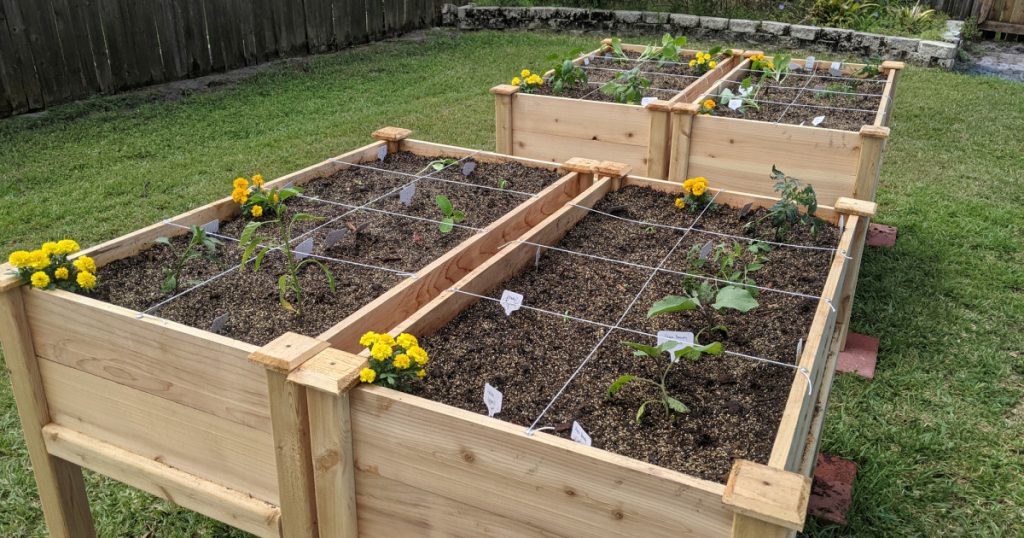
Are you ready to grow your own fresh vegetables but don’t have a lot of space or time? Square foot gardening might be the perfect solution for you.
It’s a simple, efficient way to maximize your garden in a small area, making every inch count. Imagine harvesting fresh herbs, colorful veggies, and crisp greens right outside your door without the hassle of a huge garden. In this guide, you’ll learn easy steps to set up your own square foot garden, so you can start growing food that’s healthy, tasty, and rewarding.
Keep reading to discover how simple it can be to turn a small patch of soil into a thriving garden full of life.
Benefits Of Square Foot Gardening
Square foot gardening is a simple way to grow many plants in a small space. It uses a grid to divide the garden into small sections.
This method helps you grow more food in less space and makes gardening easier and cleaner.
Saves Space
Square foot gardening uses a small area to grow many plants. You can grow vegetables in a small backyard or balcony.
This method lets you grow plants close together without crowding them.
Reduces Weeding
The garden uses special soil that helps block weeds. Plants grow close, so weeds have less room to grow.
You spend less time pulling weeds and more time enjoying your garden.
Uses Less Water
Plants in square foot gardens get water directly to their roots. This cuts down on water waste.
It is a good way to save water, especially in dry areas.
Easy To Manage
Gardens are small and neat. This makes planting, watering, and harvesting easy for all ages.
You can garden without bending much or using heavy tools.
Increases Crop Variety
You can grow many types of plants in one garden by using the grid system. Each square can have a different vegetable or herb.
This lets you enjoy fresh, home-grown food all season long.
Credit: www.joelsleppy.com
Choosing The Right Location
Picking the best spot is key for a healthy square foot garden. It affects how well your plants will grow and how easy it is to care for them.
Look at your yard and think about the place that gets the best sunlight and has good soil. This will help your garden thrive.
Sunlight Requirements
Most vegetables need at least six hours of direct sunlight every day. More sun means better growth and stronger plants.
- Choose a spot that is not shaded by trees or buildings.
- Check sunlight at different times of the day to find the brightest area.
- South-facing locations usually get the most sun.
- Make sure the area stays bright from morning until late afternoon.
Soil And Drainage Considerations
Good soil and proper drainage help plants get the nutrients and water they need. Avoid places where water pools after rain.
| Soil Feature | What to Look For | Why It Matters |
| Texture | Loamy, crumbly soil | Holds water and air well for roots |
| Drainage | Water drains within a few hours | Prevents root rot and fungus |
| pH Level | Between 6.0 and 7.0 | Best range for most vegetables |
Gathering Materials
Starting a square foot garden requires some key materials. Gather everything before you begin planting. This helps you work smoothly without interruptions.
Focus on three main parts: the garden frame, soil mix, and tools. Each part plays an important role in your garden’s success.
Garden Frame Options
You can build your garden frame from different materials. Choose one that fits your space and budget. Make sure it is sturdy and easy to move if needed.
- Wood: Easy to cut and assemble. Use untreated wood to avoid chemicals.
- Recycled pallets: Eco-friendly and cost-effective. Sand rough edges before use.
- Concrete blocks: Durable and long-lasting. Good for permanent gardens.
- Metal frames: Lightweight but strong. Check for rust resistance.
Soil Mix Ingredients
The right soil mix helps plants grow well in small spaces. The mix should drain water but hold enough moisture. It also needs nutrients for healthy roots.
| Ingredient | Purpose | Amount |
|---|---|---|
| Compost | Provides nutrients | 1 part |
| Peat moss or coconut coir | Retains moisture | 1 part |
| Vermiculite or perlite | Improves drainage | 1 part |
Tools You’ll Need
Having the right tools makes planting easier and more fun. Gather these basic tools before you start your garden.
- Garden trowel for digging small holes
- Hand rake to smooth soil
- Watering can or hose with gentle spray
- Gloves to protect your hands
- Measuring tape or ruler to mark square feet
Building The Garden Bed
Creating a square foot garden starts with building a strong garden bed. This bed will hold your soil and plants safely. It needs to be sturdy and the right size.
In this guide, learn how to construct the frame and prepare the soil mix. These steps make your garden healthy and easy to manage.
Constructing The Frame
Choose wood or other materials to make your garden bed frame. It should be square or rectangular with a height of 6 to 12 inches.
- Use untreated cedar or redwood to avoid chemicals.
- Cut four pieces of wood to your desired length.
- Join corners with screws or nails for stability.
- Place the frame on level ground.
- Check the frame is square by measuring diagonals.
Preparing The Soil Mix
Good soil mix helps plants grow well in small spaces. Combine ingredients to keep soil loose and rich in nutrients.
| Ingredient | Amount (for 1 cubic foot) | Purpose |
|---|---|---|
| Compost | 1/3 | Adds nutrients |
| Peat Moss or Coconut Coir | 1/3 | Improves moisture retention |
| Vermiculite | 1/3 | Helps aeration and drainage |
Planning Your Garden Layout
Planning your square foot garden helps you use space well. Good planning makes gardening easier and more fun.
Knowing where to place plants can improve growth and yield. Think about plant types, space, and how plants work together.
Selecting Plants
Choose plants that fit your climate and soil. Pick vegetables and herbs you like to eat. Some plants grow better in small spaces.
- Pick plants that mature quickly
- Include a mix of leaf, root, and fruit vegetables
- Choose plants with similar water needs
- Start with easy-to-grow varieties
Spacing And Companion Planting
Plant spacing is key in a square foot garden. Too close can stop growth. Companion plants help each other grow better.
| Plant | Space Needed | Good Companions |
|---|---|---|
| Carrots | 3 inches | Onions, Lettuce |
| Tomatoes | 12 inches | Basil, Marigold |
| Spinach | 6 inches | Strawberries, Peas |
| Peppers | 12 inches | Carrots, Onions |

Credit: www.goodhousekeeping.com
Planting Seeds And Seedlings
Square foot gardening is a simple way to grow plants. You can plant seeds and seedlings in a small space.
This method saves space and makes gardening easy. You will learn how to plant seeds and seedlings effectively.
Planting Techniques
Proper planting techniques help your plants grow strong. You can use seeds or seedlings to start your garden.
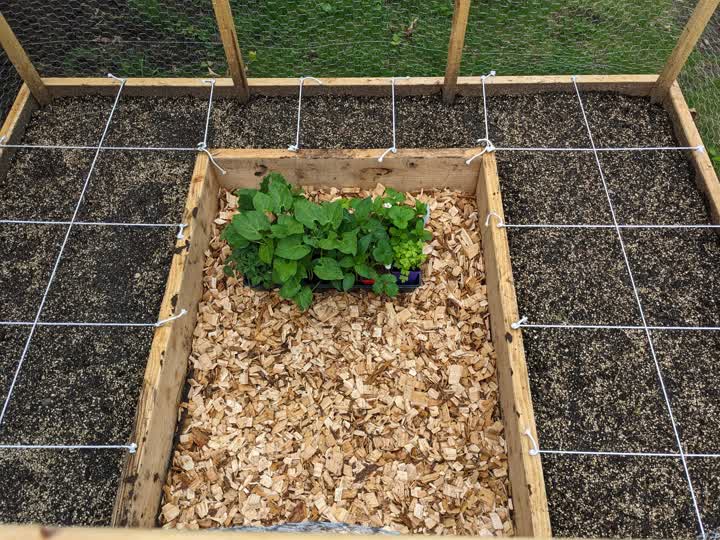
- Mark the square foot sections with string or sticks.
- Loosen the soil with a trowel before planting.
- Plant seeds at the depth specified on the packet.
- Space seedlings evenly, allowing room for growth.
Watering Tips
Watering is crucial for a healthy garden. Too much or too little water can harm your plants.
Use a watering can with a gentle shower head. This ensures even watering without disturbing the soil.
| Plant Type | Watering Frequency |
| Seedlings | Every 2-3 days |
| Established Plants | Once a week |
| Succulents | Once every 10 days |
Maintaining Your Garden
Keeping your square foot garden healthy takes regular care. You need to watch for weeds, pests, and soil health. Simple steps help your plants grow strong.
Good garden maintenance saves time and gives better harvests. Let’s look at how to keep your garden in top shape.
Weeding And Mulching
Remove weeds often to stop them from stealing water and nutrients. Mulching helps keep weeds down and protects soil moisture.
- Pull weeds by hand early in the day
- Apply a 2-3 inch layer of organic mulch like straw or leaves
- Keep mulch a few inches away from plant stems
- Check mulch regularly and add more as needed
Pest Control Strategies
Watch your plants daily for bugs or damage. Use safe methods to keep pests away without harming your garden.
| Pest | Control Method |
| Aphids | Spray with soapy water or use ladybugs |
| Slugs | Place crushed eggshells around plants |
| Caterpillars | Handpick and remove them |
| Whiteflies | Use yellow sticky traps |
Fertilizing For Growth
Feed your garden with nutrients to help plants grow strong and healthy. Use natural fertilizers for best results.
- Add compost to your soil before planting
- Use liquid seaweed or fish emulsion every two weeks
- Apply bone meal or blood meal for extra nutrients
- Follow package instructions to avoid over-fertilizing

Credit: seedingsquare.ca
Harvesting For Maximum Yield
Harvesting your square foot garden at the right time helps you get the most food. Picking vegetables and herbs carefully keeps plants healthy.
Good harvesting habits let you enjoy fresh produce longer. It also encourages plants to grow more and produce again.
When To Harvest
Harvest vegetables when they are ripe but not overripe. Each plant has a best time to pick for best taste and nutrition.
Watch the size, color, and feel of fruits and leaves to know when to harvest. Picking too early or too late can reduce yield.
- Leafy greens: Pick leaves when they are young and tender.
- Tomatoes: Harvest when fully colored but firm.
- Peppers: Pick when they reach desired size and color.
- Herbs: Cut before flowers appear for best flavor.
- Root vegetables: Harvest when roots are large enough but before becoming woody.
Harvesting Methods
Use clean, sharp tools or your hands to harvest. This prevents damage to plants and helps them keep growing.
Harvest regularly to encourage new growth. Remove only what you need to keep the plant producing longer.
- Snip herbs with scissors or garden shears.
- Twist or cut fruits and vegetables gently from the stem.
- Pull root vegetables carefully to avoid breaking them.
- Handle produce gently to avoid bruises.
- Clean tools between uses to prevent disease spread.
Troubleshooting Common Issues
Square foot gardening is simple but can face some common problems. Knowing how to fix these helps your garden grow well.
This guide covers dealing with pests, managing plant diseases, and fixing growth problems in your garden.
Dealing With Pests
Pests can eat your plants and stop them from growing. Watch for bugs and signs of damage early to act fast.
- Use natural predators like ladybugs to control aphids.
- Handpick bigger pests such as caterpillars and beetles.
- Spray plants with a mix of water and mild soap to remove small insects.
- Cover plants with netting to keep birds and insects away.
- Remove dead leaves and debris to reduce hiding spots for pests.
Managing Plant Diseases
Diseases can spread quickly and kill plants. Keep plants healthy by checking leaves and stems often.
| Disease | Symptoms | Action |
| Powdery Mildew | White powder on leaves | Remove affected leaves; improve air flow |
| Leaf Spot | Dark spots on leaves | Use disease-free seeds; water at base |
| Root Rot | Wilting; brown roots | Fix drainage; avoid overwatering |
Addressing Growth Problems
Plants may grow slowly or stop growing. Check soil, water, and light to find the cause.
- Test soil for nutrients and pH balance.
- Water plants evenly; avoid dry or soggy soil.
- Make sure plants get enough sunlight each day.
- Thin crowded plants to give space for roots.
- Use compost or natural fertilizer to boost growth.
Frequently Asked Questions
What Is Square Foot Gardening And How Does It Work?
Square foot gardening divides a garden bed into 1-foot squares. Each square grows different plants, maximizing space and yield. It simplifies planning, reduces weeds, and saves water, making gardening efficient and accessible for beginners and experts alike.
How Do I Prepare Soil For A Square Foot Garden?
Use a mix of compost, peat moss, and vermiculite for soil. This blend ensures good drainage, nutrients, and moisture retention. Avoid compacted or clay-heavy soil to promote healthy root growth and better plant development.
Which Plants Grow Best In A Square Foot Garden?
Leafy greens, herbs, tomatoes, peppers, and root vegetables thrive well. Choose plants with similar sunlight and water needs for easy care. Crop diversity helps prevent pests and improves soil health naturally.
How Often Should I Water A Square Foot Garden?
Water your garden daily or when soil feels dry. Square foot gardens dry out faster due to raised beds and dense planting. Use a gentle watering method to avoid soil erosion and plant damage.
Conclusion
Planting a square foot garden is simple and rewarding. You only need a small space and some basic tools. Plant seeds or seedlings in each square, spacing them well. Water regularly and watch your garden grow. This method saves time and space while giving you fresh vegetables.
Anyone can start, even with little experience. Try it today and enjoy homegrown food soon. Gardening this way makes growing plants easy and fun. Give your garden some care, and it will thrive.







