
Imagine stepping into a garden where every plant, path, and piece of art tells a story. Dumbarton Oaks is such a place, a masterpiece of garden design that captivates all who visit.
But who are the creative minds behind this enchanting garden? If you’re curious about the genius responsible for its breathtaking beauty and want to discover the secrets of its design, you’re in the right place. This article will unveil the people who transformed Dumbarton into a horticultural wonder, and you’ll learn how their vision continues to inspire and delight visitors.
Get ready to explore the captivating history and artistry that make Dumbarton Gardens a must-see destination.
Dumbarton Oaks: A Historical Overview
Nestled in the heart of Washington, D.C., Dumbarton Oaks is a historic treasure. This serene estate is famous for its stunning gardens and rich history. It has been a center for research, art, and culture for many years.
The Origin Of Dumbarton Oaks
Dumbarton Oaks was originally part of a 1700s land grant. The property changed hands several times before being transformed into a splendid estate. The transformation began when Mildred and Robert Woods Bliss purchased it in 1920.
The Role Of Mildred And Robert Woods Bliss
Mildred and Robert Woods Bliss were key figures in shaping Dumbarton Oaks. They envisioned a place for art, culture, and scholarly research. Their dedication turned the property into a renowned cultural hub.
Designing The Gardens
The gardens at Dumbarton Oaks are a masterpiece of landscape design. Beatrix Farrand, a prominent landscape architect, designed these gardens. Her vision and creativity brought the gardens to life.
Transforming The Estate
The Blisses transformed Dumbarton Oaks into a center for learning. They wanted a place for scholars to study and share ideas. This vision continues today, with Dumbarton Oaks hosting various programs.
A Hub For Art And Culture
Dumbarton Oaks is not just about gardens. It also houses a museum with an impressive art collection. This includes Byzantine and Pre-Columbian art, attracting visitors from around the world.
Preserving History
The estate is committed to preserving its historical legacy. Efforts are made to maintain the gardens and buildings. This ensures future generations can enjoy and learn from this historic site.
The Visionaries Behind The Garden
Dumbarton Oaks Garden stands as a testament to vision and creativity. Two remarkable individuals shaped its beauty. Their unique skills and insights gave life to this historic garden.
Beatrix Farrand: The Landscape Architect
Beatrix Farrand was a pioneering landscape architect. Her designs combined natural beauty with human art. Farrand understood plant life deeply. She used her knowledge to create harmonious spaces. Her vision was to blend nature seamlessly with architecture.
Farrand’s work included thoughtful plant selection. She considered seasonal changes carefully. Her gardens were not just beautiful; they were dynamic and evolving. Farrand’s attention to detail was unmatched. Her designs balanced elegance with practicality.
Mildred Bliss: The Patron’s Influence
Mildred Bliss was the heart behind Dumbarton Oaks. Her passion for art and nature guided the project. Bliss envisioned a garden that inspired and educated. She was deeply involved in the design process. Her commitment ensured the garden’s success.
Bliss supported Farrand’s creative ideas. She trusted Farrand’s expertise completely. Bliss’s dedication to the garden was unwavering. Her influence extended beyond design. She fostered a space for cultural and intellectual growth. Her legacy is a garden that enchants and enlightens.
Design Elements And Inspirations
The gardens at Dumbarton Oaks are renowned for their unique design elements and inspirations. These gardens blend history, art, and nature into a harmonious landscape. Each section showcases a thoughtful approach to garden design, offering a tranquil escape from the bustling city life.
Influence Of European Gardens
European gardens played a significant role in shaping Dumbarton Oaks. The designers drew inspiration from classic English and French styles. Symmetrical patterns and carefully curated plantings reflect this influence. The use of terraces and structured hedges mirrors traditional European design principles. These elements create a sense of order and elegance throughout the gardens.
Integration With Natural Landscape
Dumbarton Oaks seamlessly integrates with its natural surroundings. The designers respected the existing terrain, incorporating native plants and trees. This approach enhances the garden’s beauty while preserving local ecology. The use of natural materials like stone and wood further connects the gardens to the landscape. Paths wind through natural features, offering visitors a serene journey.
Credit: www.facebook.com
Artistic Contributions And Collaborations
The gardens at Dumbarton were designed by renowned landscape architect Beatrix Farrand. Her artistic vision and collaborations created a serene and beautiful space.
Artistic Contributions and Collaborations Dumbarton Oaks’ garden is not just a collection of plants; it’s a canvas of artistic contributions and collaborations. The garden’s design reflects the combined vision of artists and craftsmen who worked together to create a unique masterpiece. These collaborations have given the garden its distinct charm, making it a destination for those who appreciate beauty and creativity.Artists And Craftsmen Involved
Behind the garden’s enchanting layout are the skilled hands and creative minds of various artists and craftsmen. Notable figures like Beatrix Farrand, a pioneering landscape architect, played a crucial role in shaping its design. Her collaboration with artisans ensured that every corner of the garden was a blend of nature and art. The garden’s creation wasn’t a solo endeavor. It involved masons, ironworkers, and carpenters who meticulously crafted the garden’s physical features. Each artist contributed their expertise, resulting in a harmonious blend of natural beauty and artistic expression.Unique Features And Installations
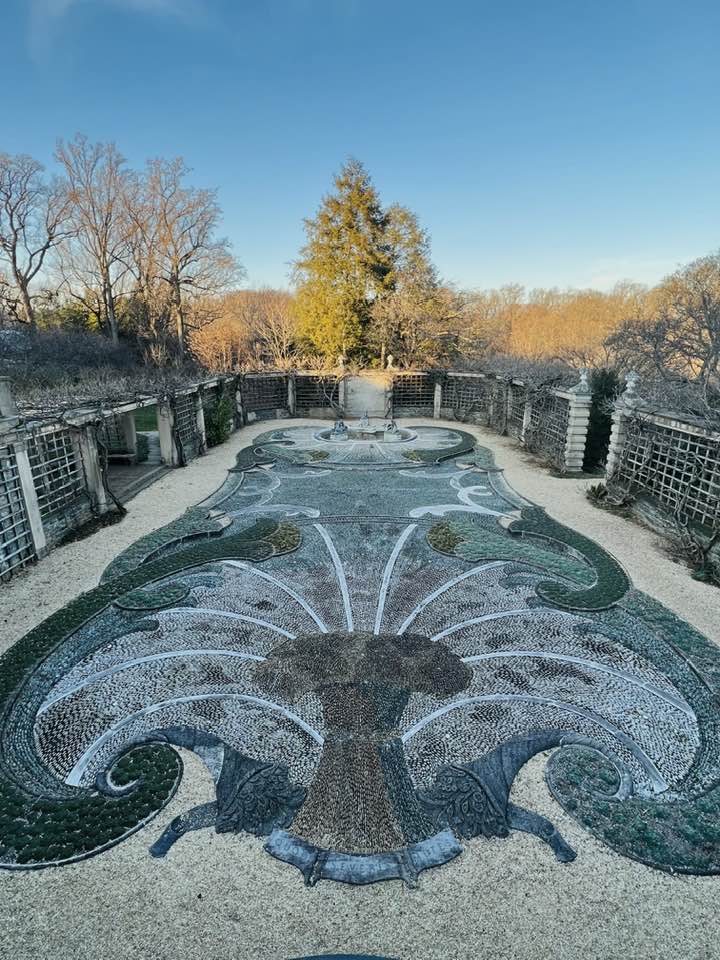
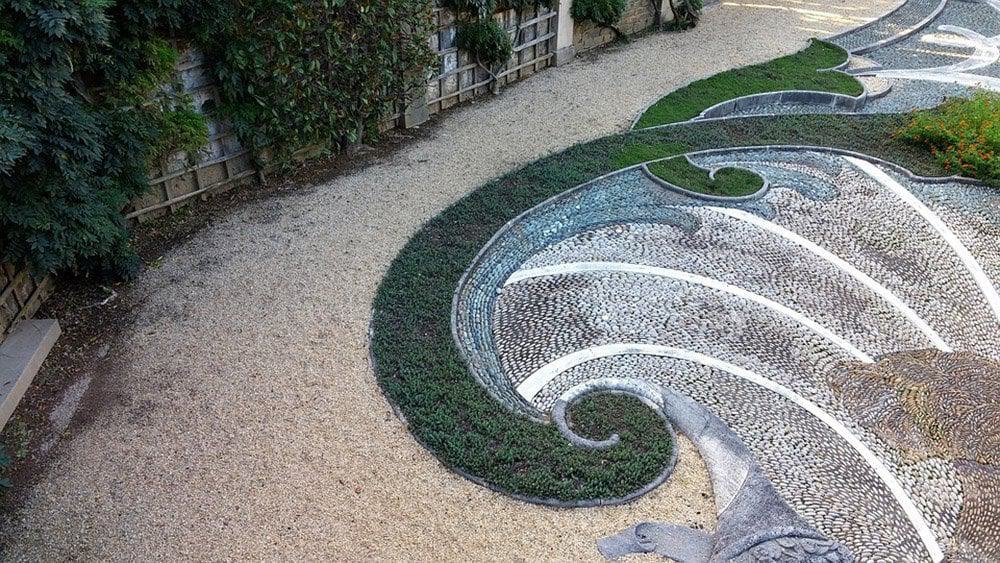
Dumbarton Oaks’ garden is dotted with unique features that captivate visitors. One standout installation is the Orangery, a beautiful structure designed to house exotic plants. Its elegant architecture adds a touch of sophistication, inviting visitors to pause and admire. Another fascinating feature is the Pebble Garden, where intricate patterns are laid out using small stones. This area demonstrates the meticulous attention to detail that went into the garden’s design. Have you ever noticed the use of sculptures in gardens? At Dumbarton Oaks, sculptures are not mere decorations; they are integral to the garden’s storytelling. Each piece adds layers of meaning and invites you to engage with the space in a deeper way. These artistic contributions and collaborations have made Dumbarton Oaks a garden that invites exploration and reflection. As you wander through its paths, consider the myriad of hands that came together to create such a breathtaking oasis. What stories do these collaborations tell, and how do they inspire your own creative endeavors?Evolution Of The Garden Design
Beatrix Farrand designed the garden at Dumbarton Oaks. Her work blends European and American styles. The garden showcases natural beauty and intricate landscapes.
The ‘Evolution of the Garden Design’ at Dumbarton Oaks is a fascinating journey that reflects the dynamic interplay between nature and human creativity. Over the years, the garden has transformed from a simple landscape into a masterpiece that harmonizes artistic vision with ecological sensibility. This transformation tells a story of adaptation, restoration, and preservation that continues to captivate visitors and garden enthusiasts alike.Adaptations Over Time
The garden’s design has adapted remarkably over the decades to accommodate both aesthetic and practical needs. The original design aimed to create a serene escape, but as years passed, changes were made to address environmental factors and visitor preferences. You might wonder how these adaptations have shaped the garden’s current form. Imagine walking through an area that seamlessly blends historical elements with modern features—such as eco-friendly pathways and drought-resistant plants. These adaptations ensure the garden remains a living space that resonates with today’s ecological challenges.Restoration And Preservation Efforts
Maintaining the garden’s historical integrity while embracing modern ecological practices has been a priority. Restoration efforts have focused on reviving the garden’s original beauty, using techniques that are both respectful and innovative. Think of the meticulous care taken to preserve ancient trees or the delicate restoration of historic fountains. These efforts not only protect the garden’s legacy but also invite you to ponder the balance between history and innovation. How can you apply such thoughtful preservation in your own garden spaces? The dedication to preservation reflects a commitment to maintaining the garden’s role as a timeless piece of art, ensuring its beauty for future generations. It’s an ongoing dialogue between the past and present, inviting you to appreciate the delicate art of garden design.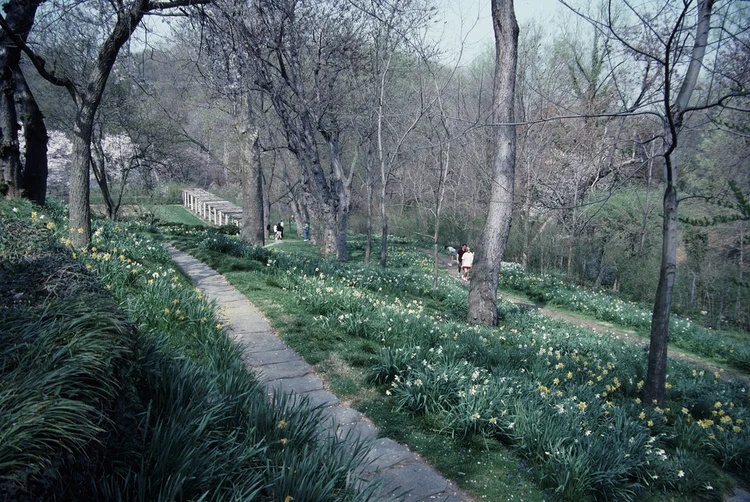
Credit: www.osgf.org
Impact On Modern Landscape Design
Garden design at Dumbarton Oaks has a lasting influence on modern landscape design. Its unique blend of art and nature offers insights into contemporary practices. Designers often seek inspiration from its harmonious integration of elements. The garden’s innovative approach continues to shape ideas in landscape architecture today.
Legacy Of Dumbarton Oaks
Dumbarton Oaks holds a prominent place in landscape history. Its design reflects a deep understanding of nature and culture. The garden’s creators crafted spaces with careful attention to detail. This legacy influences modern designers seeking timeless beauty. Dumbarton Oaks showcases how landscapes can evoke emotions and stories. Its enduring appeal is evident in contemporary gardens worldwide.
Inspiration For Contemporary Designers
Modern designers often draw inspiration from Dumbarton Oaks. Its innovative use of plants and structures serves as a guide. The garden’s balance between art and nature fascinates today’s landscape architects. They explore similar themes in their own projects. Dumbarton Oaks encourages creativity and exploration in modern design. It inspires new ways to create immersive outdoor experiences.
Credit: www.jonite.com
Frequently Asked Questions
Who Designed The Dumbarton Garden?
The garden at Dumbarton was designed by Beatrix Farrand. She was a renowned landscape architect. Farrand’s work at Dumbarton Oaks is celebrated for its intricate design and botanical diversity. Her vision created a harmonious blend of nature and architecture, making it a historic and visually stunning garden.
What Is The Style Of Dumbarton Garden?
Dumbarton garden showcases a Beaux Arts style. This style is characterized by its formal layout and symmetry. It includes terraces, vistas, and intricate pathways. Farrand’s design blends classical elements with natural beauty, creating a space that is both elegant and inviting.
When Was Dumbarton Garden Created?
Dumbarton garden was created in the early 20th century. The garden’s development began in 1920. Under Farrand’s guidance, it evolved over several decades. Her meticulous planning ensured each area complemented the estate’s architecture. Today, it’s a testament to early American landscape design.
Why Visit Dumbarton Garden?
Visiting Dumbarton garden offers a glimpse into landscape artistry. It’s a serene escape with beautifully curated spaces. The garden’s historical significance adds depth to its charm. Visitors can enjoy its rich plant collections, peaceful ambiance, and stunning design. It’s perfect for nature and history enthusiasts alike.
Conclusion
Dumbarton’s garden design reflects history and beauty. Every corner tells a story. It’s a place where nature meets art. Visitors feel peace and joy. The garden designers understood harmony. Their skills brought life to each plant. This garden is a treasure in the city.
A place for everyone to enjoy. Walking through it feels magical. Each step uncovers nature’s wonders. The garden invites you to explore. Experience its charm and elegance. Find serenity among flowers and trees. Dumbarton’s garden design leaves a lasting impression.







