Imagine stepping into your backyard and being greeted by a lush, vibrant plant garden that you created with your own hands. This isn’t just a dream; it can be your reality.
Whether you have a spacious yard or a tiny balcony, transforming it into a thriving plant garden is simpler than you might think. You don’t need to be a seasoned gardener or own fancy tools. With a bit of guidance and some creativity, you can cultivate a beautiful garden that brings joy, fresh air, and even some delicious herbs to your doorstep.
Why settle for ordinary when you can create something extraordinary? The satisfaction of nurturing plants, watching them grow, and enjoying their beauty is unmatched. Plus, did you know that spending time in a garden can boost your mood and reduce stress? It’s not just a hobby; it’s a way to enhance your well-being. Are you ready to dive into the world of gardening and unleash your inner green thumb? Stick around as we guide you through the steps of creating a plant garden that will become your personal oasis. From selecting the right plants to mastering watering techniques, we’ve got you covered. Let’s turn your gardening dreams into reality!
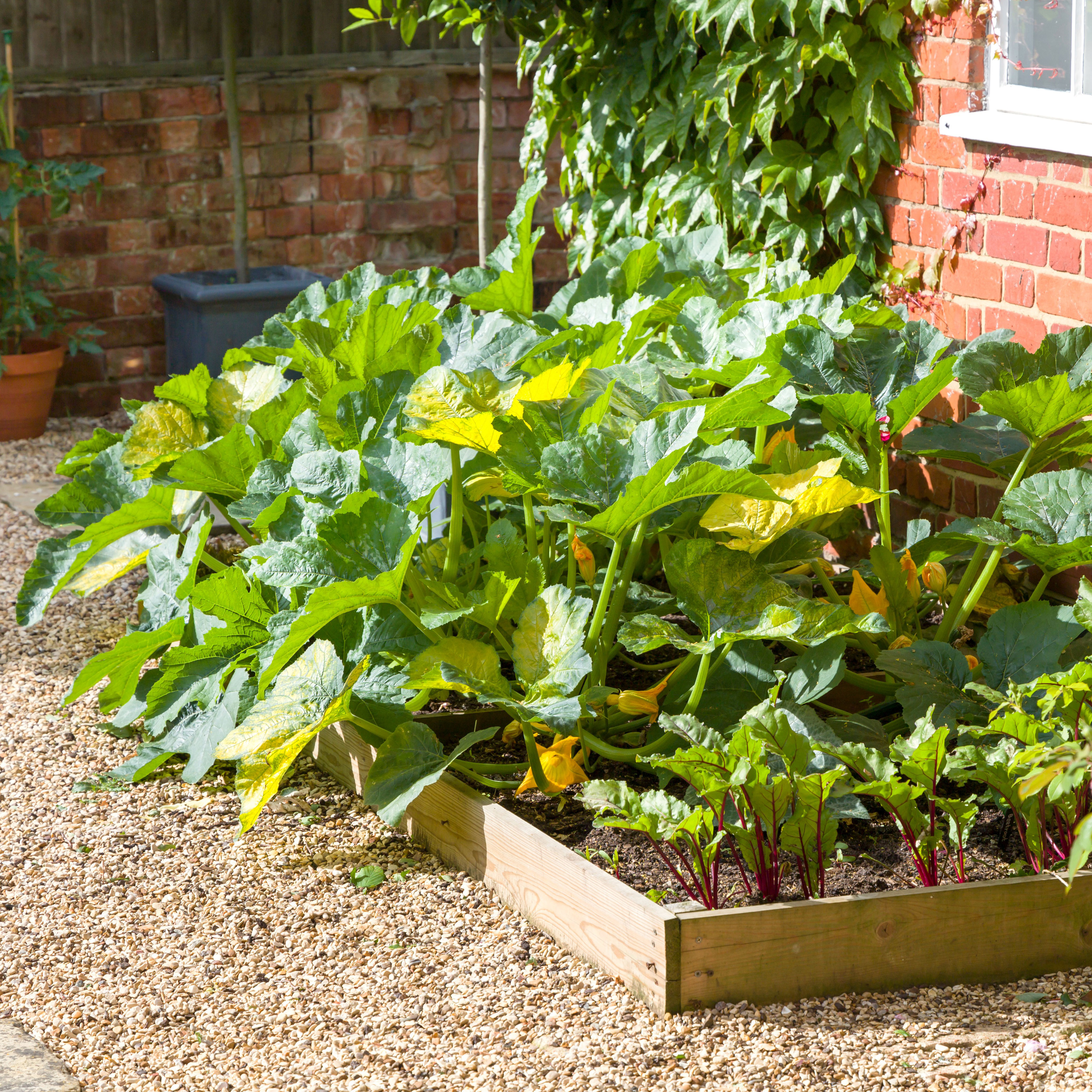
Credit: www.gardeningknowhow.com
Choosing The Right Location
Selecting the ideal spot for a plant garden is crucial. Look for sunlight and good soil drainage. Avoid areas with heavy foot traffic to protect plants.
Choosing the right location for your plant garden is crucial. The spot you pick can determine how well your plants grow. It’s not just about aesthetics; your garden needs the ideal environment to flourish. Consider factors such as sunlight, soil quality, and space. Each element plays a vital role in the health of your garden.Assessing Sunlight And Shade
Plants have different sunlight needs. Some love the sun, while others thrive in shade. Observe your yard at different times of the day. Note areas with direct sunlight and those with shade. A garden that gets six hours of sun is ideal for most plants. Shade-loving plants do well under trees or beside buildings. Understanding these patterns helps in choosing the right plants for each area.Considering Soil Quality
Healthy soil is the foundation of any garden. Check the soil type and texture where you plan to plant. Sandy soil drains quickly but may lack nutrients. Clay soil holds water but can be compact. Test the soil for pH levels. Most plants prefer neutral to slightly acidic soil. Improve soil quality by adding organic matter like compost. This enriches the soil and supports plant growth.Evaluating Space And Accessibility
Space is another key factor in garden planning. Ensure there’s enough room for plants to spread. Crowded gardens can lead to disease and poor growth. Accessibility is equally important. Consider how you will water and maintain your garden. Paths should be clear for easy access. Make sure you can reach all parts of the garden without difficulty. This makes gardening enjoyable and efficient.Selecting Plants For Your Garden
Choosing the right plants for your garden depends on climate and soil type. Consider sunlight and water needs too. Select plants that complement each other for a balanced garden.
Creating a plant garden is an exciting endeavor that can transform your outdoor space into a vibrant oasis. Whether you’re a seasoned gardener or a beginner, selecting the right plants is crucial for a thriving garden. This section will guide you through the essential aspects of choosing plants that suit your garden’s unique characteristics.Picking Plant Varieties
Choosing the right plant varieties is like setting the foundation for your garden. Consider the overall theme or style you want to achieve. Are you aiming for a lush tropical look or a simple, minimalist design? Check the size, color, and texture of plants. A mix of tall, medium, and ground-cover plants can add layers and depth. If you’re unsure, visit a local nursery to see what’s available and ask for advice based on your preferences.Understanding Plant Needs
Each plant has its own set of requirements. Know the sunlight needs of your plants. Some thrive in full sun, while others prefer shade. Soil type is another key factor. Test your soil to understand its composition. Watering needs differ too. Some plants require frequent watering, while drought-resistant ones need less. Knowing these needs ensures your plants are healthy and happy.Seasonal Plant Choices
Think about the seasons when selecting plants. Some plants bloom in spring, while others peak in summer or fall. Choosing a variety that blooms at different times ensures your garden remains colorful year-round. Consider how your climate affects plant growth. If you live in a region with harsh winters, opt for hardy perennials or annuals that can withstand cold temperatures. Are you ready to make your garden a masterpiece? With the right plant selections, your garden can become a place of beauty and relaxation.Designing Your Garden Layout
Designing your garden layout is an exciting part of creating a plant garden. A well-thought-out design enhances both beauty and function. This section guides you on crafting a garden that’s both pleasing and practical.
Creating Focal Points
Focal points draw the eye and create interest. Select a striking plant or a unique sculpture. Place them where they can be seen from different angles. This adds depth and intrigue.
Focal points can also guide movement through the garden. Choose elements that fit the garden’s theme. This creates a cohesive look and feel.
Incorporating Pathways
Pathways offer a way to explore the garden. Use stones, gravel, or wood chips for different textures. Ensure paths lead to key areas or views. This makes wandering enjoyable and purposeful.
Paths should be wide enough for comfortable walking. Curved paths add a sense of mystery and discovery. Straight paths can create a formal look.
Balancing Aesthetics And Function
A garden should be beautiful and practical. Balance ornamental plants with vegetables or herbs. This provides visual appeal and useful produce.
Consider the growth habits of plants. Taller plants can provide shade for others. Ensure plants have enough space to thrive.

Credit: www.goodhousekeeping.com
Gathering Essential Gardening Tools
Gathering essential gardening tools is the first step in making a plant garden. Equip yourself with gloves, a trowel, and a watering can to begin cultivating your green space. Having the right tools makes planting and maintaining your garden easier and more enjoyable.
Gathering essential gardening tools is the first step in creating a thriving plant garden. The right tools make gardening easier and more enjoyable. From basic tools to specialized equipment, each plays a role in nurturing your plants. Let’s explore the must-have tools for your garden.Basic Gardening Tools
Begin with a few basic tools to get started. These tools are essential for any gardener:- Shovel: Perfect for digging holes and moving soil.
- Rake: Helps in leveling soil and removing debris.
- Garden fork: Ideal for turning soil and aerating beds.
- Hoe: Useful for weeding and cultivating soil.
- Pruning shears: Necessary for cutting branches and stems.
Specialized Equipment
Specialized tools enhance your gardening experience. They cater to specific needs:- Watering can or hose: Ensures plants get the right amount of water.
- Wheelbarrow: Useful for transporting heavy loads around the garden.
- Plant markers: Help in identifying different plants.
- Soil tester: Checks soil pH levels for healthy plant growth.
- Garden gloves: Protect hands from thorns and rough materials.
Tool Maintenance Tips
Taking care of your tools prolongs their life. Here are some maintenance tips:- Clean tools after each use to prevent rust.
- Sharpen blades regularly for efficient cutting.
- Store tools in a dry place to avoid moisture damage.
- Oil moving parts to ensure smooth operation.
- Check for any damage and repair promptly.
Preparing The Soil
Preparing the soil is essential for a thriving plant garden. Begin by removing weeds and rocks to create a clean base. Add organic matter like compost to enrich the soil and improve drainage.
Preparing the soil is the first step in creating a thriving plant garden. Healthy soil provides nutrients and support for plants. This ensures they grow strong and beautiful. Let’s explore how to prepare your soil effectively.Soil Testing And Amendments
Testing your soil is crucial. It helps determine pH and nutrient levels. Get a soil test kit from a gardening store. Follow the instructions for accurate results. If the soil is too acidic, add lime. If it’s too alkaline, add sulfur. These amendments balance the soil pH. Add organic matter to improve soil texture. Compost and aged manure work well. They enrich the soil with nutrients.Composting Basics
Composting creates rich, nutrient-filled soil. Start by collecting kitchen scraps. Vegetable peelings, fruit scraps, and coffee grounds are great. Avoid meat and dairy products. They attract pests. Layer these scraps with yard waste. Use leaves, grass clippings, and small branches. Turn the pile weekly to aerate it. This speeds up decomposition. In a few months, you’ll have dark, crumbly compost.Mulching Techniques
Mulching protects and nourishes your soil. It retains moisture and suppresses weeds. Organic mulches include straw, wood chips, and leaves. Spread them evenly around plants. Keep mulch a few inches from plant stems. This prevents rot. Inorganic mulches like gravel are also an option. They last longer but don’t add nutrients. Choose a mulch that suits your garden style.Planting Techniques
Creating a plant garden involves choosing the right location with adequate sunlight. Prepare the soil by loosening it and adding compost. Plant seeds or seedlings with proper spacing to ensure healthy growth.
Creating a plant garden can be a rewarding and fulfilling experience. The key to success lies in the planting techniques you use. Understanding the nuances of planting depth, spacing, and watering can make all the difference in the health and growth of your garden. Let’s dive into these essential aspects to ensure your plants thrive.Proper Planting Depth
The depth at which you plant is crucial for root development. Plant too shallow, and roots can dry out; too deep, and they might struggle to access oxygen. A general rule of thumb is to plant seeds at a depth that’s twice their diameter. For seedlings, ensure the root ball is level with the soil surface. I once planted tomatoes too deep, thinking it would offer more support. They struggled initially until I adjusted them to the correct depth, and they flourished.Spacing Guidelines
Proper spacing is vital for plant health. Crowded plants compete for light, water, and nutrients, leading to stunted growth. Use seed packets or plant labels for specific spacing recommendations. Imagine a garden where each plant has room to breathe. A friend of mine planted her herbs too closely, and they tangled together, struggling to grow. Once she spaced them properly, they thrived, producing a bounty of fresh flavors.Watering Strategies
Watering can make or break your garden. Too much water can drown roots, while too little can dehydrate them. The key is consistency and observation. Water early in the morning to minimize evaporation. I used to water my plants in the evening, only to find them struggling with mold. Switching to morning watering changed everything, promoting healthier, stronger plants. Keep these techniques in mind as you plant your garden. What unique challenges have you faced when planting? Consider these factors, and watch your garden grow with vitality and vigor.Caring For Your Garden
Creating a plant garden involves selecting suitable plants and preparing the soil. Ensure adequate sunlight and water supply. Regular maintenance, like pruning and weeding, keeps the garden healthy and thriving.
Caring for your garden ensures its growth and beauty. It requires dedication and attention to detail. A few simple practices can make a big difference. Focus on watering, fertilization, and pest control.Regular Watering Schedule
Watering is essential for plant health. Create a schedule to meet your plants’ needs. Check soil moisture before watering. Avoid overwatering, which can harm roots. Use a watering can or hose with a gentle spray. Early morning is the best time to water. This reduces evaporation and fungal risks.Fertilization Practices
Fertilizers provide essential nutrients to plants. Choose the right fertilizer for your garden type. Organic options like compost enrich soil naturally. Apply fertilizers during growing seasons. Follow package instructions for the right amount. Over-fertilizing can harm plants and the environment.Pest And Disease Management
Pests and diseases can damage your garden. Inspect plants regularly for signs of trouble. Use natural remedies first, like neem oil or soap sprays. Encourage beneficial insects, like ladybugs, that eat pests. Keep the garden clean to prevent diseases. Remove dead leaves and debris promptly. Rotate crops yearly to minimize disease risk.Enhancing Garden Beauty
Create a beautiful garden by carefully choosing plants that thrive in your region. Arrange them for visual appeal, ensuring each plant has enough space and light. Regular care and maintenance, like watering and pruning, will keep your garden vibrant and healthy.
Enhancing the beauty of your plant garden can transform it into a serene oasis. Aesthetics play a pivotal role in creating a welcoming garden. Integrating thoughtful design elements can elevate your garden’s charm. Let’s explore some creative ways to enhance garden beauty.Using Decorative Elements
Decorative elements can add personality to your garden. Consider using colorful pots to create vibrant focal points. Weather-resistant sculptures can introduce unique artistic touches. Arrange stones or pebbles to form pathways or borders. These simple additions can elevate the garden’s visual appeal.Incorporating Wildlife Habitats
Wildlife habitats can bring life and movement to your garden. Birdhouses attract a variety of birds, adding melody and color. Bee hotels can support pollinators, enhancing plant growth. Small water features create a haven for frogs and beneficial insects. These habitats enrich the ecosystem and the garden’s beauty.Lighting For Ambiance
Garden lighting sets the mood for evening enjoyment. Solar-powered lights are eco-friendly and cost-effective. String lights can create a magical atmosphere for gatherings. Spotlights highlight special plants or structures. With the right lighting, your garden remains a stunning retreat, day or night.Sustainable Gardening Practices
Creating a plant garden involves using eco-friendly techniques that benefit both plants and the environment. Choose native plants to reduce water usage and enhance biodiversity. Composting kitchen scraps enriches the soil naturally, promoting healthy plant growth without chemical fertilizers.
Creating a plant garden can be a rewarding experience. Sustainable gardening practices benefit both the environment and your garden. Implementing eco-friendly methods helps maintain a healthy, thriving ecosystem. Sustainability involves using resources wisely, promoting biodiversity, and reducing waste. Here are some practical steps for a sustainable garden.Water Conservation Tips
Conserving water in your garden is essential. Use rain barrels to collect rainwater. This saves tap water and reduces your water bill. Drip irrigation systems deliver water directly to plant roots. They minimize evaporation and water waste. Mulching helps retain soil moisture and reduces the need for frequent watering. Choose drought-resistant plants that require less water. Native plants are usually well-adapted to local climate conditions.Organic Gardening Methods
Organic gardening avoids synthetic pesticides and fertilizers. Use compost to enrich soil naturally. Composting reduces waste and improves soil health. Beneficial insects like ladybugs control pests organically. Companion planting deters harmful insects and promotes plant growth. Rotate crops to prevent soil nutrient depletion. This practice maintains soil fertility and reduces pest issues.Recycling And Upcycling Ideas
Recycling and upcycling in gardening reduce waste. Old containers can serve as planters. Transform broken pots into charming garden art. Create pathways with recycled bricks or stones. Use discarded wood to build raised beds. Upcycle glass bottles into garden borders. These practices give new life to old items and add unique touches to your garden.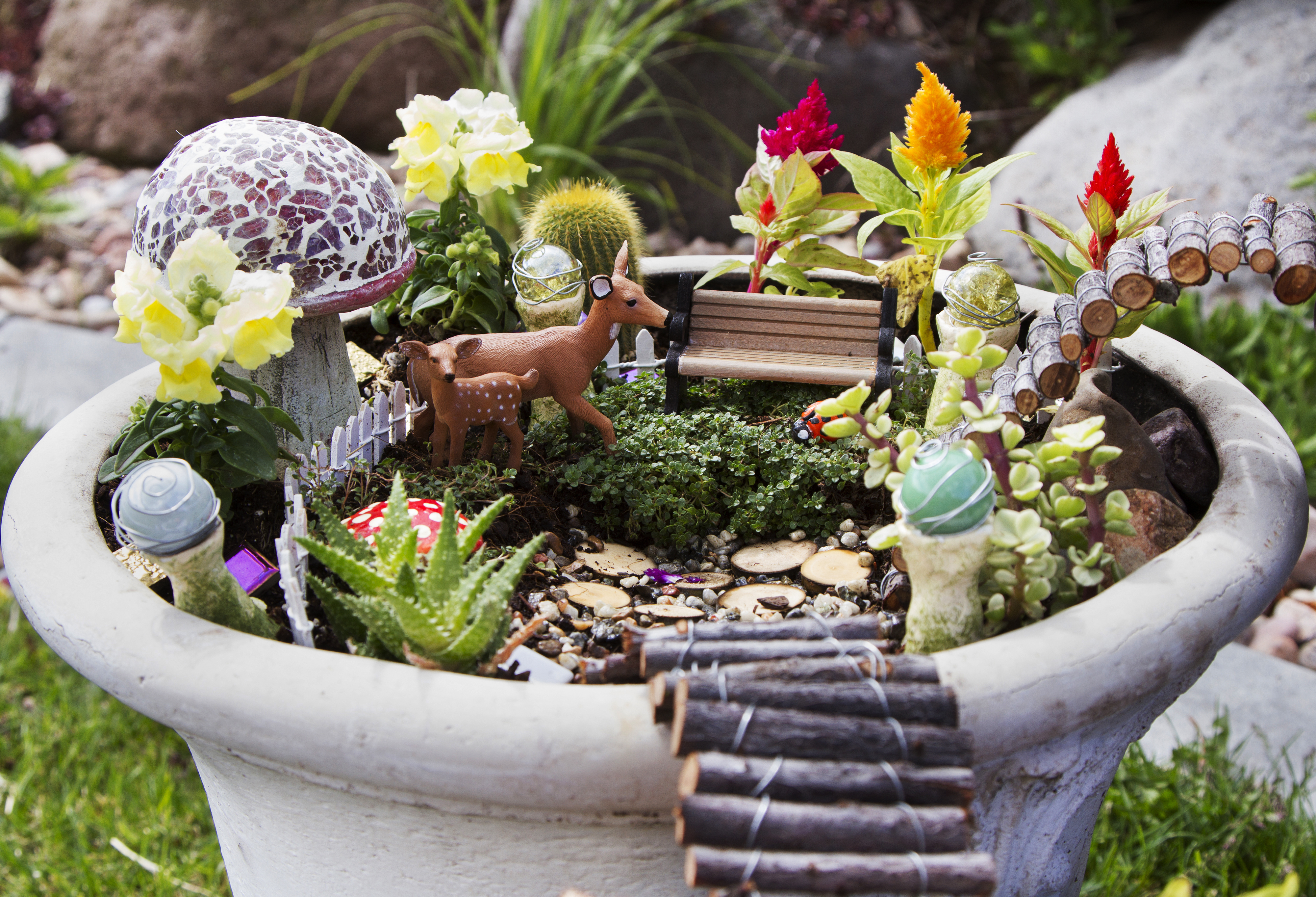
Credit: www.wagnergreenhouses.com
Seasonal Maintenance
Preparing your plant garden for seasonal changes is essential. Regularly check soil moisture, prune plants, and remove debris. Ensure plants receive appropriate sunlight and nutrients to thrive throughout the year.
Creating a thriving plant garden involves more than just planting seeds and watching them grow. Seasonal maintenance plays a crucial role in ensuring your garden remains healthy and vibrant throughout the year. Understanding the specific tasks associated with each season can help you manage your garden efficiently and keep it flourishing.Spring And Summer Tasks
Spring is a time of renewal. Begin by clearing away dead leaves and debris to give new growth a chance to thrive. It’s also the perfect time to aerate the soil and add nutrients. Consider using organic compost to enrich the soil. During summer, focus on watering routines. Early morning or late evening watering helps reduce evaporation. Regularly check plants for pests and diseases, and address any issues promptly to prevent them from spreading.Fall And Winter Preparations
As fall approaches, start preparing your garden for the colder months. Prune back perennials and remove any plants that have completed their lifecycle. Add a layer of mulch to protect the roots from frost and retain soil moisture. In winter, keep an eye on your garden structures. Heavy snow can damage fences and trellises. Protect delicate plants with burlap or garden fleece to shield them from harsh weather.Year-round Garden Planning
A successful garden thrives on year-round planning. Keep a garden journal to track plant growth, weather patterns, and any issues that arise. This will help you make informed decisions for future planting seasons. Consider the layout of your garden. Rotate crops annually to prevent soil depletion and reduce pest issues. Regularly assess your garden’s needs and adjust your maintenance schedule accordingly. How will you adapt your garden maintenance routine to the changing seasons? Each season brings unique challenges and opportunities, and with the right approach, your garden can flourish all year long.Frequently Asked Questions
What Is The Best Soil For A Plant Garden?
The best soil for a plant garden is well-draining, rich in organic matter, and slightly acidic. Combining compost and peat moss can improve soil quality. Test soil pH to ensure optimal conditions for plant growth. Adjusting soil composition helps nourish plants and supports healthy root development.
How Often Should I Water My Garden Plants?
Water garden plants when the top inch of soil feels dry. Frequency depends on plant type, weather, and soil. Generally, water deeply once or twice a week. Early morning is ideal for watering to reduce evaporation. Ensure consistent moisture, but avoid overwatering to prevent root rot.
What Plants Are Easy For Beginners?
Beginners can start with hardy plants like marigolds, sunflowers, and basil. These plants require minimal care and thrive in various conditions. Choose native plants for easier maintenance. Consider the climate and sunlight when selecting plants. Starting with easy plants helps build confidence in gardening skills.
How Do I Prevent Pests In My Garden?
Prevent pests by maintaining healthy plants, using organic pest control methods, and encouraging beneficial insects. Remove debris and weeds that harbor pests. Regularly inspect plants for signs of infestation. Companion planting and crop rotation can help deter pests naturally. Integrated Pest Management (IPM) strategies are effective.
Conclusion
Creating a plant garden is simpler than it seems. Start with the basics. Choose plants suitable for your climate. Prepare the soil well. Water regularly. Protect from pests. Watch your garden grow. Enjoy the beauty and peace it brings. Gardening refreshes your mind.
It connects you with nature. Share your gardening experiences with friends. Inspire others to plant. With patience and care, anyone can build a thriving garden. Begin today, nurture your garden, and relish the rewards. Remember, every garden begins with a single seed.
Happy planting!