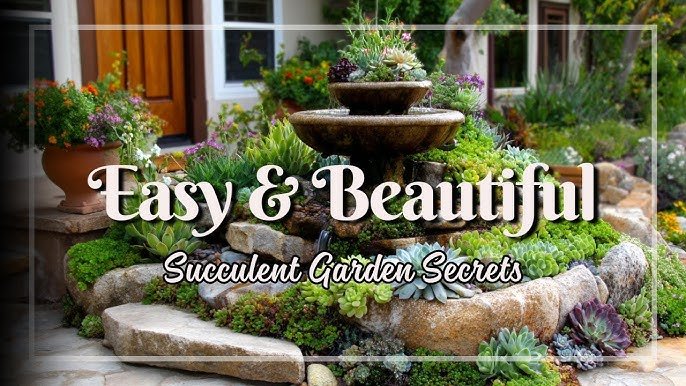
Imagine stepping into your backyard and being greeted by a stunning array of colors and textures. An outdoor succulent garden offers this delightful experience, transforming any outdoor space into a vibrant oasis.
You’re about to discover how simple it can be to design your own succulent paradise. Whether you’re a seasoned gardener or a complete beginner, the process is easier than you might think and offers endless possibilities for creativity. You will learn how to select the right succulents, arrange them harmoniously, and ensure they thrive in your unique environment.
This guide will empower you with practical tips and inspiring ideas, making your dream garden a reality. Get ready to unleash your creativity and craft an outdoor space that’s not only beautiful but also low-maintenance and eco-friendly. Dive into the world of succulents, where your artistic flair meets nature’s resilience. Your perfect garden awaits.
Choosing The Right Location
Selecting the right spot for your outdoor succulent garden is crucial. Ensure the area receives plenty of sunlight. Good drainage is essential to prevent waterlogged soil, which succulents dislike.
Choosing the right location for your outdoor succulent garden is a crucial step in ensuring your plants thrive. The location can make or break the success of your garden. By paying attention to a few key factors, you can set the stage for a flourishing succulent display.Sunlight Requirements
Succulents love sunlight, but not all can handle the intensity of direct rays all day long. Aim for a spot that gets at least six hours of morning sunlight, as afternoon sun can be too harsh. Watch how the sun moves across your yard to find the perfect balance for your succulents.Protection From Elements
While succulents are hardy, they do need some protection from extreme weather. Consider the wind and rain exposure in your chosen spot. A location with a bit of natural windbreak or partial cover can prevent damage from harsh elements.Accessibility Considerations
Your succulent garden should be easy to access for regular care. Choose a spot that’s convenient for watering and maintenance. Think about how often you’ll tend to your plants and ensure the location is within easy reach. Do you have a favorite corner in your yard that could transform into a vibrant succulent oasis?
Credit: succulentsbox.com
Selecting Succulent Varieties
Creating an outdoor succulent garden begins with selecting the right varieties. Succulents offer beauty, ease of care, and adaptability. Choosing the right types ensures a vibrant and sustainable garden. Consider factors like climate, size, growth, color, and texture. Each aspect plays a vital role in the garden’s success.
Climate Compatibility
Succulents thrive in specific climates. It’s crucial to know your local weather conditions. Some succulents prefer hot, dry climates. Others can handle cooler temperatures and humidity. Research which succulents match your area’s climate.
Size And Growth Patterns
Think about the space you have. Succulents vary in size and growth. Some grow tall and wide, others stay compact. Choose varieties that fit your garden space. Ensure they don’t outgrow the area, disrupting your garden’s layout.
Color And Texture Diversity
Succulents boast a wide range of colors and textures. This variety adds visual interest to your garden. Mix different colors like greens, reds, and purples. Include textures ranging from smooth to spiky. This diversity creates a dynamic and appealing garden.
Soil And Drainage Essentials
Soil and Drainage Essentials Choose well-draining soil for your succulent garden to prevent root rot. Slightly sloped ground helps with drainage.
Designing an outdoor succulent garden is an exciting venture, but understanding soil and drainage essentials is crucial. Poor soil and drainage can spell disaster for your succulents, leading to root rot and other issues. Let’s delve into the specifics to ensure your succulent garden thrives.Ideal Soil Composition
Succulents flourish in soil that mimics their natural arid environment. You want a fast-draining mix that prevents water from pooling around the roots. A blend of coarse sand, potting soil, and perlite or pumice works wonders. The sand ensures quick drainage, while perlite or pumice adds aeration. You can find pre-mixed cactus soil at garden centers, but customizing your mix often yields better results. Experiment with ratios to see what your succulents love best.Improving Drainage
Good drainage is non-negotiable. If your soil retains too much moisture, your succulents might struggle. Consider planting on a slight slope or creating mounds to encourage water runoff. Adding gravel or small stones at the bottom of planting areas can also help. Ensure that your garden has adequate exposure to sunlight, as this aids in drying out the soil efficiently. Remember, soggy soil is the enemy of healthy succulents.Avoiding Common Soil Mistakes
One common mistake is using regular garden soil. It’s often too dense and retains water, which can suffocate succulent roots. Resist the temptation to over-fertilize; succulents are low-maintenance and don’t need much feeding. Avoid packing soil too tightly around your plants. Loose soil encourages better root growth and drainage. Always check the pH balance of your soil, aiming for a neutral to slightly acidic level, as excessively alkaline or acidic soil can hinder growth. Are you noticing your succulents looking a bit under the weather? It might be time to reassess your soil and drainage strategy. By fine-tuning these elements, you’ll create a flourishing succulent garden that’s a joy to behold.Creating A Layout Plan
Creating a layout plan for an outdoor succulent garden involves selecting varied succulents and arranging them for visual appeal. Consider sunlight, soil type, and drainage to ensure healthy growth. Integrate pathways and decorative elements for a charming and functional garden space.
Designing an outdoor succulent garden is a rewarding project that promises both beauty and functionality. Whether you’re a seasoned gardener or a beginner, creating a layout plan is crucial to ensure your garden thrives. A well-thought-out plan not only enhances the aesthetic appeal but also ensures that your succulents have the ideal growing conditions. Let’s dive into the essential components of crafting this plan.Design Principles
Understanding design principles is the first step toward a successful layout. Consider balance, proportion, and unity in your garden. Balance can be achieved by placing larger succulents in the center or at the edges, while smaller plants fill the spaces in between. Proportion ensures that your garden doesn’t look overcrowded or too sparse. Unity ties the garden together, perhaps by using a consistent color theme or shape.Incorporating Hardscapes
Hardscapes play a critical role in the structure and visual interest of your succulent garden. Think about pathways made from stones or gravel that complement the natural aesthetic of succulents. Adding elements like wooden benches or decorative pots can provide functional spaces for relaxation while enhancing the garden’s appeal. Consider how these features will interact with your plants and overall design.Balancing Aesthetics And Function
Balancing aesthetics and function is key to a garden that pleases the eye and serves a purpose. Create a focal point, such as a striking succulent arrangement, to draw attention and anchor the space. Ensure pathways are wide enough for easy access and maintenance. Ask yourself: Does the design allow for optimal sunlight and water drainage? By addressing these questions, you ensure your garden is not only beautiful but also sustainable and easy to maintain.Planting Techniques
Designing an outdoor succulent garden involves selecting well-draining soil and arranging plants in visually appealing patterns. Consider varying heights, colors, and textures to create balance and interest. Use rocks and pebbles to enhance aesthetics and support drainage.
Designing an outdoor succulent garden can be an incredibly rewarding experience. The key to success lies in the planting techniques you choose. Getting these right ensures your succulents thrive and create a stunning visual display. Let’s explore some essential techniques to help you plant your succulents like a pro.Spacing And Depth
Proper spacing is crucial for the health and growth of your succulents. When planting, make sure to leave enough space between each plant. This gives them room to grow and access sunlight and nutrients without competition. Dig a hole that’s slightly wider than the root ball. Place the succulent at the same depth it was in its pot. This helps prevent rot and ensures the roots establish well in their new home.Transplanting Tips
Transplanting can be tricky, but it’s manageable with a few tips. Handle the succulents gently to avoid damaging the leaves or roots. Use a small shovel or your hands to carefully remove the plant from its pot. Once removed, check the roots. Trim any dead or overly long roots before placing the succulent in its new spot. This encourages healthier growth and prevents overcrowding.Watering Methods Post-planting
Watering is critical, especially right after planting. Initially, give your succulents a good soak to settle the soil and hydrate the roots. However, let the soil dry out completely before the next watering. Overwatering is a common mistake that can lead to root rot. Consider the climate and adjust your watering schedule accordingly. If you’re in a humid area, you’ll need to water less frequently.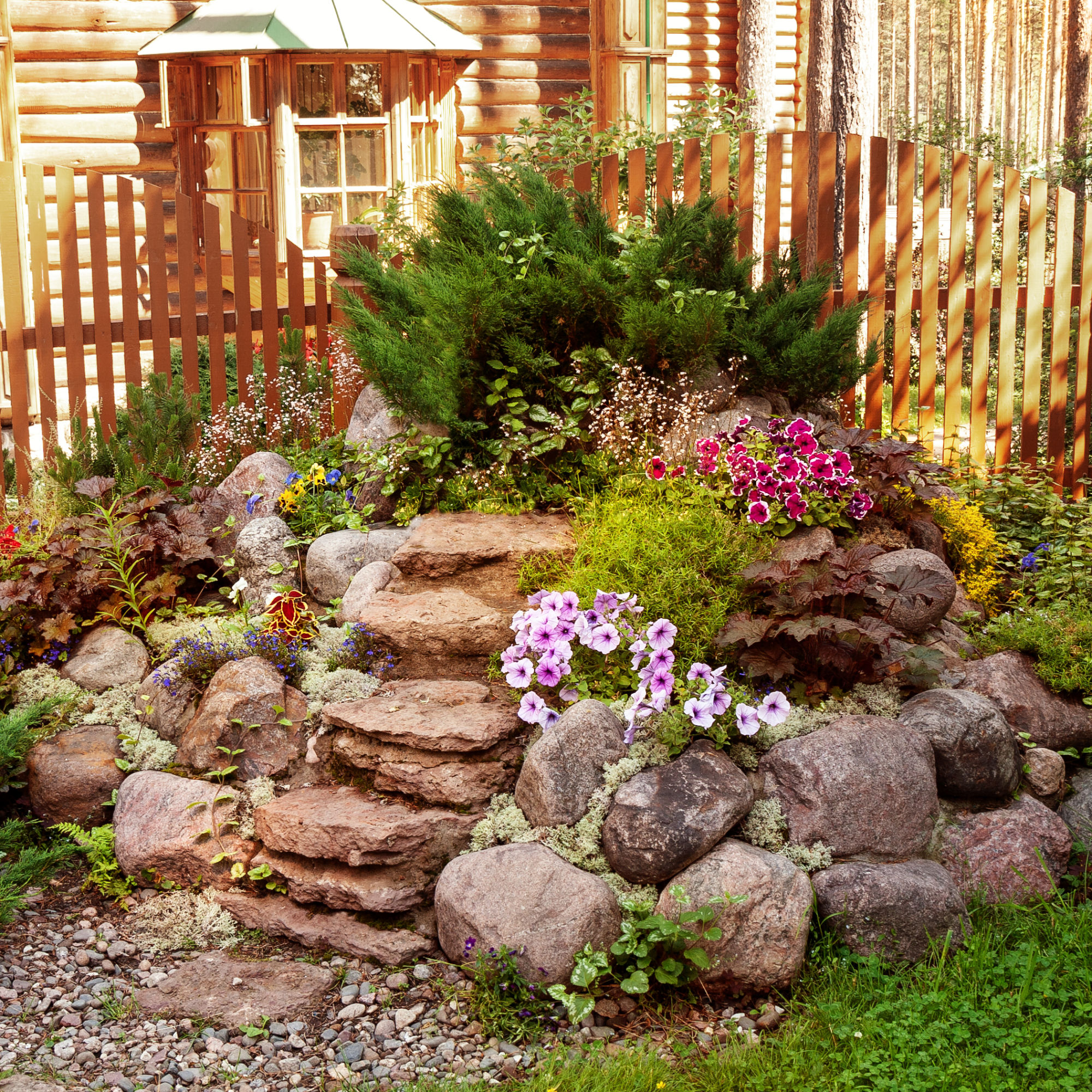
Credit: www.gardeningknowhow.com
Maintenance And Care
Regular watering is crucial, especially in dry climates. Remove dead leaves to prevent pests and maintain plant health. Check for well-draining soil to avoid root rot.
Designing an outdoor succulent garden is an exciting venture, but proper maintenance and care are crucial for its success. Succulents are generally low-maintenance, but they still require specific attention to thrive. Let’s dive into the key aspects of keeping your succulent garden healthy and vibrant.Watering Schedule
Finding the right watering schedule is essential. Succulents are drought-tolerant, meaning they don’t need frequent watering. However, they do need deep watering when the soil is completely dry. A good rule of thumb is to water once every two weeks in warm weather. In cooler months, reduce watering to once a month. Always check the soil moisture before adding water; a moisture meter can be a handy tool for this.Pest And Disease Control
Succulents are generally resistant to pests, but they’re not immune. Common issues include aphids and mealybugs. If you notice any unusual spots or insects, act quickly. Use a gentle insecticidal soap or neem oil to address pests. Also, ensure your plants have proper airflow to prevent fungal diseases. Regularly inspect your plants; early detection is key to preventing widespread issues.Seasonal Adjustments
Your succulent garden will need some adjustments as seasons change. In summer, provide some shade to prevent sunburn, especially during peak hours. Conversely, in winter, protect your succulents from frost by using frost cloths or relocating them to a sheltered area. Consider the microclimate of your garden. Is there a spot that gets more wind or less sun? Adjust your care techniques accordingly. Each season presents new challenges and opportunities for your succulent garden, so stay attentive and flexible. By investing a little time and attention, your outdoor succulent garden can remain a beautiful and thriving oasis year-round. What unique challenges have you faced with your succulent care, and how have you overcome them?Enhancing With Accessories
Enhancing your outdoor succulent garden with accessories brings life to your space. Accessories add charm and character. They also reflect personal style.
Thoughtful additions can transform a simple garden into a stunning oasis.
Decorative Elements
Decorative elements make your garden visually appealing. Use colorful pots to create contrast. Choose stone statues for a classic look.
Bird baths can add a whimsical touch. Wind chimes introduce soothing sounds. They elevate the garden’s ambiance.
Lighting Options
Lighting highlights the beauty of your garden at night. Solar lights are energy-efficient. They offer a soft glow.
String lights create a cozy atmosphere. Lanterns provide a rustic vibe. Position them strategically for the best effect.
Complementary Plant Choices
Select plants that thrive with succulents. Lavender adds fragrance and color. Ornamental grasses give texture.
Aloe vera brings height variation. Be mindful of sunlight and water needs. The right plants enhance garden harmony.
Sustainability Practices
Creating an outdoor succulent garden requires thoughtful planning to support sustainability. Select drought-resistant plants that thrive in dry climates, reducing water usage. Arrange succulents in well-draining soil, enhancing their growth while minimizing environmental impact.
Designing an outdoor succulent garden is not only about aesthetics but also about embracing sustainability. By making eco-conscious choices, you can create a garden that thrives while being kind to the environment. Implementing sustainable practices can enhance the beauty and functionality of your garden, creating a harmonious space for both plants and wildlife.Eco-friendly Materials
When selecting materials for your garden, consider those that are eco-friendly. Opt for recycled or reclaimed materials to minimize your carbon footprint. For example, using reclaimed wood for garden borders or pathways can add rustic charm while being sustainable. Choose biodegradable pots for your succulents to reduce waste. Clay pots are a great option as they allow air and water movement while being environmentally friendly. Think about using natural mulch like bark or cocoa shells to retain soil moisture and prevent weeds.Water Conservation Strategies
Water is a precious resource, and succulents are naturally drought-tolerant, making them ideal for water-saving gardens. Install a drip irrigation system to deliver water directly to the plants’ roots, minimizing evaporation and waste. This approach not only conserves water but also supports healthy plant growth. Consider rainwater harvesting by setting up barrels to collect rainwater from your roof. Use this to water your succulents during dry spells. Grouping succulents with similar watering needs can further optimize water usage and ensure your plants thrive.Encouraging Local Wildlife
Your succulent garden can be a sanctuary for local wildlife if designed thoughtfully. Plant native flowering succulents to attract pollinators like bees and butterflies. These creatures play a crucial role in maintaining a healthy ecosystem and will appreciate the nectar your garden provides. Incorporate rocks and logs to create habitats for small animals and insects. These elements offer shelter and nesting sites, encouraging biodiversity. Ask yourself, what small changes can you make to invite more wildlife into your garden? By making mindful choices, your outdoor succulent garden can be a beacon of sustainability, benefiting both the environment and the local community.
Credit: www.youtube.com
Frequently Asked Questions
What Are The Best Succulents For Outdoors?
The best outdoor succulents include Sedum, Agave, Echeveria, and Sempervivum. These varieties are drought-tolerant and can withstand varying weather conditions. They thrive in well-draining soil and sunny locations. These succulents also require minimal maintenance, making them ideal for outdoor gardens.
Ensure they have enough space to grow and showcase their beauty.
How Do I Choose The Right Location?
Choose a spot with ample sunlight for your succulent garden. Most succulents need at least six hours of direct sunlight daily. Ensure the location has well-draining soil to prevent root rot. Avoid areas that collect water after rain. Good air circulation is also essential for healthy growth.
What Soil Is Best For Succulents?
Succulents prefer well-draining soil, often a cactus mix or sandy soil. This prevents waterlogging and root rot. You can improve drainage by adding perlite or coarse sand. Avoid using regular potting soil, as it retains too much moisture. The right soil ensures healthy growth and vibrant succulents.
How Often Should I Water Outdoor Succulents?
Water outdoor succulents once every two weeks, depending on the climate. Ensure the soil is completely dry before watering again. Overwatering can lead to root rot and other issues. During hotter months, you may need to water more frequently. Adjust your watering schedule based on weather conditions.
Conclusion
Creating your own outdoor succulent garden is a fun project. It’s simple and requires little maintenance. Succulents add life and color to any space. They thrive in dry conditions and need minimal water. Choose varieties that suit your climate. Arrange them in creative patterns.
Use rocks and gravel for texture. Ensure proper drainage to prevent root rot. Enjoy watching your garden grow and change. Feel proud of your green oasis. Share the beauty with friends and family. Experience nature’s wonders in your backyard. Your succulent garden can be a peaceful retreat.
A small slice of nature’s beauty at your fingertips.







