Imagine stepping into your backyard and being greeted by a vibrant display of fresh vegetables, ready to be harvested. Having your own vegetable garden, no matter the size, is not just a dream—it’s entirely achievable.
But with limited space, how do you design a garden that maximizes yield and minimizes effort? You’re about to discover the secrets to creating the best design for your small backyard vegetable garden. As you read on, you’ll find practical tips that will transform your outdoor space into a thriving oasis of homegrown goodness.
You might think small spaces limit your options, but the truth is, a well-designed garden can offer more than you ever imagined. Whether you’re a seasoned gardener or a complete beginner, this guide will provide you with insights to cultivate your garden efficiently and effectively. Uncover the strategies that will make your gardening journey enjoyable and rewarding. Picture yourself enjoying the taste of fresh tomatoes, crisp cucumbers, and fragrant herbs—all from your own backyard. Ready to learn how? Let’s dive in and explore the possibilities that await your green thumb.
Choosing The Right Location
Selecting a sunny spot ensures vegetables get at least six hours of light daily. Check for good soil drainage to avoid waterlogging. Keep the garden near a water source for easy access.
Choosing the right location for your small backyard vegetable garden is crucial. It can determine your garden’s success. The location affects plant growth and health. A well-chosen spot ensures vibrant and productive plants.Sunlight Considerations
Sunlight is essential for vegetable growth. Most vegetables need 6-8 hours of sunlight daily. Check your backyard throughout the day. Observe where sunlight falls in the morning and afternoon. Avoid shaded areas from trees or buildings. South-facing spots usually receive the most light. Choose a location with consistent sunlight.Accessibility And Convenience
Your garden should be easy to reach. Accessibility encourages regular maintenance. Place it near your kitchen or back door. This makes harvesting and watering convenient. Ensure there’s a water source nearby. A hose or watering can should be within easy reach. Paths should be clear and safe. Avoid clutter around the garden area. Easy access motivates you to care for your plants regularly.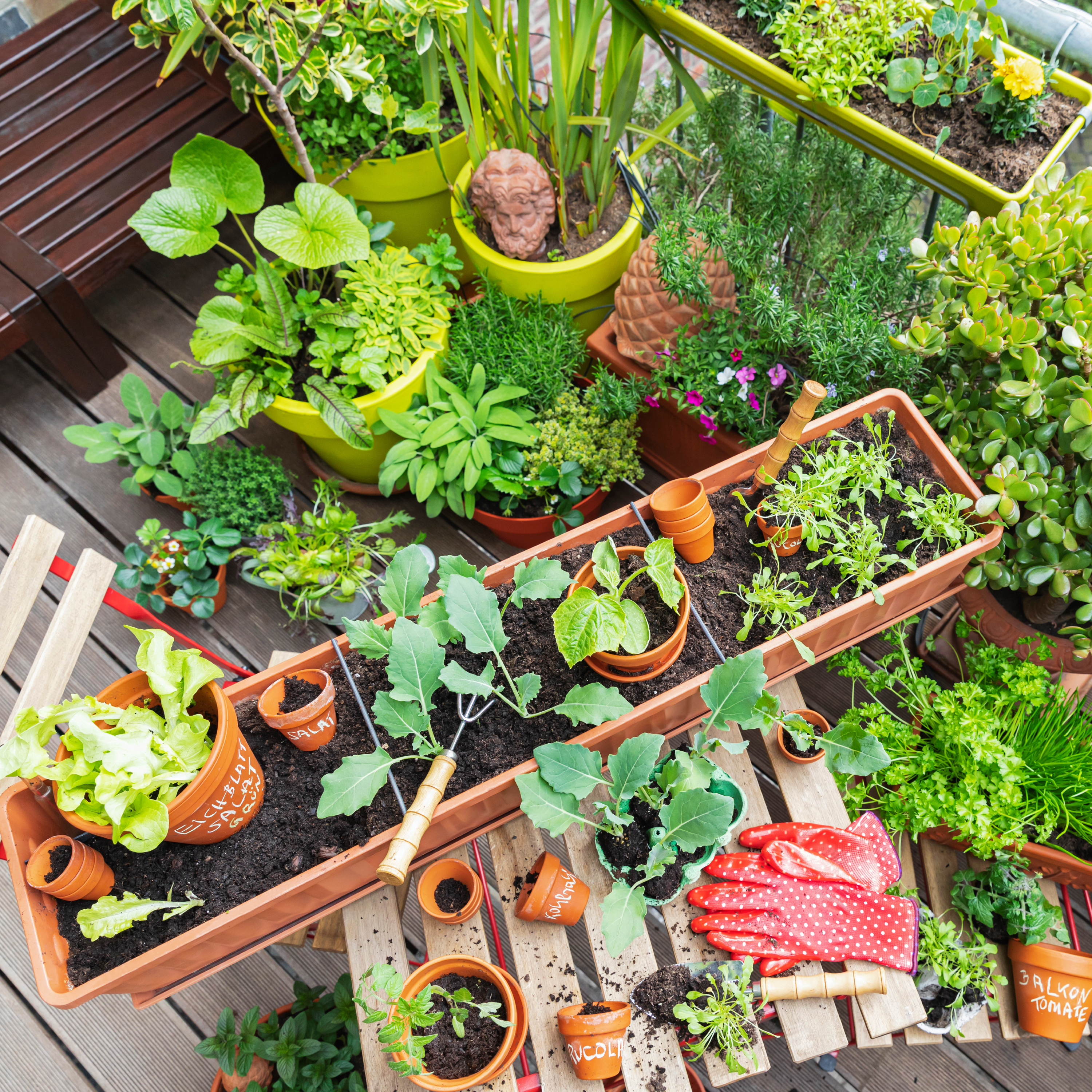
Credit: www.gardeningknowhow.com
Selecting Suitable Plants
Selecting suitable plants is key for a successful small backyard vegetable garden. Consider the climate, sunlight, and space. Choose compact, high-yield varieties like cherry tomatoes or bush beans to maximize growth in limited areas.
Selecting suitable plants for a small backyard vegetable garden is crucial. Choosing the right plants ensures a bountiful harvest and healthy growth. Consider your local climate and available space. With careful selection, your garden can be productive and beautiful.Climate-adapted Varieties
Local climate plays a key role in plant selection. Choose varieties that thrive in your area. Cold climates favor hardy greens like kale and spinach. Warm regions might be ideal for tomatoes and peppers. Check local planting guides for best results. Plants adapted to the climate often need less care. They resist local pests and diseases better. This means more time enjoying your garden.Space-efficient Choices
Space is precious in small gardens. Select plants that grow vertically or compactly. Vine plants like cucumbers can climb trellises. This saves ground space for other crops. Bush beans are great for tight spots too. Consider dwarf varieties of larger plants. They need less room but still produce well. Mixing different plant types can maximize yield. Companion planting can also enhance growth.Designing The Layout
Choosing the right layout for a small backyard vegetable garden maximizes space and boosts productivity. Raised beds, vertical gardening, and companion planting can help utilize every inch efficiently.
Designing the layout of your small backyard vegetable garden is crucial to maximizing space and boosting productivity. Whether you’re working with a tiny patch of land or a modest backyard, clever design choices can transform your garden into a thriving oasis. The layout you choose will affect everything from plant health to harvesting ease. With some thoughtful planning, you can create a garden that not only feeds your family but also adds aesthetic appeal to your outdoor space.Raised Beds Vs. Ground Planting
Raised beds offer several advantages, especially for small spaces. They allow for better drainage, warmer soil, and are easier to maintain. If you’re dealing with poor soil quality, raised beds can be a game-changer. You can fill them with high-quality soil, ensuring your vegetables get the nutrients they need. On the other hand, ground planting might be ideal if you prefer a more natural look or have good soil to start with. It can be less expensive than constructing raised beds, as you won’t need additional materials. Ground planting allows plants to spread their roots more freely, which can lead to larger yields. Ultimately, the decision between raised beds and ground planting depends on your specific needs and resources. Consider the time and budget you have available, and choose the method that aligns with your gardening goals.Incorporating Vertical Space
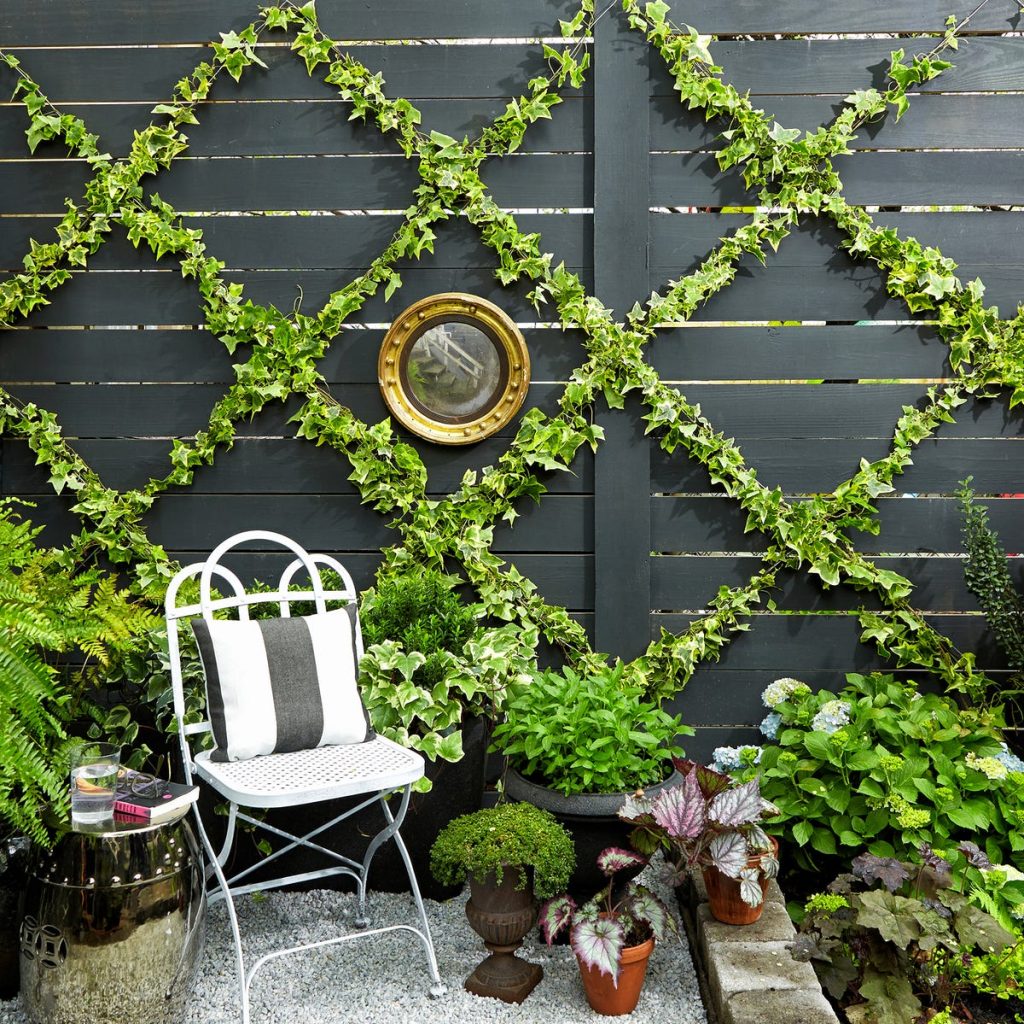
Incorporating vertical space can dramatically increase your garden’s capacity. Have you ever considered growing vegetables upwards? Vertical gardening is perfect for small backyards, utilizing trellises, fences, and walls to grow climbing plants like peas, beans, or even tomatoes. Think about how you can creatively use the vertical space available to you. Hanging pots or tiered planters can add layers to your garden, making it more visually appealing while increasing planting area. You might find that using vertical space not only saves room but also makes harvesting easier. Vertical gardening can also add an element of surprise to your garden. Imagine walking into your backyard and finding cucumbers hanging just above your eye level, ready to be picked. Could this be the secret to unlocking your garden’s full potential?Optimizing Soil And Fertility
Optimizing soil and fertility is key to transforming your small backyard into a thriving vegetable garden. A lush garden isn’t just about planting; it’s about nurturing the earth beneath. Understanding soil composition and enriching it with natural nutrients can make all the difference in your gardening success.
Soil Quality Improvement
Start by assessing the texture and pH of your soil. You can do this with a simple home test kit. Identifying whether your soil is sandy, clay, or loamy helps in determining the best amendments. If your soil is clay-heavy, consider adding sand or organic matter to improve drainage.
Once you’ve determined the type, focus on enhancing the soil structure. Incorporating organic matter like compost or aged manure can boost fertility and aeration. Mix these amendments thoroughly to ensure even distribution. You’ll notice your plants grow stronger and more resilient.
Natural Fertilizer Options
Choosing the right fertilizer is crucial for healthy plant growth. Natural options are not only eco-friendly but also effective. Consider using bone meal for phosphorus or fish emulsion for a quick nitrogen boost. These enrichments feed your plants without harming the environment.
Another great choice is worm castings, which enhance soil structure and provide essential nutrients. You might also try making your own compost tea. This liquid fertilizer is simple to create and can deliver nutrients directly to the plant roots.
Are you ready to experiment with natural fertilizers? You might find that a mix of these options offers a balanced diet for your garden. Each choice has unique benefits, so pay attention to how your plants respond and adjust accordingly.
Watering And Irrigation
Proper watering and irrigation are crucial for a small backyard vegetable garden. Drip irrigation systems can efficiently deliver water directly to plant roots, conserving water and promoting healthy growth. Regularly check soil moisture to ensure plants receive adequate hydration without overwatering.
Watering and irrigation are vital to the success of any small backyard vegetable garden. With limited space, it’s crucial to choose efficient systems that conserve water and ensure your plants thrive. By integrating smart watering techniques, you can boost your garden’s health and sustainability.Efficient Watering Systems
Implementing an efficient watering system can save time and resources. Drip irrigation is a popular choice for small gardens. It delivers water directly to the plant roots, reducing evaporation and waste. Another option is soaker hoses, which ooze water along their length, soaking the soil evenly. Consider using timers to automate watering schedules. This ensures plants receive consistent hydration, even if you’re busy or away.Rainwater Harvesting
Why not harness nature’s generosity by harvesting rainwater? Setting up a rain barrel is simple and can be done at home. Place it under a downspout to collect water every time it rains. Using rainwater not only conserves tap water but also provides your plants with chemical-free hydration. You might be surprised at how much water you can collect from just one rainstorm. Think about this: How much more self-sufficient could your garden become if you relied on rainwater alone? Engaging in these practices not only benefits your vegetables but also contributes positively to the environment. Consider starting small, experimenting with these methods, and observing the results. Your backyard garden will thank you with bountiful produce.
Credit: www.goodhousekeeping.com
Pest And Disease Management
Design a small backyard vegetable garden with raised beds for effective pest and disease management. Companion planting can deter pests naturally. Ensure proper spacing for airflow, reducing disease risk.
Pest and disease management is crucial for a thriving vegetable garden. Small backyard gardens face unique challenges. These challenges require effective strategies to protect plants. Keeping pests and diseases at bay ensures healthy growth. With the right approach, your garden can flourish.Natural Pest Control Methods
Utilizing natural methods minimizes harm to the environment. Consider attracting beneficial insects like ladybugs. Ladybugs help manage aphid populations. Planting companion plants can deter unwanted pests. Marigolds and basil are great choices. They repel insects naturally. Regularly inspect plants for early signs of pests. Remove affected leaves to prevent spread. Maintaining cleanliness reduces pest habitats.Preventing Common Diseases
Preventing diseases starts with healthy soil. Rotate crops to reduce disease buildup. This practice limits pathogens in the soil. Good air circulation prevents fungal growth. Space plants adequately for better airflow. Mulching helps maintain soil moisture levels. This reduces stress on plants, keeping them strong. Choose disease-resistant plant varieties for your garden. Regularly monitor plants for any signs of disease. Early detection allows for prompt action.Incorporating Aesthetic Elements
Selecting the best design for a small backyard vegetable garden involves incorporating aesthetic elements. Use raised beds or container gardens to enhance space efficiency and visual appeal. Add paths and trellises to create structure and charm, making the garden both functional and inviting.
Incorporating aesthetic elements in a small backyard vegetable garden enhances its charm. These elements make your garden not only productive but also visually appealing. A well-designed garden can be a peaceful retreat and a feast for the eyes. By adding decorative features, you can create a space that reflects your style.Decorative Pathways
Pathways guide you through the garden and add structure. Use materials like gravel, bricks, or wood chips. Choose colors that complement your garden’s theme. Curved paths can make the space seem larger and more inviting. Straight lines give a modern and organized look. Add small solar lights along the paths for a magical touch at night.Edible Landscaping Ideas
Combine beauty with function by integrating edible plants. Use colorful vegetables and herbs as part of the landscape. Plant red peppers, purple basil, and yellow squash for a vibrant display. Use trellises to grow climbing plants like beans and cucumbers. This saves space and adds vertical interest. Border the garden with edible flowers like nasturtiums and marigolds. They attract pollinators and keep pests away.
Credit: www.hgtv.com
Maintenance Tips
Designing a small backyard vegetable garden involves optimizing space with raised beds and vertical planters. Regularly prune plants and check soil moisture for healthy growth. Mulch helps retain moisture and control weeds, making maintenance easier.
Maintaining a small backyard vegetable garden can be rewarding and fun. Regular care ensures your garden thrives and produces healthy vegetables. Simple maintenance routines help keep plants strong and productive. Below are some essential maintenance tips to keep your garden flourishing.Seasonal Care Routines
Gardening tasks change with the seasons. In spring, prepare the soil and plant seeds. Ensure the soil is rich and well-drained. Water new plants regularly to help them grow. In summer, keep an eye on weeds and pests. Remove weeds by hand or use mulch to prevent them. Check plants for pests and use natural remedies if needed. Autumn is the time to harvest and clear dead plants. Add compost to enrich the soil for next year. In winter, protect your garden with mulch or covers. This keeps the soil healthy and ready for spring planting.Long-term Garden Health
Long-term health involves planning and care. Rotate crops each year to prevent soil depletion. This practice keeps the soil rich and lessens pest problems. Use organic compost to nourish the soil naturally. It improves soil structure and provides essential nutrients. Keep an eye on plant health throughout the year. Prune damaged or diseased parts promptly. This prevents the spread of disease and promotes growth. Monitor water levels to avoid over or under-watering. Proper hydration is key to a thriving garden.Frequently Asked Questions
How To Design A Small Vegetable Garden?
Start by assessing the available space and sunlight. Use raised beds or containers for efficient use. Plan vertical gardening to maximize space. Choose easy-to-grow vegetables like tomatoes and herbs. Ensure proper irrigation and soil quality. Regular maintenance is key for a thriving small vegetable garden.
What Vegetables Grow Best In Small Spaces?
Opt for compact and high-yield vegetables like cherry tomatoes, lettuce, and radishes. Herbs such as basil and parsley thrive in small areas. Consider dwarf varieties of larger plants. Use vertical gardening techniques for climbing plants like beans. These choices maximize productivity in limited space.
Can I Grow Vegetables In Containers?
Yes, containers are perfect for small spaces. Choose pots with good drainage. Use quality soil and ensure adequate sunlight. Vegetables like peppers, tomatoes, and herbs thrive in containers. Regular watering and fertilizing help maintain healthy growth. Container gardening offers flexibility and mobility.
How To Maximize Space In A Small Garden?
Vertical gardening helps utilize space efficiently. Use trellises or vertical planters for climbing plants. Interplant compatible vegetables to save space. Succession planting ensures continuous harvest. Opt for dwarf or compact plant varieties. Efficient planning and smart techniques maximize productivity in small gardens.
Conclusion
Creating the best design for a small backyard vegetable garden is simple. Focus on space-saving techniques. Raised beds work well. Vertical gardening maximizes room. Companion planting boosts growth. Choose easy-to-grow vegetables. Lettuce, tomatoes, and herbs thrive in small spaces. Ensure proper sunlight and watering.
Mulching retains moisture and controls weeds. Regular care leads to a fruitful harvest. Enjoy the fresh produce right from your garden. Gardening brings joy and health benefits. Start small, grow big. Your backyard can be a productive oasis. Explore and experiment to find what works best for your space.
Happy gardening!