
Imagine stepping into your backyard and feeling instantly relaxed, surrounded by beautiful plants and thoughtful design. Your back garden can be your personal oasis, a place where you unwind, entertain, and enjoy nature.
But how do you design it to reflect your style and meet your needs? Whether you have a sprawling space or a cozy plot, the right design can make all the difference. You might wonder where to start or how to decide on the best layout and features.
Don’t worry; you’re not alone. This article will guide you through simple, effective steps to transform your garden into a stunning retreat. By the end, you’ll have the confidence to create a space that not only looks amazing but feels like an extension of your home. Curious about how to achieve this? Let’s dive in and unlock the secrets to designing your perfect back garden!

Credit: www.hgtv.com
Assessing Your Space
Assessing your garden space is crucial for effective design. Observe sunlight patterns and soil quality. Measure dimensions accurately to plan layout and features.
Assessing your back garden space is the first step in design. A well-thought-out plan starts with understanding your area. This involves knowing your garden’s dimensions, sunlight patterns, and soil type. Each of these factors plays a crucial role in creating a thriving outdoor space.Measuring Dimensions
Begin by measuring your garden’s dimensions accurately. Use a tape measure for precision. Note down the length and width. This helps in planning layout and determining the space for plants and features. Draw a rough sketch of your garden. Include fixed elements like trees or sheds. This visual guide aids in efficient space utilization.Analyzing Sunlight And Shade
Observe how sunlight moves across your garden. Identify areas that get full sun, partial sun, or shade. This knowledge helps in choosing the right plants. Some plants thrive in sun, others in shade. Note the sunniest spots and shaded corners. This ensures that you position plants accordingly.Identifying Soil Type
Understanding your soil is vital for plant health. Test your soil to know if it’s sandy, clay, or loamy. This affects water retention and plant growth. You can buy a soil test kit online or from a local store. Knowing the soil type helps in amending it for better plant growth. Adjust your garden design based on the soil’s needs.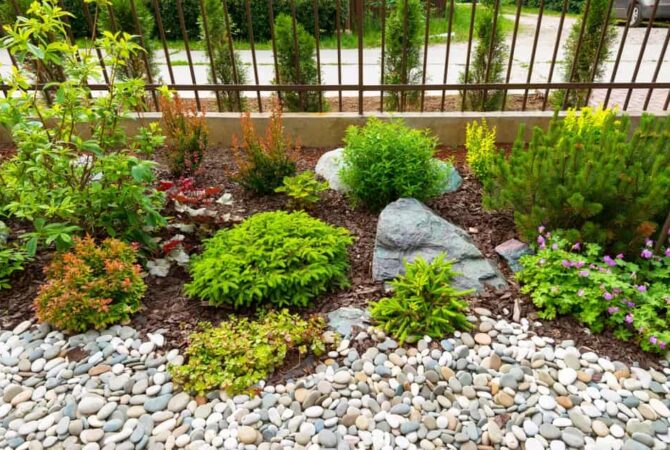
Credit: www.extraspace.com
Defining Your Purpose
Defining your purpose is crucial when designing your back garden. Consider how you envision using the space. Think about relaxation, hosting gatherings, or cultivating plants.
Defining your purpose is the essential first step when designing your back garden. Think about what you want to achieve with this outdoor space. Is it a serene escape for relaxation, a playground for your kids, or a lively area for entertaining guests? By pinpointing your primary goals, you can ensure your garden caters to your needs.Creating Relaxation Areas
Transform your garden into a tranquil haven by setting up cozy nooks for unwinding. Consider adding a hammock under a shady tree or a couple of lounge chairs on the patio. Incorporate elements like water features or aromatic plants to enhance the calming atmosphere. You might find the gentle sound of a small fountain particularly soothing after a long day.Setting Up Play Spaces
If your garden is meant for your kids, prioritize safety and fun. Dedicate a section for swings, slides, or even a sandbox. Keep it close to the house so you can supervise easily. Use bright colors and durable materials that can withstand energetic play. Think about adding a small vegetable patch to teach them about gardening and nature.Designing For Entertaining
For those who love hosting gatherings, design your garden with social spaces in mind. A spacious deck with a barbecue grill or a fire pit can be the perfect centerpiece. Consider the seating arrangements, ensuring there’s enough room for everyone. Adding string lights or lanterns can create a festive atmosphere that extends into the evening. How do you want your garden to serve you and your family? By defining its purpose, you set the foundation for a space that is not only beautiful but functional.Choosing A Style
Selecting a style for your back garden involves considering your personal taste and the space’s functionality. Think about themes like modern, rustic, or tropical to create a cohesive look. A well-chosen style enhances the garden’s aesthetic and makes it a peaceful retreat.
Designing your back garden is not just about planting flowers; it’s about creating a space that reflects your personality and lifestyle. Choosing a style for your garden can set the tone for how you use the space, whether it’s for relaxation, entertainment, or simply a visual treat. Think about what resonates with you and how you envision spending time outdoors. Here are a few styles to consider:Modern Minimalist
Embrace simplicity by opting for a modern minimalist garden design. Use clean lines and geometric shapes to create a sense of order. Choose plants with distinct forms and textures, like succulents or ornamental grasses, to maintain a sleek aesthetic. Consider integrating materials such as concrete, steel, or glass for a contemporary touch. Keep decorations minimal; even a single statement piece can make a big impact. How does a tranquil water feature or a sculptural bench sound?Cottage Charm
If you fancy a cozy and inviting atmosphere, cottage charm might be your style. This garden design often features a mix of colorful flowers and lush greenery. Think of roses climbing over trellises or lavender lining the pathways. Add rustic elements like wooden arbors or wicker furniture to enhance the quaint feel. Create winding paths that invite exploration and discovery. What if your garden felt like a secret retreat straight out of a storybook?Mediterranean Vibes
Bring the warmth of the Mediterranean to your backyard with vibrant colors and textured surfaces. Incorporate terra cotta pots and mosaic tiles to add a touch of authenticity. Choose drought-resistant plants such as olive trees, rosemary, and bougainvillea. Consider adding a pergola or a shaded seating area to enjoy sunny afternoons. Does the idea of dining al fresco under the stars appeal to you? Let your garden transport you to a sun-soaked paradise. Choosing a style is about more than aesthetics; it’s about creating a space that feels right for you. Which style speaks to your soul?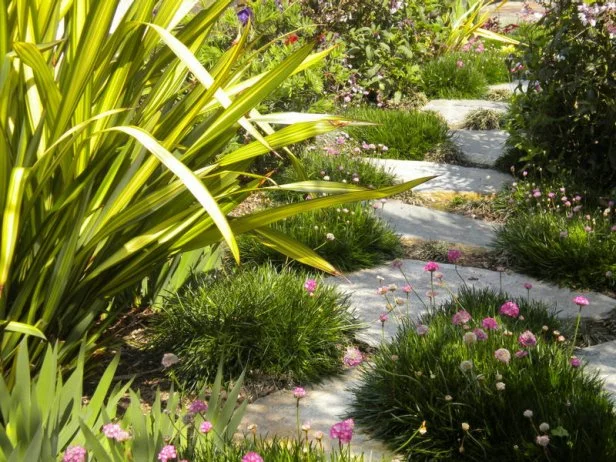
Credit: www.hgtv.com
Selecting Plants And Trees
Designing a back garden involves choosing the right plants and trees for your space. Consider sunlight, soil type, and climate when selecting. Opt for a mix of evergreen and seasonal plants to ensure year-round beauty.
Selecting the right plants and trees can transform your garden into a paradise. Choices must match your garden’s climate, soil, and sunlight. Understanding plant types and their needs is crucial. This helps ensure your garden thrives and looks beautiful year-round.Perennials Vs. Annuals
Perennials return each year, reducing the need for replanting. They offer a stable structure to your garden. Popular choices include lavender, hostas, and peonies. Annuals bloom for a single season but offer vibrant colors. They fill gaps and provide variety. Examples are marigolds, petunias, and zinnias. Mixing both types ensures continuous blooms and visual interest.Native Plant Selection
Native plants adapt well to local soil and climate conditions. They require less water and maintenance. This makes them a sustainable choice. Examples include coneflowers, black-eyed Susans, and goldenrods. They also support local wildlife, attracting birds and butterflies. Choosing native plants enhances biodiversity and garden health.Incorporating Edibles
Edibles add function and beauty to your garden. They provide fresh produce right from your backyard. Consider planting herbs like basil, mint, or thyme. Vegetables such as tomatoes, peppers, and lettuce thrive in sunny spots. Fruit trees like apple or cherry offer shade and delicious treats. Incorporating edibles makes your garden both attractive and useful.Incorporating Hardscaping
Enhance your back garden design by integrating hardscaping elements like paths, patios, and walls. These features add structure and visual interest, while also creating functional spaces for outdoor activities.
Designing a back garden is a journey of creativity, where hardscaping elements transform your outdoor space into a functional and aesthetically pleasing haven. Hardscaping refers to the non-living components of your garden, like pathways, patios, water features, and outdoor structures. These elements not only add structure and texture but also enhance the overall usability of your garden. Let’s explore how you can effectively add these features to your back garden.Pathways And Patios
Creating pathways and patios can dramatically change how you navigate and use your garden. Think of a pathway as a guide through a story, leading you from one part of your garden to another. Choose materials that complement your home’s architecture, such as brick for a traditional feel or sleek concrete for modern vibes. A patio serves as an outdoor extension of your living space. Consider its purpose—will it host dinner parties or be a quiet retreat? A patio near the kitchen might be perfect for alfresco dining, while a secluded corner could become your reading nook. Personalize it with furniture and potted plants to make it welcoming.Water Features
Water features add tranquility and a touch of nature to your garden. The sound of flowing water can be incredibly soothing after a long day. Consider whether a small fountain or a pond would better suit your space and lifestyle. A pond can become a thriving ecosystem, attracting birds and insects. On the other hand, a fountain might be more suitable for those who prefer low-maintenance options. Think about the scale and style of your garden to choose a water feature that enhances its beauty.Outdoor Structures
Outdoor structures like pergolas, gazebos, and arbors provide shade and define spaces within your garden. A pergola can create an inviting entrance or serve as a frame for climbing plants. Imagine sitting under a pergola, enjoying a cup of tea with a gentle breeze. Gazebos offer a sheltered space, ideal for hosting gatherings or escaping the midday sun. Choose a design that reflects your taste and complements your garden’s theme. Would an elegant wrought-iron gazebo fit better, or does a rustic wooden structure match your style? By thoughtfully adding hardscaping elements, you can create a back garden that is both functional and delightful. What hardscape addition will transform your garden into a personal paradise?Lighting And Ambience
Creating a cozy back garden involves thoughtful lighting and ambience. Use fairy lights or lanterns for a warm glow. Choose soft, inviting colors to enhance the mood and complement natural surroundings.
Designing your back garden involves creating a space that’s not only functional but also inviting. Lighting plays a crucial role in setting the right ambience, transforming your garden into a magical retreat after sunset. The right choice of lighting can enhance the beauty of your outdoor space, highlight key features, and create a cozy atmosphere for relaxation or entertaining. So, how do you light up your garden to achieve the perfect ambience? Let’s explore some exciting options.Solar Lighting Options
Solar lights are a fantastic eco-friendly choice for your garden. They are easy to install and maintain, requiring no wiring or electricity. Simply place them where they can soak up sunlight during the day. Consider using solar path lights to illuminate walkways, ensuring safe passage after dark. You can also use solar spotlights to highlight trees or sculptures, bringing attention to your garden’s unique features. Have you tried solar string lights? They can add charm to your seating area or pergola, creating a whimsical atmosphere that invites conversation and relaxation.Using Lanterns And String Lights
Lanterns and string lights are versatile and can be moved around to change the mood. They provide a warm, inviting glow that enhances any garden setting. Hang lanterns from tree branches or place them on tables to add a touch of elegance. Their soft flickering light creates a serene environment, perfect for unwinding after a busy day. String lights can be draped across fences or wrapped around trees. They bring a festive feel, ideal for garden parties or quiet evenings under the stars.Creating Focal Points
Lighting can be used strategically to create focal points in your garden. Draw attention to your favorite features, such as a water fountain or a beautiful flower bed. Use uplighting to illuminate tall plants or architectural elements. This adds depth and drama, transforming your garden into a visual masterpiece. How about accentuating your outdoor dining area with a pendant light? It not only provides practical lighting for meals but also becomes a striking centerpiece. Your garden’s lighting should reflect your personal style and the mood you wish to create. Whether you prefer a tranquil oasis or a vibrant gathering spot, the right lighting choices will make your garden a place you’ll love to spend time in.Maximizing Small Spaces
Designing a small back garden involves smart use of space. Choose vertical plants and compact furniture to create a cozy oasis. Consider multifunctional elements like benches that double as storage to enhance utility and aesthetics.
Maximizing small spaces in your back garden can transform it from a simple yard into a stunning oasis. Whether you have a compact urban area or a cozy suburban plot, making the most of every square inch is key to crafting a garden that’s both functional and beautiful. By embracing innovative design ideas and clever space-saving techniques, you can unlock the full potential of your little patch of paradise. Let’s explore some practical strategies to maximize your garden space effectively.Vertical Gardening Techniques
Vertical gardening is a game-changer for small spaces. Imagine your fence or walls blossoming with vibrant flowers or lush greenery. You can use trellises, wall planters, or hanging pots to add height and depth to your garden. Consider growing climbing plants like ivy or jasmine that not only beautify vertical structures but also add fragrance to your garden. You can also create a living wall using modular panels, perfect for herbs or succulents. By thinking vertically, you increase your planting area without sacrificing ground space. Could this be the secret to fitting more of your favorite plants into a tiny garden?Multi-functional Furniture
Furniture that serves multiple purposes can be a lifesaver in a small garden. Think about a bench that doubles as a storage unit or a table that can transform into a planter. These smart designs help you make the most of your space without compromising on style or utility. Opt for foldable chairs and tables that can be easily stowed away when not in use. This flexibility ensures your garden remains spacious and inviting. You might even consider furniture pieces that can be rearranged to fit different occasions, like garden parties or quiet relaxation. Remember, the right furniture can turn a cramped area into a versatile and comfortable haven.Optical Illusions With Plants
Creating the illusion of space with clever plant placement can dramatically alter the feel of your garden. Use contrasting colors and plant sizes to draw the eye and give a sense of depth. Layer plants with taller ones at the back and shorter ones at the front to create a tiered effect. This trick can make your garden look larger than it actually is. Experiment with mirrored surfaces or reflective materials that bounce light and create visual interest. Could these optical illusions be the key to expanding your garden without physical changes? By combining these techniques, you can craft a garden that feels expansive and inviting, even in the smallest of spaces.Sustainable Practices
Designing a sustainable back garden involves choosing native plants that thrive in local conditions. Incorporating rainwater harvesting systems can help conserve water. Using natural materials for paths and seating areas minimizes environmental impact while creating a harmonious outdoor space.
Designing your back garden with sustainable practices not only benefits the environment but also creates a beautiful, functional space that you can enjoy for years to come. Imagine a garden that conserves water, reduces waste, and uses materials that are kind to the earth. By making conscious choices, you can create a garden that’s both eco-friendly and stunning. Let’s explore how you can implement these sustainable practices.Rainwater Harvesting
Collecting rainwater is a simple yet effective way to conserve water. Set up a rain barrel to capture runoff from your roof. This water can be used to hydrate your plants, reducing your dependency on municipal water supplies. Think about the impact on your water bill. Wouldn’t it be great to see those numbers drop while keeping your garden lush and green? Plus, rainwater is free from chemicals often found in tap water, making it better for your plants.Composting In The Garden
Turn kitchen scraps and garden waste into nutrient-rich compost. Not only does this reduce landfill waste, but it also enriches your soil naturally. Start with a small compost bin in a corner of your garden. You’ll be amazed at how quickly your waste turns into valuable fertilizer for your plants. This practice not only nurtures your garden but also gives you a sense of accomplishment.Eco-friendly Materials
Choose materials that are sustainable and have a low impact on the environment. Opt for recycled or reclaimed wood for decking or furniture. Consider using natural stones instead of synthetic materials for pathways. These choices not only enhance the beauty of your garden but also lessen your ecological footprint. Have you ever thought about the journey your garden materials take before reaching you? Choosing eco-friendly options can make a big difference in the long run. By integrating these sustainable practices, you’ll create a garden that’s not only beautiful but also kind to the planet. What steps will you take to make your garden more sustainable today?Maintenance Tips
Create a plan for garden design by considering the layout and space. Choose plants suitable for your climate and soil. Regularly maintain by pruning, watering, and checking for pests to keep the garden healthy and visually appealing.
Maintaining your back garden can be a rewarding experience. It’s essential to keep it looking healthy and vibrant. With some simple care routines, your garden will flourish. These tips will help you manage the seasons, pests, and watering efficiently.Seasonal Care Routines
Gardens change with each season. In spring, focus on planting and pruning. Summer demands regular watering and pest control. Autumn requires cleaning fallen leaves and preparing for winter. During winter, protect plants from frost.Pest And Weed Management
Pests and weeds can harm your garden. Regularly check plants for signs of pests. Use natural remedies like neem oil or vinegar. Keep weeds in check with mulch or manual removal. Create barriers to prevent pest entry.Efficient Watering Techniques
Watering is crucial for garden health. Early morning is best for watering. Use drip irrigation systems to save water. Ensure plants get enough moisture without overwatering. Check soil moisture before watering to avoid waste.Frequently Asked Questions
What Are The Key Steps To Design A Garden?
Start by assessing your space and setting clear goals. Choose a layout that complements your lifestyle. Incorporate zones for activities like relaxing or gardening. Select plants suited to your climate and soil. Add paths and focal points for interest. Regular maintenance ensures your garden thrives.
How Do I Choose The Right Plants?
Consider your local climate and soil type. Choose plants that thrive in your specific conditions. Factor in sunlight exposure and water availability. Select a mix of evergreens and seasonal bloomers for year-round appeal. Research plant heights to avoid overcrowding. Prioritize native plants for easier maintenance.
How Can I Optimize Small Garden Spaces?
Maximize vertical spaces with trellises and hanging pots. Use multi-functional furniture to save space. Plant in layers for depth. Choose compact plants and dwarf varieties. Incorporate mirrors to create an illusion of space. Utilize containers for flexibility and easy rearrangement.
Keep pathways clear for accessibility.
What Materials Are Best For Garden Paths?
Gravel is affordable and easy to maintain. Stone or brick offers durability and a classic look. Wood chips provide a natural feel and are cost-effective. Concrete is sturdy and versatile but may require professional installation. Consider the aesthetic and functional needs when choosing path materials.
Conclusion
Creating your back garden is a rewarding journey. Start with a clear plan. Consider sunlight, space, and your lifestyle needs. Choose plants wisely. Mix colors and textures for visual appeal. Add seating areas for relaxation. Include pathways for easy access.
Think about water features or lighting for extra charm. Maintenance matters too. Keep it simple to enjoy more. Your garden reflects your personality. Enjoy the process and watch your space bloom. With a little effort, your garden becomes a personal oasis.
A perfect retreat right outside your door. Enjoy every moment in your beautiful backyard haven.







