Have you ever wondered where the best spot in your garden is to plant corn? Choosing the right location can make all the difference between a bountiful harvest and a disappointing yield.
Imagine enjoying sweet, juicy corn straight from your garden. To make that happen, you need to understand how sunlight, soil, and space play crucial roles in growing corn successfully. This article will guide you through selecting the perfect spot in your garden to plant corn, ensuring you enjoy the freshest produce right from your backyard.
Keep reading to unlock the secrets to growing corn like a pro and transform your garden into a thriving oasis.
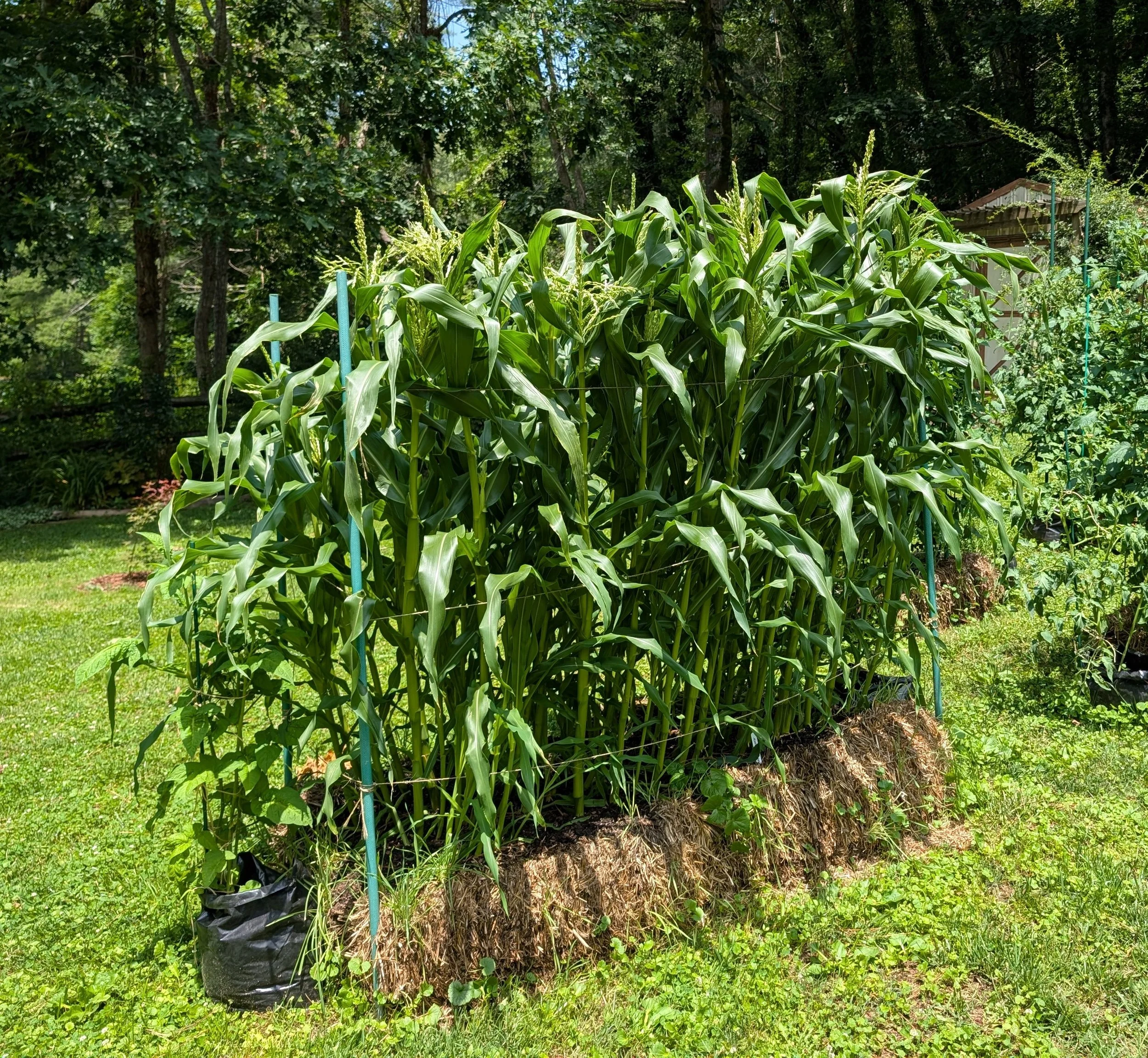
Credit: www.craiglehoullier.com
Choosing The Right Location
Selecting the ideal spot for planting corn ensures healthy growth. Prioritize areas with full sunlight and well-drained soil. Ensure the location is sheltered from strong winds to protect the tall stalks.
Choosing the right location for planting corn is crucial for a healthy harvest. The success of your corn crop depends largely on where you plant it. Corn requires specific conditions to thrive, making location selection a vital step. Consider various factors that influence growth, such as sunlight, soil quality, and wind protection.Sunlight Requirements
Corn needs full sun to grow well. Choose a spot that gets at least six hours of direct sunlight daily. More sun can lead to taller, stronger corn plants.Soil Quality
The soil should be rich and well-drained. Sandy loam soil is ideal for corn. Test your soil’s pH level, aiming for a neutral pH around 6.0 to 6.8.Wind Protection
Corn plants can suffer from strong winds. Plant near a windbreak like a fence or row of trees. This reduces damage and keeps plants upright.Space And Air Circulation
Space is essential for corn’s growth. Ensure adequate room for air circulation between rows. This prevents disease and promotes healthy plants.Water Access
Corn needs consistent watering. Choose a location near a water source. Ensure easy access for irrigation during dry spells.Temperature Considerations
Warm soil is necessary for corn seeds to germinate. Choose a location where soil warms quickly in spring. This helps seeds sprout and grow effectively.
Credit: discoverandshare.org
Soil Requirements
Corn thrives in well-drained, nutrient-rich soil. Proper soil preparation ensures robust growth and a bountiful harvest. Understanding soil requirements is vital for successful corn planting.
Testing Soil Quality
Start with a soil test to understand its composition. This reveals essential nutrients and pH levels. Testing helps identify deficiencies that might hinder corn growth. Use a home kit or consult local extension services for accurate results. Knowing your soil’s makeup guides effective amendments.
Improving Soil Fertility
Enhance soil fertility by adding organic matter. Compost enriches the soil with vital nutrients, promoting corn health. Incorporate aged manure for additional nourishment. Balanced fertilizers support robust growth. Choose fertilizers with nitrogen, phosphorus, and potassium. Ensure these nutrients match your soil’s needs.
Sunlight Needs
Corn is a sun-loving plant that thrives in bright, sunny locations. To ensure healthy growth and abundant yields, understanding its sunlight needs is crucial. Corn requires full sun, ideally receiving at least six to eight hours of direct sunlight per day. This exposure is essential for photosynthesis, enabling the plant to produce the energy needed for growth and development. But how can you make sure your corn gets the sunlight it craves?
Maximizing Sun Exposure
Strategically planting your corn in the sunniest part of your garden is key. Observe your garden throughout the day to identify areas with uninterrupted sunlight. Consider the sun’s path; planting on the south side of your garden often ensures the most sunlight. If your garden is shaded by structures or trees, consider using raised beds or containers to elevate the plants to sunnier spots.
Think about sun mapping. Spend a day noting which areas receive the most sun, and plan your planting accordingly. This simple step can dramatically increase your corn’s exposure to sunlight, leading to better growth.
Impact Of Shade On Growth
Shade can be detrimental to corn, stunting growth and reducing yields. Even partial shade can lead to thinner stalks and smaller ears. If you notice your corn is not growing as expected, evaluate its exposure to shade. Adjusting the planting location or trimming back trees can make a significant difference.
Consider the impact of seasonal changes. As trees grow and leaves fill in, areas of your garden might become unexpectedly shaded. Regularly assess sunlight patterns to ensure your corn continues to get the light it needs. Are there ways you can mitigate shade in your garden to boost your corn’s performance?
Water Accessibility
Plant corn where water is easy to access. Ensure soil retains moisture well for healthy growth. Close water sources help corn roots stay hydrated.
Water accessibility is crucial when deciding where to plant corn in your garden. Corn demands consistent watering to thrive, especially during its crucial growing stages. Without proper water management, your corn may struggle to reach its full potential, leading to disappointing yields.Irrigation Methods
There are various irrigation methods to consider for your corn garden. Drip irrigation is a popular choice, offering a slow and steady water supply directly to the plant roots. This method minimizes water waste and ensures that the soil remains consistently moist. Sprinkler systems can also be effective, particularly for larger garden areas. They mimic rainfall and provide even water distribution. However, be mindful of water evaporation, especially on windy or hot days.Avoiding Waterlogging
While corn needs ample water, too much can be detrimental. Waterlogged soil can suffocate corn roots, leading to stunted growth or even plant death. Ensure your garden soil has good drainage to prevent this issue. Consider slightly raised beds if your garden area is prone to pooling water. This approach allows excess water to drain away, keeping your corn’s roots healthy. Observe your garden after heavy rainfall. If you notice standing water, it’s a sign that drainage improvements are necessary. Good drainage not only prevents waterlogging but also promotes root health and nutrient uptake. How do you manage water in your garden? Taking a closer look at your irrigation and drainage methods can make all the difference in your corn’s success.Space Considerations
Growing corn in your garden requires careful space planning. Corn plants are tall and need plenty of room to thrive. Understanding space considerations is crucial for a healthy harvest. Let’s explore key aspects like row spacing and companion planting.
Row Spacing
Corn needs ample space to grow well. Plant seeds in rows about 30 inches apart. This spacing allows enough sunlight and air circulation. Crowded plants may compete for nutrients. Give each plant about 8-10 inches of space in the row. This distance ensures healthy root development.
Companion Planting
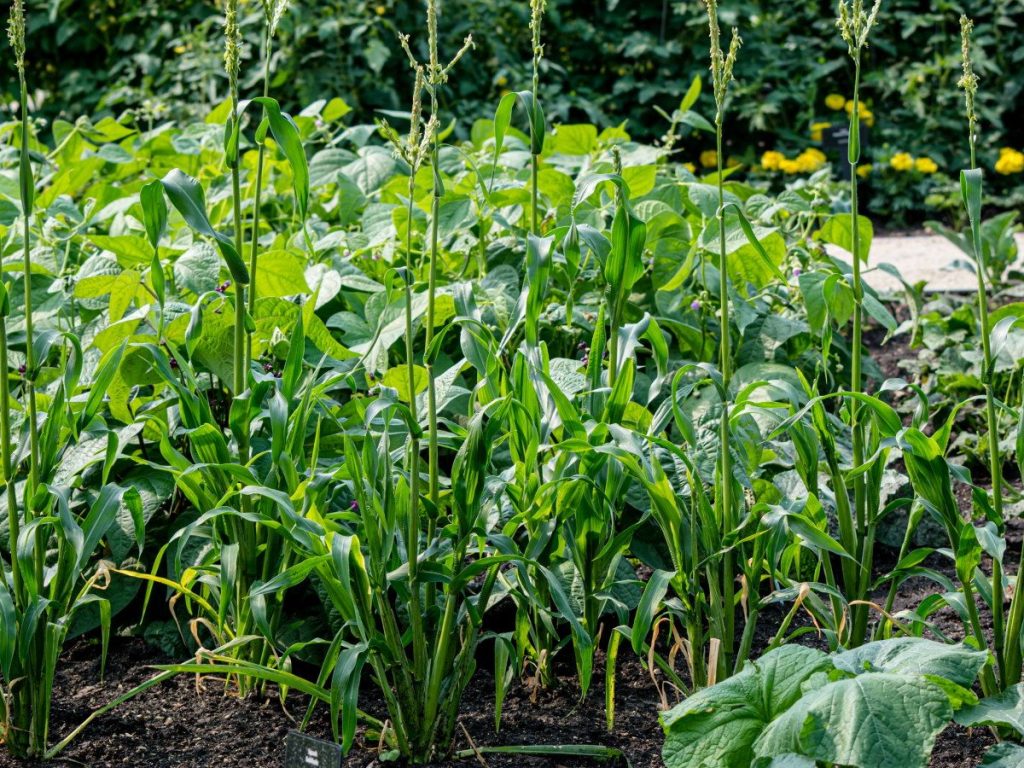
Companion planting can boost corn growth. Consider planting beans and squash alongside corn. These plants complement each other well. Beans fix nitrogen, enriching the soil. Squash covers the ground, reducing weeds. This trio is often called the “Three Sisters.” It’s a traditional method that benefits each plant.
Protection From Wind
Plant corn on the leeward side of taller crops or structures. This placement shields corn from strong winds. Ensuring wind protection helps corn grow stronger and yields better results.
Growing corn in your garden can be a rewarding experience, but protecting it from wind damage is crucial. Corn stalks are tall and can be easily bent or broken by strong winds, which can reduce your yield significantly. Ensuring your corn has adequate protection from wind will help you grow healthier plants and enjoy a more bountiful harvest.Natural Windbreaks
One effective way to shield your corn is by utilizing natural windbreaks. Planting corn near existing hedges, trees, or shrubs can provide excellent protection. These natural barriers not only block the wind but also add biodiversity to your garden. Consider planting your corn on the leeward side of these natural structures. This positioning helps to reduce wind speed significantly before it reaches the corn. If you lack existing windbreaks, you can grow companion plants like sunflowers or tall grasses that can act as a shield.Artificial Barriers
Sometimes, natural options aren’t enough, and artificial barriers can offer the solution. Installing temporary structures like fences or garden netting can protect your corn from harsh winds. These barriers can be easily adjusted and moved as needed. Opt for materials that allow some air passage, as solid barriers can create turbulence, which might harm the corn. You might find success using burlap or woven windbreak fabric, as they are effective and inexpensive solutions. Have you considered the layout of your garden to maximize wind protection? Utilizing both natural and artificial windbreaks can ensure your corn plants stand tall and produce abundantly.Pest And Wildlife Management
Find a sunny spot in your garden for planting corn. Ensure the area receives full sunlight daily. Keep the soil well-drained and rich in nutrients for best growth.
Growing corn in your garden can be a rewarding experience, but managing pests and wildlife is crucial to ensure a bountiful harvest. These uninvited guests can wreak havoc on your corn, which makes effective management strategies essential. By taking proactive steps, you can protect your corn and enjoy a healthy crop.Deterring Pests Naturally
Natural deterrents are a great way to keep pests at bay without resorting to chemicals. You can plant companion plants like marigolds or nasturtiums around your corn. These flowers not only add beauty but also repel common pests such as aphids and beetles. Consider making homemade sprays using ingredients like garlic or chili peppers. These sprays can discourage pests from feasting on your corn. Remember to apply them regularly, especially after rain, to maintain their effectiveness. Another effective method is to encourage beneficial insects in your garden. Ladybugs and lacewings are natural predators of many corn pests. You can attract them by planting a diverse range of flowers and herbs.Fencing And Netting Solutions
Fencing is a tried-and-true method for keeping larger wildlife, like deer and raccoons, away from your corn. A sturdy fence that’s at least eight feet tall can deter deer, while a shorter one may suffice for smaller critters. You might also consider netting to protect your corn. Lightweight bird netting can prevent birds from pecking at your cobs. Ensure the netting is secured tightly to prevent animals from sneaking underneath. Electric fencing can be highly effective, especially in areas with persistent wildlife problems. It delivers a small shock that deters animals without harming them. Just ensure the fence is properly installed and maintained for optimal results. Have you ever thought about using these techniques in your garden? A little effort in pest and wildlife management can go a long way in protecting your corn crop.
Credit: discoverandshare.org
Climate And Seasonal Factors
Choosing the right spot in the garden for corn depends on climate and seasonal factors. Warm temperatures and full sun exposure are crucial for healthy growth. Ensure soil is well-drained and free from frost threats during planting season.
Planting corn successfully in your garden is largely influenced by climate and seasonal factors. Understanding these elements can make the difference between a bountiful harvest and a disappointing yield. By focusing on the unique aspects of your region’s climate and identifying the optimal planting seasons, you can tailor your corn-growing efforts to suit local conditions.Regional Climate Variations
Different regions offer diverse climate conditions that directly impact corn growth. If you live in the southern United States, the warmer temperatures allow for earlier planting and potentially multiple harvests. Meanwhile, northern areas might experience shorter growing seasons, requiring careful timing to ensure corn matures before the first frost. Consider how your area’s rainfall and temperature patterns affect corn cultivation. Have you noticed how a wet spring can delay planting? Or how a dry summer might necessitate irrigation? These regional climate variations can be crucial in planning your corn garden.Optimal Planting Seasons
Knowing when to plant corn is vital. In warmer climates, you might start planting as early as March. This early start allows corn to mature before the intense summer heat. However, if you live in a cooler region, waiting until the soil warms up in late April or May could be more beneficial. Aim for soil temperatures around 50°F (10°C) to ensure successful germination. Have you ever tried planting too early, only to find that seeds struggled to sprout? Waiting for the right conditions can save you from such setbacks. Utilize local gardening resources and weather forecasts to determine the best time to plant. They can provide insights specific to your area, helping you make informed decisions about your corn-growing schedule.Common Mistakes To Avoid
Planting corn in shaded areas limits growth and yield. Ensure the soil is well-drained and nutrient-rich. Crowding plants too closely reduces airflow and increases disease risk.
Planting corn in your garden can be a rewarding endeavor, but it’s easy to stumble into common pitfalls. These mistakes can lead to stunted growth, poor yields, or even complete crop failure. Understanding and avoiding these errors will set you on the path to a bountiful harvest.Overcrowding Corn Plants
Corn needs space to thrive. Planting too close together can restrict airflow, leading to diseases and poor pollination. Make sure to provide each plant with enough room by planting seeds 8 to 12 inches apart in rows spaced 30 to 36 inches apart.Poor Soil Preparation
Corn is a heavy feeder and requires nutrient-rich soil. Failing to enrich your soil with compost or a balanced fertilizer can result in weak, nutrient-deficient plants. Test your soil and adjust pH and nutrients accordingly before planting.Inadequate Sunlight
Corn loves the sun. Planting in a shaded area can significantly impact growth and yield. Choose a sunny spot that receives at least 6 to 8 hours of direct sunlight daily for optimal corn production.Ignoring Water Needs
Corn has a high water requirement, especially during its growth phase. Inconsistent watering can lead to poor kernel development. Ensure a regular watering schedule, delivering about 1 to 1.5 inches of water per week.Neglecting Pest Control
Corn is susceptible to pests like corn borers and aphids. Ignoring these can lead to damaged crops and reduced yields. Regularly inspect plants and use organic or chemical controls as needed to protect your corn.Planting At The Wrong Time
Timing is crucial for corn planting. Planting too early or too late can expose seeds to cold weather or miss the optimal growing season. Check your local frost dates and soil temperature, ensuring the soil is at least 60°F before planting. Each of these mistakes can be easily avoided with some planning and attention to detail. With the right approach, you can enjoy a garden full of thriving corn plants. What’s your biggest challenge when planting corn? Share your experiences and let’s learn together!Frequently Asked Questions
Where Is The Best Place To Plant Corn?
The best place to plant corn is in a sunny spot with well-drained soil. Corn requires full sun for optimal growth. Ensure the area has enough space for tall stalks and proper air circulation. Avoid planting in shady or waterlogged areas to prevent stunted growth and disease.
Can Corn Be Planted Near Trees?
Corn should not be planted near trees as they compete for sunlight and nutrients. Trees can shade the corn plants, hindering their growth. Additionally, tree roots may interfere with corn’s root system. Choose an open area in your garden away from large trees for better yield.
What Soil Type Is Ideal For Corn Planting?
Corn thrives in loamy, well-drained soil rich in organic matter. A pH range of 6. 0 to 6. 8 is ideal. Ensure the soil is fertile by amending it with compost or aged manure. Avoid sandy or clay-heavy soils, as they can impede water retention and root development.
How Much Space Does Corn Need To Grow?
Corn requires ample space to grow, with rows spaced 30 inches apart. Each plant should be about 8 inches from its neighbor. Proper spacing ensures good air circulation and light penetration. This reduces the risk of disease and encourages robust growth and higher yield.
Conclusion
Corn can thrive in your garden with the right spot. Choose sunny areas, and ensure good soil drainage. Avoid shaded places, as corn needs sunlight. Space plants properly for healthy growth. Consider wind direction to support pollination. Test soil before planting for nutrients.
Rotate crops yearly to maintain soil health. Watch for pests and weeds regularly. Water adequately for strong roots. These steps help corn grow well. With care, your garden can produce delicious corn. Enjoy the process and the tasty harvest. Happy gardening!