Imagine having a space where creativity meets functionality, right in your backyard. Designing your own garden shed is not just about building a structure; it’s about creating a personalized sanctuary that reflects your style and meets your specific needs.
Whether you’re looking for a place to store tools, indulge in hobbies, or simply escape to a quiet spot, a garden shed can be the perfect addition to your outdoor space. In this guide, you’ll uncover the secrets to crafting a garden shed that is both practical and aesthetically pleasing.
Discover how simple choices can transform your shed into the most cherished corner of your garden. As you dive deeper, you’ll learn how to make decisions that resonate with your lifestyle, ensuring your shed is more than just a storage space. Keep reading to unlock the potential of your backyard and see how your vision can come to life with ease and joy.
Choosing The Right Location
Selecting the ideal spot for your garden shed enhances its functionality. Ensure easy access and good drainage. Consider sunlight exposure for optimal conditions.
Choosing the right location for your garden shed is a crucial step in the design process. The location you select can significantly impact the functionality and aesthetic appeal of your shed. Consider how the shed will fit into your garden’s overall layout and how it can enhance your outdoor space.Assess Sunlight And Shade
Understanding the patterns of sunlight and shade in your garden is essential. A shed placed in direct sunlight might become excessively hot, making it uncomfortable to use. Consider placing your shed where it receives moderate sunlight, ensuring it stays cool in summer and warm in winter.Evaluate Accessibility
Ease of access is key. If your shed is for storing tools or gardening supplies, you’ll want it to be easily reachable from both your home and garden. Think about paths or walkways that could lead to your shed, making it convenient to grab what you need quickly.Consider Ground Stability
The ground where you plan to place your shed should be level and stable. Uneven ground can lead to structural issues over time. You might need to prepare the site by leveling the ground or adding a foundation to ensure stability.Think About Aesthetics
Your garden shed should complement your garden’s aesthetics, not detract from it. Consider how the shed will look from different angles of your garden or home. A well-placed shed can become an attractive focal point rather than an eyesore.Account For Weather Conditions
Weather can affect the longevity and maintenance of your shed. Place your shed in a spot that offers some protection from harsh weather conditions like strong winds or heavy rain. This can help reduce wear and tear over time and keep your shed in good condition. Choosing the right location can make all the difference. Where will your shed best serve your needs and enhance your garden?Planning The Size And Layout
Planning the Size and Layout Choosing the right garden shed size involves assessing storage needs and available space. A well-planned layout ensures easy access and organization of tools and equipment. Consider future needs to avoid overcrowding and maintain functionality.
Planning the size and layout of your garden shed is crucial to creating a functional and aesthetically pleasing space. Whether you’re dreaming of a potting shed or a storage haven, nailing down the size and layout can make all the difference. Consider the activities you’ll be doing and the space available. A well-designed shed can become your favorite retreat in the garden. Let’s dive into the specifics that will help you make informed decisions.Assessing Space Needs
Begin by evaluating what you’ll store or do inside the shed. Are you looking to stow away garden tools, or do you need a workspace for DIY projects? Make a list of items and tasks. Think about future needs. As hobbies evolve, you might need more room for new equipment or activities. It’s wise to plan for a bit more space than you currently require. Walk around your garden and visualize the shed in different spots. This helps you decide where it fits best and how it complements your garden’s landscape.Determining Shed Dimensions
Decide on the dimensions based on the space and your needs. A compact shed can be perfect for storing tools, but if you plan to use it as a workspace, you might need more room. Consider the height of the shed. A taller shed offers more vertical storage, which can be handy for hanging tools or storing larger items. Keep accessibility in mind. Ensure there’s enough space for doors to open fully and for you to move around comfortably. Would you prefer a wide entrance or multiple access points?Selecting Materials
Choosing the right materials is crucial for designing a garden shed. Consider durability, weather resistance, and aesthetic appeal. Wood, metal, and plastic each offer unique benefits suited to different needs.
Selecting the right materials for your garden shed is a crucial decision that can affect not only the aesthetics but also the longevity and functionality of your structure. The materials you choose will determine how well your shed withstands the elements and matches your overall garden design. Let’s explore some options to help you make an informed choice.Wood Options
Wood is a popular choice due to its natural and classic appearance. It blends seamlessly with garden environments and provides a warm, rustic charm. Cedar and redwood are excellent options as they are naturally resistant to rot and insects. Consider treated pine if you’re working with a tighter budget. It offers durability at a lower cost and can be painted or stained to match your style. However, regular maintenance like sealing and staining is necessary to protect the wood from moisture.Metal And Plastic Choices
Metal sheds, often made from steel or aluminum, offer a modern look and require minimal upkeep. They’re sturdy, fire-resistant, and good for areas with extreme weather conditions. Keep in mind, though, they can be prone to rust if not properly treated or coated. Plastic sheds, typically constructed from high-density polyethylene or PVC, are lightweight and easy to assemble. They resist rot and insects and come in various colors and styles. While they may not offer the same aesthetic appeal as wood, their low maintenance and durability make them a practical choice. When choosing materials, think about your climate, maintenance preference, and aesthetic goals. What will best suit your garden’s character and your lifestyle?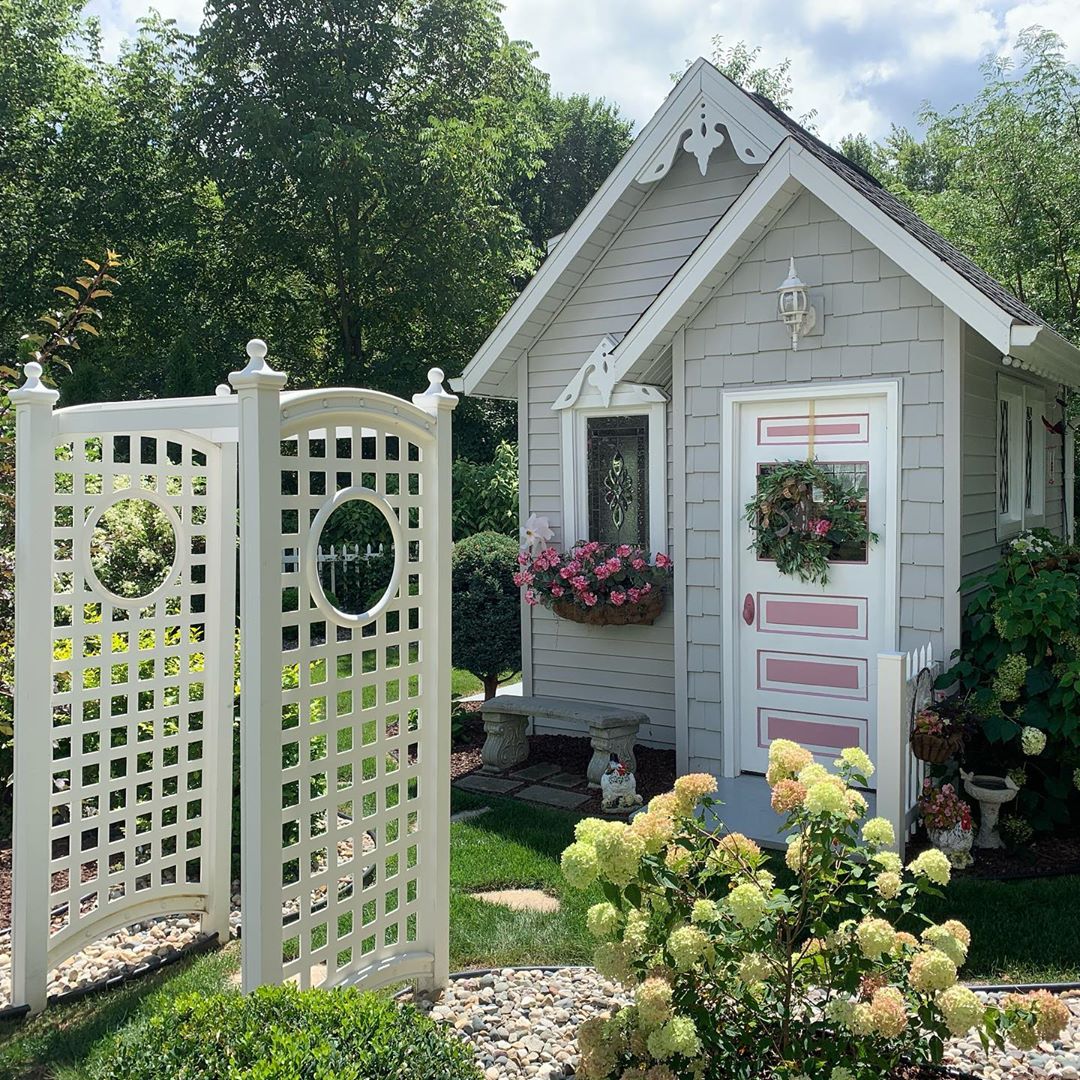
Credit: www.extraspace.com
Designing The Roof
Designing the roof of your garden shed enhances its look and protects your tools. Choose durable materials like metal or shingles. Adjust the pitch to manage rain effectively.
Designing the roof of your garden shed is an important step. It affects both function and style. The roof can shield your shed from harsh weather. It can also add to the overall look of your garden. Choosing the right design requires careful thought. Let’s explore some roof design options.Pitched Roof Designs
A pitched roof is a classic choice. It has two sloping sides that meet at a peak. This design helps rain and snow slide off easily. It prevents water buildup. Pitched roofs add charm to your shed. They create extra space inside. You can use this space for storage. Different styles include gable and hip roofs. Gable roofs have triangular shapes at each end. Hip roofs slope on all four sides. Both offer good ventilation. Choose the style that fits your garden’s look.Flat Roof Considerations
Flat roofs are another option. They have a modern appeal. They are simple and easy to construct. Flat roofs need a slight slope for drainage. This prevents water from pooling. They can support solar panels or a green roof. A green roof is covered with plants. It helps insulate the shed. Flat roofs may require more maintenance. Check for leaks regularly. Ensure the roof material is waterproof. This will extend its life. Flat roofs work well in small spaces. They provide a sleek and minimalist look.Incorporating Windows And Doors
Design your own garden shed by strategically incorporating windows and doors. These elements provide natural light and ventilation. Proper placement enhances functionality and aesthetics, creating a welcoming space.
Designing your own garden shed offers the perfect opportunity to create a space that is both functional and visually appealing. An essential part of this process is incorporating windows and doors, as they significantly influence the shed’s aesthetic and practical aspects. The placement and style of these elements can transform your shed from a simple storage unit into a charming garden retreat.Choosing Window Styles
When selecting window styles for your garden shed, consider both natural light and ventilation. Casement windows, which open outward, offer excellent airflow and are easy to clean. If you’re aiming for a rustic look, consider barn-style windows with wooden shutters. Think about the size and shape of the windows. Larger windows can make the shed feel more open and inviting, while smaller ones offer privacy. Picture windows provide an unobstructed view of your garden, turning the shed into a cozy lookout.Door Placement And Types
The placement of your shed door can impact accessibility and interior layout. A centrally placed door offers a symmetrical look and makes it easy to access items stored inside. However, a side door might be more practical if you plan to use the shed as a workshop. Choosing the right door type is equally important. Double doors are ideal for storing large items, while sliding doors save space and add a modern touch. For added character, consider a Dutch door, which allows you to open the top half while keeping the bottom closed. Remember, your choice of windows and doors should reflect how you plan to use the shed. What activities will you be doing inside? Use this as a guide to select styles that enhance both function and charm.Adding Functional Features
Adding functional features to your garden shed can transform it from a simple storage space into a versatile workshop or hobby area. Imagine a shed where everything has its place, and you can find your tools and materials without a hassle. By focusing on smart design choices, you can create a space that works perfectly for you and your needs.
Shelving And Storage Solutions
A well-organized shed starts with effective shelving. Consider adjustable shelves that can accommodate items of varying sizes, from gardening supplies to larger tools.
Wall-mounted shelves save floor space, making it easier to move around. You can use them to store pots, seeds, and even small machinery parts.
Think about using clear bins for storing smaller items. This makes it easier to see what’s inside without having to open each container.
Workbenches And Tool Racks
If you’re a DIY enthusiast, a sturdy workbench is a must-have. Choose a bench with a solid surface and ample space for your projects.
Consider adding a pegboard above the workbench. It’s perfect for hanging tools, keeping them within reach while you work.
Tool racks can be mounted on the walls for easy access. Magnetic strips are a great option for holding metal tools securely.
What features would make your shed perfect for your projects? By thoughtfully adding functional elements, you can create a space that boosts productivity and enjoyment.
Aesthetic Enhancements
Designing your own garden shed offers a chance to blend function with style. Choose materials that complement your garden’s aesthetic. Incorporate windows for natural light and plant-friendly ventilation.
Designing your own garden shed is a rewarding experience that allows you to blend functionality with creativity. Once the basic structure is in place, it’s time to focus on aesthetic enhancements that elevate your shed from a mere storage space to a charming garden feature. These enhancements are not just about looks; they can transform your shed into an integral part of your garden’s landscape.Paint And Finishing Touches
Choosing the right paint can dramatically change the appearance of your garden shed. Consider colors that complement your garden’s palette. A vibrant hue can make the shed a focal point, while earthy tones can help it blend with nature. Don’t underestimate the power of finishing touches. Adding decorative elements like vintage handles or custom lighting can infuse personality into your shed. These small details make a big impact. Think about the mood you want to create. Do you want your shed to feel like a quaint cottage or a sleek modern space? Your choice of paint and finishing touches will define the character of your garden shed.Landscape Integration
Integrating your shed into the surrounding landscape creates harmony in your garden. Position it strategically so it complements the existing elements like trees, flower beds, or pathways. Consider adding climbing plants or hedges around the shed. This not only enhances its aesthetic appeal but also helps it blend with the natural environment. You might want to create a small patio area next to the shed. It can serve as a cozy spot for relaxation, making your garden shed a part of your outdoor living space. How will your shed fit into the bigger picture of your garden? Visualize the flow and make sure the shed adds rather than detracts from your garden’s overall design.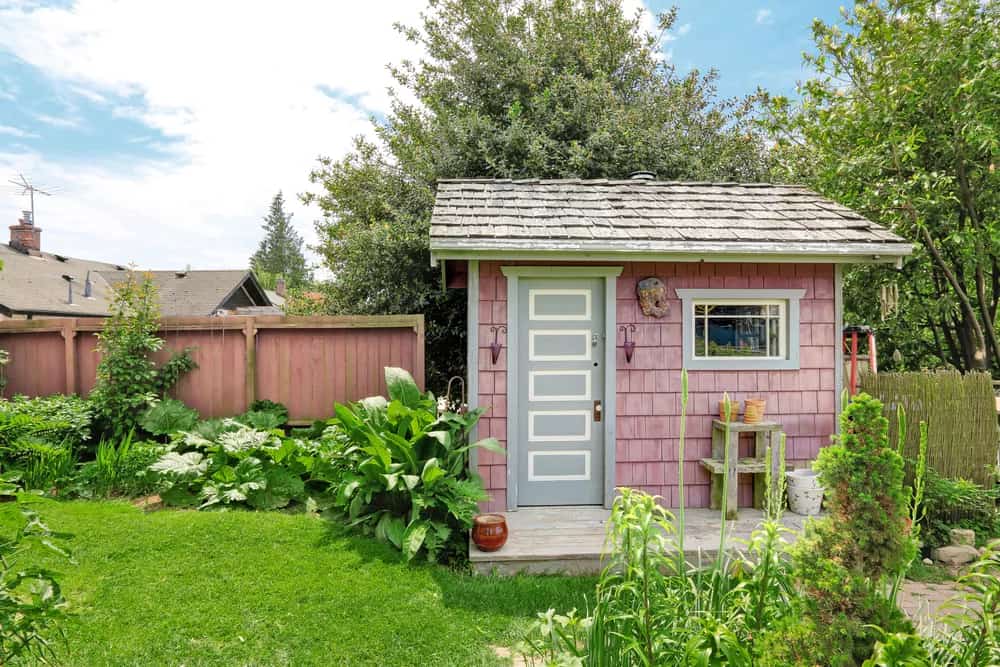
Credit: www.extraspace.com
Ensuring Durability And Maintenance
Ensure your garden shed lasts by choosing weather-resistant materials and applying protective finishes. Regular maintenance like repainting and sealing helps keep it in top condition.
Designing your own garden shed is an exciting project, but ensuring its longevity is essential. A well-constructed shed isn’t just about aesthetics; it’s about standing the test of time. How do you ensure your shed remains a durable, low-maintenance addition to your garden? Let’s explore some practical strategies.Weatherproofing Techniques
Your garden shed will face various weather conditions. From heavy rains to scorching sun, each element poses a risk. Start by selecting high-quality materials like treated wood or metal, known for their resilience. Consider applying a waterproof sealant to prevent moisture damage. Install a sloped roof to allow rainwater to run off easily. This simple design choice can significantly reduce the risk of leaks and water accumulation. Adding gutters is another smart move. They channel rainwater away from the shed’s foundation, protecting it from erosion and dampness.Regular Maintenance Tips
Just like any other part of your home, your shed requires regular upkeep. Establish a maintenance routine to keep it in peak condition. Inspect your shed seasonally for signs of wear or damage. Look for loose shingles, peeling paint, or rust spots. Address these issues promptly to prevent them from escalating. Clean the exterior surfaces regularly. Use a gentle detergent and water to remove dirt and debris, which can cause wear over time. Lastly, ensure the area around your shed is clear of overgrown plants and debris. This will help prevent rot and make maintenance easier. By implementing these strategies, you can enjoy a garden shed that’s both beautiful and durable. Are you ready to transform your outdoor space with a shed that stands the test of time?:strip_icc()/bhg-trellis-shed_3CPIy8RZ4B7A6dnKwb4kNt-6a102cf7f75d47ffa468a6f062a9a310.jpg)
Credit: www.bhg.com
Frequently Asked Questions
How Do I Start Designing A Garden Shed?
Start by assessing your space and needs. Sketch a rough layout, consider materials, and check local building regulations. This ensures your shed fits well and complies with rules.
What Materials Are Best For Garden Sheds?
Wood, metal, and plastic are popular choices. Wood offers a classic look, metal provides durability, and plastic is low-maintenance. Choose based on your budget and aesthetic preferences.
Can I Customize The Shed Design?
Yes, customize the design to suit your style and needs. Add windows, shelving, or paint it in your favorite color. Customization enhances functionality and personalizes your space.
How Much Does It Cost To Build A Shed?
Costs vary based on materials and size. A basic shed might cost $500-$1500. Larger, customized sheds can exceed $3000. Budget for materials, labor, and permits.
Conclusion
Designing your own garden shed is a fun project. You now have the tools to create a space that suits your needs. Start with careful planning. Think about the size and materials. Consider the style that matches your garden. Use your creativity to personalize it.
Remember to choose durable materials. This ensures your shed lasts for years. Enjoy the process of building. You’ll feel proud of your handiwork. A well-designed shed adds charm and function to your outdoor area. Get started today and see your vision come to life!