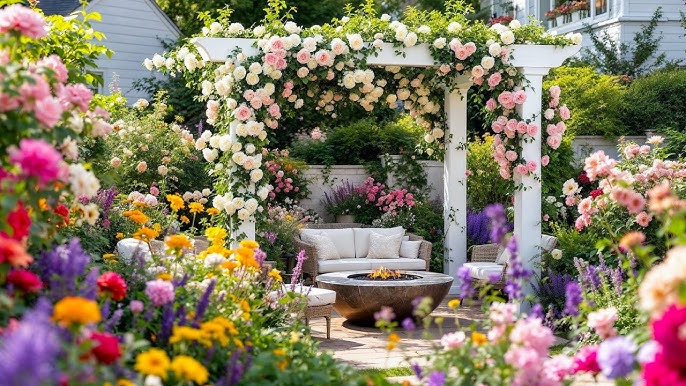
Imagine stepping into your backyard and being greeted by a burst of vibrant colors and delightful fragrances. Designing a flower garden can transform your outdoor space into a personal oasis, offering a sanctuary for relaxation and a feast for the senses.
With the right guidance, you can create a garden that’s not only visually stunning but also perfectly tailored to your tastes. You’ll discover how to design a flower garden that’s picture-perfect. You’ll learn simple tips to select the right flowers, arrange them harmoniously, and capture their beauty in photographs.
Whether you’re a seasoned gardener or a complete novice, these insights will help you craft a garden that you’ll be proud to show off. Keep reading to unlock the secrets of designing a flower garden that will leave everyone who sees it in awe.
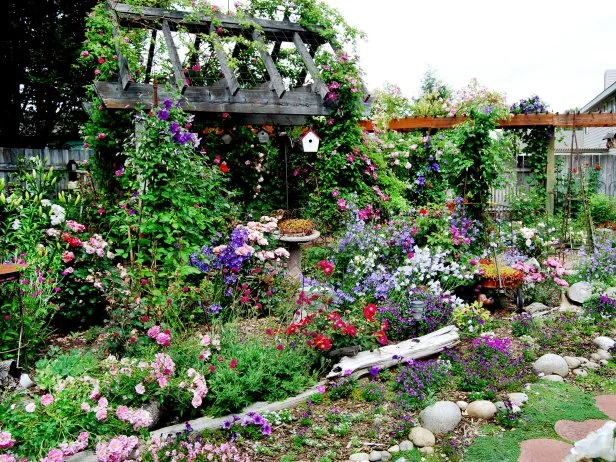
Credit: www.hgtv.com
Choosing The Right Location
Choosing the right location for your flower garden is essential. Consider sunlight, soil quality, and drainage. These factors ensure vibrant blooms and healthy growth.
Choosing the right location is crucial for a successful flower garden. The location impacts plant health, bloom quality, and garden aesthetics. A well-chosen spot ensures your garden thrives and delights all who see it.Understanding Sunlight Needs
Different flowers need different amounts of sunlight. Some thrive in full sun, needing at least six hours daily. Others prefer partial shade, benefiting from a balance of sun and shadow. Observe your garden space throughout the day. Note areas that receive full sun and those shaded by trees or buildings.Evaluating Soil Quality
Soil quality affects plant growth. Rich, well-draining soil supports vibrant blooms. Test your soil’s pH levels. Most flowers prefer slightly acidic to neutral soil. Amend poor soil with compost or organic matter to improve its structure and fertility.Assessing Proximity To Water Source
Water is essential for a healthy garden. Choose a location near a water source for convenience. Consider installing a drip irrigation system for efficient watering. Ensure your flower garden is not prone to waterlogging.Considering Access And Visibility
Place your garden where it’s easily accessible. You should enjoy its beauty daily. Choose a spot visible from your home, or next to a path. This encourages frequent visits and maintenance.Mindful Of Wind Exposure
Wind can damage delicate blooms. Select a location sheltered from strong winds. Use hedges or fences as windbreaks. This protection helps maintain your garden’s beauty.Planning For Future Growth
Consider the mature size of plants when choosing your spot. Leave space for growth and expansion. A crowded garden can lead to disease and poor air circulation. Plan for future additions to your flower garden.Selecting Flower Varieties
Choosing the right flower varieties is the cornerstone of creating a stunning flower garden. With countless options available, it can be overwhelming to decide which flowers to plant. The key is to balance aesthetics, maintenance, and bloom cycles. Let’s explore some crucial aspects to consider when selecting your flower varieties.
Annuals Vs. Perennials
Are you looking for a garden that changes each year or one that offers consistency? Annuals, like marigolds and petunias, provide vibrant colors but need replanting every year. Perennials, such as lavender and peonies, come back year after year, offering stability with less maintenance.
Think about your time commitment. Do you prefer experimenting with new colors and designs annually, or are you drawn to a more sustainable garden setup?
Color And Texture Combinations
Creating a visually appealing garden involves more than just picking pretty flowers. Consider how colors and textures play together. Mixing bold colors with softer shades can create stunning contrasts. Pairing different textures, like the spiky leaves of irises with the smooth petals of roses, adds depth.
Picture your garden as a canvas. Which color palettes do you find most soothing or energizing?
Seasonal Blooms
To keep your garden lively all year round, select flowers with staggered bloom times. Daffodils can herald spring, while sunflowers shine in summer. Chrysanthemums extend the beauty into fall, and hellebores can brave the winter chill.
Plan your garden layout to ensure there’s always something in bloom. What seasons do you want your garden to be the most vibrant?
By carefully selecting flower varieties with these factors in mind, you can design a garden that offers beauty, diversity, and joy throughout the year. Consider your preferences and enjoy the process of crafting your personalized floral haven.
Creating A Garden Layout
Designing a flower garden layout can be as delightful as the blooms you plan to nurture. It’s about balancing beauty with functionality. A well-planned garden invites you to explore and admire, while efficiently using space and resources. Think about how each element will contribute to the overall harmony and aesthetics of your garden.
Formal Vs. Informal Designs
Do you envision crisp lines and symmetrical patterns, or a more relaxed and natural flow? Formal designs often feature geometric shapes and structured plant arrangements. They’re ideal if you love order and elegance. On the other hand, informal designs embrace curves and a mix of plant heights. They offer a casual charm, perfect for those who appreciate a more wild and free aesthetic.
Pathways And Borders
Pathways guide your journey through the garden, offering both functionality and beauty. Consider materials like gravel, stone, or wood to match your garden’s style. Borders define spaces and create visual interest. Use shrubs, low fences, or even stones to frame your flower beds. Think about how each element can enhance your garden’s theme.
Focal Points And Accents
Every garden needs a star – a focal point that draws the eye. It could be a stunning plant, a sculpture, or a water feature. Accents are smaller elements that complement the main attraction. Choose colors and textures that stand out but harmonize with the surroundings. What will captivate your guests and make them linger a bit longer?
Incorporating Garden Structures
Enhance your flower garden with charming structures like trellises and pergolas. They add height and support vibrant blooms. Use arches to create inviting paths and highlight colorful plantings.
Designing a flower garden is not just about choosing the right plants and flowers; it’s also about creating an inviting atmosphere. Adding garden structures can transform your outdoor space into a vibrant, personal retreat. Whether it’s a charming arbor, a serene water feature, or a cozy bench, these structures add character and functionality.Arbors And Trellises
Arbors and trellises are excellent for adding height and depth to your garden. They serve as perfect backdrops for climbing plants like roses and clematis. Imagine the charm of walking through an arbor draped in fragrant blooms. Select materials that complement your garden’s style. Wood offers a natural look, while metal provides a modern touch. Think about the seasons—how will your arbor look in winter when the flowers aren’t in bloom?Garden Benches And Statues
A well-placed bench invites you to pause and enjoy your garden’s beauty. Choose a spot with a view of your favorite blooms or a shady nook for a retreat. Comfort is key, so consider adding cushions or a nearby table for your tea. Statues can be focal points that draw the eye and add personality. Whether it’s a classic angel or a whimsical gnome, choose pieces that reflect your style. How do these elements make you feel? Your garden should resonate with your personal taste.Water Features
Water features bring a sense of tranquility and a soothing soundscape to your garden. A simple birdbath can attract delightful feathered visitors, while a small fountain adds elegance. Consider the maintenance involved; some features require more care than others. Reflect on how a pond could become a sanctuary for both you and local wildlife. The gentle gurgle of water can transform your garden into a peaceful haven. Ask yourself: Does your garden feel complete without the calming presence of water? Incorporating these structures can elevate your flower garden from beautiful to breathtaking. As you design your space, think about how each element interacts with your flowers and each other. What story does your garden tell?Optimizing For Sun And Shade
Designing a flower garden involves understanding the sun and shade in your yard. Different plants thrive in different light conditions. Proper placement ensures your garden flourishes. It’s essential to choose the right flowers for each area.
Sun-loving Flowers
These flowers thrive in bright sunlight. They need at least 6 hours of sun daily. Popular choices include marigolds and sunflowers. These plants bring vibrant colors to your garden. Plant them in open areas with lots of light.
Ensure soil drains well for these flowers. Water them regularly to keep them healthy. Grouping sun-loving flowers together creates a stunning visual effect. Use them to fill sunny spots in your garden.
Shade-tolerant Plants
Some plants prefer shady areas. Ferns and hostas are great examples. They grow well in areas with less sunlight. These plants add texture and greenery to your garden.
Shade-tolerant plants are perfect for under trees or near buildings. They require less frequent watering. Their lush foliage creates a peaceful setting. Choose these plants for shaded corners of your garden.
Maintaining Your Flower Garden
Create a vibrant flower garden by carefully choosing plants with contrasting colors. Arrange them in patterns that highlight their beauty. Consider the placement to ensure each flower gets the right amount of sunlight.
Maintaining a flower garden requires care and dedication. Regular maintenance ensures that your garden stays vibrant and healthy. By focusing on key areas, you can enjoy a flourishing garden all year round. Let’s explore essential maintenance tasks for your flower garden.Watering And Fertilizing
Proper watering is crucial for a healthy garden. Water your plants early in the morning or late afternoon. This prevents water from evaporating quickly. Use a soaker hose or drip irrigation system for deep watering. Ensure the soil remains moist, not soggy. Fertilizing provides essential nutrients to plants. Choose organic fertilizers for the best results. Apply fertilizer according to the plant’s growth stage. This promotes strong root development and vibrant blooms.Pruning And Deadheading
Pruning keeps plants in shape and removes dead branches. Use sharp, clean tools to avoid plant damage. Prune in the growing season to encourage new growth. Deadheading involves removing faded flowers. This process encourages more blooms. It also prevents plants from wasting energy on seed production. Regular deadheading keeps your garden looking fresh.Pest And Disease Control
Pests and diseases can harm your garden. Regular inspections help spot issues early. Look for signs like discolored leaves or holes. Use natural pest control methods like neem oil or insecticidal soap. Encourage beneficial insects like ladybugs to keep pests in check. Maintain good air circulation to prevent fungal diseases. Rotate plants annually to minimize soil-borne diseases. Always remove infected plants promptly to prevent spread.Capturing Stunning Garden Photos
Designing a flower garden for stunning photos involves choosing vibrant colors and arranging plants artistically. Consider varied textures and heights to create depth and interest. Proper lighting enhances the visual appeal, capturing the beauty at its best.
Capturing stunning garden photos is both an art and a science. It’s about finding the right light, angle, and mood to make your flower garden truly shine. With a few tips and tricks, you can transform your garden into a visual masterpiece that captivates every viewer.Best Times For Photography
Timing is everything in photography. The golden hours, just after sunrise and before sunset, offer soft, warm lighting that enhances the colors of your flowers. Midday sun can be harsh, creating stark contrasts and washed-out colors. Instead, aim for early morning when dew adds a magical touch, or late afternoon when shadows add depth. Cloudy days may not seem ideal, but they provide even lighting, reducing harsh shadows and allowing the true colors of your garden to pop.Angles And Perspectives
Experimenting with angles can dramatically change the outcome of your photos. Get down low to capture the flowers from their level, which can give a unique and immersive view. Don’t be afraid to shoot from above, especially for beds with intricate designs. This top-down perspective can showcase patterns and arrangements beautifully. Try framing your shots with natural elements like branches or leaves to add context and depth. This technique draws the viewer’s eye into the scene.Editing Tips
Editing enhances the natural beauty of your photos. Start by adjusting the brightness and contrast to make colors more vibrant. Use cropping to remove distractions and focus on the key elements of your composition. Remember, less is often more. Avoid over-editing. Aim for edits that enhance rather than alter the original charm of your garden. Keep it natural, yet striking. Which flower will you capture first?:strip_icc()/BHG-Hagedorn-Garden-Bed-in-Bloom-82WOcOJAq0g8t6iABDtEtk-158c01809b724583b583c9e09e4ff817.jpg)
Credit: www.bhg.com
:strip_icc()/BHG-Hagedorn-Garden-Bed-with-Blooming-Flowers-0S7TWgmuan0BjjFHrp1Vox-dcd0ab855e4b40c6a2bd1a616d7d87f2.jpg)
Credit: www.bhg.com
Frequently Asked Questions
What Are Key Elements Of A Flower Garden?
Key elements include color, shape, and size. Choose plants that complement each other. Plan paths and seating areas for accessibility. Consider the garden’s sunlight, soil, and climate. Incorporate seasonal flowers for year-round beauty. Add focal points like statues or water features.
Proper planning ensures a cohesive and inviting design.
How Do I Choose Flower Colors?
Select colors based on your garden’s theme. Use complementary colors for harmony. Bright colors add vibrancy, while pastels offer tranquility. Consider the flower’s bloom time for continuous color. Balance warm and cool colors for visual interest. Experiment with different combinations to find what suits your garden’s style.
What Plants Thrive In Shade Gardens?
Shade-tolerant plants include ferns, hostas, and astilbes. These plants thrive with limited sunlight. Consider native shade-loving flowers like bleeding hearts. Choose plants with varied textures for interest. Ensure proper soil conditions and moisture levels. Regular maintenance and mulching help retain moisture.
Shade gardens can be lush and vibrant with the right selection.
How To Design Small Flower Gardens?
Focus on vertical and layered planting. Choose compact and dwarf plants. Use containers for added flexibility. Incorporate pathways for ease of access. Maximize space with climbing plants and trellises. Select multifunctional flowers for beauty and utility. Small gardens can be stunning with thoughtful planning and creativity.
Conclusion
Creating a flower garden is both fun and rewarding. You start with a plan. Choose the right plants. Think about colors and shapes. Arrange plants thoughtfully for best results. Regular care keeps your garden thriving. Water and prune them well.
Watch them bloom beautifully. Enjoy your vibrant space. Share your garden with family and friends. Capture memories with stunning photos. A flower garden brings joy and peace. It’s a special place to relax and unwind. Let nature’s beauty inspire you daily.







